The Ghoul's Rescue May Have United the Legion
THE ARGUMENT
The Ghoul's destruction of the barrier between the two Legion factions likely ended the stalemate that kept both sides neutralized, giving whichever Legion controls the succession paper the conditions to consolidate into a unified force. The act was inseparable from rescuing Lucy, meaning the show has structured the season's most personal moment of loyalty as a potential strategic catastrophe. The lighter tracing back to an unresolved pre-war question about killing for love is the show's clearest signal that the moral cost has not been paid yet.
How This Theory Works
The Ghoul may have handed the Legion its first Caesar in years without knowing it. The Lacerta Legate laid out the conditions of the stalemate with precision: two factions, locked in deadlock, separated by a physical barrier and the bones holding the succession paper neither side could reach. The barrier was not incidental to the conflict. It was the mechanism sustaining the impasse. Removing it does not deepen the fracture between the two camps. It forces the fracture to resolve.
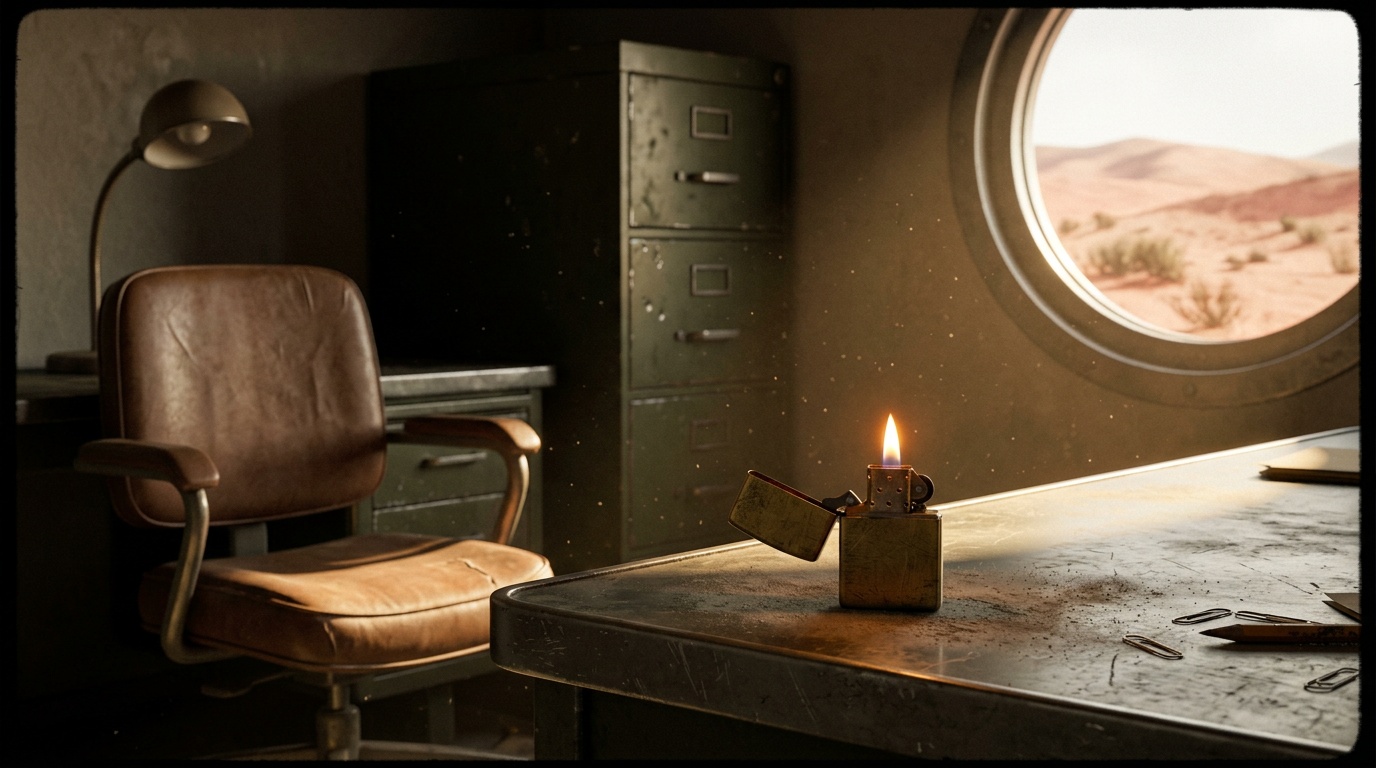
The lighter is not incidental to this reading. Charlie gave it to Cooper Howard in a conversation explicitly about whether a soldier can kill for love, for loyalty, for a cause that remains personally unresolved. Cooper's unease in that flashback was the show's signal that he had not answered the question. Decades later, he uses that same object to detonate explosives and rescue Lucy. The act is structurally identical: a violent deed performed for someone he has chosen to protect, with consequences he cannot fully see. The lighter does not resolve the moral question. It reopens it with new stakes, and the show is making a specific argument here: that the capacity for loyalty and the capacity for catastrophe are not opposites but the same force directed outward.
The rescue and the strategic disaster are the same act. The Ghoul did not choose between freeing Lucy and destabilizing the wasteland. The show collapsed those two outcomes into a single detonation, which is the argument: that personal loyalty, acted on without full reckoning, does not merely carry a cost. It can be the mechanism of the very harm the actor would most want to prevent. The Ghoul freed Lucy. He may also have finished building the Legion.
Is this theory convincing?
Key Evidence
Legate's Stalemate Explanation to Lucy
The Lacerta Legate told Lucy directly that both Legion factions are locked in a violent deadlock over Caesar's succession, with the barrier and the bones preventing either side from claiming the paper that names the heir.
Ghoul Detonating the Barrier
The Ghoul used dynamite to destroy the physical divide between the two Legion camps as part of freeing Lucy, an act that structurally ends the conditions the Legate described as sustaining the stalemate.
Charlie's Lighter Used for Detonation
The Ghoul used the pre-war lighter given to him by his friend Charlie specifically after a conversation about killing for love and loyalty, carrying that moral weight into the moment of detonation.
Pre-War Moral Conflict Over Killing
In the flashback, Charlie told Cooper that their military service had prepared them to take a life, but Cooper remained visibly uneasy, establishing an unresolved question about whether killing for someone you care about can be justified.
Rescue and Destruction as a Single Act
The Ghoul's detonation served two purposes simultaneously: it freed Lucy and it removed the barrier, making the strategic consequence inseparable from the personal motivation.
This theory was evaluated using Theory Atlas editorial standards, including evidence review, narrative fit, and competing interpretation analysis. Learn how Theory Atlas evaluates theories →
Other Theories for S2E03
House Already Knew Cooper Was Coming
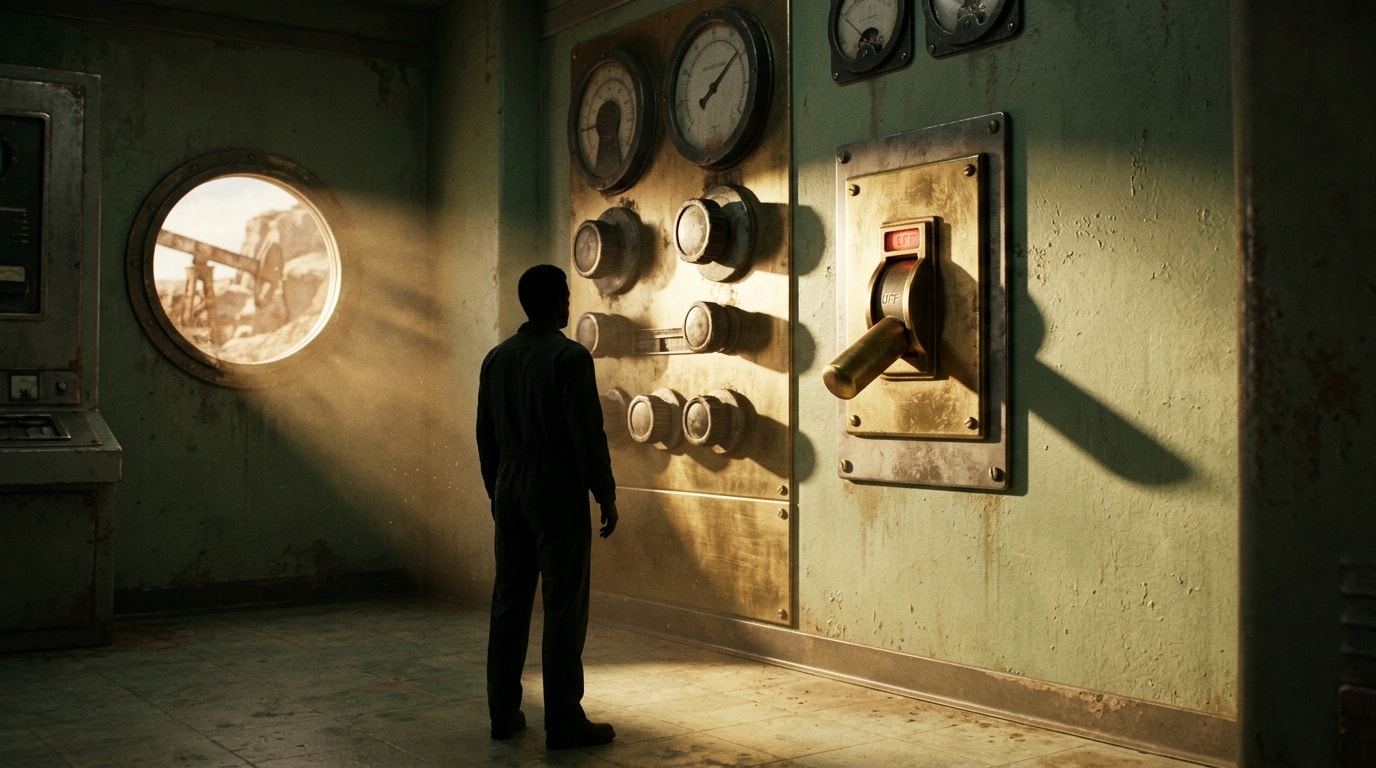
Robert House approached Cooper Howard already knowing he had been sent to kill him, which means the encounter was not a chance meeting but a controlled demonstration of intelligence superiority designed to neutralize an assassin without violence.
Maximus Starts a War to Save Children
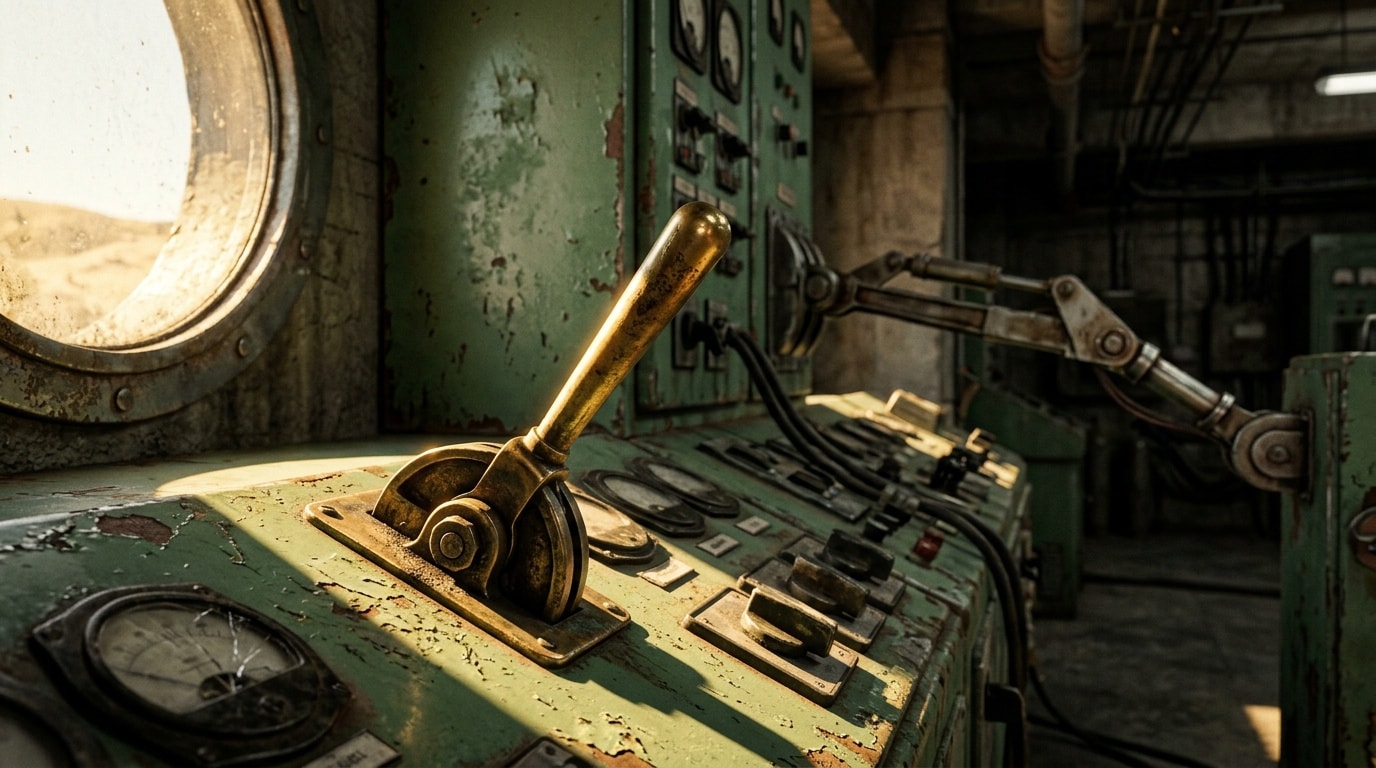
Maximus's killing of Harkness is not the arrival of the good man his father hoped for.
The Ghoul Confesses to Dogmeat Because Dogmeat Cannot Be a Witness
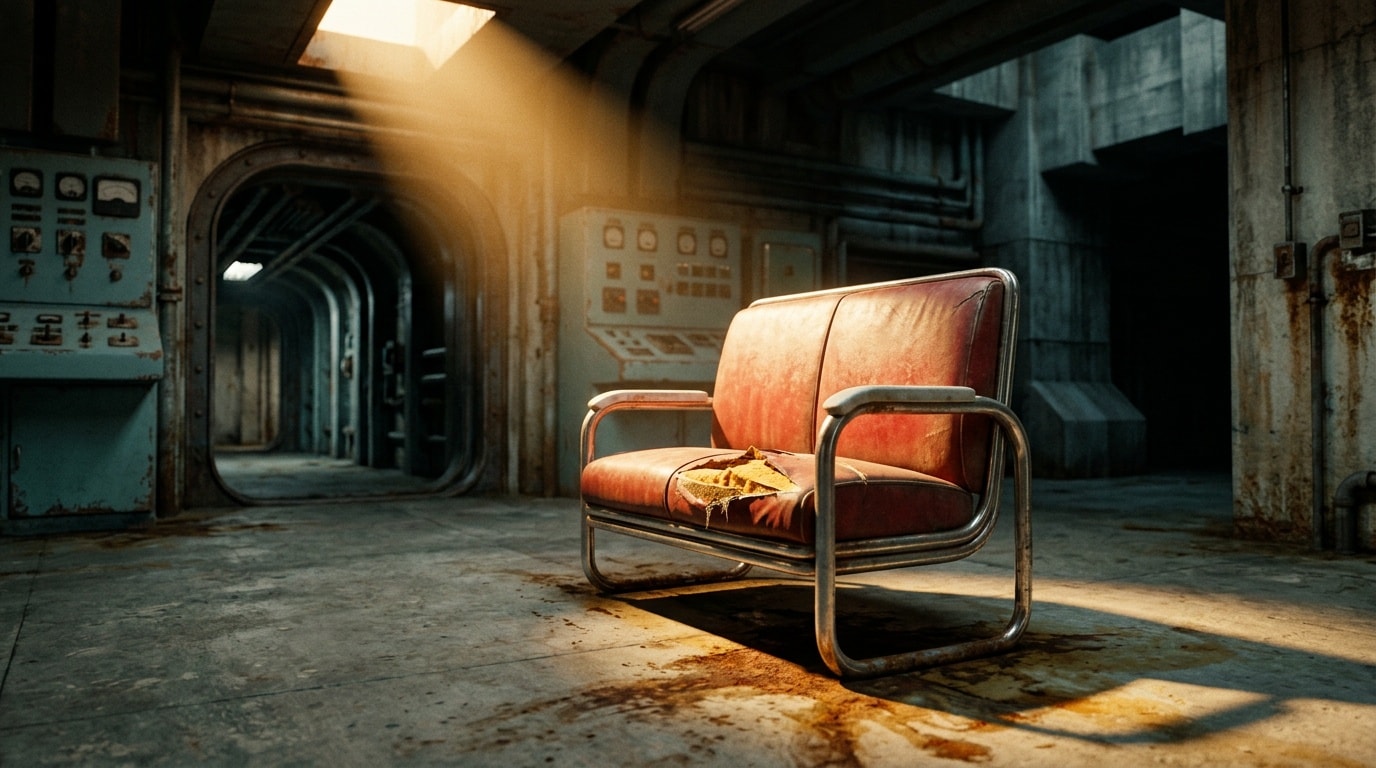
The Ghoul's Ship of Theseus monologue is not a man searching for himself but a man announcing, in the only setting where announcement is safe, that he has already stopped searching.
The Ghoul's Good Deeds Are Not Accidents
The Ghoul still has a working moral framework.
Thaddeus Is Not Turning Into a Ghoul
Thaddeus is not undergoing ghoulification but FEV-driven transformation toward something the Brotherhood is institutionally incapable of processing in one of their own.
Cooper Derailed House Before the Bombs Fell
Cooper Howard actively sabotaged Robert House's acquisition of cold fusion technology before the Great War, an intervention that may have served Vault-Tec's control agenda whether Cooper intended it or not.