
Sara's Kiss: Mercy, Madness, or Control
THE ARGUMENT
Sara's killing of Tobey is not a symptom of mental illness or a moment of crisis but an act of conditioned compliance, performed by someone who has internalized the town's rules deeply enough to apply them without being told. The comfort, the kiss, and the reassurance are not Sara's invention but the required form of a role the town has shaped her into. The pilot's most disturbing implication is that she does not want to resist it.
How This Theory Works
Sara is not broken. She is assigned. The killing of Tobey is deliberate and practiced, and that deliberateness is what the pilot refuses to explain. Someone acting out of panic or rage does not pause to offer comfort first. Sara waits. She tends to him. She lets him wake a second time before she moves. The sequence has the quality of a procedure, not a breakdown.
The phrase 'it isn't your fault' is doing significant work. It implies Tobey is being killed not because of anything he did, but because of what he is: a newcomer who has arrived before he understood enough to survive or resist. Sara seems to understand a rule the audience does not yet have. She is not punishing him. She is processing him. The words are not comfort for Tobey's sake. They are the language the role requires, spoken to keep him still.
The kiss complicates any single explanation, but both available explanations point the same direction. If Sara is offering mercy, she knows something terrible enough about what awaits newcomers that death reads as the kinder outcome. If the tenderness is ritual rather than personal, then the form the killing must take was designed by something that anticipated resistance and built in a sedative gesture. Either reading puts Sara inside a system. The tenderness is not hers. It belongs to the logic she is executing.
What the theory must press into is this: Sara's interior state is not confusion or madness or grief. It is compliance. The most uncomfortable truth the show approaches but will not say is that Sara does not want to resist the role. She has been in the town long enough, shaped by enough exposure to the creatures and the accumulated pressure of survival, that the role feels like understanding. She kisses Tobey because she has come to believe the town's rules are correct. That is not the same as being forced. It is worse. It means the town does not need to issue instructions. It only needs enough time.
Is this theory convincing?
Key Evidence
Sara's Calming Words Before Strike
Sara tells Tobey 'this isn't his fault' immediately before stabbing him in the neck, implying the killing follows a logic or obligation rather than personal grievance.
The Kiss Before the Kill
Sara leans in and kisses Tobey before stabbing him, a gesture interpreted as either a mercy given to soften the act or a ritualized element the killing requires.
Sara's Established Off Behavior
Throughout the episode Sara is described as behaving in ways that feel displaced from normal town life, making the killing appear consistent with a larger pattern of compromised or conditioned conduct.
Deliberate, Unhurried Approach
Sara does not act immediately when Tobey first wakes; she waits, tends to him, and only kills him after his second awakening and moment of panic, suggesting a calculated rather than impulsive decision.
Mercy Frame vs. Compulsion Frame
The tenderness of the act supports two competing readings: that Sara is giving Tobey a merciful send-off because she knows something terrible awaits him, or that she is acting under an external compulsion she did not choose.
This theory was evaluated using Theory Atlas editorial standards, including evidence review, narrative fit, and competing interpretation analysis. Learn how Theory Atlas evaluates theories →
Other Theories for S1E01

Enter Once, Exit Never: The Looping Town
The town in FROM operates as a supernatural spatial trap where the roads themselves fold back on travelers, making escape geometrically impossible.

Boyd's Duty Tears His Family Apart
Boyd's role as sheriff places him at the center of the town's survival apparatus, enforcing the strict rules that keep people alive after dark.

The RV May Not Be Safe After Dark
The RV offers no reliable protection after dark because its overturned geometry eliminates the functional threshold that the town's shelter rules appear to require.
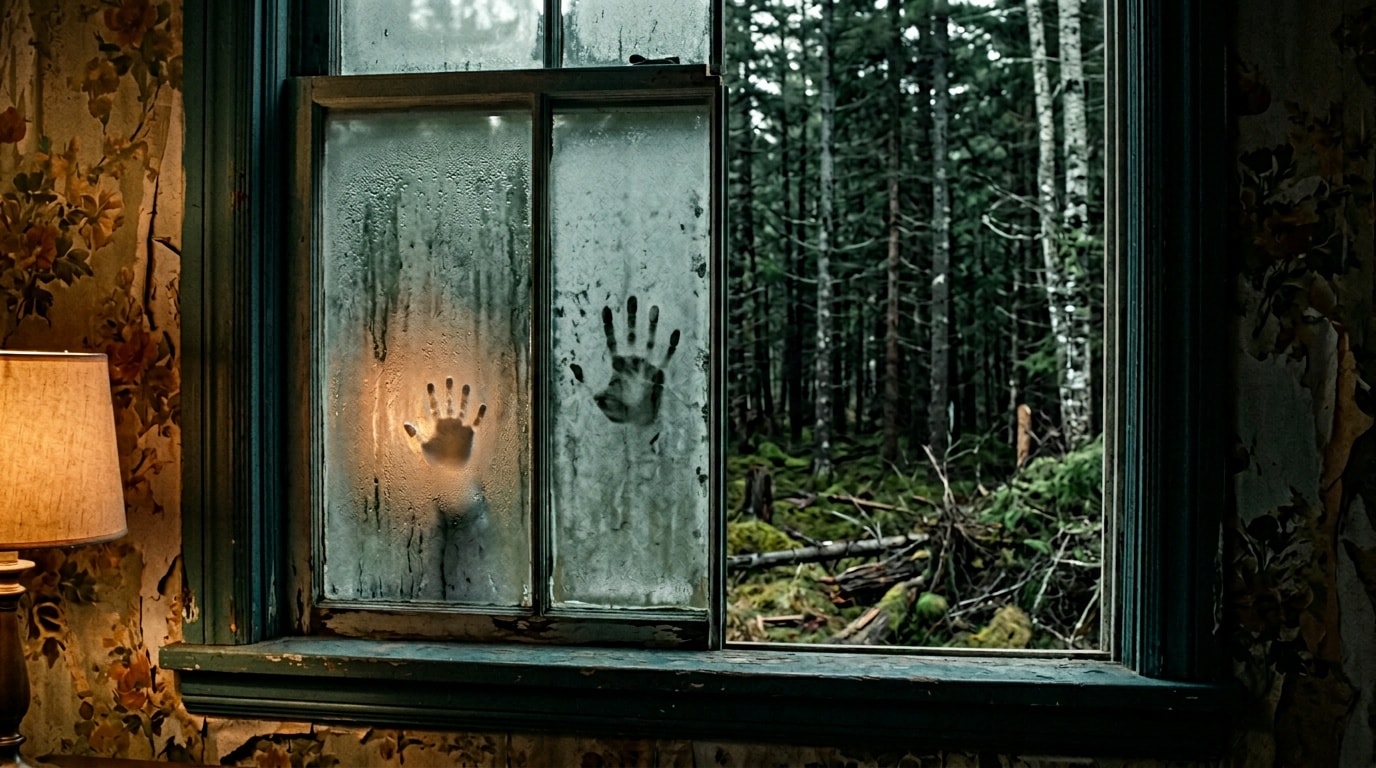
The Creatures Already Know Your Family
The creatures threatening the Town do not improvise their deceptions; they arrive with pre-acquired intelligence about specific families, knowledge specific enough to select a grandmother rather than a generic authority figure.
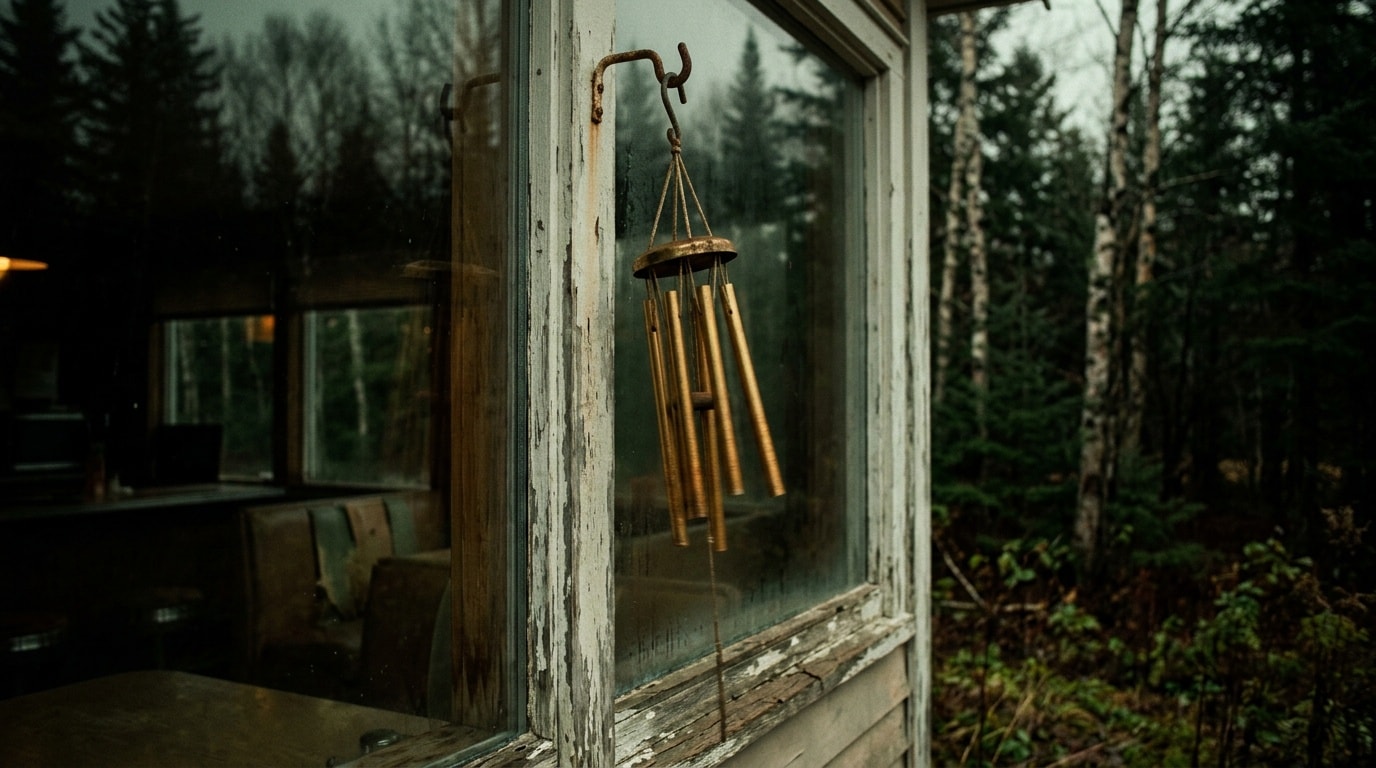
Ethan's Seizures Track the Creatures
Ethan's seizures may be triggered by the proximity of the creatures rather than by his injury alone, making his body an involuntary detector of their approach that operates before any other character can perceive the threat.

The Matthews Were Processed, Not Trapped: Boyd's Intake System Runs on Inherited Contract Terms
The town's mechanisms for capturing newcomers (false directions, pre-positioned spike strips, nightly rituals) are not survival improvisations but the operational expression of a formal compact whose terms predate every current resident.
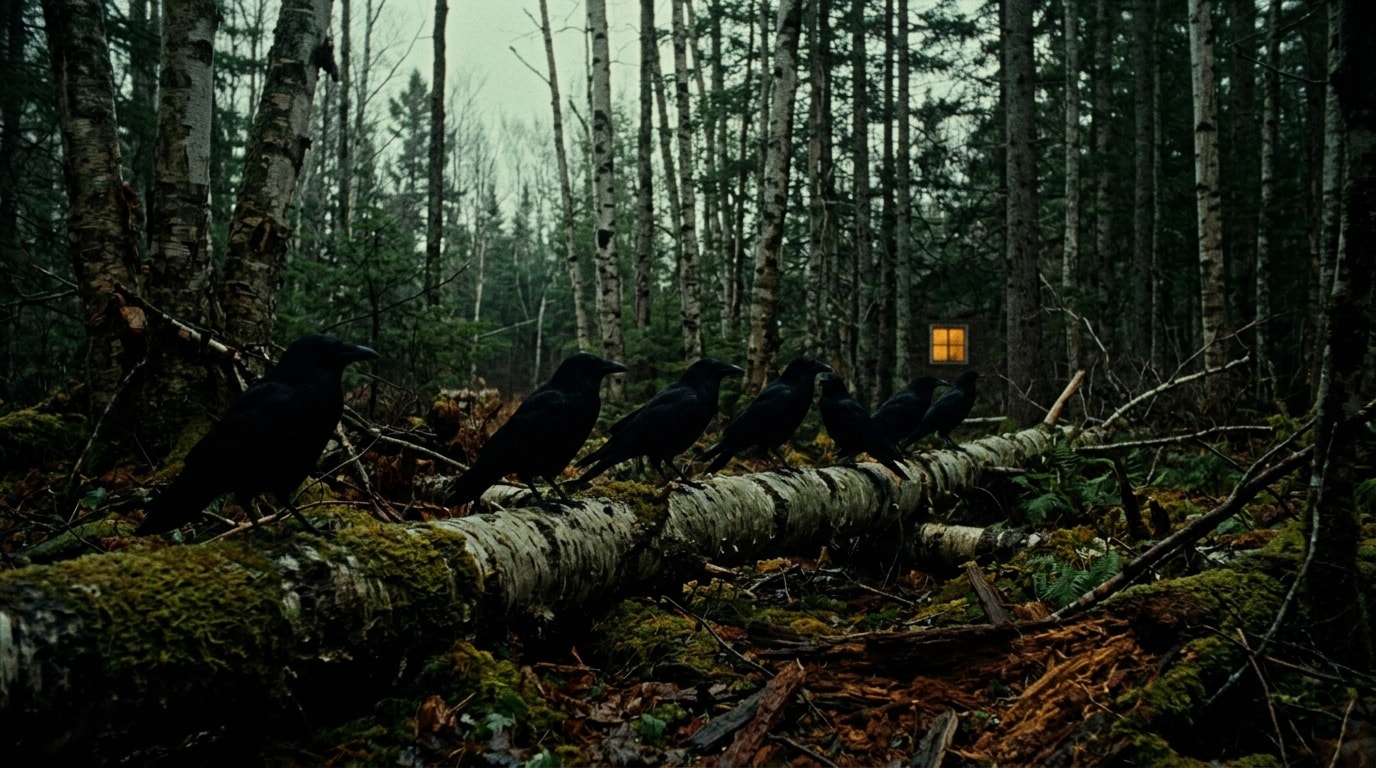
Murder of Crows Signals Incoming Danger
FROM uses the crow encounter at the fallen tree to name two distinct fates awaiting the Matthews family before they have encountered either: murder, performed by the creatures, and unkindness, performed by the town's mechanism of inescapable captivity.