The Town Is a Chess Board
THE ARGUMENT
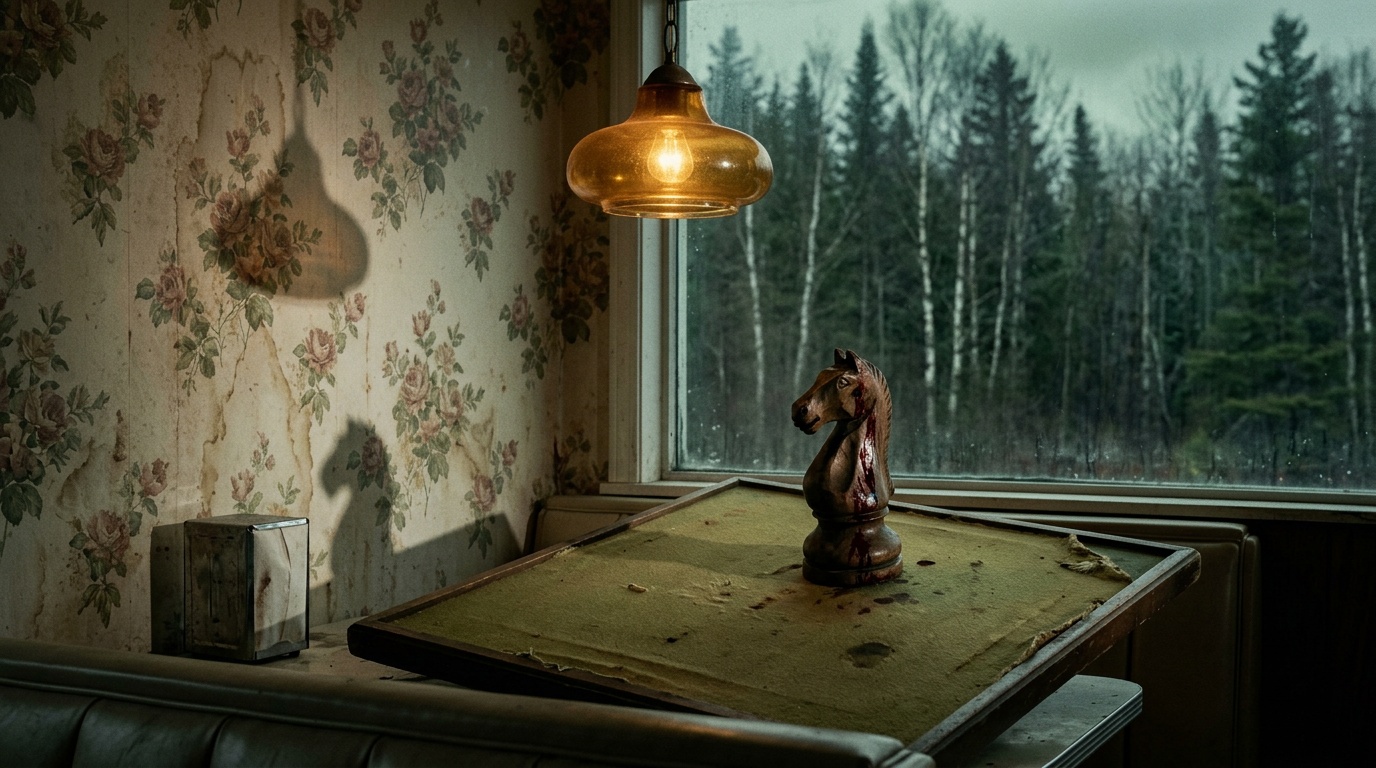
The creatures are not hunting. They are finishing a game they have already won. The bloody chess piece Kenny hands to Boyd points toward an unconfirmed structural claim: the town operates as a closed board, the creatures have held positional dominance from the beginning, and every human who has ever tried to lead the survivors has been inheriting an endgame in progress.
How This Theory Works
Kenny's chess metaphor is on screen, yes. But the show stating a metaphor and the metaphor being literally true are different things. What the evidence actually supports is a claim the show has not confirmed: that the creatures' patience is not a behavioral trait but a structural advantage. They walk because running would be a waste. The board is already theirs.
The personal history matters here. Kenny did not grow up playing chess. He grew up losing chess, the same way, every time. His father never varied the method. He reduced Kenny to a single piece and then closed the game. Kenny now looks at creatures that walk slowly through a town with no exits and recognizes the feeling. He is not applying a metaphor loosely. He is identifying a pattern he has been trained to see from the inside.
Boyd erasing the incident counter is the sharpest piece of evidence because it is the one that points forward. Ninety-six nights was not safety. It was positioning. The creatures allowed ninety-six nights because the board did not require a move yet. When they moved, Boyd erased the number. Not because the rules changed. Because tracking margin had become absurd. You do not count nights of safety when you are the last piece.
What this points toward, and what the show has not said, is that Boyd's role as the town's tactical leader is structurally identical to Kenny's position across the chess board from his father. He did not take command of a situation. He inherited a losing position mid-endgame from someone who also could not win it. The creatures do not need to escalate, adapt, or learn. They are waiting for the board to clear. Boyd holding that bloodstained piece is not a call to strategy. It is the moment a player realizes he is the last piece.
Is this theory convincing?
Key Evidence
Bloody Chess Piece Handed to Boyd
Kenny retrieves a bloodstained chess piece from his father's remains and physically hands it to Boyd, naming it as a symbol that they are running out of space on the board.
Kenny's Explicit Chess Metaphor
Kenny states directly that they are running out of space on the board, framing the town's survival situation in the language of a chess game with limited remaining moves.
Creatures Walk, Never Run
Kenny observes that the creatures always walk and never run, interpreting this as evidence that they know there are only so many places the townspeople can go, consistent with a player who controls the board.
Boyd Erases the Incident Counter
Boyd erases the sign reading 'NIGHTS WITHOUT INCIDENT: 96,' a visual confirmation that the town's sense of accumulated safety has been wiped out in a single night.
Kenny's Father Always Won the Same Way
Kenny recounts that every chess game with his father ended identically, with his father reducing him to his last piece before finishing methodically, establishing a personal framework through which Kenny now reads the creatures' behavior.
Pawns on a Contained Board
The theory reads the townspeople as functioning like pawns inside a sealed arena, with the chess piece symbolizing that the creatures hold structural advantage and the humans are being eliminated position by position.
This theory was evaluated using Theory Atlas editorial standards, including evidence review, narrative fit, and competing interpretation analysis. Learn how Theory Atlas evaluates theories →
Other Theories for S1E02
The Boy in White Watches From Outside
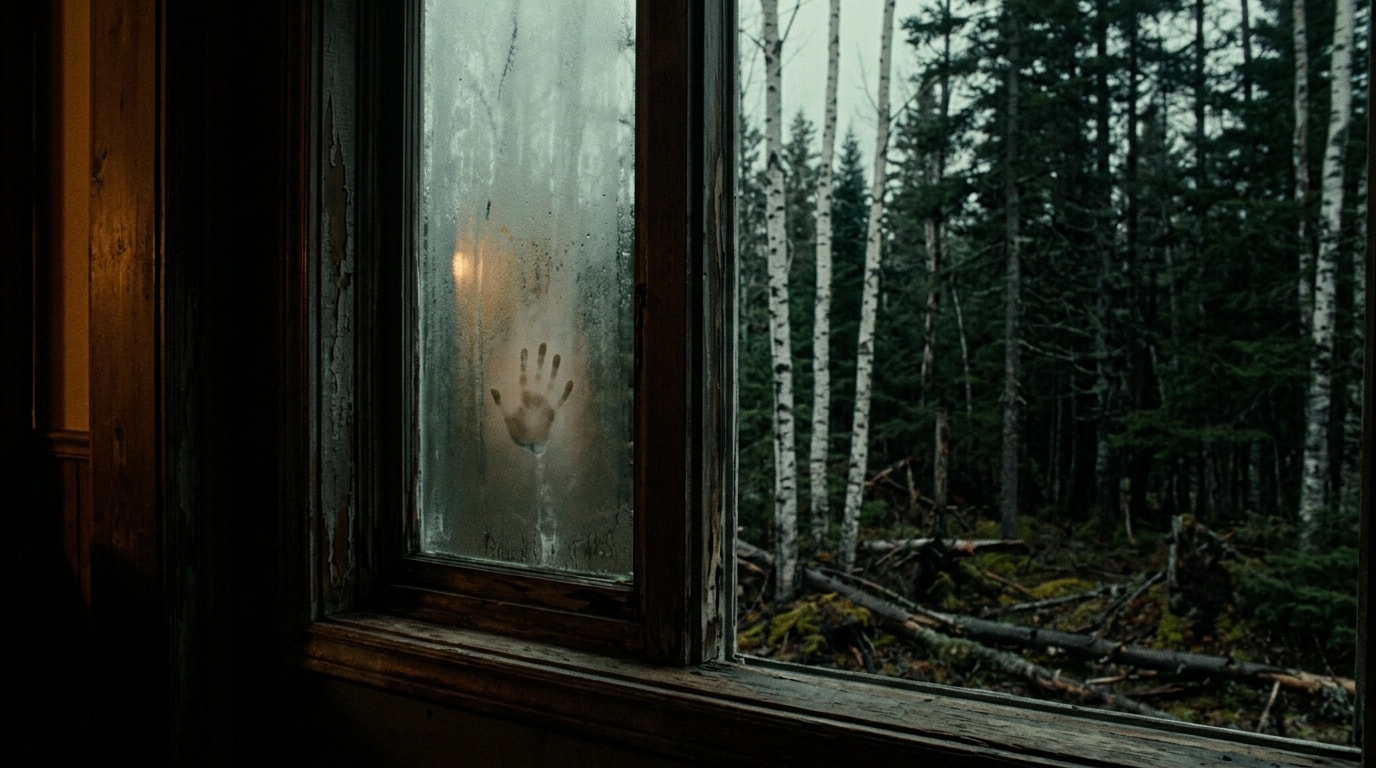
The Boy in White is not an unexplained anomaly but an agent of selective contact, and his choice to shush Ethan rather than any adult suggests the town's deepest communicative layer is being deliberately routed away from the residents most convinced they are close to understanding it.

Two Cars Together: A Long-Broken Pattern
The Matthews family's dual arrival broke a long-established intake pattern, and that break is likely not incidental but structurally significant to whatever mechanism governs who enters the town and when.
The Creatures Know More Than They Should
The creatures' knowledge of individuals like Julie is not omniscient but experiential, derived from prior encounters that residents cannot remember but the creatures can.
Sara: Agent of the Creatures From Within
This theory holds that Sara is not simply mentally ill but is in some meaningful relationship with the creatures, either because her psychological state renders her immune to their manipulation or because they have found a way to direct her actions from inside Colony House.