Anghkooey Is a Command Woven Into Township Mechanics
THE ARGUMENT
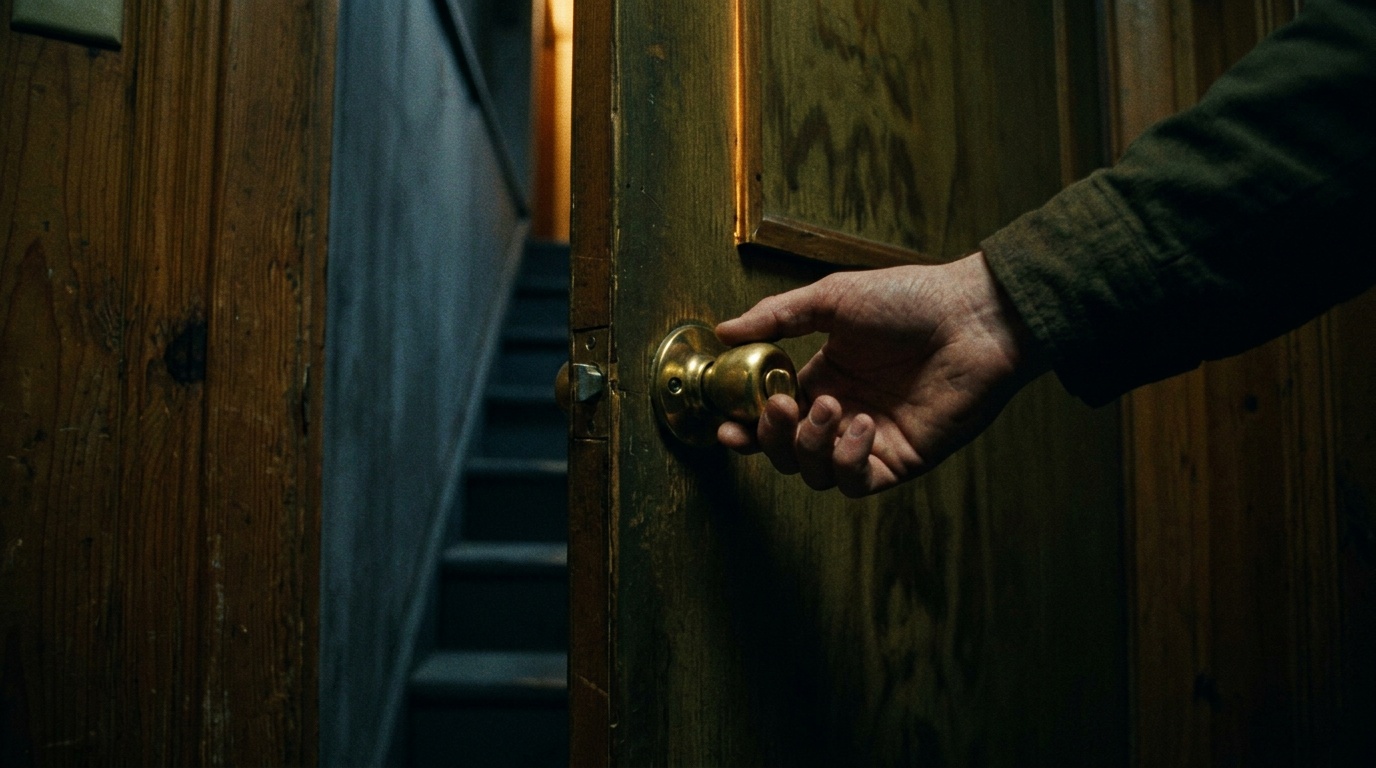
The Colonial Man's utterance of 'Anghkooey' functions as a command in the Township's operational language, one that works on the listener below the level of comprehension and steered Jade toward the hidden basement door before he could recognize he was being directed. If the word belongs to the same substrate as the Township's visual symbol system, then the Township does not persuade its residents to go where it needs them. It instructs them in a language they cannot refuse because they cannot parse it. The precondition for escaping the cycle may be recognizing that the grammar exists, which none of the current residents have yet done.
How This Theory Works
The Colonial Man's utterance of 'Anghkooey' may have already functioned as a command before Jade understood what was happening to him. This is the specific mechanism the show has not addressed: whether the word operates on the listener regardless of comprehension, the way a trigger works rather than the way a message works. If 'Anghkooey' is part of the Township's operational language, it does not need to be understood to be obeyed. Jade does not speak whatever substrate the Township runs on. He responded anyway.
The Township has consistently demonstrated that it runs on rules, and those rules appear to have a language. The symbols on the rocks, the children's drawings, the Faraway Tree, Victor's notebooks, all suggest a system of communication that predates the current residents. A specific spoken word deployed by a recurring historical figure fits that pattern. 'Anghkooey' may belong to the same register as those visual symbols: not English, not random, but part of whatever substrate the Township uses to encode its demands and permissions. The Colonial Man is not a random apparition but one of Jade's past lives, which means he carries knowledge of the cycle from inside it. When he speaks, he is not a bystander offering information. He is a previous iteration of the same person, which raises the question of whether 'Anghkooey' is being passed down through the cycle rather than issued from outside it.
The sequence is tight and the tightness is the argument. The word is spoken, the blood is drunk, the past lives are revealed, and Young Jade leads him directly to a hidden door. If the word is a command that functions below comprehension, then Jade's sense of following his own curiosity into that basement is the precise illusion the Township requires. The door was always the destination. The vision was the route. What has not been resolved is whether any resident who hears 'Anghkooey' would arrive at the same door, or whether the command is specific to whoever carries Jade's particular thread through the cycle.
Is this theory convincing?
Key Evidence
Colonial Man Speaks During Pivotal Vision
During Jade's hallucinatory sequence, the Colonial Man appears among gathered apparitions and utters the specific word 'Anghkooey,' the only non-English vocalization attributed to him across the series.
Word Delivered Mid-Ritual Sequence
The utterance occurs between the appearance of Young Jade playing violin and the impaled man offering a skull of blood, positioning it as a functional element within the vision's internal progression rather than ambient noise.
Colonial Man as Recurring Historical Figure
The Colonial Man is one of several historical-era figures Jade sees playing violin on the Colony House porch, later identified as past lives, suggesting the Colonial Man operates with knowledge of the cycle rather than as a random apparition.
Vision Sequence Ends at Hidden Door
Jade follows Young Jade through the basement immediately after the full vision sequence that included the 'Anghkooey' utterance, and uncovers a previously hidden door, suggesting the sequence was directional rather than merely informational.
This theory was evaluated using Theory Atlas editorial standards, including evidence review, narrative fit, and competing interpretation analysis. Learn how Theory Atlas evaluates theories →
Other Theories for S4E05
Townspeople, Not Creatures, Are the Killers
The townspeople, not the creatures, are the killers in every cycle, and the Township's controlling force has structured this outcome deliberately, using community fear as the mechanism that eliminates Jade each time he approaches understanding the system.
The Township Assigns Its Victims Roles, Not Deaths
Jade and Tabitha are not simply trapped in a repeating loop; they are assigned specific, distinct failure points the Township returns them to across cycles.

The Lake Holds Nightmares Until Their Owner Dies
The Township does not produce its own monsters.

Sophia Weaponizes Touch to Inflict Visions
Sophia deliberately weaponizes physical contact to force targeted individuals into escalating dungeon visions, and she is selecting her moments with the precision of someone who understands exactly what the ability does and wants maximum psychological damage.

Tabitha's Childhood Grief Birthed the Lake Dolls
The lake dolls are not native Township creatures but manifestations of a specific human grief: a childhood memory tied to Tabitha's father, whose nightmares escaped the lake only after his death.
The Mushrooms Route Jade to Real Answers
The township's information architecture is only accessible through an altered state, making the mushrooms a deliberate navigational key rather than an accidental psychedelic.
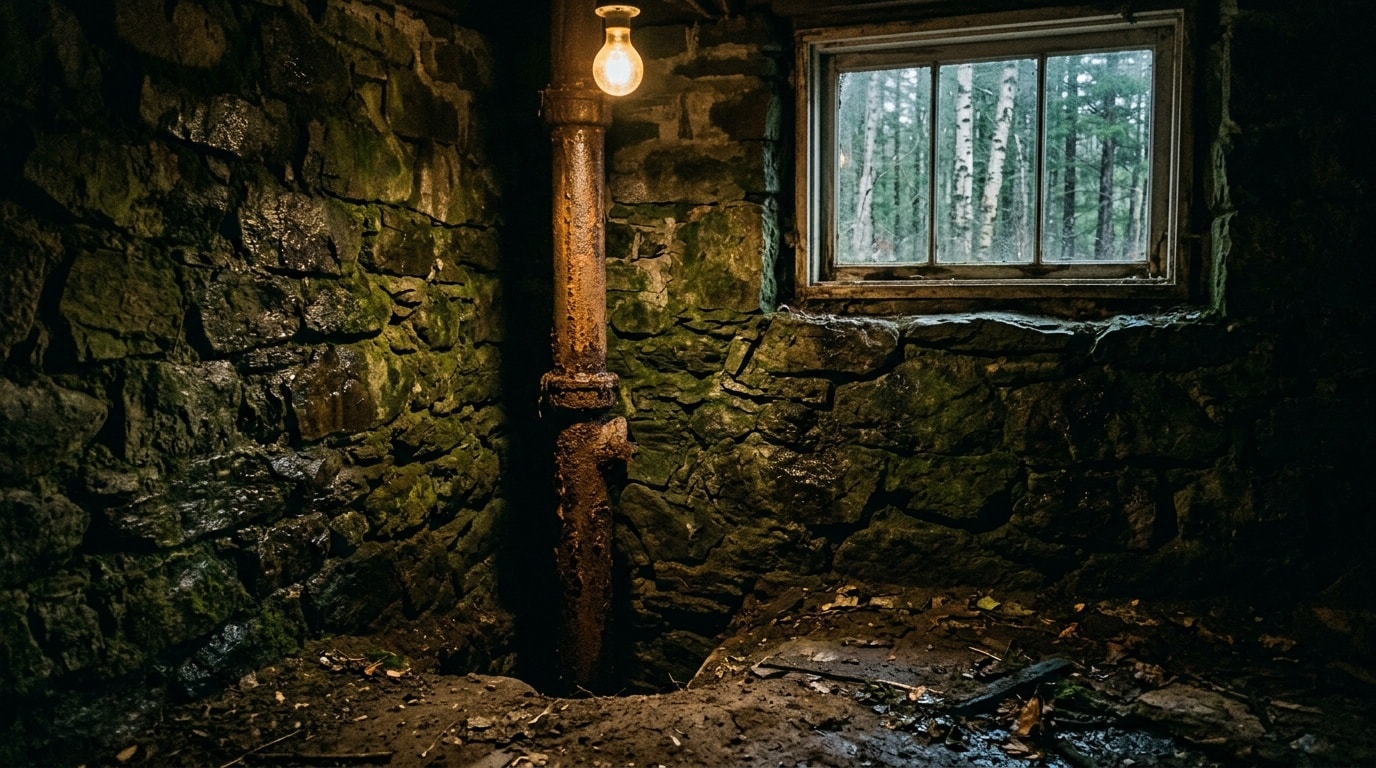
Jade's Basement Door Hides Murdered Children's Bones
The bones beneath Colony House are the physical remains of Jade's murdered past lives, deposited there by the Township as part of an active ritual circuit that sustains whatever haunts this place.

Tabitha's Fate Is Worse Than Murder
Tabitha's fate across cycles is worse than Jade's because it may deny her the release that even repeated murder provides.