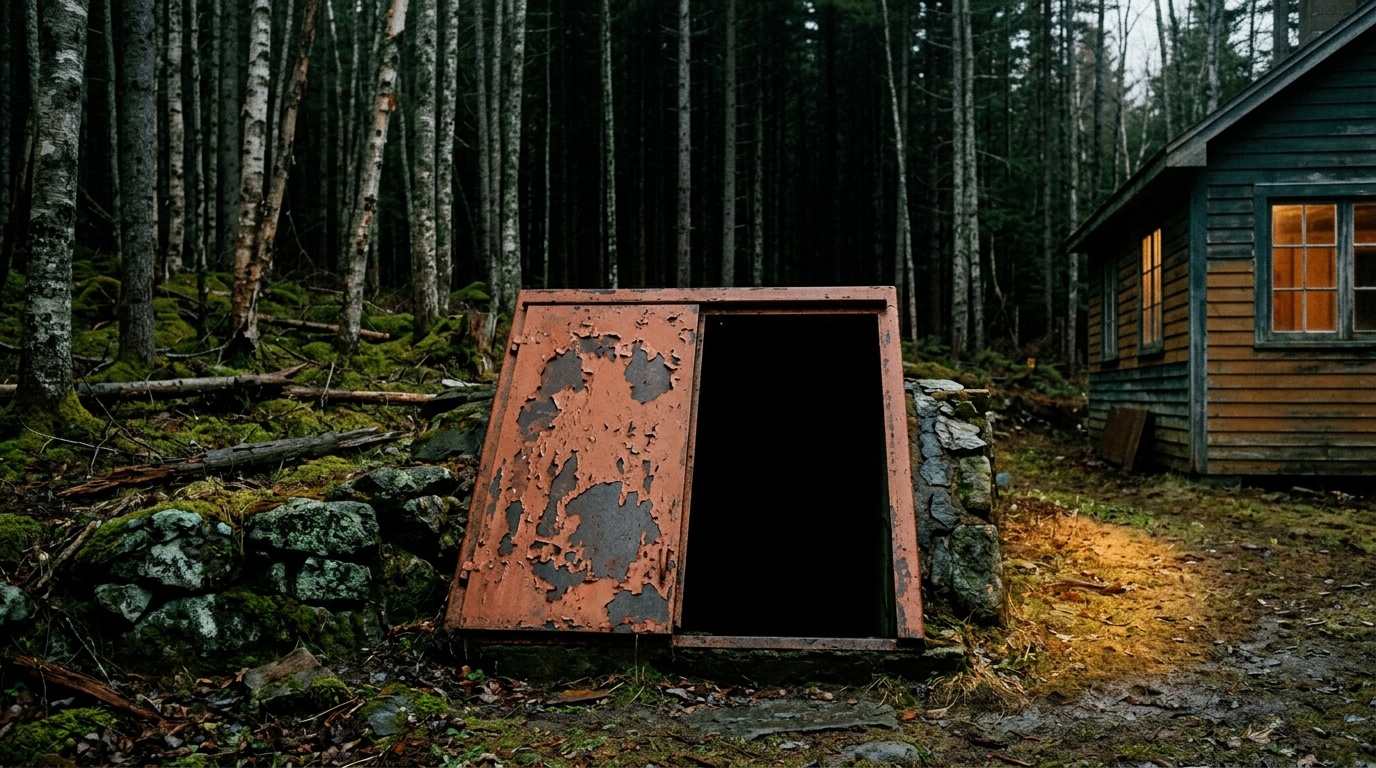
Boyd's Sledgehammer Confirms Jade's Vision
THE ARGUMENT
Retrieving the bones of the Ghoulish Children through the tunnels will actually unbind their spirits from the township. That claim has not been confirmed, but the discovery of the basement door transfers the full evidentiary weight of Jade's mushroom-vision framework onto it. The show has now made Jade's altered-state knowledge operationally load-bearing, and the only honest resolution is to send someone through that tunnel.
How This Theory Works
The basement door is not the endpoint of Jade's argument. It is the mechanism by which his most consequential unconfirmed claim becomes credible. Jade has argued that the township was built on a sacrifice, that the bones of the Ghoulish Children anchor their spirits to the place, and that retrieving those bones is the operative mechanism for unbinding them. Boyd dismissed this as suicide. The show has now confirmed the door Jade said would be there, behind a wall Jade said was surface concealment rather than terminus. That accuracy does not just validate the vision. It transfers evidentiary weight to the entire framework the vision was part of.
What the mushroom-induced perception demonstrated is that it functions as reliable structural intelligence about the township's concealed architecture. The vision was right about the wall. It was right about the door. But the basement is not the only site where the township's architecture has been discovered to suppress rather than merely hide what lies beneath it. Tabitha's excavation points in the same direction: the township's concealed understructure is not incidental. It is designed. The physical suppression of access, the wall in front of Jade's door and the floor above Tabitha's dig, reflects a system that has consistently buried its operative mechanisms below the level where the community's surface understanding can reach them. Boyd holds a confirmed passage and no remaining ideological ground to refuse the destination.
The Children themselves complicate this further. If they are active agents who route information through specific physical locations with intentional purpose, the tunnel is not just a path to bones. It is infrastructure the Children may have anticipated, or even arranged. That reframes the bones claim: retrieving them would not be an action taken against the Children so much as an action the Children's own architecture has been directing survivors toward. The mushroom vision, Tabitha's basement, the routing of specific memories to specific recipients at specific coordinates, these are all the same pressure expressed through different instruments. The township is pointing. Jade is the only character who has been reading the signal correctly.
The sharpest implication is this: if the bones claim is wrong, the confirmed door means almost nothing narratively. The show has invested too much structural weight in validating Jade's framework to then have the tunnel lead nowhere. Jade's altered-state knowledge has been repositioned as the township's primary instrument of discovery, and the bones are what that instrument is pointing toward. The show is not just accountable for following the tunnel mission through. It is accountable for what happens when someone actually finds what is down there.
Is this theory convincing?
Key Evidence
Stone Wall Cleared, Door Revealed
Boyd takes a sledgehammer to the stone wall in the Colony House basement where Jade said a door would be, and finds an actual door behind it, directly confirming Jade's vision.
Jade's Initial Dismay at Wall
When Jade removes the debris from the wall and finds only stone, his dismay establishes that the vision pointed to something hidden rather than something imagined, setting up the sledgehammer reveal.
Bones Anchor the Children's Spirits
Jade argues that the township was built on a sacrifice and that the bones of the Ghoulish Children may anchor their spirits, framing the tunnel mission as the necessary next step through the newly confirmed door.
Boyd's Skepticism Systematically Dismantled
Boyd dismisses Jade's plan as suicide throughout the episode, but his decision to break the wall himself signals that the confirmed door has shifted his operational calculus even without full ideological buy-in.
Mushroom Vision as Architectural Key
The door's existence behind the wall validates Jade's earlier mushroom-induced perception as accurate structural intelligence about the township, connecting the altered-state framework to a concrete physical discovery.
Donna's Crisis Accelerates Boyd's Action
Boyd retrieves the monitor wires from the shed in the same sequence where the basement confirms the door, suggesting that Donna's heart attack creates the pressure that moves Boyd from argument to action.
This theory was evaluated using Theory Atlas editorial standards, including evidence review, narrative fit, and competing interpretation analysis. Learn how Theory Atlas evaluates theories →
Other Theories for S4E06
Fear Dies With You, Then Walks
Every death inside the Township does not end a fear but releases it, converting the dying person's nightmares into a new lethal entity inside the Forest.
Sophia's Blood Is Henry's Breaking Point
Sophia is running a proven destabilization protocol on Henry, the same method that drove Abby to violence, and she timed it for the precise moment every person capable of containing the fallout has been removed from position.

Sophia's Blood Seals Henry as Target
Sophia's blood in Henry's drink was not a poisoning but a ritual transfer, designed to bind him to the same force she serves or embodies, using his grief over the Man in Yellow as the psychological aperture the act requires.
Donna's Body Broke Where Her Armor Did
Donna's heart attack was triggered not by cumulative stress but by the specific realization that nightmares had become undefendable threats, exposing that her composure was never emotional resilience but absolute dependence on the existence of manageable protocol.
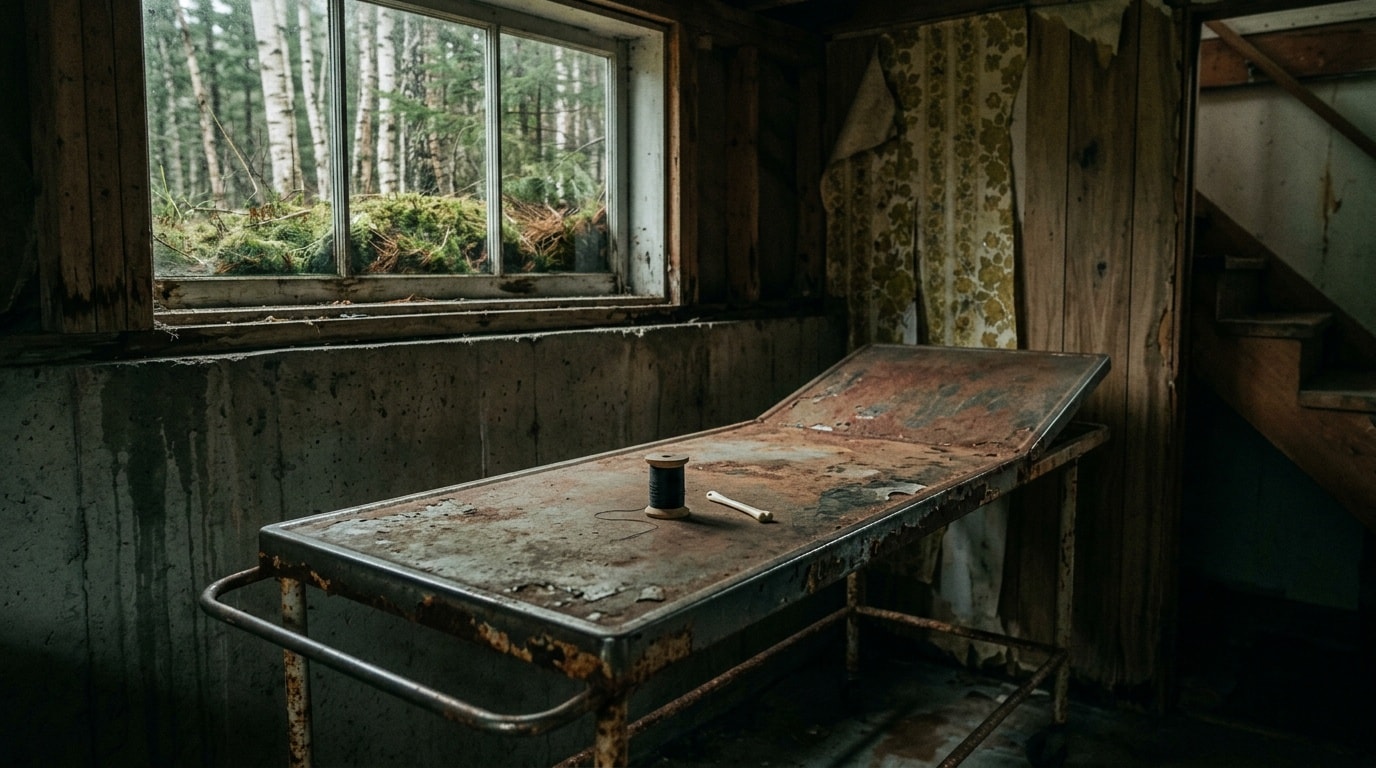
Roger's Corpse Was Remade as a Doll
The dolls are converting the Township's dead into their own kind, not killing indiscriminately but performing a repeatable ritual that remakes corpses in the image of the attackers.

The Bones Mission Costs More Than Boyd Knows
Jade's bones mission is structurally compromised before it begins because it depends on an assumption the show has never validated: that the town wants the Ghoulish Children disturbed.
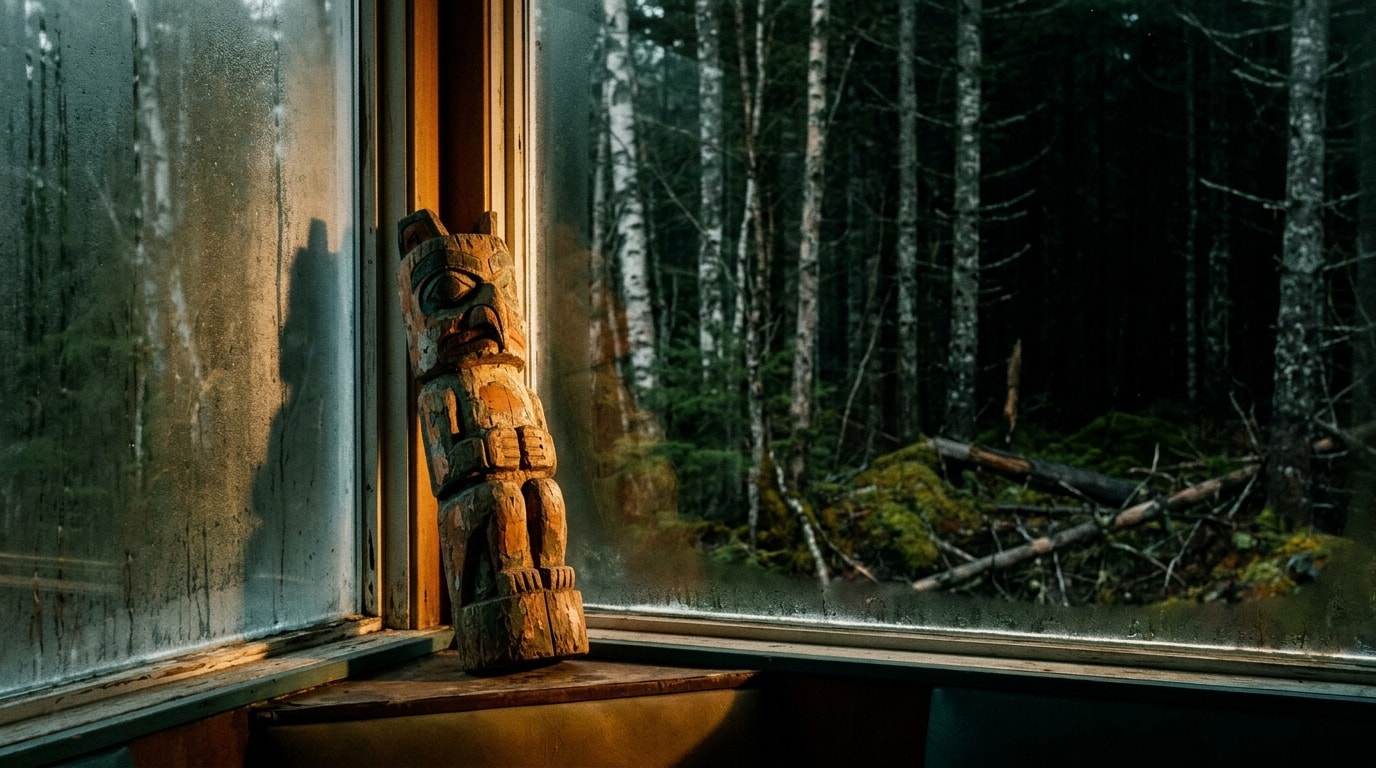
Totems Kill Only What Someone Believed They Could
Totem effectiveness is not intrinsic to the objects but contingent on what prior believers encoded into the Forest's rules, meaning Totems only work against the specific dimensions of a threat that someone once feared and believed could be stopped.
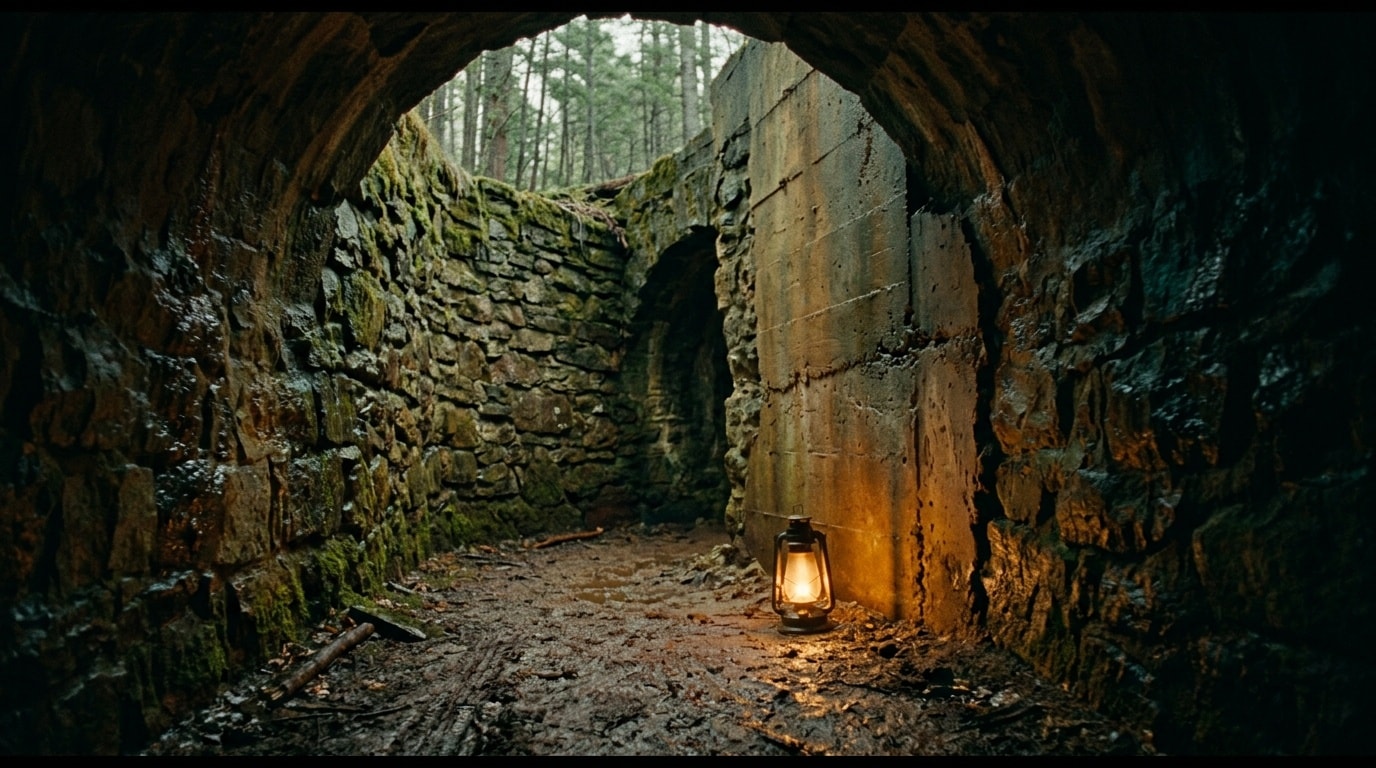
The Door Exists Somewhere Else
Jade's mushroom vision was accurate.