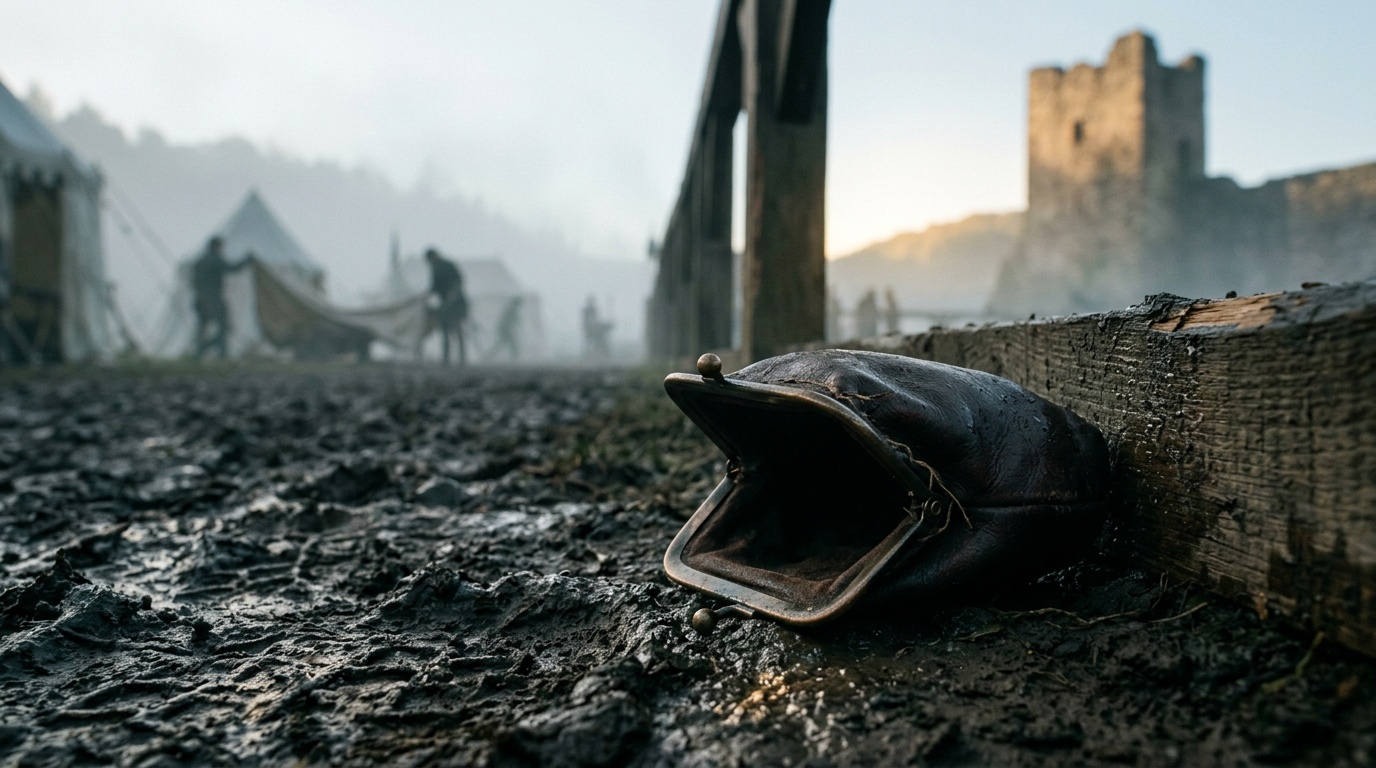
Dunk's Refusal Will Cost Him Everything
THE ARGUMENT
Dunk refuses Plummer's scheme not because he has weighed the cost and accepted it, but because he cannot psychologically afford to weigh it at all. His knighthood is the only thing he possesses, and to treat it as negotiable would be to acknowledge it was never fully real. That refusal, dressed as integrity, has eliminated his only financial protection in a tournament already operating outside the rules he is trying to honor.
How This Theory Works
Dunk does not refuse Plummer's scheme because he fails to understand it. He refuses because he cannot afford to understand it. His identity as a knight is the only thing he possesses, and accepting the arrangement would require him to acknowledge that the identity itself is negotiable. The refusal is not a moral choice made from a position of security. It is a psychological defense mechanism dressed as virtue. Dunk cannot let himself weigh the actual cost-benefit because to do so would be to admit that his knighthood is a performance he is barely sustaining rather than a status he has earned.
The mechanics of what Plummer offered matter precisely because Dunk did not engage with them. Plummer was not asking Dunk to lose. He was describing a financial structure in which Dunk would be protected regardless of outcome, a silent partnership in which the betting gains flow back to Dunk. This was not a bribe to corrupt the result. It was an offer of insulation from a system already operating corruptly around him. Dunk's refusal eliminated the one buffer between his current condition and total ruin without replacing it with anything except the hope that he wins every single bout in a tournament he has never entered.
Aerion's deliberate destruction of Hardyng's horse in the same episode is not incidental color. It is structural evidence that the contest Dunk has now staked everything on is not governed by the chivalric code Dunk is attempting to honor. Dunk is competing on corrupt ground, with no financial fallback, against opponents who do not share his constraints. His refusal did not elevate him above the corruption. It left him exposed inside it, with fewer resources than anyone else and a self-conception he cannot psychologically afford to revise.
What the show frames as a character-defining moment of integrity is also a man flinching from the one honest calculation that would have broken him: the calculation that his honor costs more than he can pay.
Is this theory convincing?
Key Evidence
Dunk's Direct Refusal Dialogue
When Plummer presents the scheme, Dunk responds that he will not have a victory that is not earned, making his position explicit and unambiguous.
Plummer's Financial Warning
Plummer explicitly tells Dunk that he could lose all he possesses if he loses at any point in the tourney, framing the refusal as a rejection of financial protection, not just a bribe.
Dunk's Precarious Material Situation
The episode establishes Dunk's poverty through his inability to afford anything beyond hard salt beef, underscoring how much he stands to lose if the tourney goes against him.
Aerion's Deliberate Corruption of the Joust
Aerion intentionally aims his lance at Hardyng's horse rather than the rider, demonstrating that the tournament Dunk is staking everything on is already operating outside the chivalric rules Dunk is trying to honor.
Egg's Conditional Squire Request
Before Plummer interrupts, Dunk is about to agree to let Egg remain as his squire after the tourney, a moment that makes the stakes of losing the tourney concrete and personal rather than abstract.
Refusal Framed as Character-Defining Commitment
Multiple sources identify Dunk's refusal not as impulsive reaction but as a deliberate statement of values, with the show presenting it as the moment his core character trait becomes fixed.
This theory was evaluated using Theory Atlas editorial standards, including evidence review, narrative fit, and competing interpretation analysis. Learn how Theory Atlas evaluates theories →
Other Theories for S1E03
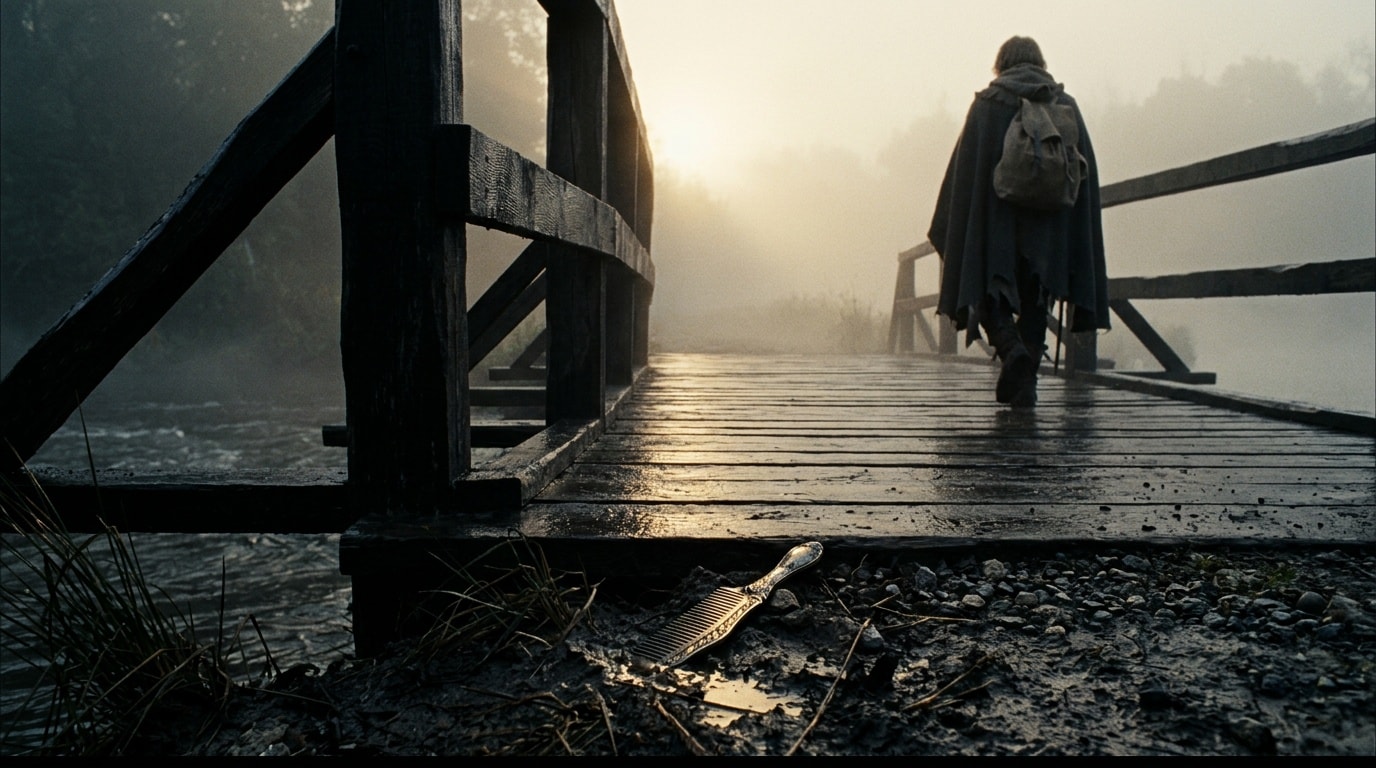
Egg Organized His Entire Life on the Road Around Two Fears He Could Not Speak Aloud
Egg did not shave his head to hide from the Targaryens as a category.
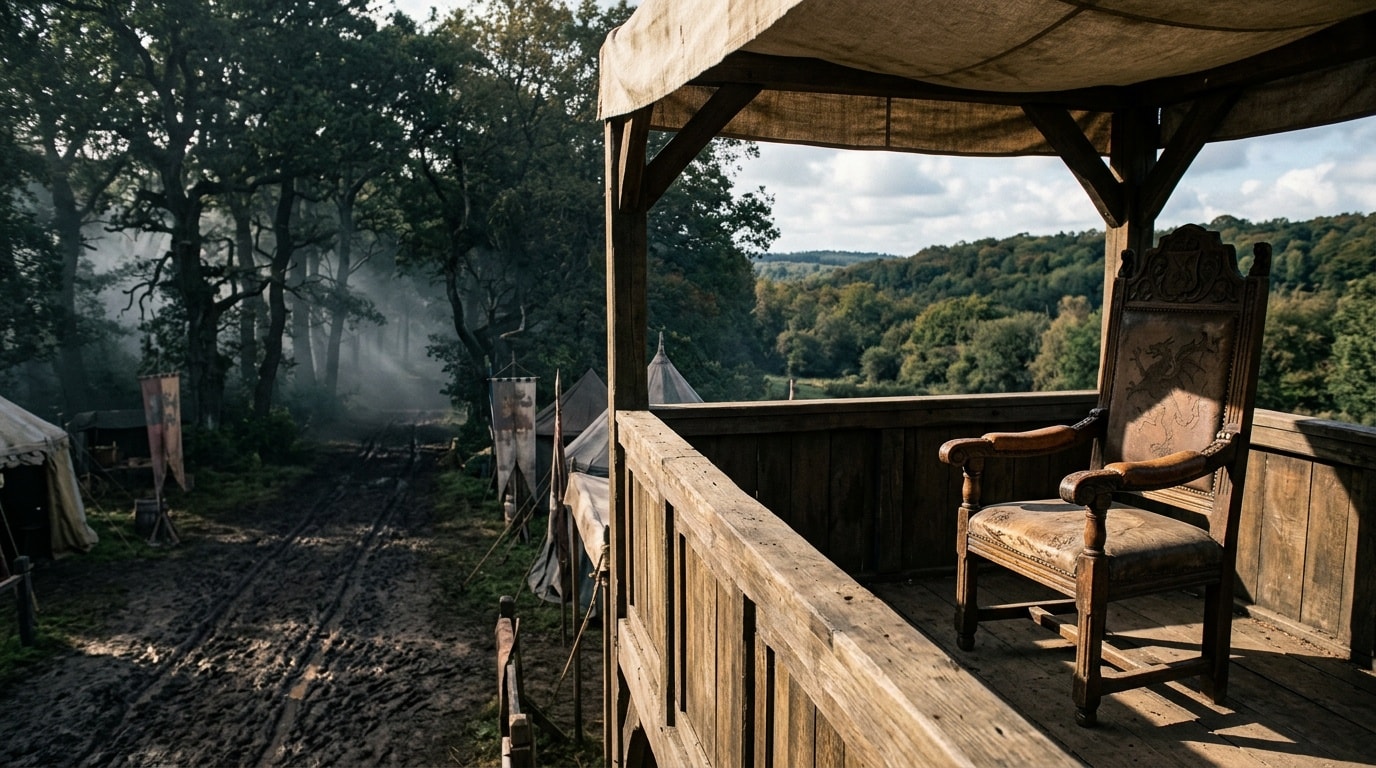
Maekar's Empty Seat Signals a Family Crisis
Maekar's empty seat in the royal viewing box marks a dynastic emergency: his eldest sons departed for Ashford days ago and never arrived, pulling him off the tournament grounds to search for them at the precise moment his youngest publicly disgraces the family.