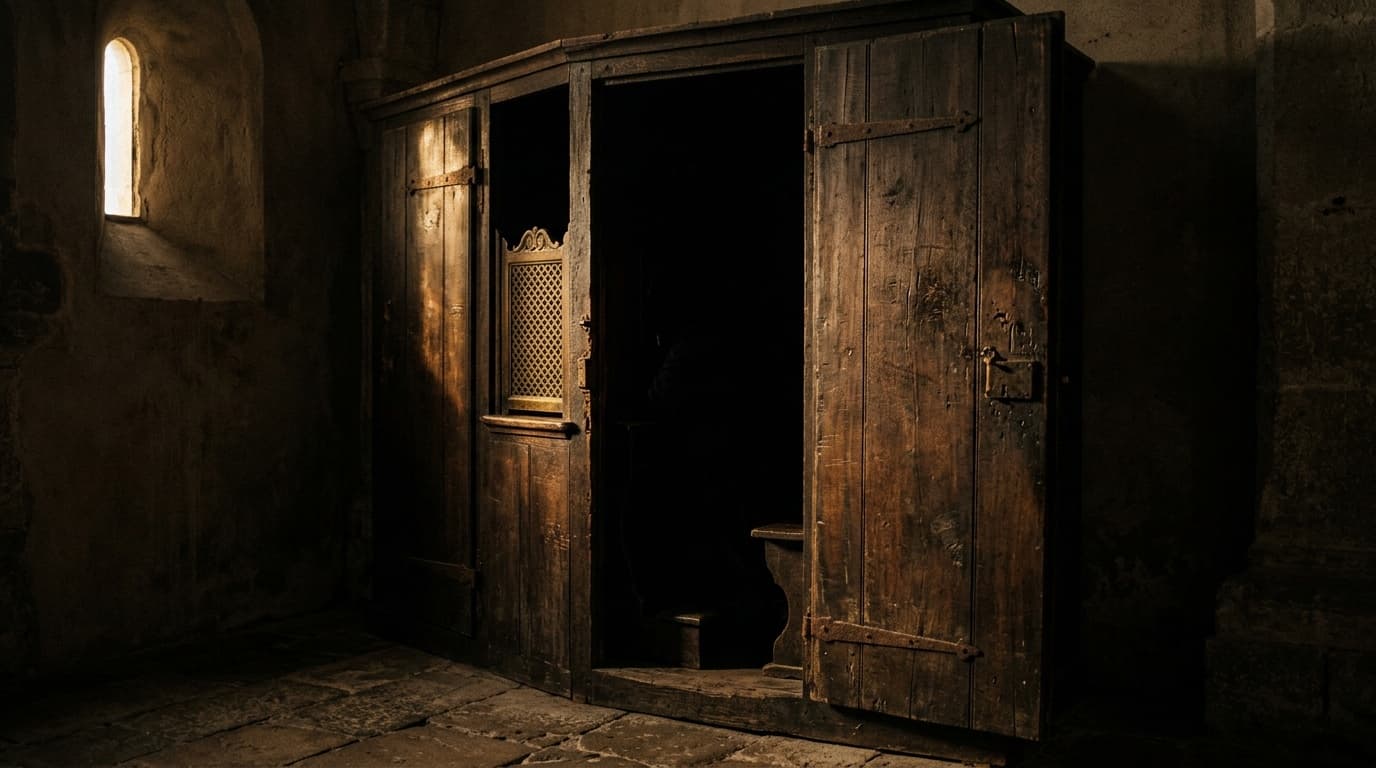
Dunk's Moral Sincerity Is the One Thing the Westeros Architecture Was Never Built to Stop
Plausibility Score
(?)Convinced
(?)#251
of 1000 theories
Theory Ranking
(?)READER VERDICT
Is this theory convincing?
Trend builds after 10 votes.
Be among the first to weigh in.
THEORY ASSESSMENT
Episode 4 directly supplies three scenes where Dunk's moral directness produces honesty or silence from higher-ranking characters, giving the theory strong grounding in confirmed events, though the broader claim about systemic disruption requires inference beyond any single scene.
STORY CONTEXT
Where does a Flea Bottom orphan learn to be more honorable than princes? Theories range from Arlan's teachings to repressed memories of Dunk's unknown parents to the idea that his code is entirely self-constructed.
WHY THIS MATTERS
If the show commits to this argument, it rewrites what Westeros stories are permitted to conclude: not that sincerity is a liability the powerful exploit, but that unconditional goodness is the one force the entire architecture of performed loyalty and strategic virtue was never engineered to stop. The shield is not decoration. It is the narrative placing a public bet on what its protagonist is made of.
ALTERNATE INTERPRETATION
The simplest counterreading is that Dunk is a good man in a corrupt world and the show is content to leave it there, using his decency as emotional contrast without building toward a structural argument. On that reading, Baelor's silence and Egg's confession are character moments, not evidence of a mechanism. The problem with that reading is the rat. A show comfortable with simple goodness does not need to establish that the goodness is unconditional and unobserved. That detail is doing work, and the question is what work it is doing.
Adjacent Reading — Not a Competing Theory
Other Theories for S1E04
Baelor Chose Honor Over Blood
Baelor Targaryen's support for Dunk is not honor overcoming politics but a calculated displacement of his own unresolvable conflict: he has privately concluded that legitimacy derives from conduct rather than birth, but he will not say so and survive, so he engineers a legal mechanism that might say it for him.
Nobody Wants to Fight a Targaryen
The trial of seven is a mechanism for converting Targaryen political dominance into a legal verdict: if no knight will risk royal displeasure to stand beside Dunk, that silence becomes proof of his guilt.

Dunk's Hesitation Discloses a Broken Chain: Two Fabricated Legitimacies, One Shared Silence
When Dunk says 'I shouldn't' before knighting Raymun, the show covertly discloses that Ser Arlan never formally knighted him, leaving a broken chain of conferral at the foundation of every legal right the episode depends on.
Aerion Thinks He Is Literally a Dragon
Aerion's dragon delusion is confirmed, but what the show has not yet made explicit is its structural consequence: Aerion has exited the shared framework of reality that law, family, and reason operate within, which means every institution trying to check his violence is reasoning in a language he no longer speaks.
Daeron Dreams of Dunk Killing a Dragon
Daeron has foreseen Aerion's death at Dunk's hands, and his drinking and absence from Ashford are not weakness but the behavior of a man who already knows how the trial of seven ends.