
Fatima's Baby Feeds on Decay, Not Life
THE ARGUMENT
Fatima's pregnancy was initiated by the Township for a purpose, and the fetus's demand for decomposing matter over living food is evidence that what is gestating inside her is not biologically human. Her previous infertility, her physiological inversion toward rot, and her own dread all point to a pregnancy whose origin, not merely its symptoms, is the real question. If the fetus is being built on decay, what emerges will be architecture the Township already knows how to feed.
How This Theory Works
Fatima's fetus is not a natural pregnancy affected by stress or environment. It is something the Township produced and is actively sustaining through an alternative biological substrate. Her body does not want fresh protein. It wants rot. That inversion is too specific to read as ordinary morning sickness.
The evidence accumulates in a particular direction. Fatima was unable to conceive before arriving in the Township. She is now pregnant. The Township does not extend ordinary biological courtesies. Whatever overrode her infertility had a purpose, and the nutritional demands of the resulting pregnancy are the clearest window into what that purpose is. A body reprogrammed to gestate something requires the inputs that something needs. Rotten crops are not a craving. They are a supply chain.
Fatima's concealment sharpens this. She goes outside alone and stops when she realizes Tillie is watching. Shame implies awareness that what she is doing is wrong by the standards of the people around her, but she cannot stop doing it. That combination, compulsion plus concealment, suggests the behavior is not chosen. Tillie's offhand reassurance that she had strange cravings during her own first pregnancy functions as a red herring the show plants deliberately. Tillie's experience was human. Fatima's may not be. Fatima herself says she was never supposed to be able to conceive, and now she is terrified something is wrong. Her terror is not a first-time mother's anxiety. It is the correct read of a situation in which she senses, without being able to name it, that her body has been appropriated.
The sharpest implication concerns what the baby requires after birth. If the fetus is currently sustained by decomposing organic matter, the Township is not just enabling the pregnancy, it is building something with specific nutritional architecture. Whatever emerges will have been gestated on rot, which means it may require rot to survive outside the womb as well. The Township is full of decay. It produces it, sustains it, cycles through it. A creature that feeds on decomposition would never need to leave. Fatima's terror is not irrational. It is the most accurate perception in the episode, aimed at something she cannot yet fully articulate: she is not carrying a child. She is carrying a resident.
Is this theory convincing?
Key Evidence
Fatima Eats Rotten Crops Secretly
Fatima declines fresh steak, grows nauseated by the smell, goes outside alone, and eats a pile of rotted crops before fleeing when Tillie notices her.
Fatima Admits Previous Infertility
Fatima tells Tillie she was never even able to conceive before, framing the pregnancy itself as biologically improbable and implying an external cause.
Fatima's Own Fear About the Baby
Fatima tells Tillie she is terrified that something is wrong with the baby, expressing dread that goes beyond ordinary first-time maternal anxiety.
Compulsion Paired With Concealment
Fatima eats the rotten food only when alone and stops abruptly when observed, indicating she recognizes the behavior as abnormal even as she cannot resist it.
Tillie's Reassurance as False Parallel
Tillie claims she also had strange cravings during her first pregnancy, but this comparison normalizes behavior that the episode's visual framing treats as distinctly unsettling.
Fresh Food Causes Nausea, Decay Does Not
Fatima's body rejects normal cooked meat while actively seeking out decomposing vegetables, a physiological inversion that suggests the fetus is driving the preference.
This theory was evaluated using Theory Atlas editorial standards, including evidence review, narrative fit, and competing interpretation analysis. Learn how Theory Atlas evaluates theories →
Other Theories for S3E03

Khatri's Warning Is the Trap's Final Layer
The creatures identified Boyd as Fromville's central stabilizing figure and engineered Tian-Chen's death as a precision extraction, designed to strip him of the discipline and risk-calculus that made him effective and replace both with grief as a steering mechanism.
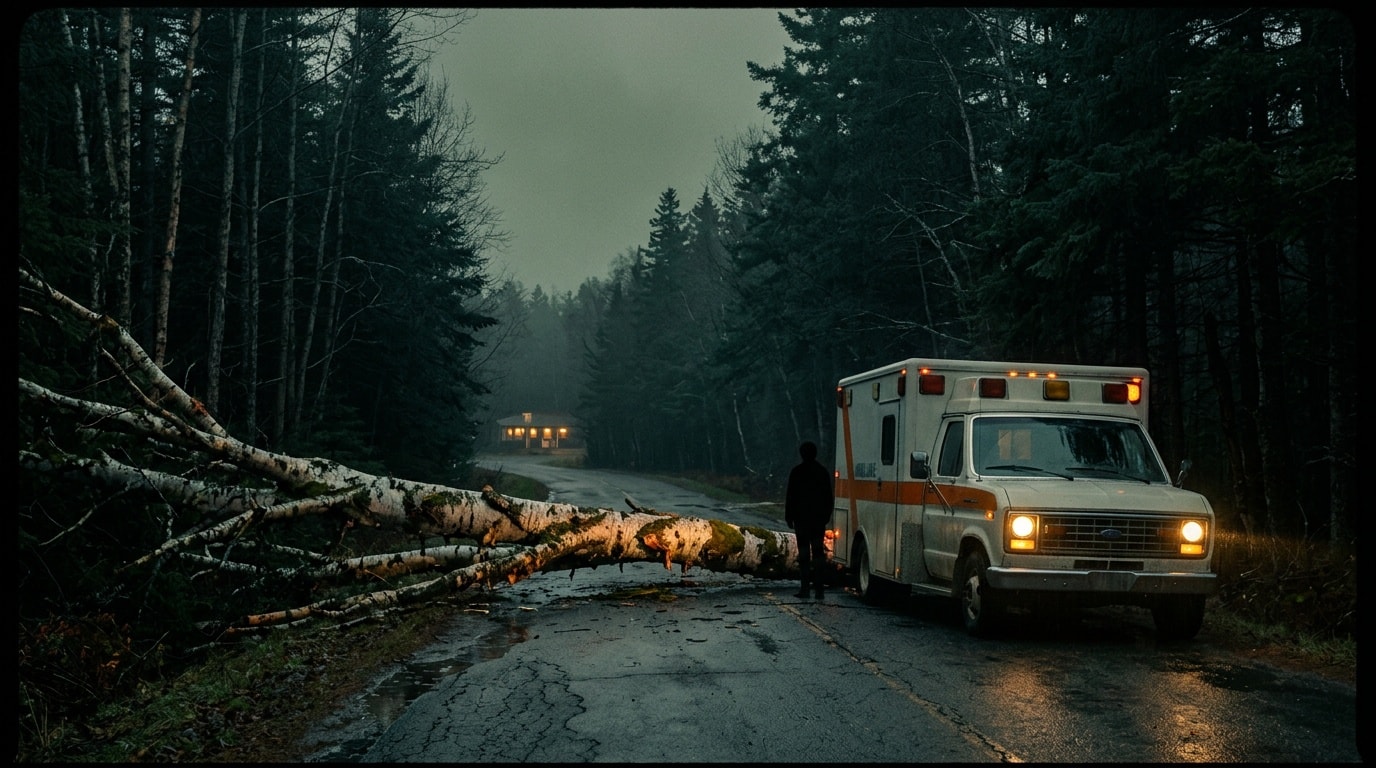
Miranda's Entanglement Made Camden Captive Territory
The Township did not abduct Tabitha's family at random; it completed a process begun years earlier when Miranda first received contact through the original bottle tree installation.
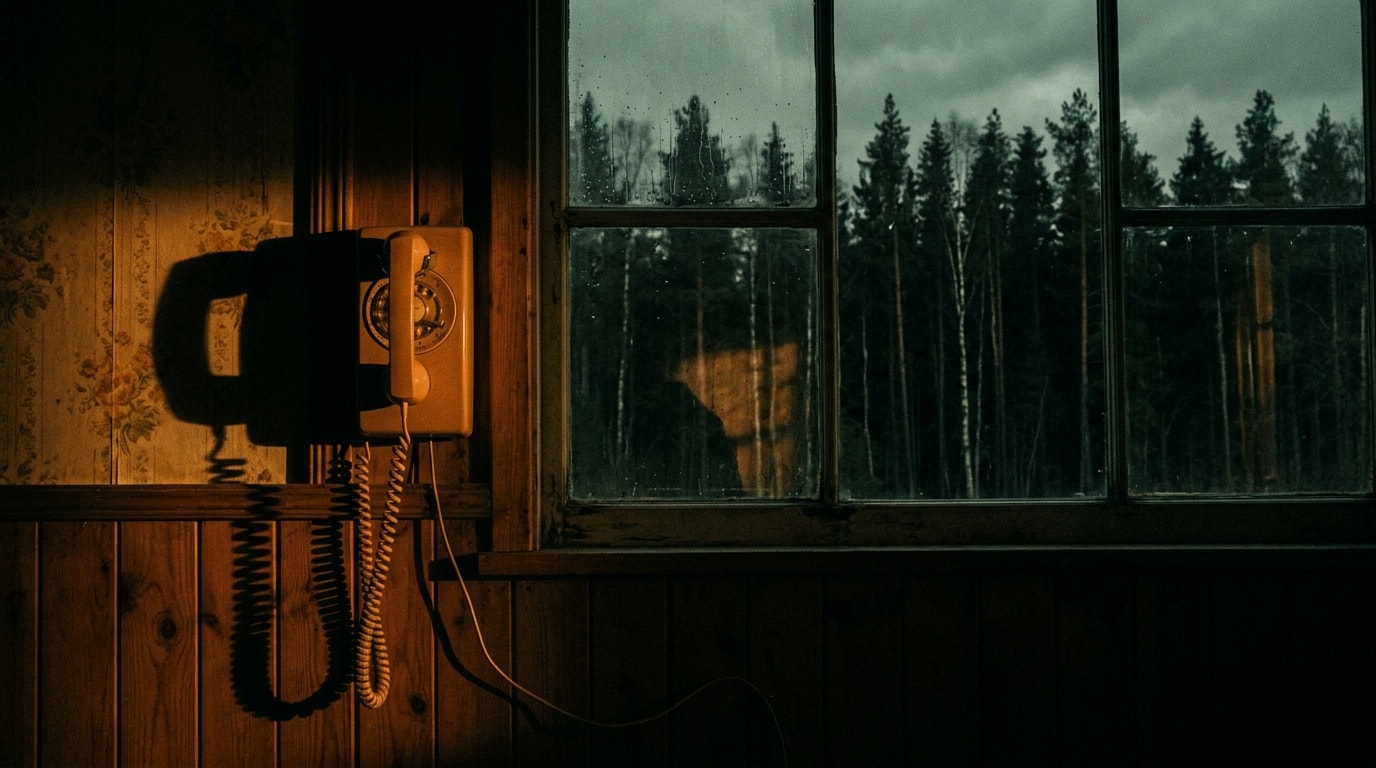
The Phone Voice Knows the Town's Rules
The voice on Jim's phone has synchronized, insider knowledge of the town's nighttime danger threshold and real-time awareness of where his children are, which places it inside the town's organizing system rather than outside it.
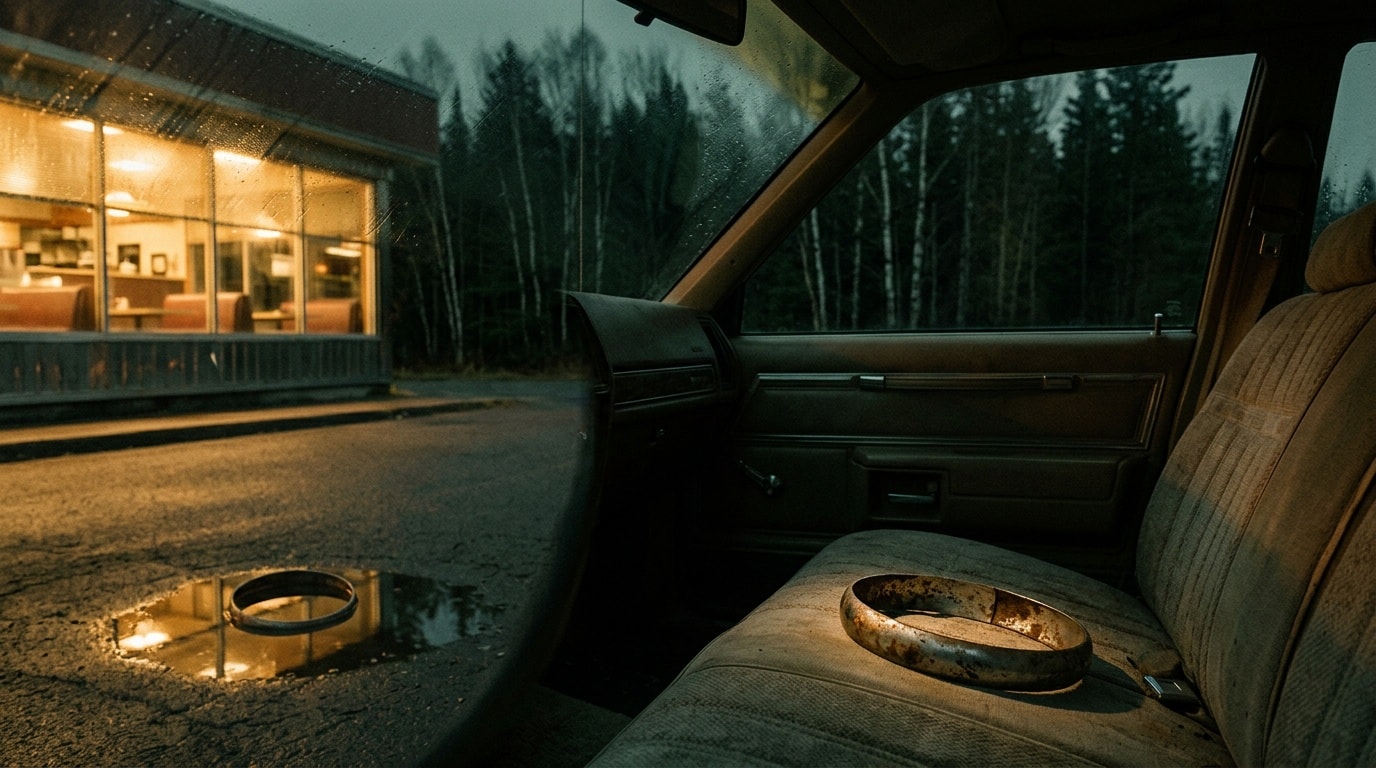
Miranda's Bracelet Proves the Township Followed Tabitha
The Township planted Tabitha-specific artifacts inside Henry's life before Tabitha arrived, which means the trap does not begin at the town limits and Tabitha has not crossed any real boundary.
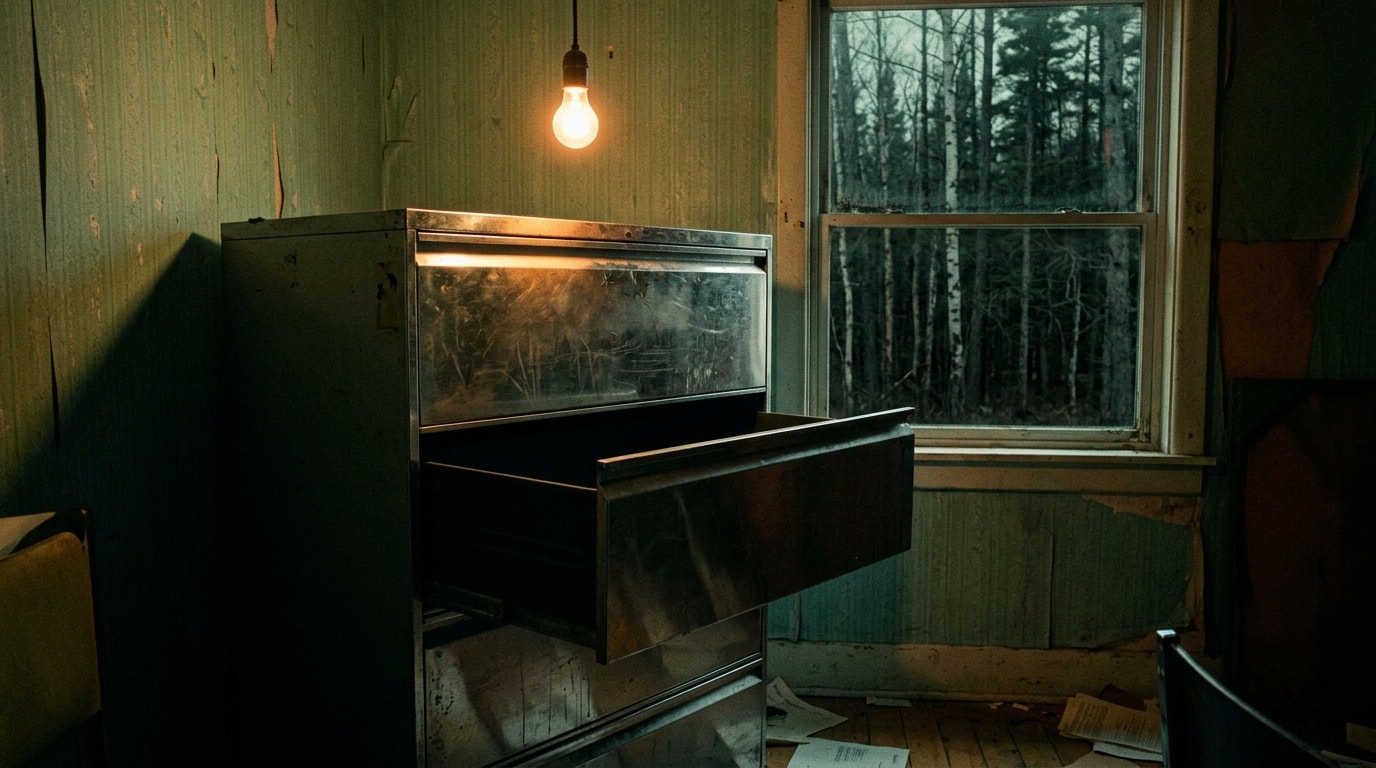
Jade Sees What Others Cannot
Jade is being deliberately recruited by the Township's deeper architecture, not merely afflicted by it, and the spiked man's physical grab marks the moment passive transmission became active demand.
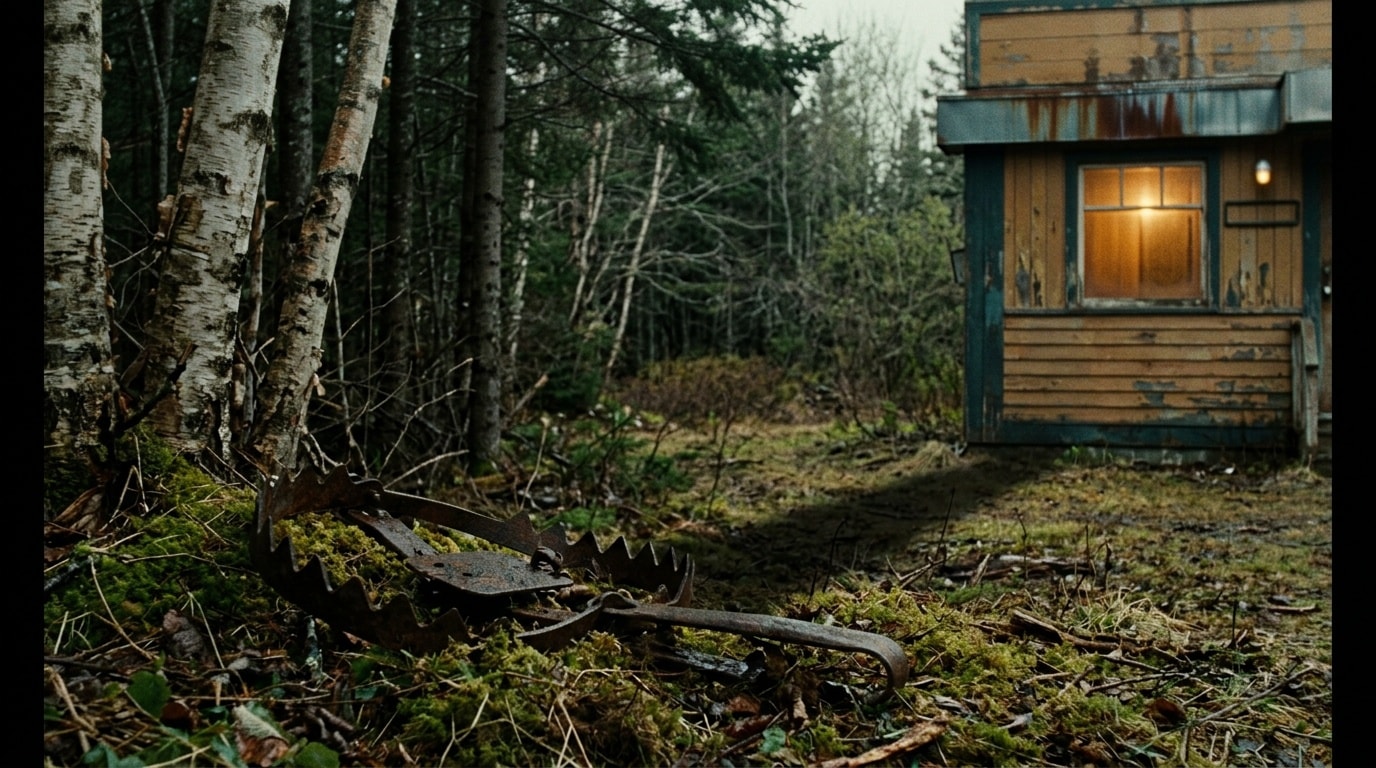
The Forest's Bear Trap Was No Accident
The bear trap that catches Kristi was placed to function as the final step in a behavioral sequence the forest itself initiated, suggesting the Township can engineer outcomes by directing both psychology and terrain.

The Totems Were the First Talismans
The totems at the Log Cabins are an earlier iteration of the talisman system, built by prior inhabitants who failed to escape and left the infrastructure standing for the next cycle of trapped residents.

Victor's Suitcase Holds More Than Stories
Victor is not visiting Sara; he is collecting on a forgiveness he extended strategically, using the blanket fort ritual to deliver something he retrieved from a buried cache in a disclosure Sara cannot refuse without reopening the debt his forgiveness created.