Tabitha Was Targeted Before She Was Born
THE ARGUMENT
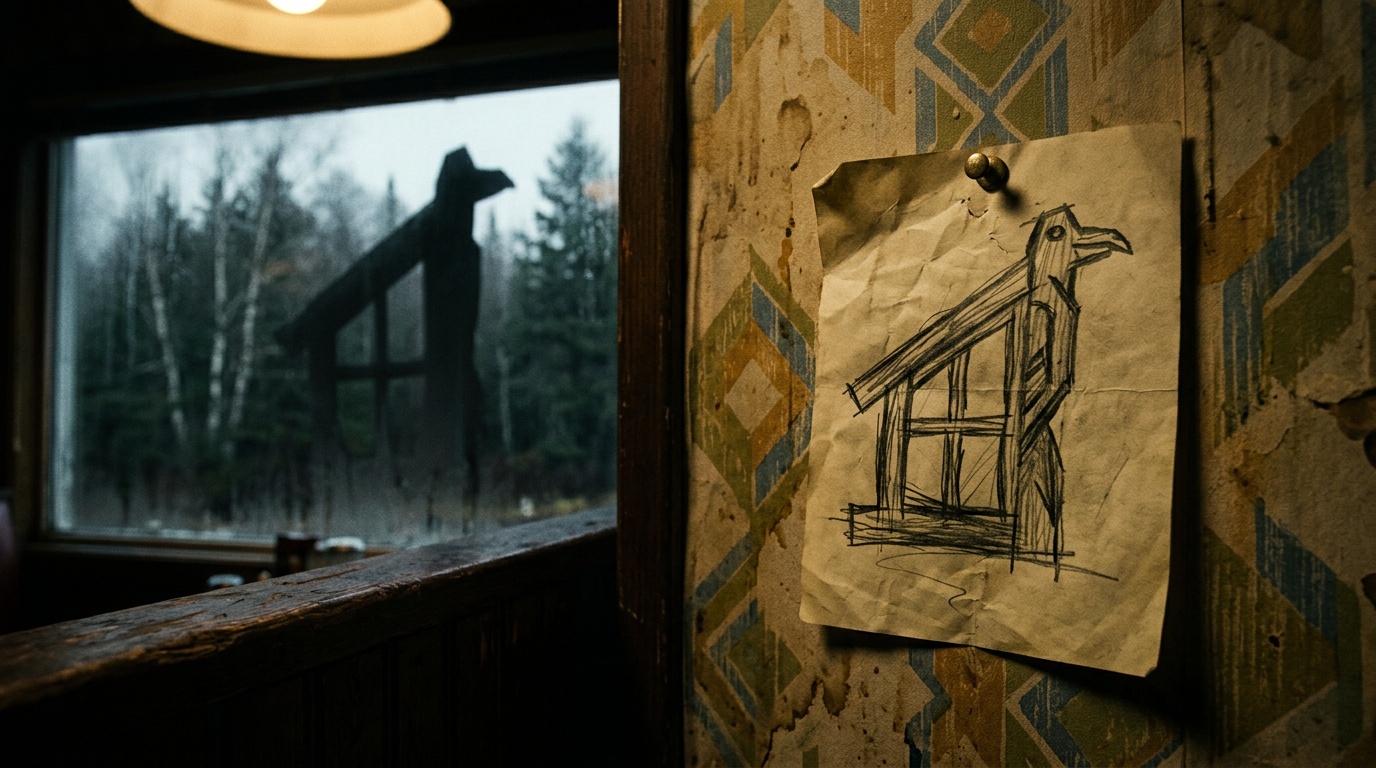
The Township encoded exact physical details of the Settlement into Tabitha's childhood dreams before she had any proximity to the boundary, meaning her arrival was not an accident but the completion of a preparation process that began in her childhood. The pre-arrival specificity of the totem-matching eliminates coincidence and rules out generic symbolic dreaming. The implication is not merely that she was targeted early, but that her interior life was shaped from the outside, making her sense of recognition at the Settlement a symptom of prior manipulation rather than evidence of her own perception.
How This Theory Works
The Township's influence predates physical proximity, and that fact forces a harder question the theory has been circling without landing: Tabitha was not selected because she was a suitable candidate. She was selected because she was already made into one. The childhood dreams did not merely resemble the Settlement; they contained the exact same totems found standing there, with architectural and symbolic accuracy that rules out impressionistic or trauma-derived imagery. A transmission does not go to a random receiver. It goes to a prepared one.
Tabitha herself makes the critical distinction that separates her case from every other vision in the Township. Previous experiences have been explained, however uncomfortably, as the place working on people once they are already inside its boundary. Her childhood dreams precede arrival entirely. Jim's concession on the totem-matching detail is significant precisely because he has been the show's instrument of skeptical resistance. When he agrees the pre-arrival connection warrants investigation, the show is closing off the easier exits.
Jade's free will argument sharpens what the theory has not yet been willing to say directly: the dreams were not a warning and not a prophecy. They were an installation. The Township did not wait for Tabitha to wander close enough to the bottle tree. It encoded specific geographic and symbolic information into her memory before she was old enough to resist it, before any meaningful choice was available to her. That is not targeting. That is manufacture. Which means the harder claim lurking beneath this entire theory is not that the Township reached backward through time to find Tabitha, but that Tabitha's interior life, her dreams, her sense of what feels familiar, her compulsion toward the Settlement once she arrived, was never fully hers to begin with. The Township did not retrieve her. It finished building her.
Is this theory convincing?
Key Evidence
Exact Totem Match in Childhood Dreams
Tabitha explicitly states that her childhood dreams, which recurred for months before she ever arrived in the Township, contained the exact same totems now standing at the Settlement, a specificity that rules out generic dream imagery.
Pre-Arrival Versus Post-Arrival Distinction
Tabitha draws a direct contrast between visions other Township residents have experienced after becoming trapped and her own childhood dreams, arguing that hers originate outside the Township's known sphere of influence.
Jim Concedes the Dreams Are Significant
Jim, who has consistently resisted supernatural explanations for investigative dead ends, ultimately agrees with Tabitha that her childhood dreams warrant serious investigation, treating the totem-matching as evidence he cannot dismiss.
Jade's Free Will Argument
Jade theorizes that because Tabitha was already dreaming of the Settlement as a child, she never truly had free will regarding her arrival; her fate was already encoded before she could have made any meaningful choice to avoid the Township.
Childhood Dreams of Children Fleeing
Tabitha's recurring nightmare included children running from something and hiding behind rocks with the same red totems, suggesting the dreams carried narrative content about the Settlement's function, not merely its appearance.
Tabitha's Physical Arrival at Settlement
Tabitha's decision to travel to the Settlement with Jade and Ethan, driven by the conviction that her childhood dreams are a meaningful data point rather than noise, demonstrates that she treats the pre-arrival connection as actionable evidence.
Settlement Experience Matches Dream
Being physically present at the Settlement registered for Tabitha as matching the dream, reinforcing that the dreams encoded accurate sensory and spatial information rather than symbolic approximations.
This theory was evaluated using Theory Atlas editorial standards, including evidence review, narrative fit, and competing interpretation analysis. Learn how Theory Atlas evaluates theories →
Other Theories for S3E07
The Township's Intake System: The Camera Was the Instrument, the Room Is the Site, and Elgin Has Already Complied
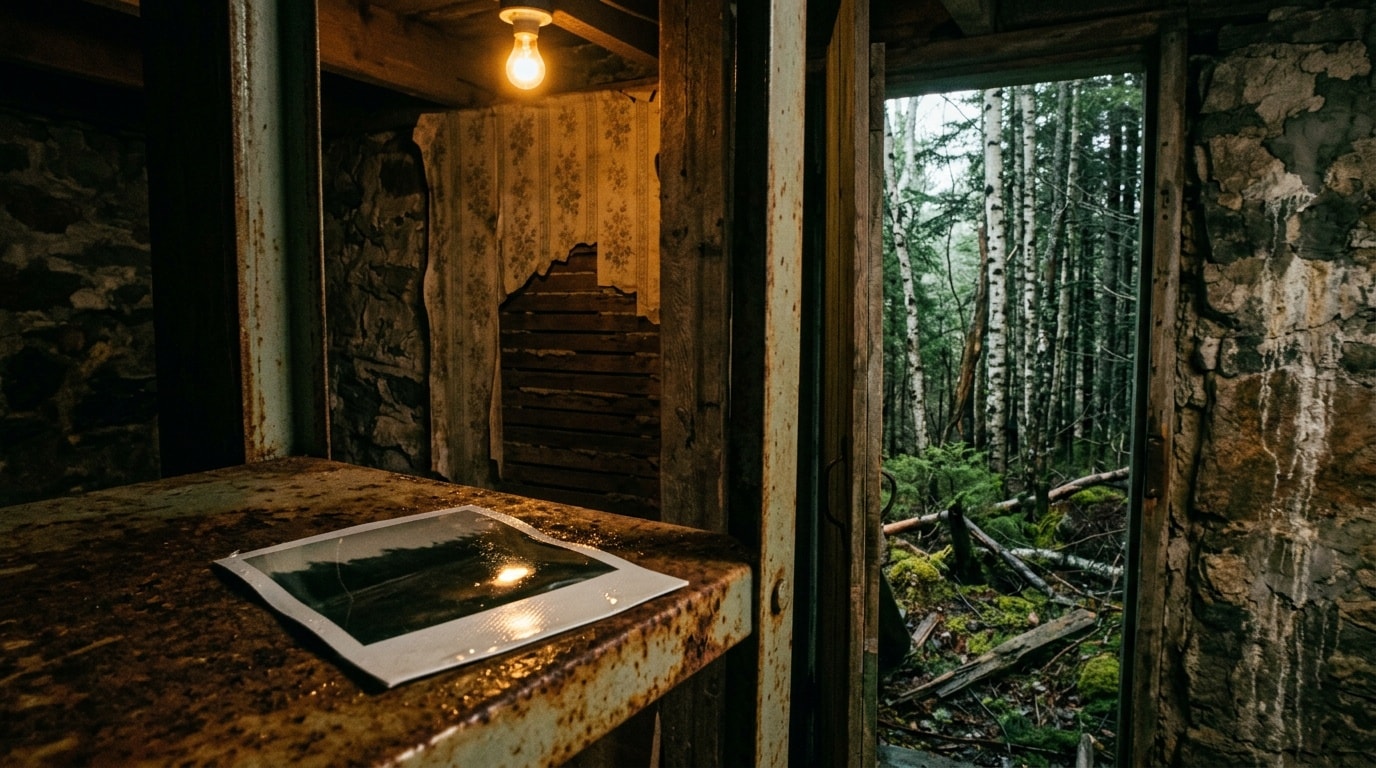
The spontaneous Polaroid photograph was not a malfunction but a precision routing event, delivering Elgin through an exact discovery sequence to a hidden room that functions as the Township's active transformation chamber.
The Township Cultivates Fatima as a Vector; the Town Completes the Trap
The Township is colonizing Fatima on two simultaneous registers, biological gestation and psychological identification, engineering a subject who will tend the invasion as though it belongs to her.

Jasper the Doll Carries Real Supernatural Knowledge
Victor's behavior around Jasper is not the onset of delusion but the resumption of a prior relationship with a doll he has reason to believe already communicated with him during his decades alone in the Township.

Tabitha's Childhood Dreams Hide a Dark Secret
Tabitha is Eloise, Victor's sister who survived the Township massacre as a child and was raised outside with her identity suppressed and replaced.