Belief Can Manifest Survival, Not Just Fear
THE ARGUMENT
The town of FROM responds to the direction of will, not just the content of fear, and Boyd's refusal to accept Donna's death may have exerted the same shaping pressure on reality that nightmares exert when they produce monsters. What makes this more than speculation is that the town has already demonstrated it targets Boyd specifically, deploying his dead wife's image as a psychological weapon designed to break exactly the kind of refusal the CPR scene staged in reverse. If the town identifies Boyd as a structural threat because his will exerts pressure on outcomes, then every tactic it has used against him becomes a response to the same mechanism, not a coincidence.
How This Theory Works
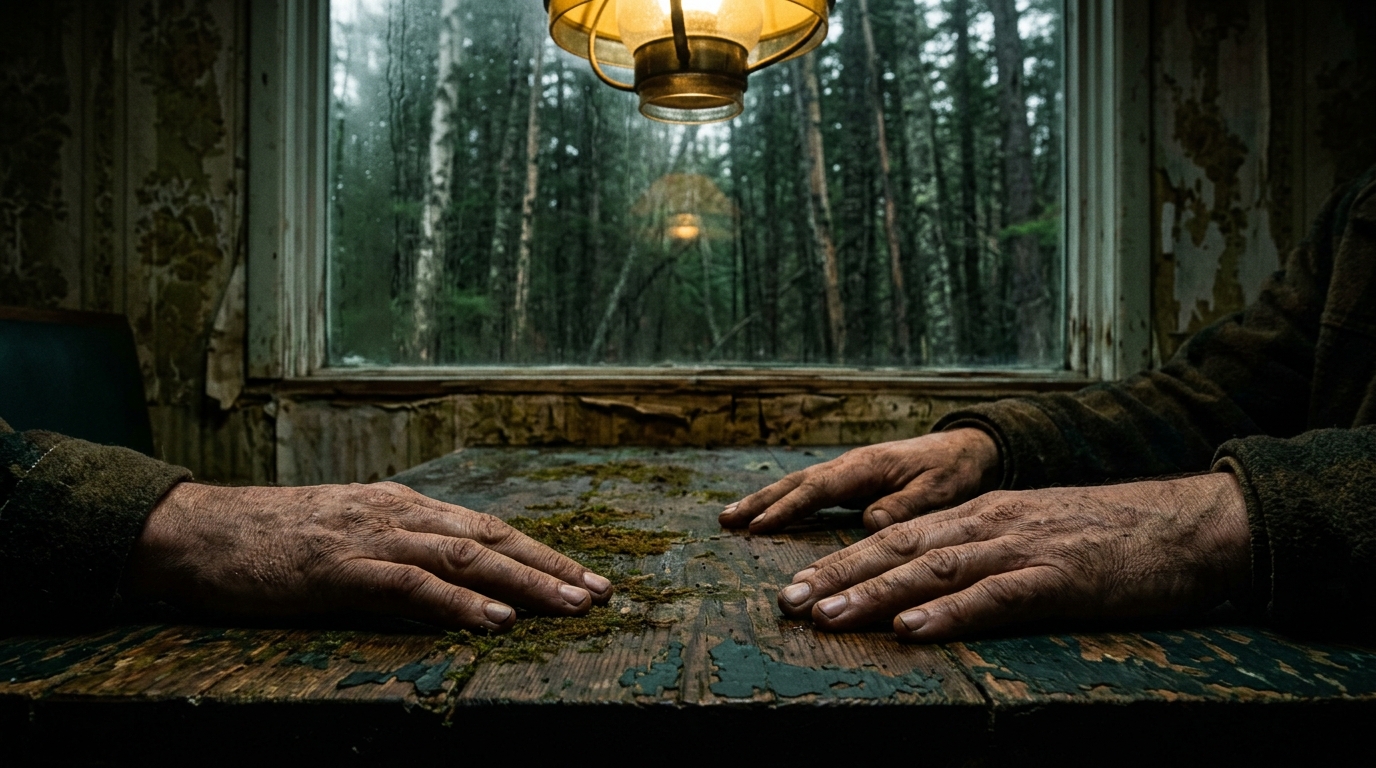
The town of FROM does not simply manifest fear. It responds to the direction of will, and the CPR scene is the first evidence that refusal, not just terror, can shape what becomes real here. If the town harvests psychological material and converts it into physical fact, then Boyd ordering Donna to wake up is not a man begging. It is a man exerting the same pressure on reality that Sara's nightmare exerted when it populated the forest, or that a dead man's dread exerted when it animated the dolls in the lake. The mechanism runs in both directions, and the residents have only ever understood half of it.
The distinction the show has embedded in the evidence is structural. Sara's nightmare contributed to the forest because it was involuntary, something happening to her. The dolls came to life after the man who feared them died, at the exact moment his psychological resistance collapsed entirely. What the town appears to consume is surrender. The corollary, which the show has not stated but has staged, is that the town may also amplify refusal. Boyd did not grieve Donna. He commanded her. That is a different act, directed outward rather than inward, and her pulse returned at the peak of his refusal rather than the peak of his technique.
The town's behavior toward Boyd fits this reading with uncomfortable precision. It has deployed his dead wife's image as a recurring apparition. It coordinated a creature pause around that apparition's appearance. It deployed a music box as a signal during his most vulnerable moments. These are not generic hauntings. They are targeted operations against the specific psychological faculty the CPR scene suggests Boyd possesses: the capacity to refuse a conclusion the town has already tried to close. If the town is sentient enough to hear spoken prayers and answer them with chosen signs, as the jukebox implied early in Boyd's history here, then it is also capable of identifying which residents require surgical psychological intervention rather than mere physical threat. Boyd is apparently one of them. The town does not send its creatures after his conviction. It sends his grief.
This reframes every prior death in the town as something other than bad luck or insufficient skill. If the town finishes deciding whether a loss is real only after the people present have decided, then the residents who have wept over bodies and lost them were not failed by love. They were failed by the specific shape of their response: they accepted the death as true before the town had closed the question. Boyd has not yet understood what he may have done. The town, given everything it has already deployed against him, may understand it better than he does.
Is this theory convincing?
Key Evidence
Boyd's CPR Refusal and Pulse Return
Boyd panics and refuses to stop administering CPR, and Donna's pulse returns immediately at the moment his refusal is most emotionally charged.
Town's Fear-Manifestation Precedent
Kenny recalls Sara's theory that nightmares become part of the Forest, and the episode confirms this when Tabitha's dream of dolls in the lake proves to be a literal reality, establishing that belief and fear shape the physical world.
Boyd Ordering Donna to Wake Up
Boyd tells Donna he cannot lead without her and orders her to wake up, framing his will as a directive rather than a wish, which parallels the town's pattern of intentions taking physical form.
Nightmares Made Literal by Death
Tabitha's dream reveals that a man threw the dolls into the lake because he feared them, and they came to life after he died, demonstrating that the town transforms psychological material into physical threats.
This theory was evaluated using Theory Atlas editorial standards, including evidence review, narrative fit, and competing interpretation analysis. Learn how Theory Atlas evaluates theories →
Other Theories for S4E06

Fear Dies With You, Then Walks
Every death inside the Township does not end a fear but releases it, converting the dying person's nightmares into a new lethal entity inside the Forest.
Boyd's Sledgehammer Confirms Jade's Vision
Retrieving the bones of the Ghoulish Children through the tunnels will actually unbind their spirits from the township.

Sophia's Blood Is Henry's Breaking Point
Sophia is running a proven destabilization protocol on Henry, the same method that drove Abby to violence, and she timed it for the precise moment every person capable of containing the fallout has been removed from position.

Sophia's Blood Seals Henry as Target
Sophia's blood in Henry's drink was not a poisoning but a ritual transfer, designed to bind him to the same force she serves or embodies, using his grief over the Man in Yellow as the psychological aperture the act requires.
Donna's Body Broke Where Her Armor Did
Donna's heart attack was triggered not by cumulative stress but by the specific realization that nightmares had become undefendable threats, exposing that her composure was never emotional resilience but absolute dependence on the existence of manageable protocol.

Roger's Corpse Was Remade as a Doll
The dolls are converting the Township's dead into their own kind, not killing indiscriminately but performing a repeatable ritual that remakes corpses in the image of the attackers.

The Bones Mission Costs More Than Boyd Knows
Jade's bones mission is structurally compromised before it begins because it depends on an assumption the show has never validated: that the town wants the Ghoulish Children disturbed.

Totems Kill Only What Someone Believed They Could
Totem effectiveness is not intrinsic to the objects but contingent on what prior believers encoded into the Forest's rules, meaning Totems only work against the specific dimensions of a threat that someone once feared and believed could be stopped.