Aegon's Warmth Is a Liability, Not Growth
THE ARGUMENT
Aegon II's warmth is not a counterweight to his political failures but their mechanism, and it is more destabilizing than calculated cruelty would be because it cannot be opposed without the opponent absorbing the cost. His council behavior already demonstrates that his sympathetic qualities and his incapacity share a single source. The show is positioning those who manage him, above all Alicent, to bear the structural burden of his love.
How This Theory Works
Aegon II's emotional accessibility is structurally identical to his incapacity, and the show has not yet committed to the most uncomfortable version of that claim: that his warmth is not a flaw layered on top of his competence but the active agent of his destruction. He does not bring Jaehaerys to the war council despite loving his son. He brings him because he loves his son, and that love overrides the cognitive architecture a king at war requires. The impulse and the incapacity are the same impulse.
The council scene makes the structural cost visible. Aegon encourages his son's disruptions, suggests Tyland give the child a pony ride during a session about naval strategy and factional alliances, and does not register that his own mother has been forced into the position of managing the king rather than advising him. Alicent has to restore order that Aegon generated the disorder for. Otto Hightower and Alicent are not watching a sympathetic ruler emerge. They are watching the same feckless instincts that made them hesitate before his coronation now operate at the highest level of power, in a wartime setting, with no mechanism available to correct it.
The sharpest implication of this pattern is one the show approaches but stops short of stating: Aegon's warmth makes him harder to manage than cruelty would. A ruler who performs cruelty can be redirected through incentives, because cruelty is transactional. A ruler who performs love at the council table cannot be redirected without the advisor being cast as the cold one and the king being cast as the human one. Alicent already occupies that position. Every time she restores order, she absorbs the political cost of Aegon's warmth. The show is not building toward a revelation that Aegon was capable all along. It is building toward the specific and irreversible damage that a well-meaning, impulsive, undisciplined king inflicts on the people closest to him, precisely because they cannot oppose his kindness without appearing to oppose kindness itself.
Is this theory convincing?
Key Evidence
Jaehaerys Brought to War Council
Aegon II brings his young son to the Small Council meeting so the child can learn to rule, a decision that immediately disrupts the proceedings and requires Alicent to intervene and redirect her son's attention.
Pony Ride Suggestion During Strategy
During a war council discussing naval strategy and factional alliances, Aegon suggests that Tyland Lannister give Jaehaerys a pony ride on his shoulders, signaling that he cannot compartmentalize his role as father from his role as king.
Alicent Forced to Restore Order
Alicent tells Aegon they need to focus on important issues after his pony ride comment, placing his own mother in the structural position of managing the king rather than advising him.
Otto's Regret Over Aegon's Crowning
Observers of the council scene have identified that Otto Hightower and Alicent register the cost of their own machinations as Aegon's lack of political discipline becomes visible in a wartime setting.
Warmth as Political Incapacity Pattern
The same scenes that show Aegon embracing his role as king and father also show him failing to exercise the basic restraint required of a ruler at war, suggesting his sympathetic qualities and his incompetence share a single source.
This theory was evaluated using Theory Atlas editorial standards, including evidence review, narrative fit, and competing interpretation analysis. Learn how Theory Atlas evaluates theories →
Other Theories for S2E01
Alicent's Affair Inverts the Green Faction's Loyalty Architecture, and Hands Larys Strong the Key
Alicent Hightower has slept with Criston Cole, the same man whose affair with Rhaenyra she converted into the moral cornerstone of the Green cause.
Blood and Cheese Is the Only Door Rhaenys Could Not Close
Daemon did not commission the assassination of Jaehaerys as a strategic response to Luke's death but as a direct consequence of two compounding humiliations: the structural revelation that the Black coalition has no unified aerial command, and Rhaenys confirming that fact with calm finality at his most exposed moment.
Helaena Fears What No One Else Can See
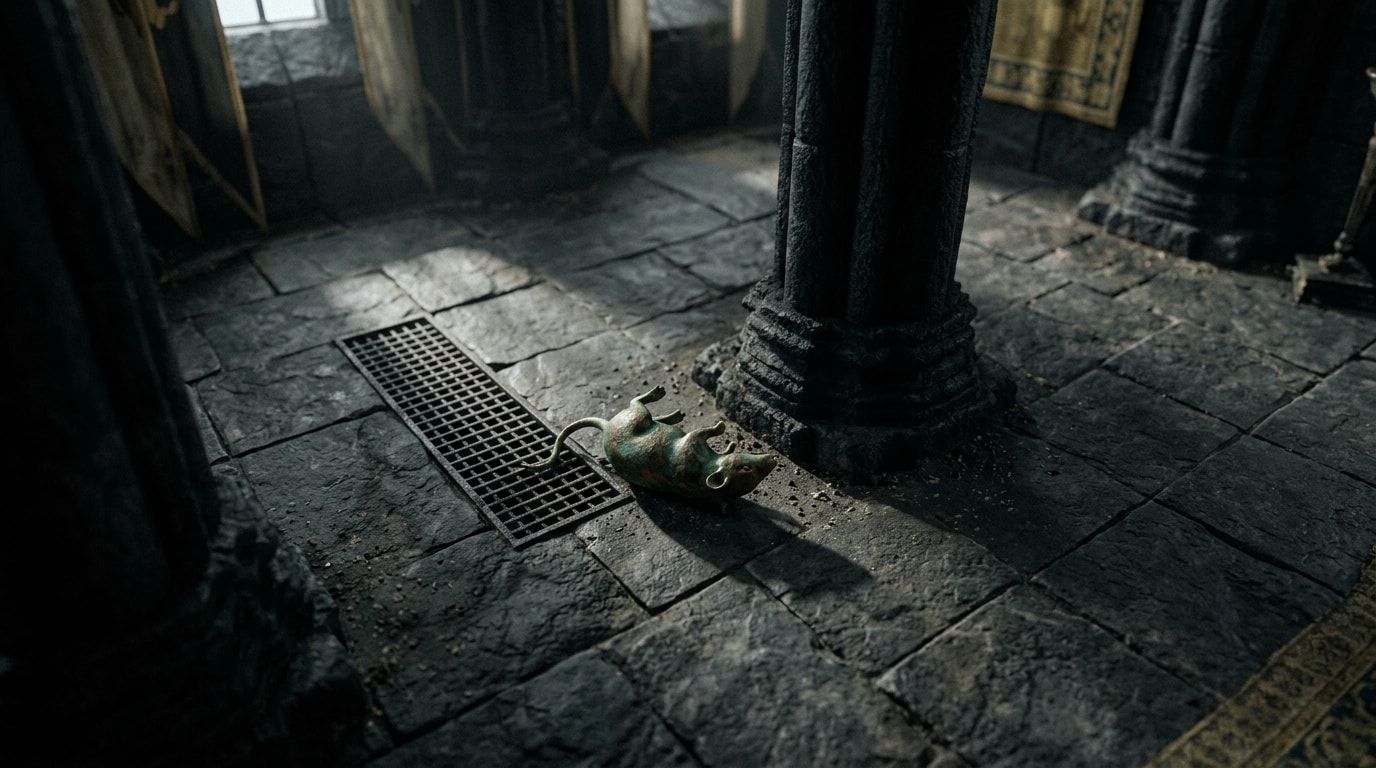
Helaena's 'rats' warning is foreknowledge of Blood and Cheese, not anxiety, and it follows the exact structural pattern the show has used to encode her prior predictions as literal events dismissed by everyone around her.
Helaena Knew Jaehaerys Would Die
Helaena pointed at Jaehaerys without hesitation or misdirection because her prophetic foresight had already shown her the outcome as fixed.
Alyn of Hull Is Corlys's Unacknowledged Son
Corlys Velaryon has not failed to recognize Alyn of Hull as his son -- he has refused to, and the dockside scene is the moment that refusal becomes structurally unsustainable.