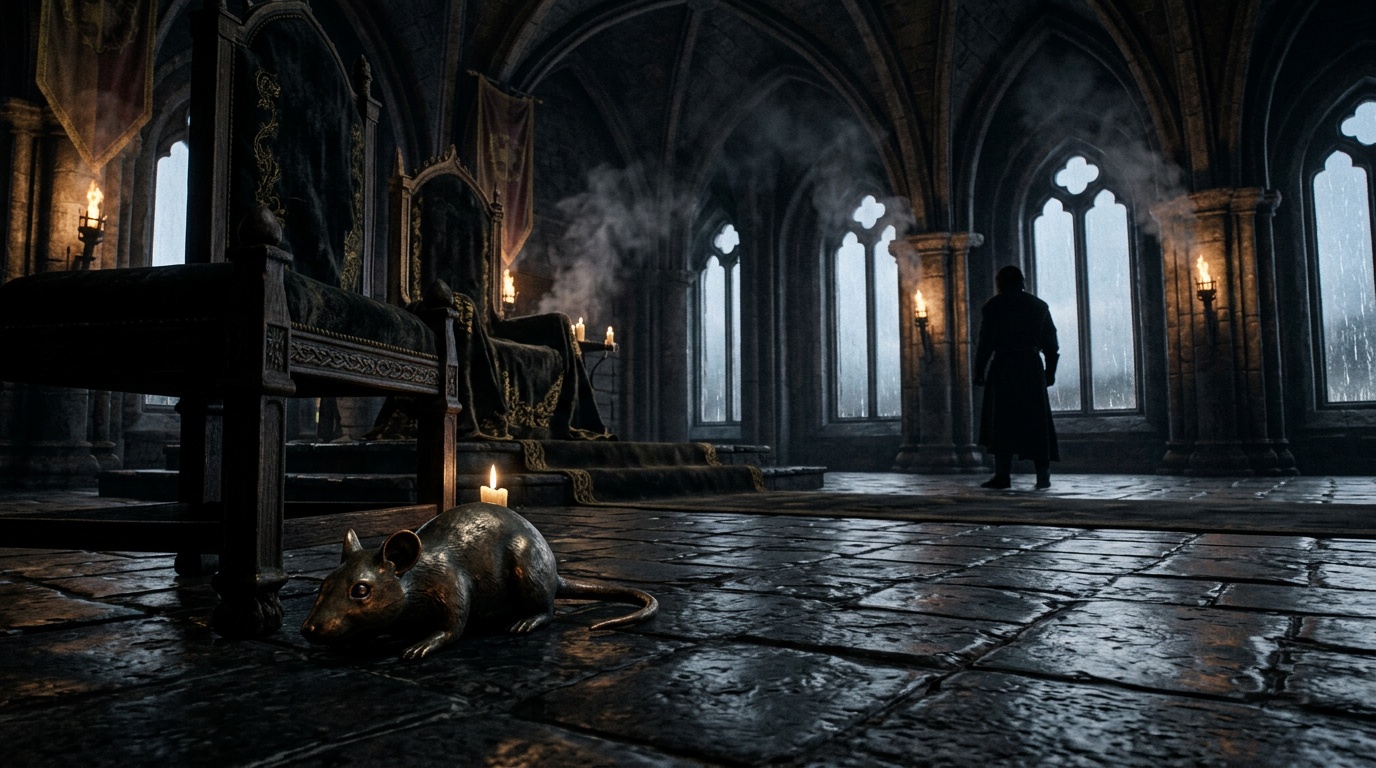
Helaena Fears What No One Else Can See
THE ARGUMENT
Helaena's 'rats' warning is foreknowledge of Blood and Cheese, not anxiety, and it follows the exact structural pattern the show has used to encode her prior predictions as literal events dismissed by everyone around her. The Cassandra mechanism built into her role ensures the warning is neutralized by the reaction it produces, which means the dismissal is not incidental but load-bearing. If the pattern holds, she already knows who the rats are, how they will enter, and what they will ask her to do.
How This Theory Works
Helaena's fear of 'rats' is a prediction, not a symptom. When Aegon and her handmaids react with confusion, they are confirming the mechanism the show has constructed around her: she perceives something real, she names it, and no one around her has the framework to take her seriously. The 'rats' are not metaphorical decoration. Based on the pattern established across her prior appearances, Helaena's off-register statements encode specific future events with enough precision that they can be recognized in retrospect as warnings.
The show follows the Cassandra model with deliberate consistency: she speaks, she is dismissed, the thing she named arrives. Her warning about rats is delivered with the same flat affect and immediate social incomprehension as every prior instance. That consistency is the argument. It is not one odd line but a repeating unit of narrative construction deployed across multiple episodes.
The sharpest implication is that the people closest to Helaena are not simply failing to understand her. They are constitutionally unable to act on what she says, even after evidence accumulates. Aegon smiles past her warning. Alicent redirects to 'important issues.' The dismissal is not malicious but structural, which is what makes it dangerous.
Blood and Cheese is the event the rats are pointing toward. The assassins who will kill Jaehaerys are described in the source text as a rat-catcher and his associate, men who know the castle's hidden passages the way vermin do. Helaena names her fear surrounded by people managing political theater, which is precisely where the show has placed every prior warning before it resolves. The 'rats' are not a vague portent. They are the specific men who will enter through the walls of the Red Keep, ask her which child is the prince, and make her choose. What the show has not committed to is the ugliest truth its own structure implies: Helaena does not merely foresee the threat, she foresees her own complicity in it, the moment she will be made to name the child herself, and the curse is not that she sees the future but that she will be the one who has to survive having answered.
Is this theory convincing?
Key Evidence
Helaena's Unprompted Fear of Rats
During the Small Council preparation, Helaena tells Aegon she is afraid of 'rats' despite no rats being present anywhere in the castle, confusing him and her handmaids entirely.
Immediate Dismissal by Those Present
Aegon and Helaena's handmaids react with visible incomprehension to her warning, treating it as irrational anxiety rather than meaningful information, which mirrors the show's established pattern of her warnings being ignored.
Pattern of Cryptic Warnings Resolving Literally
Across prior episodes, Helaena's apparently nonsensical statements have resolved into specific literal events, establishing a structural pattern that the 'rats' warning belongs to the same category of genuine foresight.
Cassandra Dynamic Built Into Her Role
The show has constructed Helaena's position so that her foresight is paired with an inability to be believed, meaning the curse is not merely that she sees the future but that the warning is neutralized by the reaction it produces.
This theory was evaluated using Theory Atlas editorial standards, including evidence review, narrative fit, and competing interpretation analysis. Learn how Theory Atlas evaluates theories →
Other Theories for S2E01
Alicent's Affair Inverts the Green Faction's Loyalty Architecture, and Hands Larys Strong the Key
Alicent Hightower has slept with Criston Cole, the same man whose affair with Rhaenyra she converted into the moral cornerstone of the Green cause.
Blood and Cheese Is the Only Door Rhaenys Could Not Close
Daemon did not commission the assassination of Jaehaerys as a strategic response to Luke's death but as a direct consequence of two compounding humiliations: the structural revelation that the Black coalition has no unified aerial command, and Rhaenys confirming that fact with calm finality at his most exposed moment.
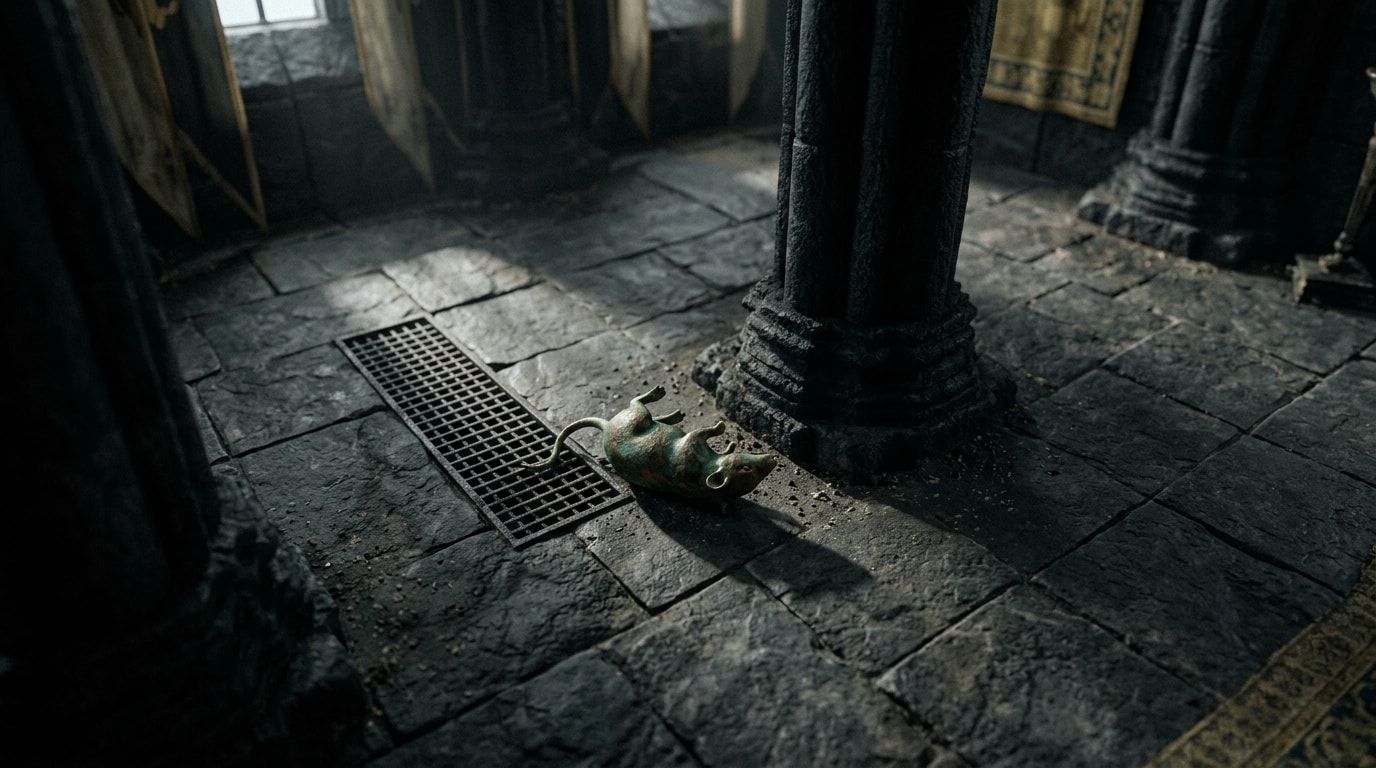
Helaena Knew Jaehaerys Would Die
Helaena pointed at Jaehaerys without hesitation or misdirection because her prophetic foresight had already shown her the outcome as fixed.
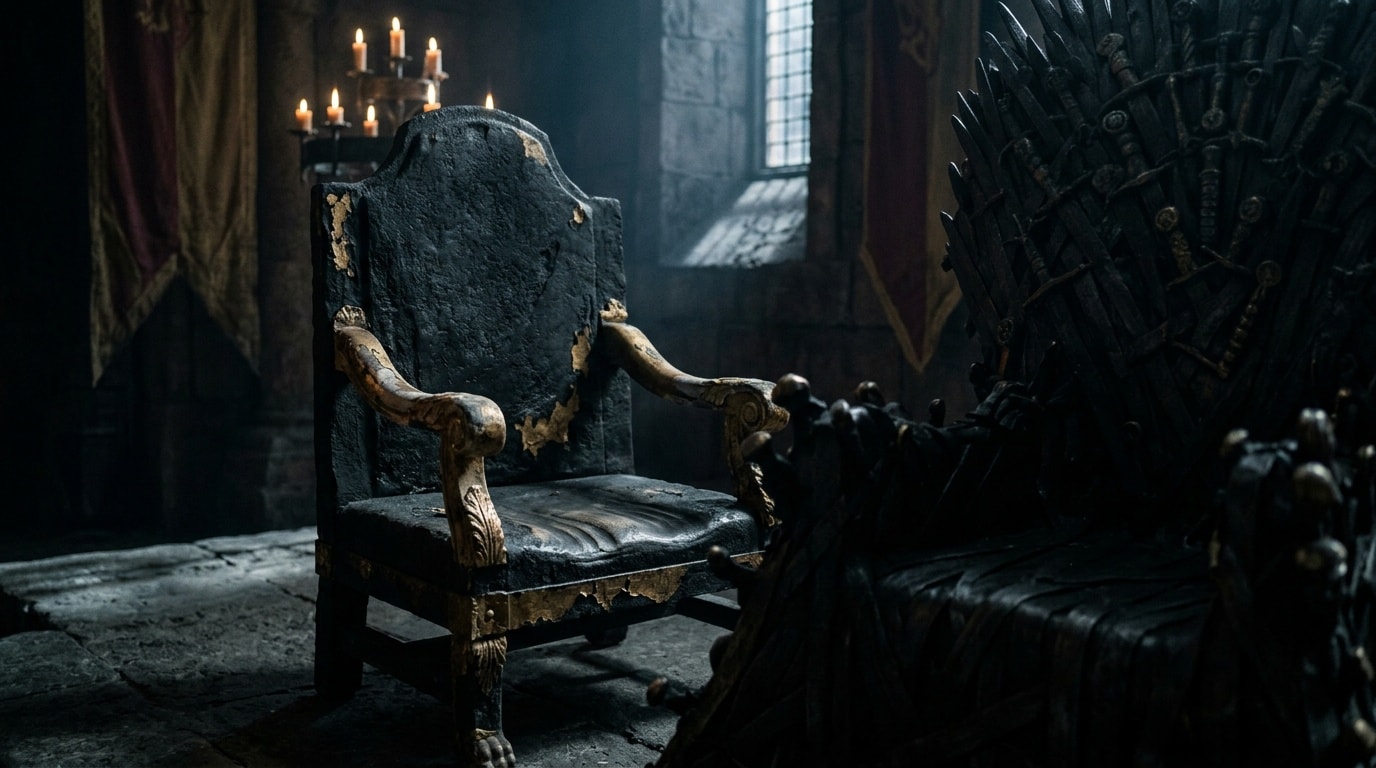
Aegon's Warmth Is a Liability, Not Growth
Aegon II's warmth is not a counterweight to his political failures but their mechanism, and it is more destabilizing than calculated cruelty would be because it cannot be opposed without the opponent absorbing the cost.
Alyn of Hull Is Corlys's Unacknowledged Son
Corlys Velaryon has not failed to recognize Alyn of Hull as his son -- he has refused to, and the dockside scene is the moment that refusal becomes structurally unsustainable.