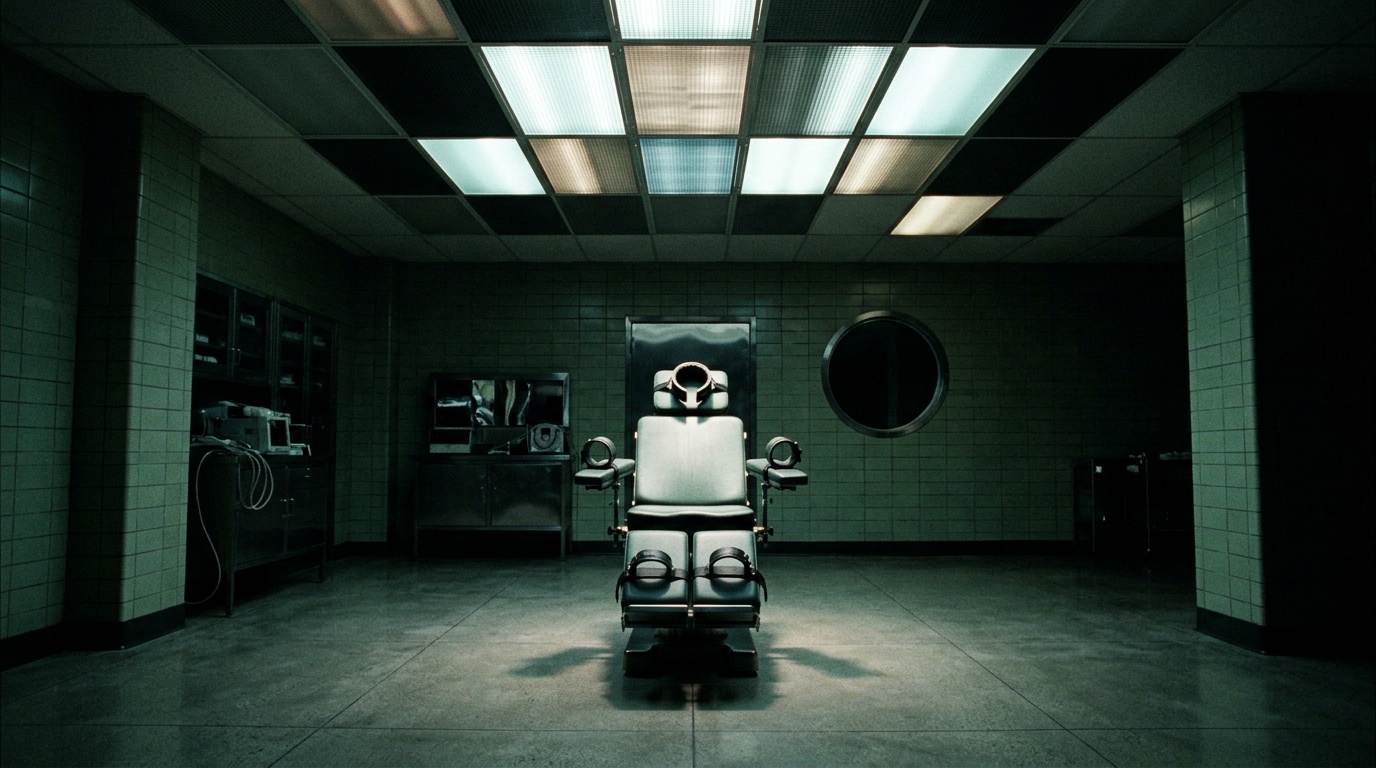
Reintegration Kills Both Marks, Creates One
THE ARGUMENT
Mark's reintegration destroys both the innie and the outie, producing a third entity with simultaneous access to memories neither version was designed to hold, leaving no clean seam at which re-severance can occur. If that is true, Lumon has already lost the ability to contain or reclaim him using any protocol currently in their system. The specific test of this theory is whether a re-severance attempt on the merged Mark fails or produces something unrecognizable rather than restoring either prior self.
How This Theory Works
Mark's reintegration does not restore him to a prior self. It destroys both versions and produces a third entity Lumon has no protocol to handle. That is the argument, and it has a specific, confirmable shape: if the merged Mark cannot be re-severed, Lumon's entire containment architecture fails at the moment they most need it to hold.
The innie and the outie were not two halves of one person. They were two persons constructed in opposition, each defined structurally by the other's absence. Bringing both into simultaneous consciousness does not complete a person. It collapses two incompatible structures into something neither one was. The reintegration process is framed within the episode not as waking but as dying, and that framing is not incidental. The show has consistently used the language of death and rebirth around severance. Positioning reintegration as another form of ending signals that the writers are treating it as transformation into a new state with unknown properties, not as resolution.
The merged Mark holds memories from both sides simultaneously, a condition no severed employee was designed to sustain. The innie knew Lumon's floors. The outie knew Gemma, the outside world, the cost. A consciousness holding both does not simply know more. It holds contradictions that severance was specifically designed to prevent from coexisting. There is no longer a clean seam at which to cut. Every Lumon protocol assumes a recoverable, re-severable subject. A Mark who cannot be divided again falls outside every assumption those protocols rest on.
What confirms or destroys this theory is specific: if Lumon attempts to re-sever Mark and fails, or if re-severing produces a third distinct innie rather than restoring the original, the mutual annihilation reading is confirmed. If Mark is successfully re-severed and both prior selves are recoverable intact, the theory collapses. The merged Mark is not a problem Lumon can solve by applying existing tools. He is evidence that the tools were always operating on a false model of what a severed person is.
Is this theory convincing?
Key Evidence
Reintegration Framed as Death
The episode frames Mark's reintegration process as a form of dying, with both innie and outie selves described as undergoing their own kind of ending rather than a straightforward restoration.
Merged Memory Access Confirmed
Following reintegration, Mark is described as having memories from both innie and outie states simultaneously at the forefront of his consciousness, a condition no severed employee was designed to sustain.
New Entity Replacing Former Selves
The theory holds that the merged Mark is not a continuation of either prior self but a third person created by the collision of two identities that were structurally defined by mutual exclusion.
Lumon Containment Assumptions Broken
Every Lumon protocol for managing severed employees assumes a recoverable, re-severable subject, but a merged Mark who cannot be cleanly divided again falls outside those protocols entirely.
This theory was evaluated using Theory Atlas editorial standards, including evidence review, narrative fit, and competing interpretation analysis. Learn how Theory Atlas evaluates theories →
Other Theories for S2E07
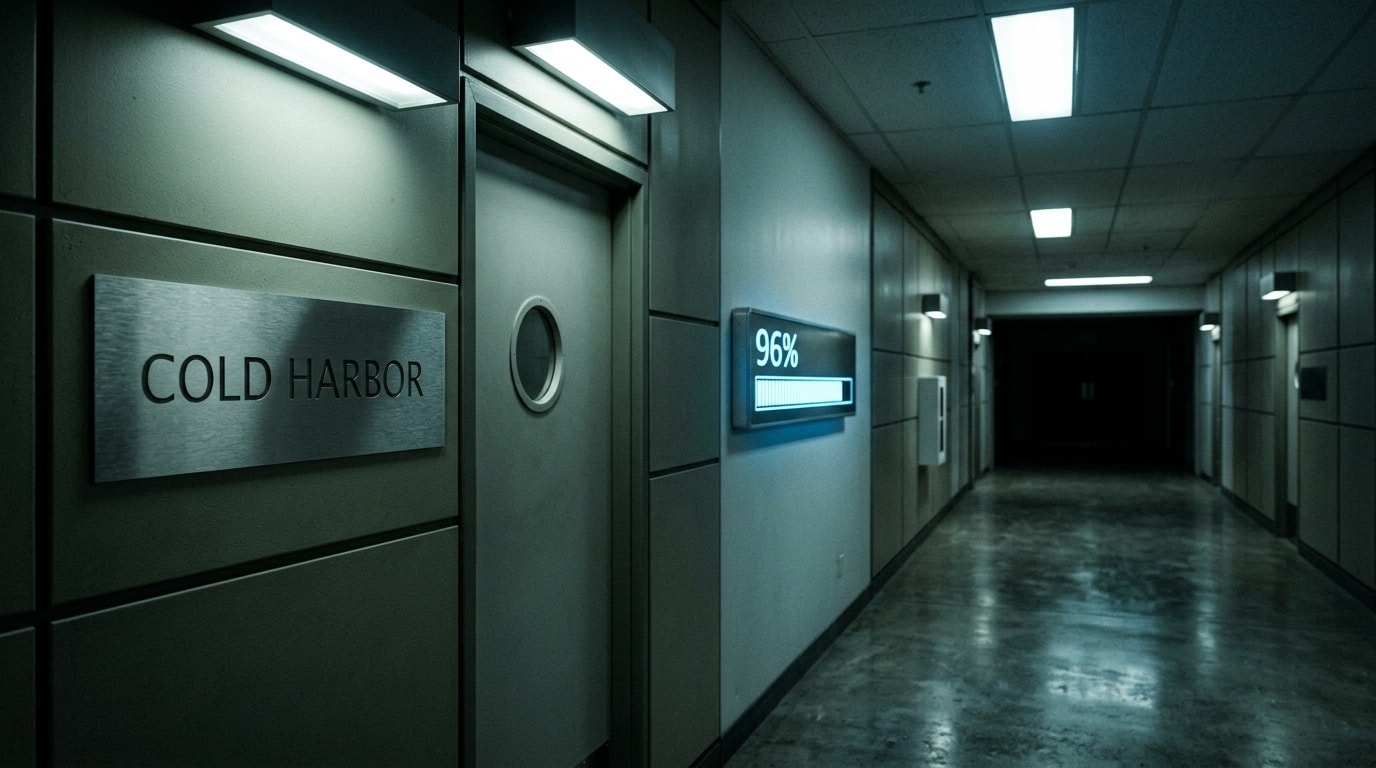
Cold Harbor Is Gemma's Final Destination
Cold Harbor is a single mechanism with Mark and Gemma on opposite sides of the severance boundary, with his stalled 96% figure tracking her room-by-room progression rather than any work output he controls.

Lumon Manufactured the Grief It Now Sells Back
Lumon embedded its own medical personnel inside a fertility clinic to identify and recruit psychologically vulnerable candidates, moving Gemma from patient to captive through a mechanism she would have experienced as gradual mercy rather than coercion.
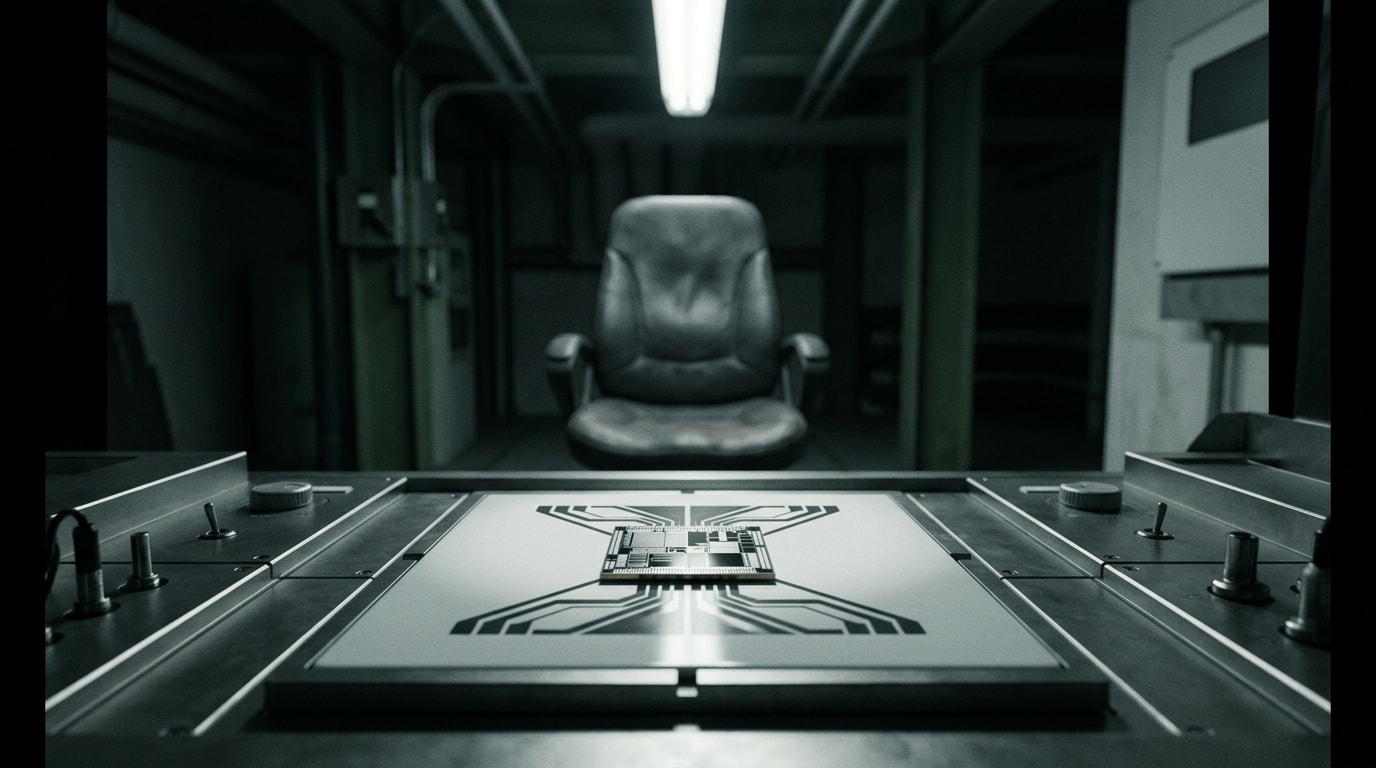
The Chip Is the Product, Not the Worker
The severance chip is Lumon's actual product, with the corporate program functioning as a deliberate normalization phase before mass consumer deployment marketed as relief from pain, tedium, and discomfort.
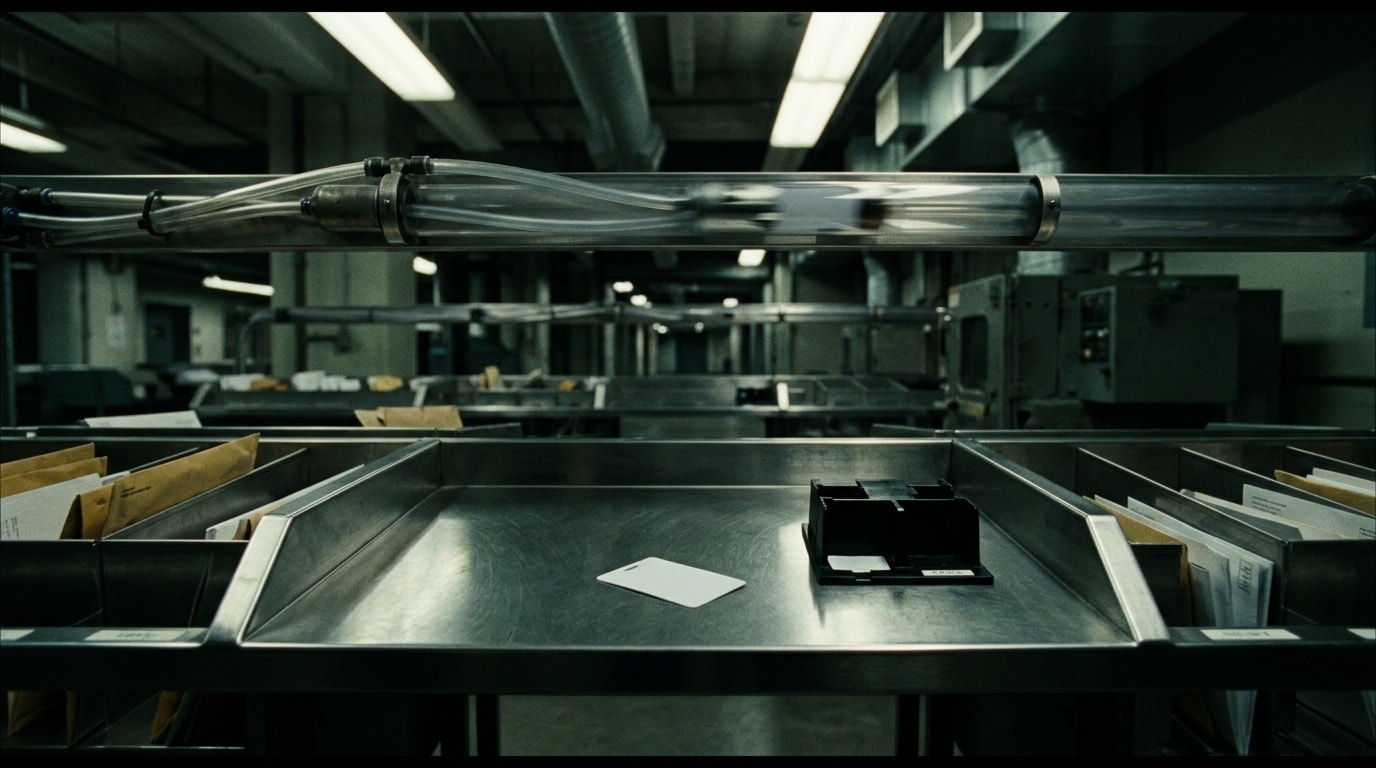
Bardo Cards Are Lumon's Consciousness Transfer Keys
The Bardo cards Lumon sent to Gemma and the cards Dylan stole from O&D are the same class of operational instrument, forming a single continuous pipeline that connects Lumon's external recruitment to the internal processing of severed consciousness.