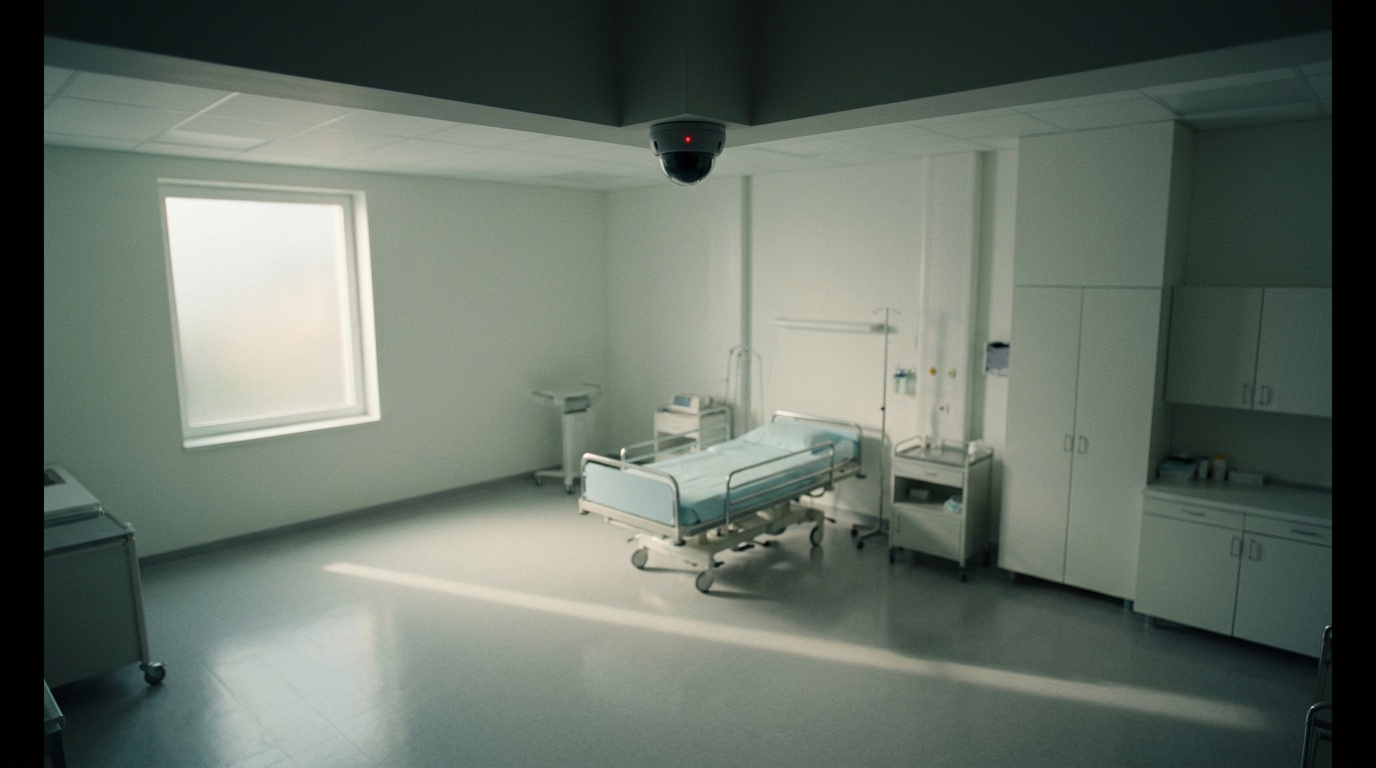
Birthing Cabin Requires Darkness for Safe Access
THE ARGUMENT
The birthing cabin is subject to a light-dependent external surveillance or monitoring condition that Cobel understands well enough to treat nighttime access as a hard structural requirement rather than a precaution. Her phrasing, that the cabin is perilous even in the dark, concedes danger at all hours while insisting the darker window is the only viable one, which is the language of operational knowledge rather than general caution. Whatever monitors or observes the cabin requires daylight to function, and Cobel knows its schedule.
How This Theory Works
Cobel's insistence on nighttime access to the birthing cabin means the threat is external and light-dependent, not internal. She does not say darkness makes the approach safe. She says the cabin is perilous even in the dark, then treats nighttime as the only viable window anyway. That phrasing is the key: it concedes ongoing danger while insisting the darker window is categorically different from the daylight one. That is the language of someone who knows the operational schedule, not someone estimating risk.
Cobel's authority on this comes from her history inside Lumon. She knows how the company structures physical spaces and monitors them. Her framing is not atmospheric caution. It is the framing of someone who has internalized a specific rule about a specific site. The birthing cabin is not a vaguely remote location she is worried about in the abstract. Cold Harbor is running at 96% completion, which means active monitoring infrastructure is present and functioning. The daylight restriction implies that monitoring is either most intense or most visible during daylight hours, and Cobel knows exactly where the gap falls.
The question the theory cannot yet answer is the precise mechanism: what specific surveillance system or observational infrastructure operates on a light-dependent cycle at this site, and how does Cobel know its schedule well enough to name nighttime as the threshold rather than a window, a shift change, or any other variable. If the danger were purely internal to the cabin, darkness outside would offer no advantage at all. The fact that darkness reduces the peril points toward something external that requires light to function or that uses daylight as its operational condition. Cobel is not protecting Mark and Devon from what is inside the cabin. She is protecting them from what can see them coming.
Is this theory convincing?
Key Evidence
Cobel's Perilous Even in Dark Warning
Cobel explicitly tells Mark and Devon that the birthing cabin is 'perilous even in the dark' and that they must wait until nighttime, framing darkness not as safety but as the least dangerous available window.
Nighttime Access as Hard Requirement
Cobel does not present the nighttime timing as a preference or a precaution but as a non-negotiable condition, implying she has prior knowledge of what makes daytime access categorically more dangerous.
Cold Harbor at 96 Percent Active
Dr. Mauer observes that Cold Harbor is still running at 96% completion, establishing that the birthing cabin is an active Lumon operational site with ongoing monitoring infrastructure.
Cobel's Operative Knowledge of Lumon
Cobel's former role inside Lumon gives her specific knowledge of how the company structures and monitors its facilities, lending authority to her assessment of when the cabin can be approached.
Mark Climbs Into Truck After Dark
The episode ends with Mark climbing into the back of a truck once darkness has fallen, confirming that the group followed Cobel's instruction and treated the nighttime window as operationally necessary.
This theory was evaluated using Theory Atlas editorial standards, including evidence review, narrative fit, and competing interpretation analysis. Learn how Theory Atlas evaluates theories →
Other Theories for S2E09
Outie Dylan's Threat Erases His Innie's Only Life
Outie Dylan's resignation is an act of self-protective erasure driven by his inability to tolerate proof of his own deterioration, and the severance system is designed to let him commit it without experiencing it as harm to anyone.
Burt Severed to Buy His Own Innocence
Burt chose severance as a private act of conscience management, using the procedure to manufacture a version of himself clean enough to love and be loved.

Dylan Chose Oblivion Over an Empty Existence
Dylan's innie resigned not because his outie forced him to but because he had privately concluded that existence without Gretchen was not worth sustaining, making his departure the first act of deliberate self-termination an innie has chosen rather than had imposed.
Burt Was the Driver Who Let Irving Go
Burt has been functioning as a Lumon operative whose role is to transport people to outcomes he does not acknowledge, and his decision to put Irving on a train was not a defection but a managed exit Lumon may have designed from the start.
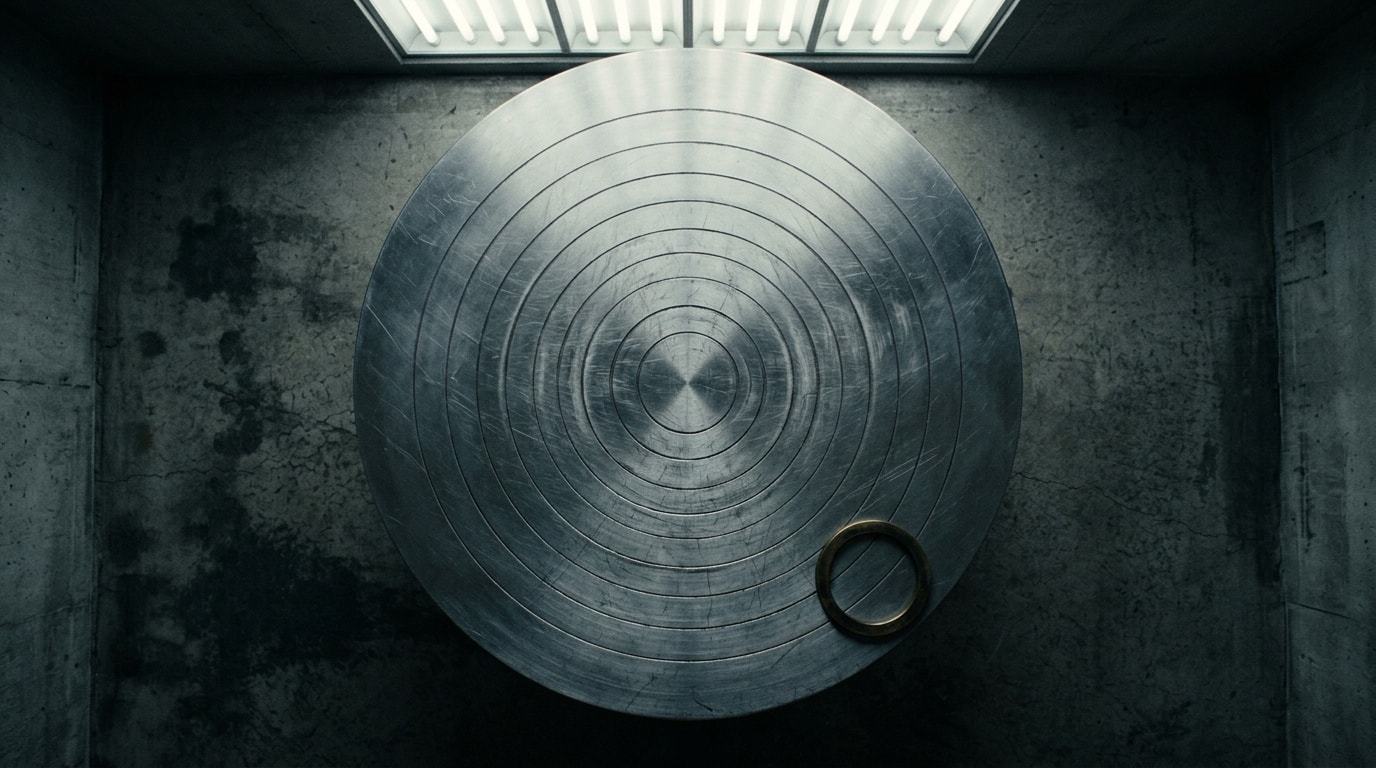
Smashing the Toy Destroys Miss Huang's Childhood
The ring toss ritual is not an isolated moment of cruelty.
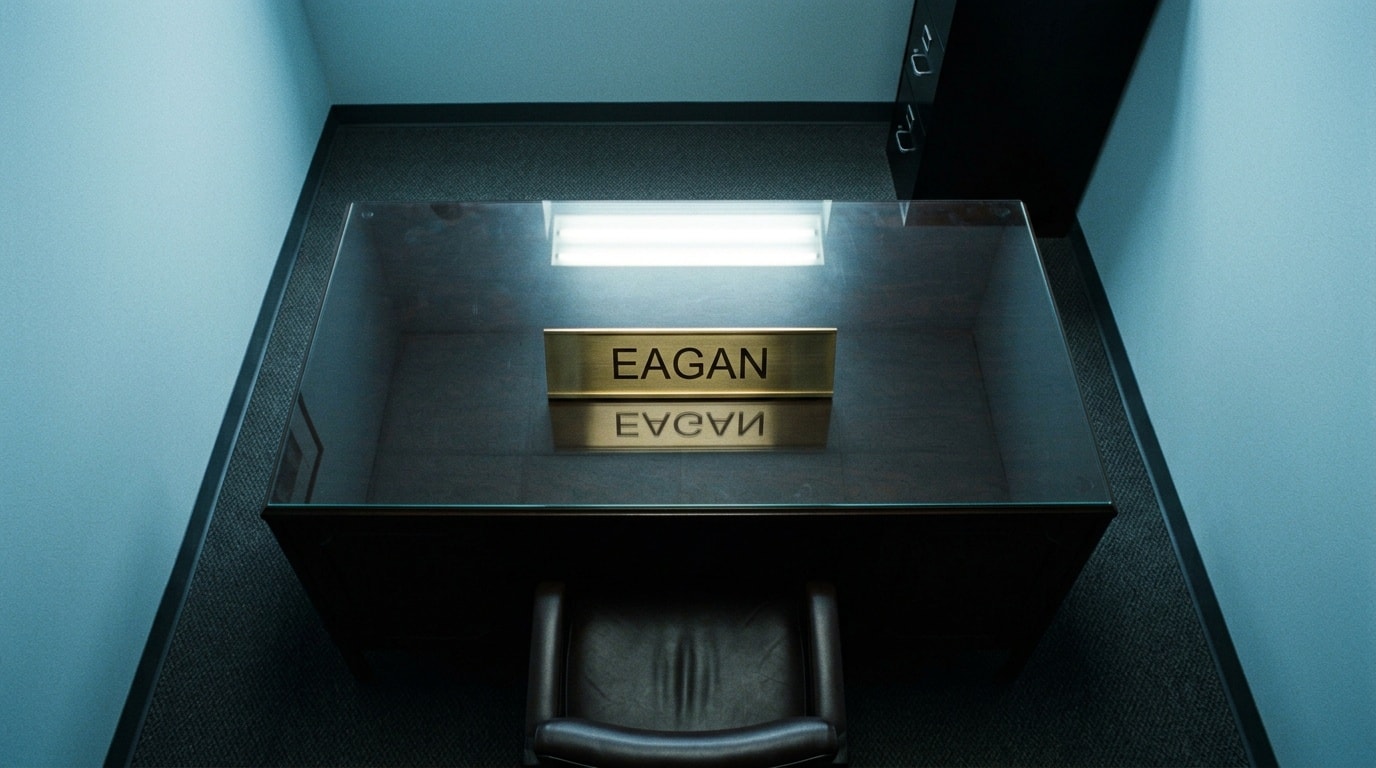
Helly Knows She Is Helena Eagan
Helly has already concluded she is Helena Eagan and has been performing innie ignorance while holding that knowledge.
Lumon Used Gretchen to Kill Irving's Message
Lumon deployed Dylan's relationship with Gretchen as a precision instrument to neutralize Irving's map before Dylan could act on it.
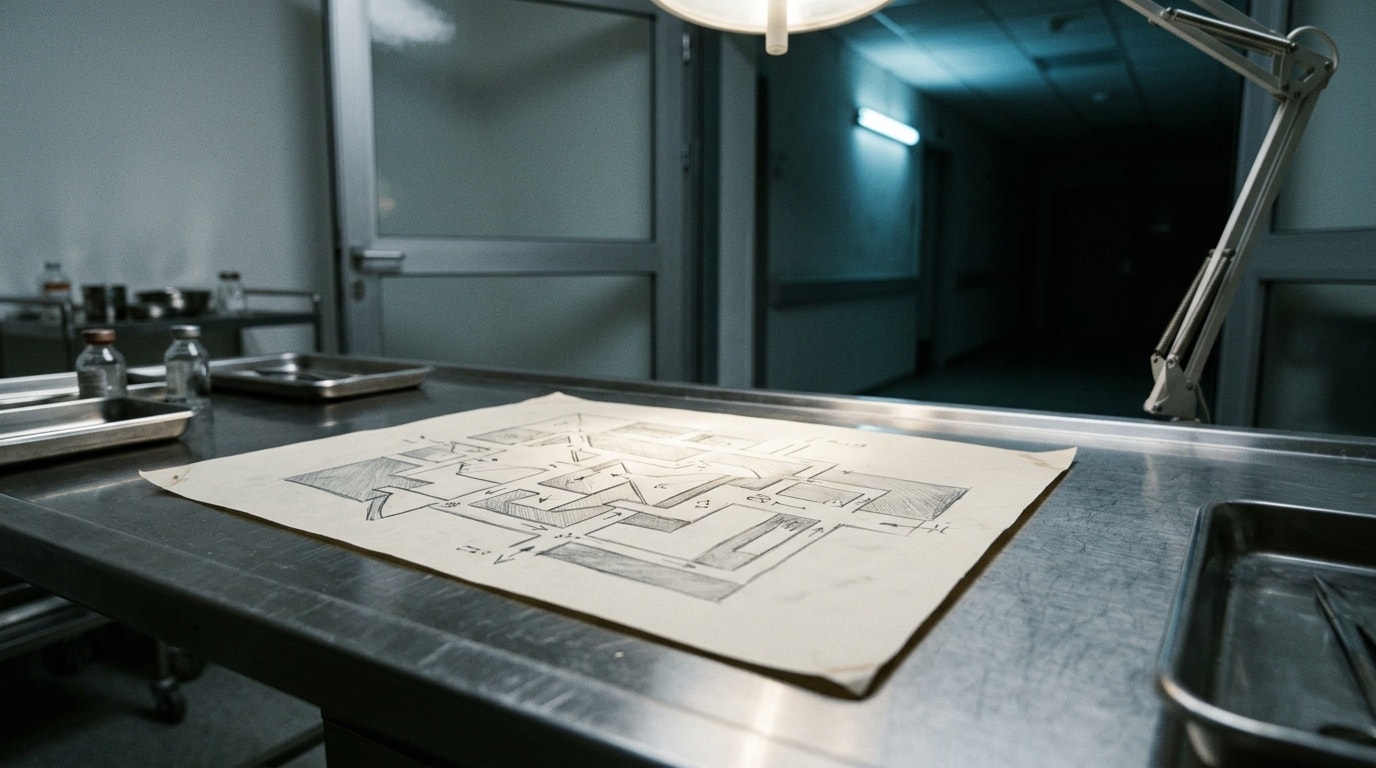
Helly Inherits Irving's Secret Investigation
Helly is not preserving Irving's map as a memorial gesture.