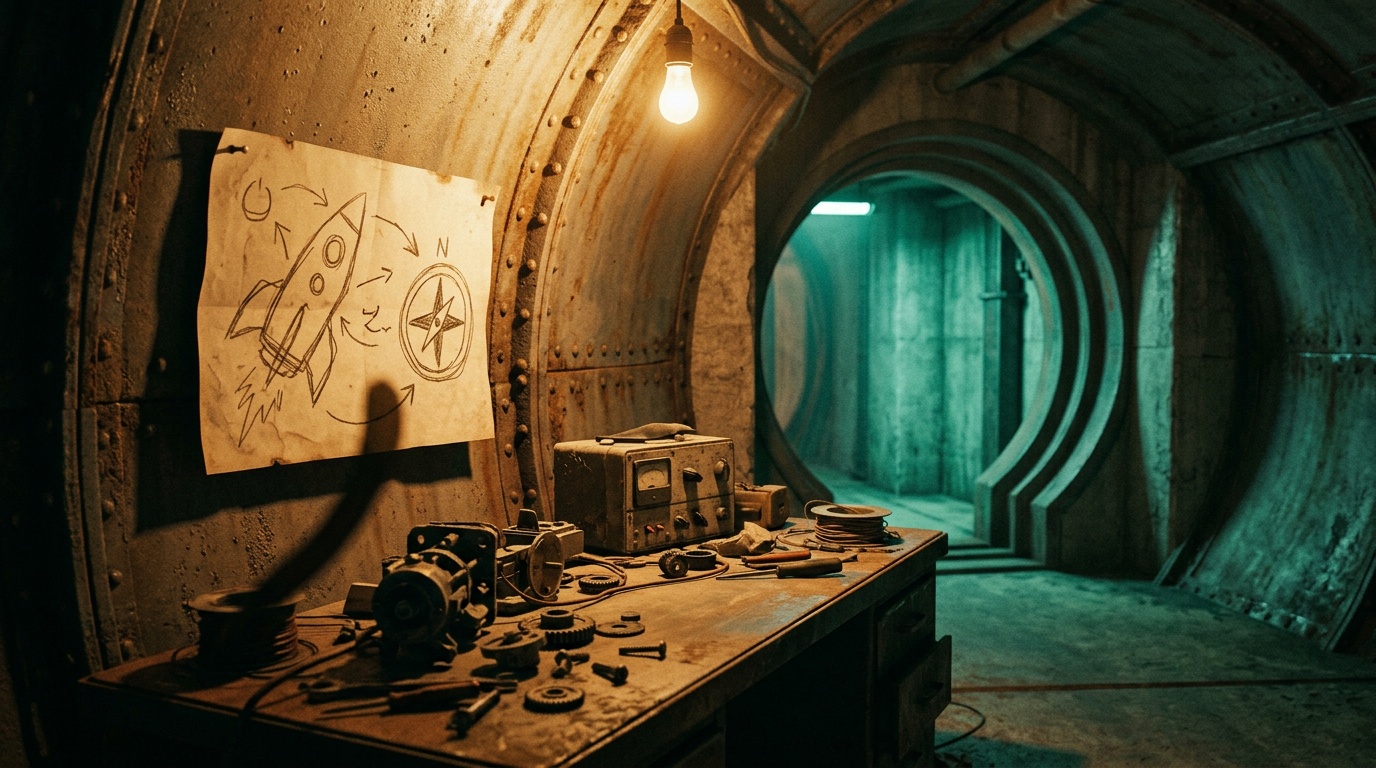
Grief Drove Juliette Down to Mechanical
THE ARGUMENT
Juliette's escape to Mechanical as a teenager was not simply a career choice but a deliberate flight from grief and a fractured relationship with her father, whom she blamed for the deaths of her mother and brother Jacob. The flashbacks in this episode confirm that loss, abandonment, and resentment shaped every major decision Juliette has made. Understanding this backstory reframes her stubbornness and self-reliance as survival strategies forged in childhood.
How This Theory Works
The episode's flashbacks establish a clear causal chain. Jacob and Hannah die, and Juliette is left largely alone while her father continues his work caring for other patients. She must pack up her family's possessions for Recycling, attempt to cook for herself, and repair what she can with her own hands. The chair she fixes despite her father saying it cannot be fixed is the episode's clearest symbolic statement: Juliette responds to loss by insisting that broken things can be restored, even when the authority figure in her life has given up.
The conflict with her father runs deeper than a teenager chafing at rules. Juliette explicitly blames him for her family's absence. Whether that blame is fair is left ambiguous, but it is real and it calcifies into something structural. Her father's decision to let her stay in Mechanical once he discovers the forged note can be read in two directions simultaneously. He recognizes her aptitude and her happiness there. He also avoids having to parent her through a grief he may not know how to address.
What Juliette builds in Mechanical is an identity that is entirely hers, constructed in opposition to medicine, to the upper levels, and to her father's world. Her choice to shadow Martha Walker and join the scavenge team is not just vocational. It is a rejection of the path laid out for her and an embrace of a community where competence matters more than lineage or grief. By the time she reaches adulthood, the self-sufficiency she developed as a child in crisis has become a professional asset. Upper-level authorities who underestimate her tactics are encountering someone who learned to operate without institutional support from a very young age.
Is this theory convincing?
Key Evidence
Jacob Saved, Then Later Lost
The opening flashback shows Juliette, her father, and her mother working together to save Jacob's life, establishing him as alive before subsequent flashbacks confirm he and Hannah are later dead.
Packing Family Possessions for Recycling
After the deaths, Juliette's father instructs her to pack up her mother and brother's belongings for Recycling because people cannot keep things that could be used by others, leaving her to process grief through this impersonal task.
Juliette Blames Father for Family Deaths
In the flashback, Juliette clashes directly with her father and implies the situation they are in is somehow his fault, establishing that she holds him responsible for her mother and brother no longer being around.
Fixing the Unfixable Chair
Juliette defiantly repairs her mother's broken chair after her father indicates it cannot be fixed, a scene that frames her compulsive need to repair things as a response to her father's perceived failures.
Forged Note to Enter Mechanical
A teenage Juliette forges a work authorization note to shadow Martha Walker in Mechanical, showing she was willing to deceive her own father to escape her life in the Mids following her family's deaths.
Father Discovers Forgery, Permits Stay
Doctor Nichols travels to Mechanical, discovers the forged note, but allows Juliette to remain once he sees she is genuinely skilled and happier there, a decision that can be read as recognition of her ability or as avoidance of difficult parenting.
Mechanical as Deliberate Rejection
Juliette's move to the Deep Down represents a conscious choice to pursue work in Mechanical rather than medicine, framing her entire adult identity as constructed in deliberate opposition to her father's world and values.
This theory was evaluated using Theory Atlas editorial standards, including evidence review, narrative fit, and competing interpretation analysis. Learn how Theory Atlas evaluates theories →
Other Theories for S1E04
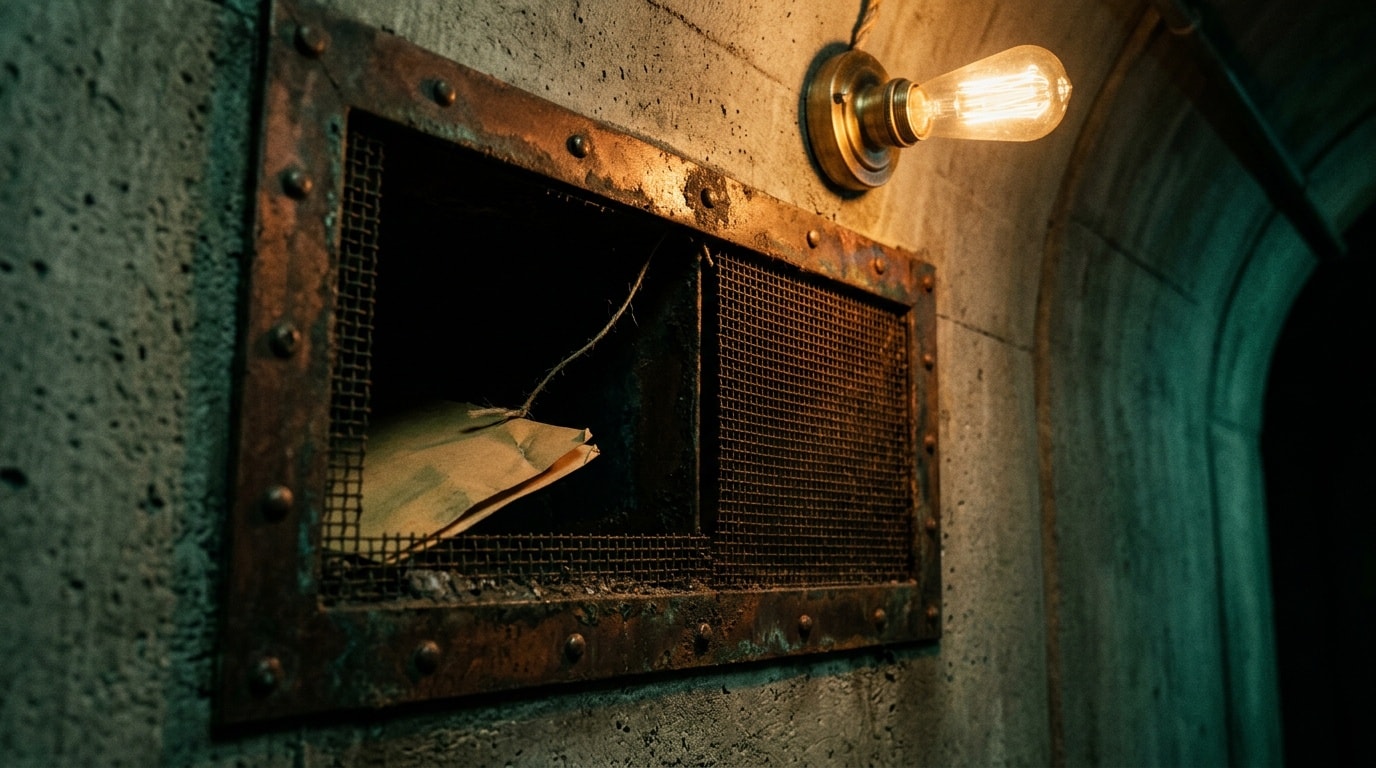
Holston Buried the Truth in the Vents
Holston Becker hid George Wilkins' case file inside the air vent of the Sheriff's apartment before walking to his death, using a string mechanism to ensure his successor would eventually find it.
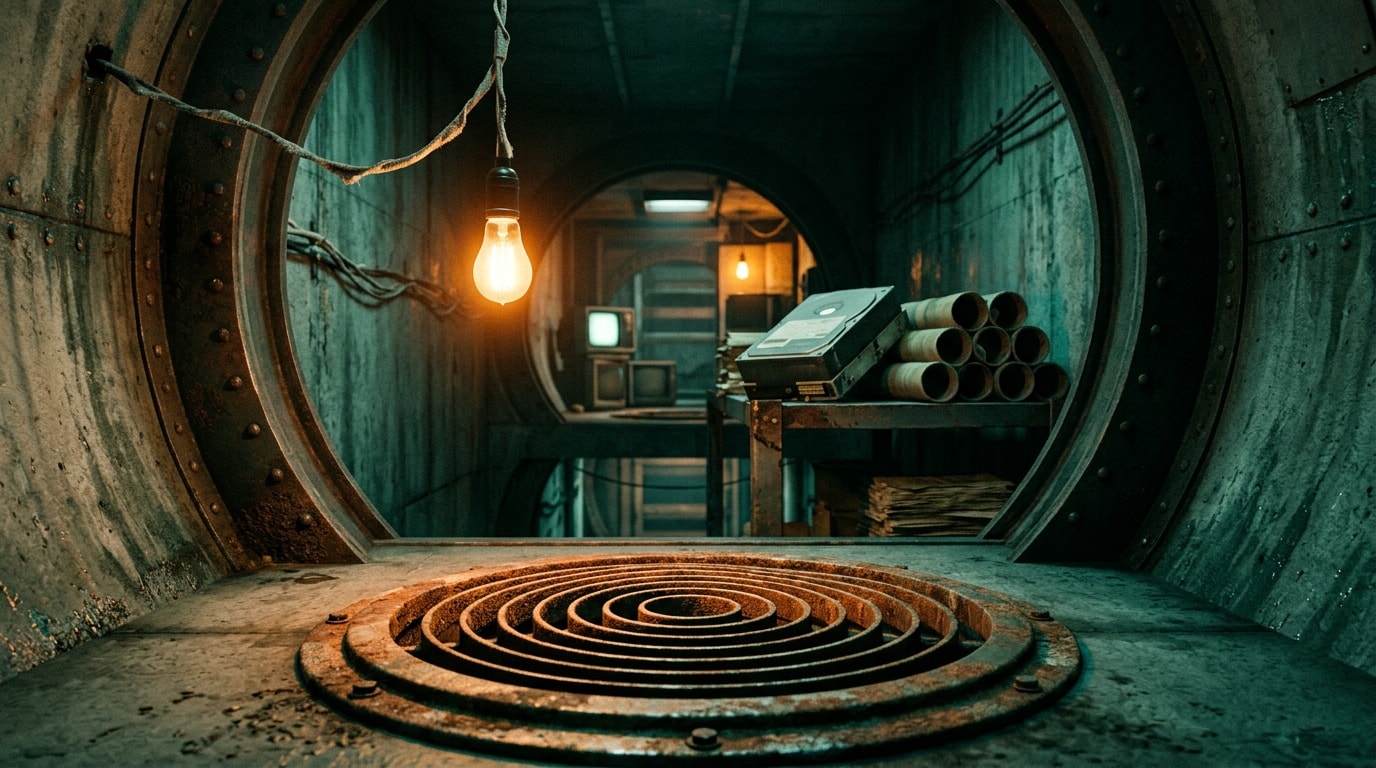
Holston's Clues Point to Hidden Evidence
Holston Becker built a deliberate information chain for his successor: a note directing Juliette to George Wilkins' file hidden in the Sheriff's apartment vent, and a hard drive whose absence from Recycling suggests either a second hidden cache or active interception.
The Poisoning and the Apartment Attack Are Two Phases of One Operation — and Marnes Is the Unresolved Mistake
The poisoning of Mayor Jahns was designed to eliminate both Jahns and Marnes simultaneously, using insider knowledge of upper-tier customs to make the method invisible.
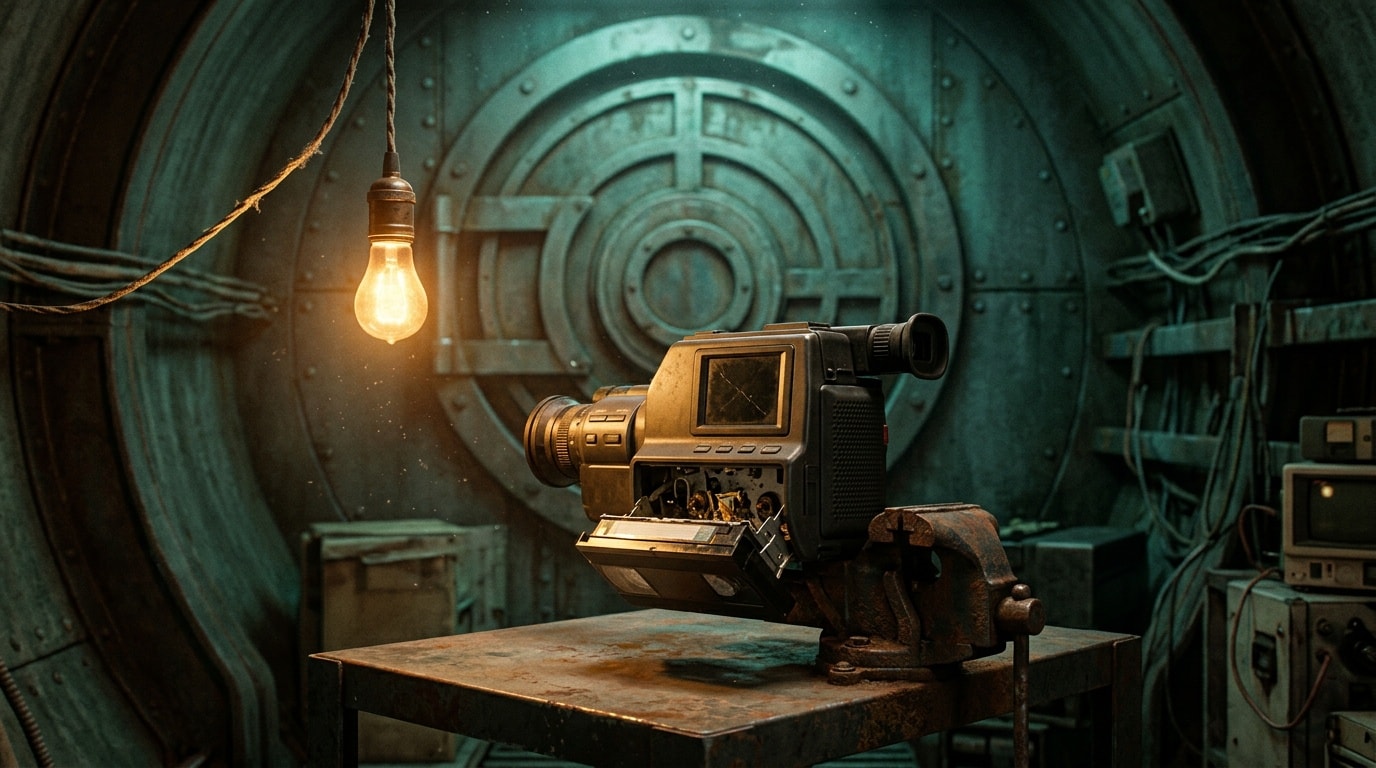
The Relic Martha Repairs Holds Dangerous Answers
Martha Walker will be intercepted with an operational forbidden recording device before Juliette can reach her, because the passive surveillance already monitoring their communication gives authorities a pretext that requires no knowledge of the device's contents.