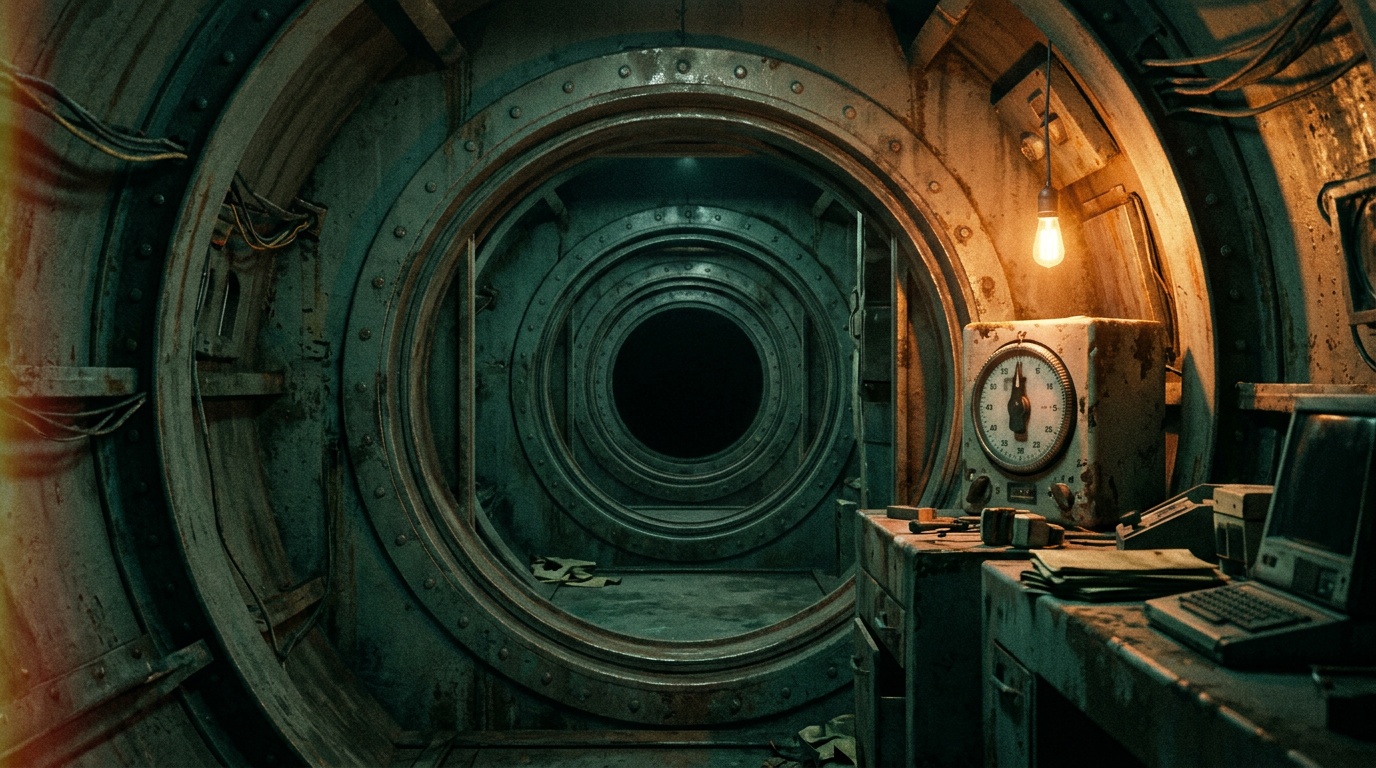
Bernard Walks Out of the Fire
THE ARGUMENT
Bernard survived the incinerator, and the show's deliberate refusal to confirm his death on screen is a structural commitment to his return in season 3. Every significant death this season has been witnessed and closed. Bernard's is not, and that distinction is the argument. A character who holds irreplaceable knowledge of the silo's governing architecture does not get disposed of in an automated decontamination fire framed as a cliffhanger unless the writers intend to bring him back.
How This Theory Works
Bernard survived the incinerator, and the show is withholding that fact until season 3. The argument is not that survival is likely in any realistic sense. The argument is that the show has made a deliberate structural choice to preserve the possibility, and structural choices in prestige television finales are not accidents.
In a season that confirms significant deaths on screen, Pete's sacrifice is explicit, witnessed, and closed. Bernard's is not. That asymmetry is the primary evidence. The gap between those two treatments cannot be explained by pacing or editorial economy. It can only be explained by intent.
The mechanism matters too. The incinerator fires as an automated decontamination response when the airlock doors close. No one executes Bernard. The system catches them both without discrimination. Juliette crossed between silos in a firefighter suit that offered thermal protection. Bernard has no such protection, but the show does not show what the absence of that protection costs him. The survival asymmetry between them is established and then left unresolved. That is not an oversight.
The strongest pressure on this theory comes from Bernard's irreplaceable function in the story. He carries knowledge of the Legacy, the Pact, and the governing architecture beneath the Order's written mandates that no living character on screen can replicate. Sims now holds the vault key and password, but operational authority is not the same as structural knowledge. Disposing of that knowledge in an automated mechanical process, off-screen, framed as a cliffhanger, would be a waste the show has not earned and has not committed to. Bernard burned and broken and surviving would cost the narrative nothing it has already spent. Bernard confirmed dead in the incinerator would close a door the finale chose to leave open.
Is this theory convincing?
Key Evidence
Death Left Unconfirmed On Screen
The episode ends with Bernard and Juliette locked in the incinerator as it fires up, but the show cuts away without showing Bernard's death or survival, leaving his fate genuinely unresolved.
Automated Airlock Decontamination Trigger
The incinerator fires not as a deliberate execution but as an automated decontamination response when the airlock doors close, meaning the system could conceivably be interrupted or survived under the right conditions.
Juliette's Suit as Survival Asymmetry
Juliette crossed between silos wearing a firefighter suit that offered thermal protection, creating a material difference between her and Bernard's exposure to the incinerator's heat.
Major Character Death Withheld
The show has established a pattern of confirming significant deaths on screen; Bernard's fate is deliberately withheld in a way that distinguishes it from other deaths in the same episode.
Bernard's Irreplaceable System Knowledge
Bernard remains one of the few characters with full working knowledge of the Legacy, the Pact, and the silo's governing architecture, making his off-screen disposal narratively costly.
Cliffhanger Structure Implies Return
The finale frames Bernard's incinerator entrapment as an unresolved cliffhanger rather than a concluded story beat, a structural choice that typically signals continued narrative relevance.
This theory was evaluated using Theory Atlas editorial standards, including evidence review, narrative fit, and competing interpretation analysis. Learn how Theory Atlas evaluates theories →
Other Theories for S2E10
Pete's Sacrifice Permanently Splits the Silo
Pete Nichols did not destroy three levels of stairs to win a battle.
Bernard's Surrender Was Psychological Collapse, Not Calculation
Bernard's transfer of the vault key and its code to Sims is psychological collapse disguised as institutional handover: a man who built his identity around managing the silo discovering, through Lukas's disclosure, that the system he served was structured against the survival he thought he was protecting.
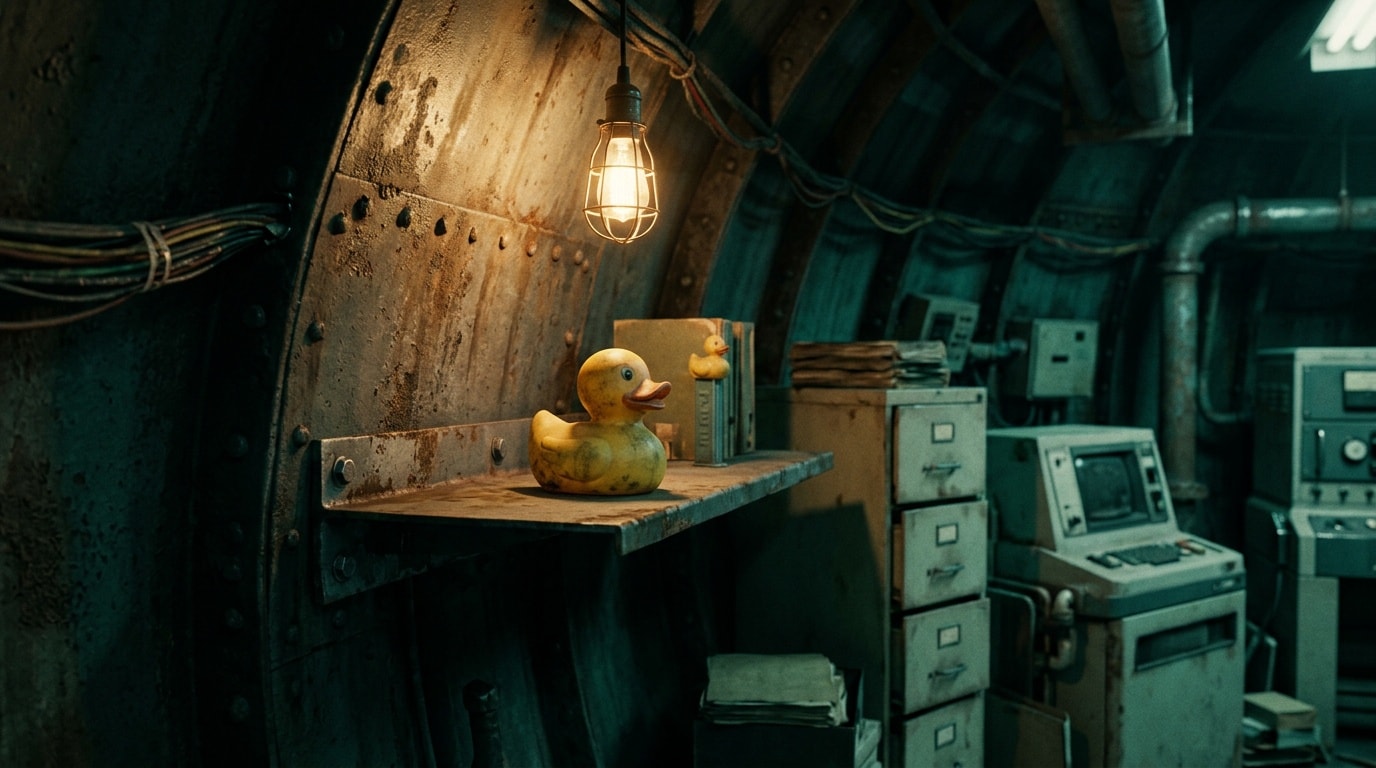
The Duck Dispenser Traces the Silo's Founders
Helen carried the rubber duck Pez dispenser into Silo 18 at its founding, making her a direct link between the silo's creators and the rebellion Juliette now leads.
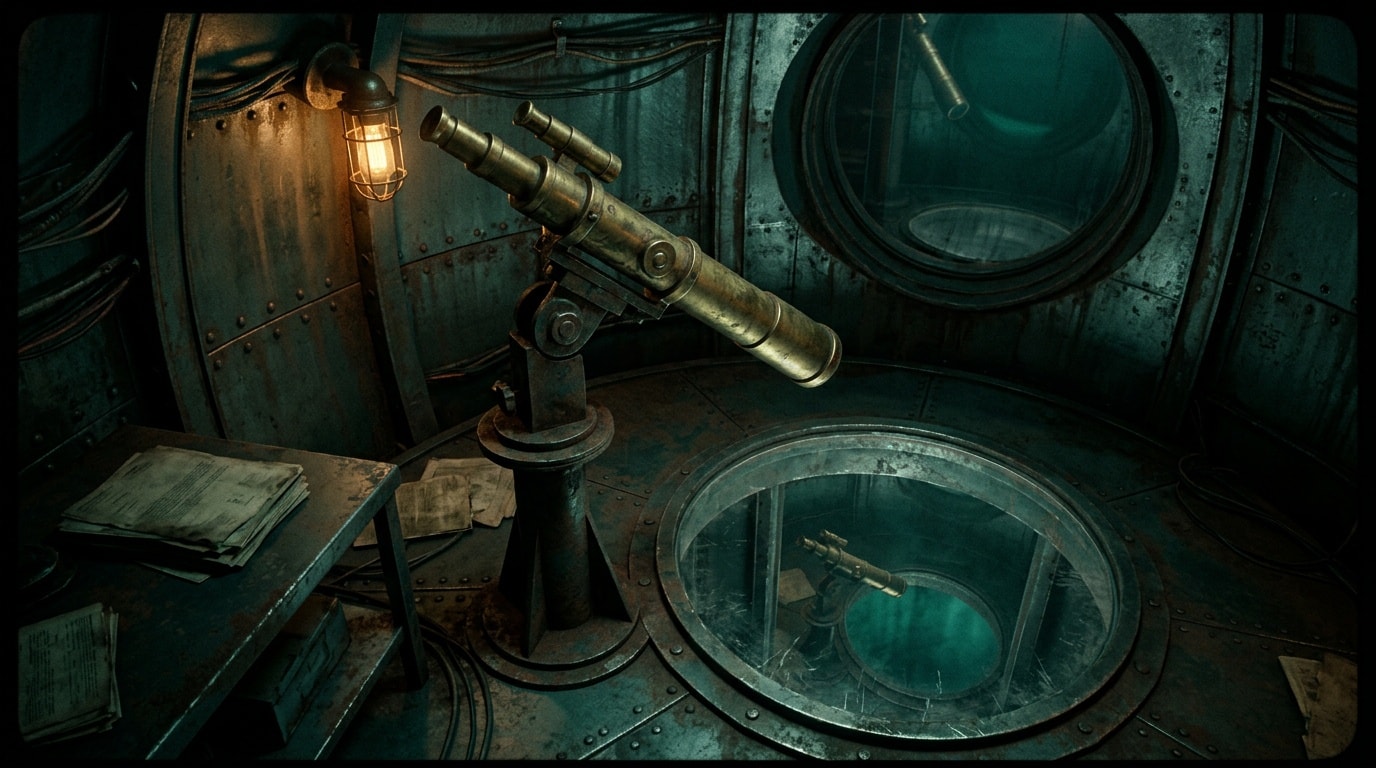
Iran's Dirty Bomb Built the Silos
The dirty bomb attributed to Iran was not the event that made the silos necessary.
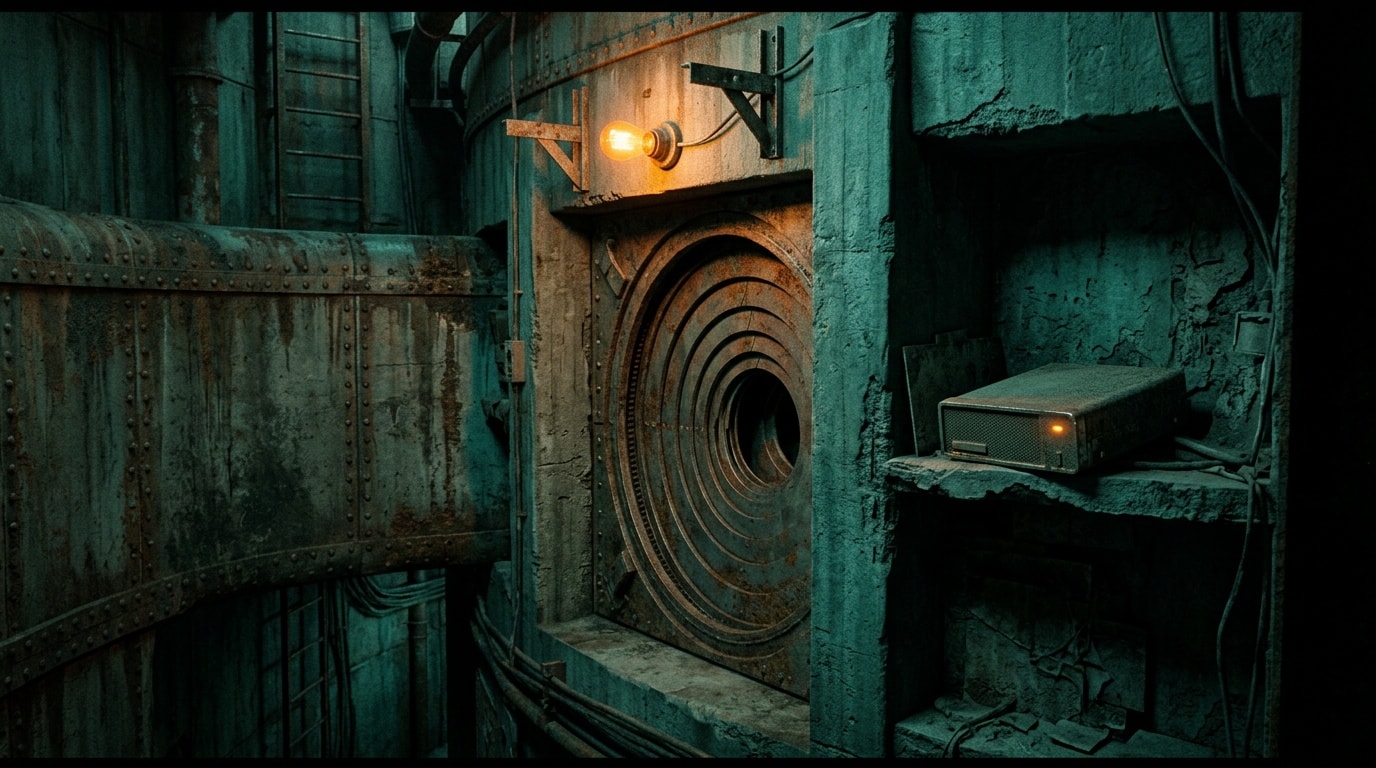
The Silos Are Secretly Connected Below
The steel door George discovered at the silo's base, documented in hard drive blueprints before anyone in Silo 18 could explain its purpose, points to designed inter-silo infrastructure that the governing structure has suppressed rather than sealed.