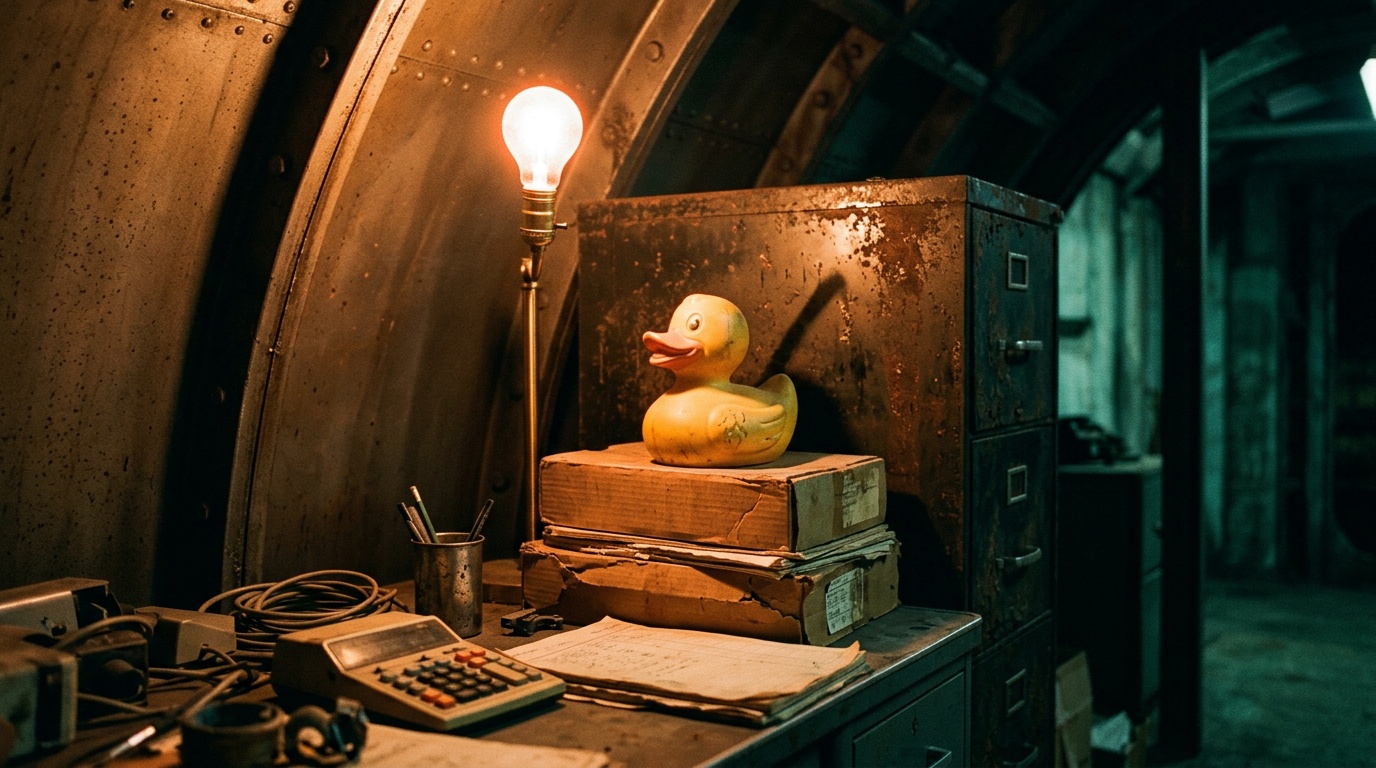
The Duck Dispenser Traces the Silo's Founders
THE ARGUMENT
The rubber duck Pez dispenser connects a pre-founding congressman who likely helped design the silo system to George Wilkins, a rebel archivist the silo eventually killed for what he knew. Surviving three hundred and fifty years in a sealed, resource-scarce environment requires a chain of deliberate preservation, which points toward George as a deliberately selected endpoint. This object suggests the silo's founders kept a thread running through the system long after the walls went up.
How This Theory Works
An object does not survive three hundred and fifty years inside a sealed, resource-scarce environment through sentiment or coincidence. It survives because successive hands chose to carry it forward, obscure its origin, and place it with someone who would understand what it meant. The theory holds that this chain was deliberate from the beginning, designed by people who understood exactly what the silo would become because they built it.
The congressman's explanation for giving Helen the dispenser, that he thought it was funny, does not hold up against what the object eventually becomes. When Charlotte pressed him on it, the scene's framing refused to let his answer land as sufficient. That refusal is the show's signal that something more was at stake than the character was willing to disclose. If the congressman understood the silo's purpose before the sealing, then placing the dispenser in Helen's hands was an act of seeding: inserting a marker into a system he helped construct. The gesture was dressed up as a joke, and the joke was meant to carry the weight without announcing it.
The dispenser's journey from Washington D.C. in the pre-founding timeline to its appearance inside Silo 18 is the unresolved problem the show leaves open. How does an object from the before-times cross the boundary into a sealed environment and remain intact across centuries? The answer this theory proposes is that it crossed because someone carried it deliberately, and that the carrying continued generation after generation inside. The object was placed, and the placement was repeated.
What makes George Wilkins the part that cannot be explained away is who George was inside the silo. He was an archivist of forbidden knowledge, someone the silo's enforcement apparatus hunted and ultimately killed for what he had accumulated and kept. That the dispenser ended in his possession specifically, among the thousands of residents who would have been easier and safer keepers, suggests the preservation chain selected for exactly that kind of person across every generation between Helen and George. People who archived forbidden things made improbable keepers for a marked object, which is precisely why they made sense as endpoints. George's role, under this reading, was assigned to him across generations of deliberate placement.
The show positions the dispenser as the object that anchored the central mystery of season one, placing it at the narrative hinge between the founding era and the present rebellion. That positioning reinforces the theory's core claim: the architects of the silo left a traceable line running through its interior, one that only someone with George's particular habits and instincts could follow to its end. His death would then mark the cutting of that line, silencing the last living contact point in a relay the founders had maintained across centuries.
Taken together, these threads point toward a silo that was never as self-contained as its rules insisted. The founders built the walls, wrote the proscriptions, and then threaded something through the interior that the walls and proscriptions were designed to suppress. The dispenser is the surviving evidence of that contradiction.
Is this theory convincing?
Key Evidence
Dispenser Given Before Silo Sealing
A congressman handed Helen a rubber duck Pez dispenser in Washington D.C. during the pre-founding timeline, the same object later identified as George Wilkins' dispenser in Silo 18 in season one.
George's Dispenser Starts Season One
The rubber duck Pez dispenser is described as the object that started the central mystery of season one, positioning it as a narrative anchor linking the founding era to the present rebellion.
Charlotte Asks About the Gift
Charlotte directly questioned the congressman about why he gave Helen the dispenser, and his answer that he thought it was funny was treated as insufficient by the scene's framing, implying a hidden motive.
Dispenser Visible Inside the Silo
The Pez dispenser appears referenced inside the silo environment, raising the unresolved question of how an object from the before-times crossed the boundary into the sealed silo across centuries.
Possible Family or Historical Connection
The dispenser's presence in both timelines suggests either a family lineage or a deliberate historical relay connecting someone in the founding generation to the characters inside the silo today.
This theory was evaluated using Theory Atlas editorial standards, including evidence review, narrative fit, and competing interpretation analysis. Learn how Theory Atlas evaluates theories →
Other Theories for S3E01
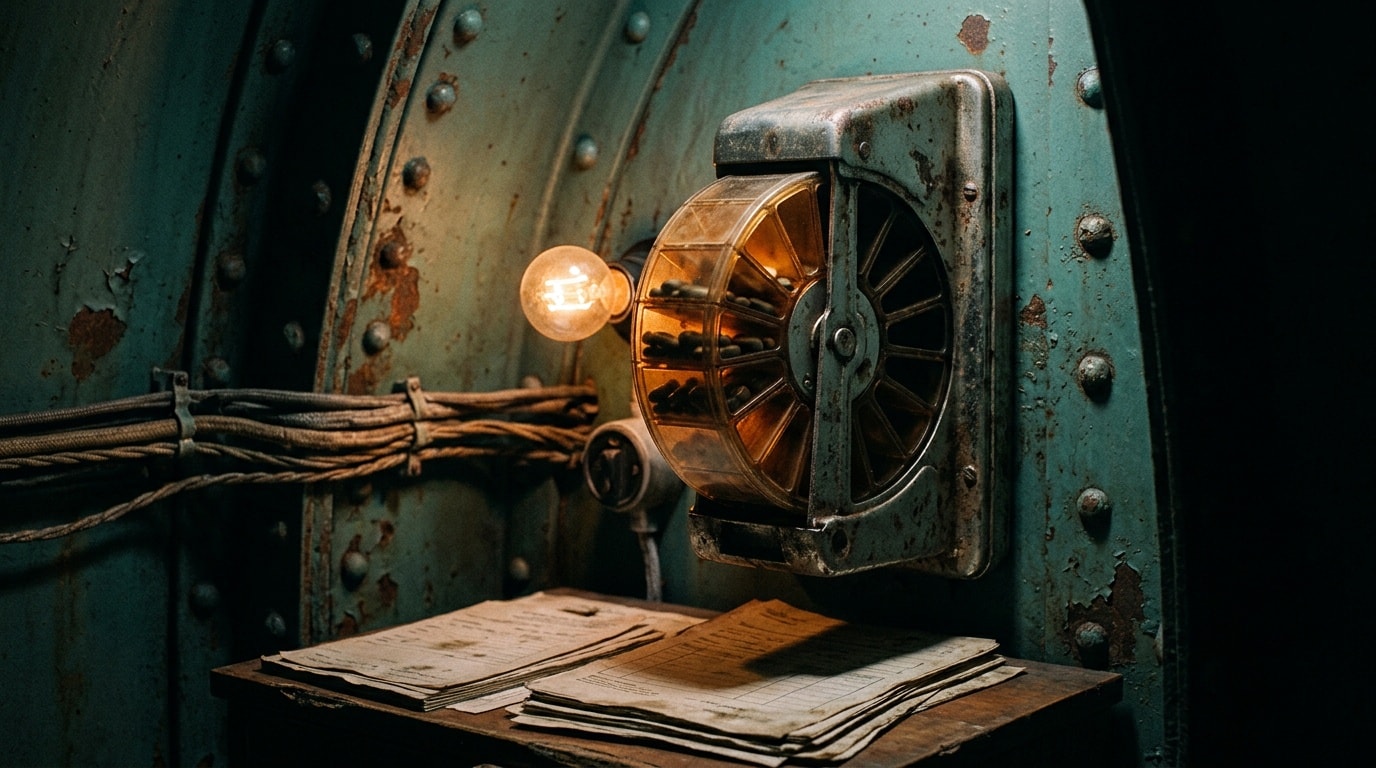
The Vitamins Are Erasing Juliette's Mind
The pills Camille administers as vitamins are chemically targeted memory suppressants ordered by the Algorithm, designed to replace Juliette's real memories with a fabricated survival narrative that makes her controllable as mayor.
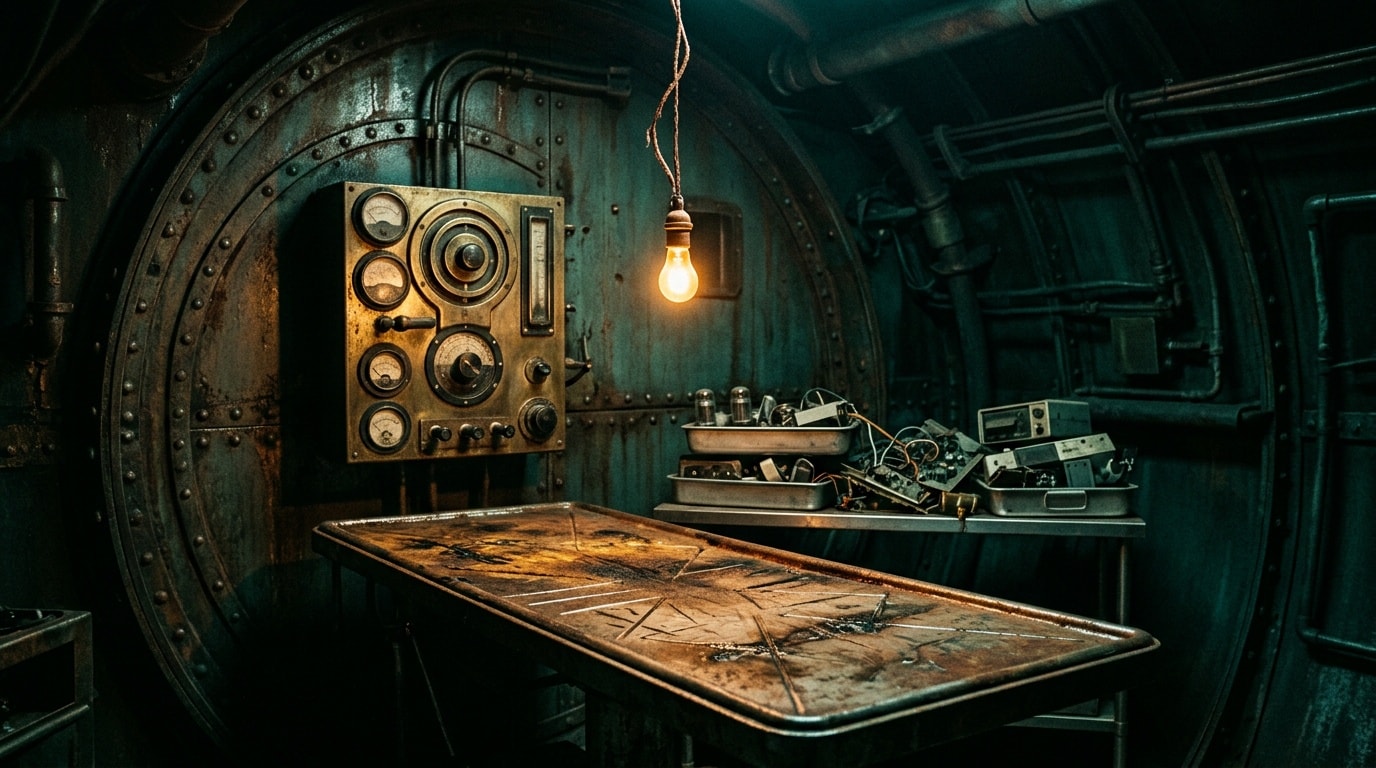
The Cloud Over Iran Is the Silo System's First Weapon, and Charlotte Keene Is Its First Product
The cloud Charlotte's squadron encountered at fifty thousand feet over Iran was an engineered substance originating from the mountain facility her unit was tasked to destroy, with physical residue on her aircraft confirming direct contact with a designed agent.
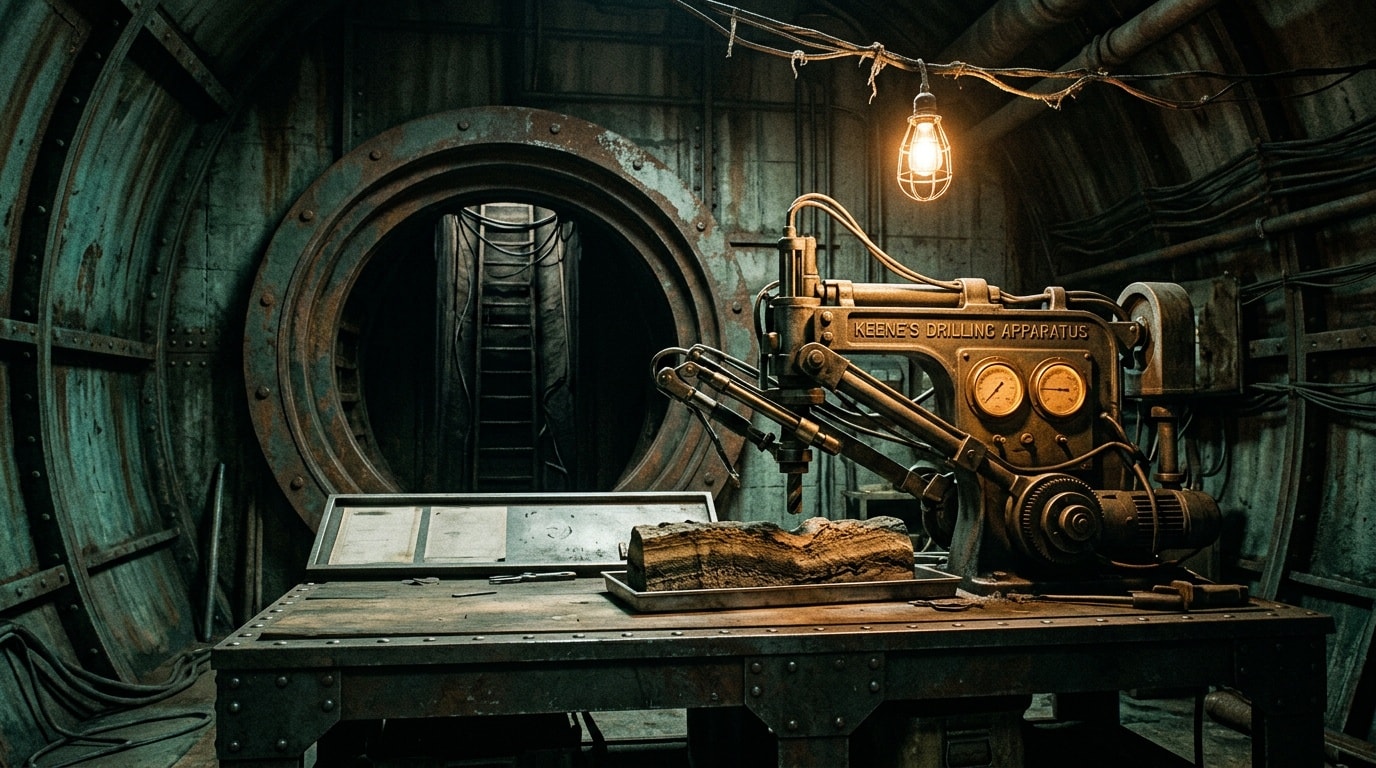
Keene's Drill Was the Lynchpin of a Pre-Planned Civilizational Replacement
Daniel Keene's no-surface-disturbance drilling technology was the single prerequisite that made covert silo construction physically achievable, placing him at the foundation of a civilizational replacement program authorized by Senator Paula Thurman's Iran counter-attack committee before any public catastrophe existed.