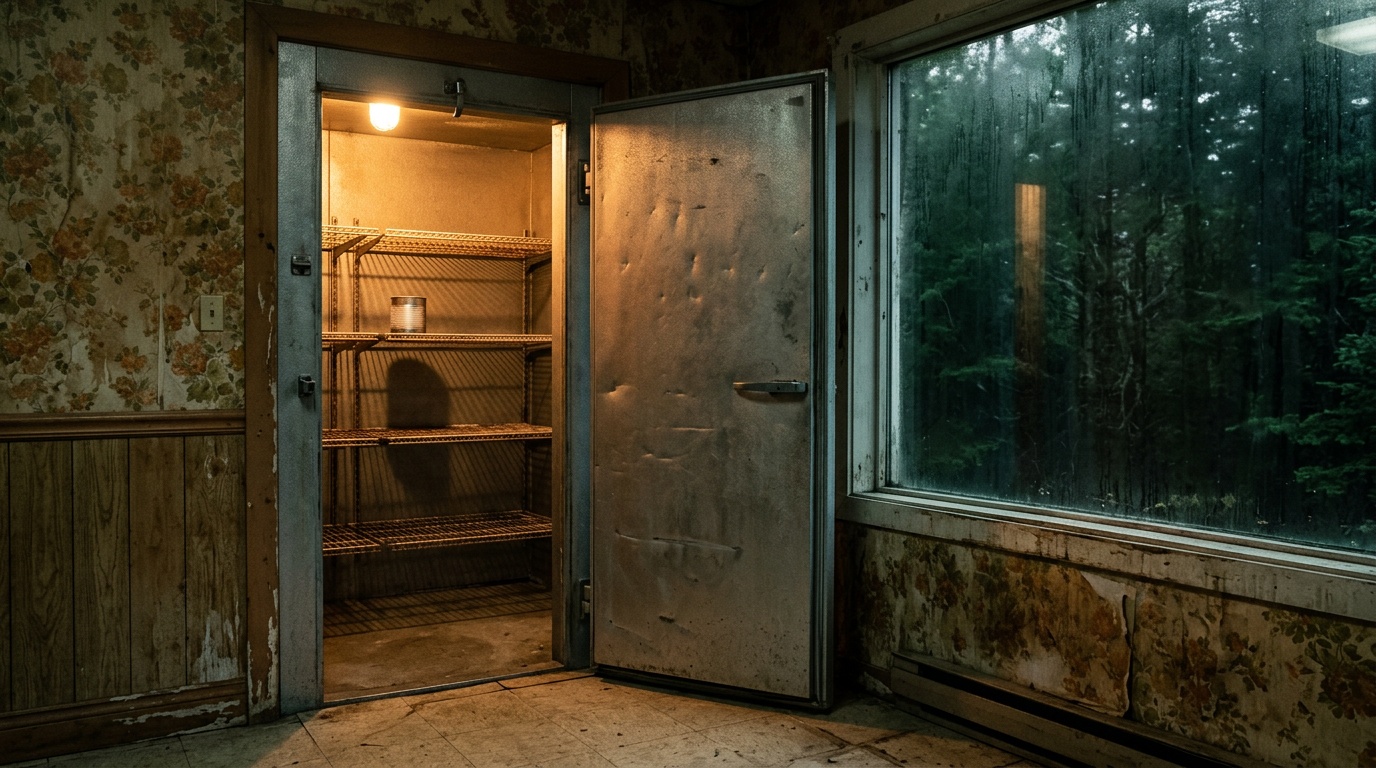
Whoever Watches Wants Them Desperate
THE ARGUMENT
The food shortage in FROM is not an accident but a deliberate instrument, engineered by whatever force controls the town to drive psychological breakdown and social fracture among the residents. Jim Matthews names the mechanism directly: the shortage is a lever, and the watcher pulls it to increase stress. The system's most precise feature is that it does not need to apply visible pressure, because residents like Donna, making reasonable choices under impossible conditions, produce the collapse on its behalf.
How This Theory Works
The most uncomfortable implication of Jim's framework is not that someone is watching. It is that the system was designed to make the residents destroy each other, so that the controlling force never has to act as a visible antagonist. The trap works not through monsters or locked doors but through the residents' own psychology, turned against itself with precision.
The mechanism begins with information asymmetry. Donna estimates a year of food with proper rationing. Jim counters with a month at most. That gap is not a logistical dispute. It is the opening Jim uses to name what the gap reveals: whoever is watching would want to increase the stress level. The food shortage, on this reading, is a lever, and someone is pulling it.
The theory treats scarcity as a psychological instrument rather than a natural consequence of isolation. Jim does not frame the shortage as bad luck or poor planning. He frames it as intentional pressure applied by an external will. A controlling force that can trap people, supply them with just enough to survive, and withdraw resources at calculated intervals would be consistent with everything the residents have already been forced to accept as normal.
Dale's knife confrontation, the wound to Ellis, Donna's decision to suppress the shortage from Colony House residents rather than disclose it: each of these cascades directly from scarcity. The stress is rising and the violence is already happening. The town appears to benefit from the fracture regardless of whether any force directly caused it.
Donna's suppression of the food information is where the theory stops being abstract and becomes structural. She is not acting from malice. But her choice to keep Colony House uninformed produces exactly what Jim predicts the watching force wants: distrust manufactured internally, by the residents themselves, so that no external pressure needs to be visible. The controlling intelligence, if it exists, did not need to fracture the community. It built conditions under which a reasonable person, trying to maintain order, would do the fracturing on its behalf. That is not a side effect of the design. That is the design. The system was not built to trap people who would eventually escape. It was built to trap people who would, under the right pressure, become the reason each other cannot.
Is this theory convincing?
Key Evidence
Jim's Watcher Stress Statement
Jim explicitly tells the group that whoever is watching them would want to increase the stress level, directly linking the food shortage to an external deliberate force.
Donna vs. Jim Food Estimate Contradiction
Donna claims their food supply will last a year with proper rationing, but Jim immediately counters that they have a month at most, suggesting the shortage is both severe and concealed.
Jim's Experiment Framework
Jim situates the food shortage within his broader theory that the town is a controlled experiment designed to observe how residents survive under escalating pressure.
Dale's Knife Confrontation
Resource anxiety over food directly causes Dale to brandish a knife at Elgin and Bakta, ultimately resulting in Ellis being accidentally stabbed, demonstrating the violent social fractures scarcity produces.
Donna's Deliberate Information Suppression
Donna instructs her team to tell residents they are working out a new rationing system rather than disclose the shortage, creating exactly the kind of community tension and distrust the theory predicts the town wants.
Ethan's Frightened Reaction
When Ethan hears that there is not enough food, his visible fear and Jim's need to redirect him underscore how destabilizing the shortage is even when only partially disclosed.
This theory was evaluated using Theory Atlas editorial standards, including evidence review, narrative fit, and competing interpretation analysis. Learn how Theory Atlas evaluates theories →
Other Theories for S2E06

Boyd Was Selected for the Infection, and the Infection Is Building a Weapon
Boyd's worm infection was not a consequence of exposure but of evaluation: his sustained pattern of mercy across Martin, the creature, and Sara constitutes a behavioral profile the town's forces appear to have been actively assessing, with the infection as the outcome of meeting the criterion.
Fatima's Secret Predates the Sara Crisis
Fatima has been using Ellis's failure to disclose Boyd's secret as cover for her own concealment, one that originates from the night the bus arrived and predates the Sara crisis entirely.
The Clinic's Drug Supply Is Already Compromised
Mari's admission that she took 'a bit of morphine to even herself out' is not a confession to a single lapse.
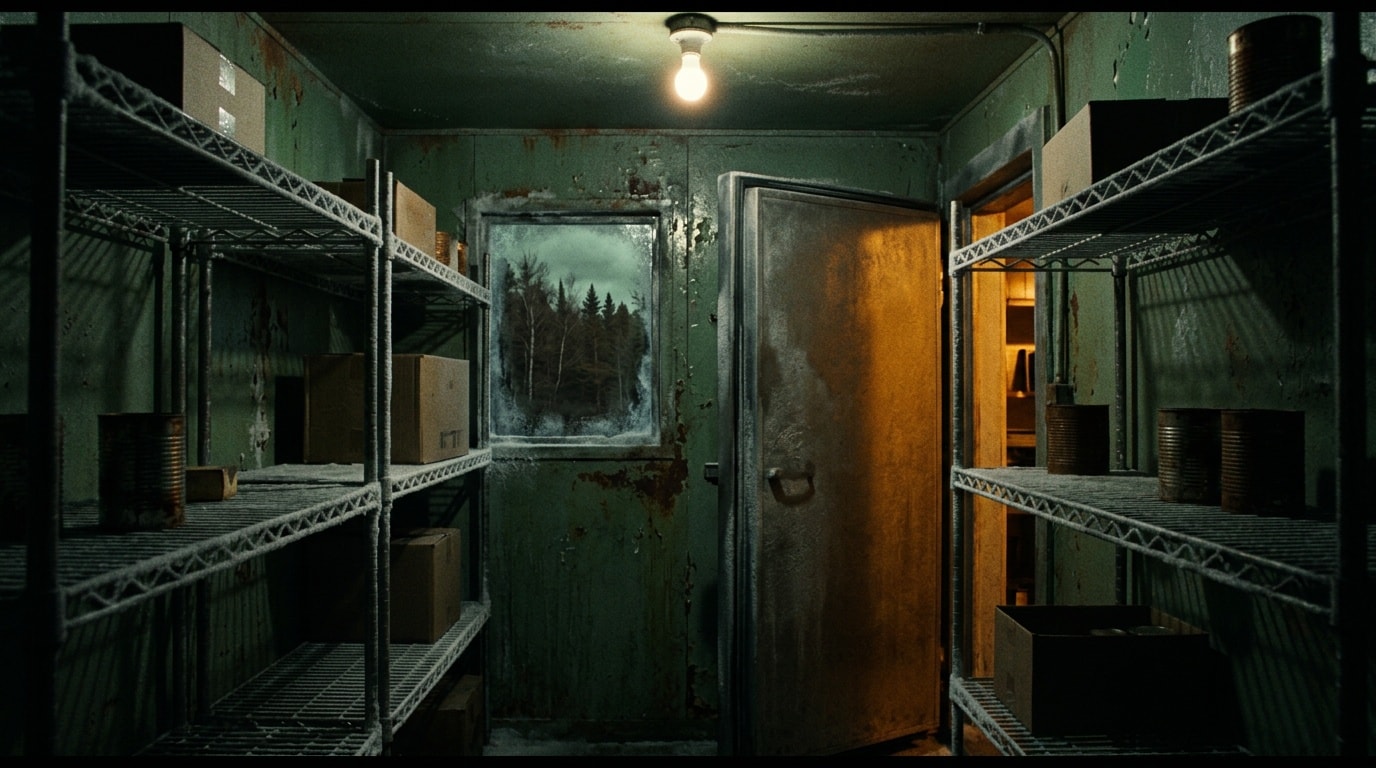
One Month, Not One Year
The town's food supply will last approximately one month, not the year Donna claimed when rationing began.

Disbelief Traps Witnesses in Isolation
The town's instinct to interpret supernatural experience as mental illness does not merely fail its witnesses.

The Town's Frozen Season Finally Breaks
The leaves changing for the first time in the town's history indicate that whatever has held its environment in stasis is no longer holding, and the food crisis arriving simultaneously suggests the two disruptions share a cause rather than a coincidence.

The Pas de Deux Is the System's Fatal Design Flaw
The worm infection is not tormenting Boyd but dancing with him, running a structured conditioning protocol whose intimacy and sophistication are visible in the music box's causal role and the Martin/Boyd parallel.