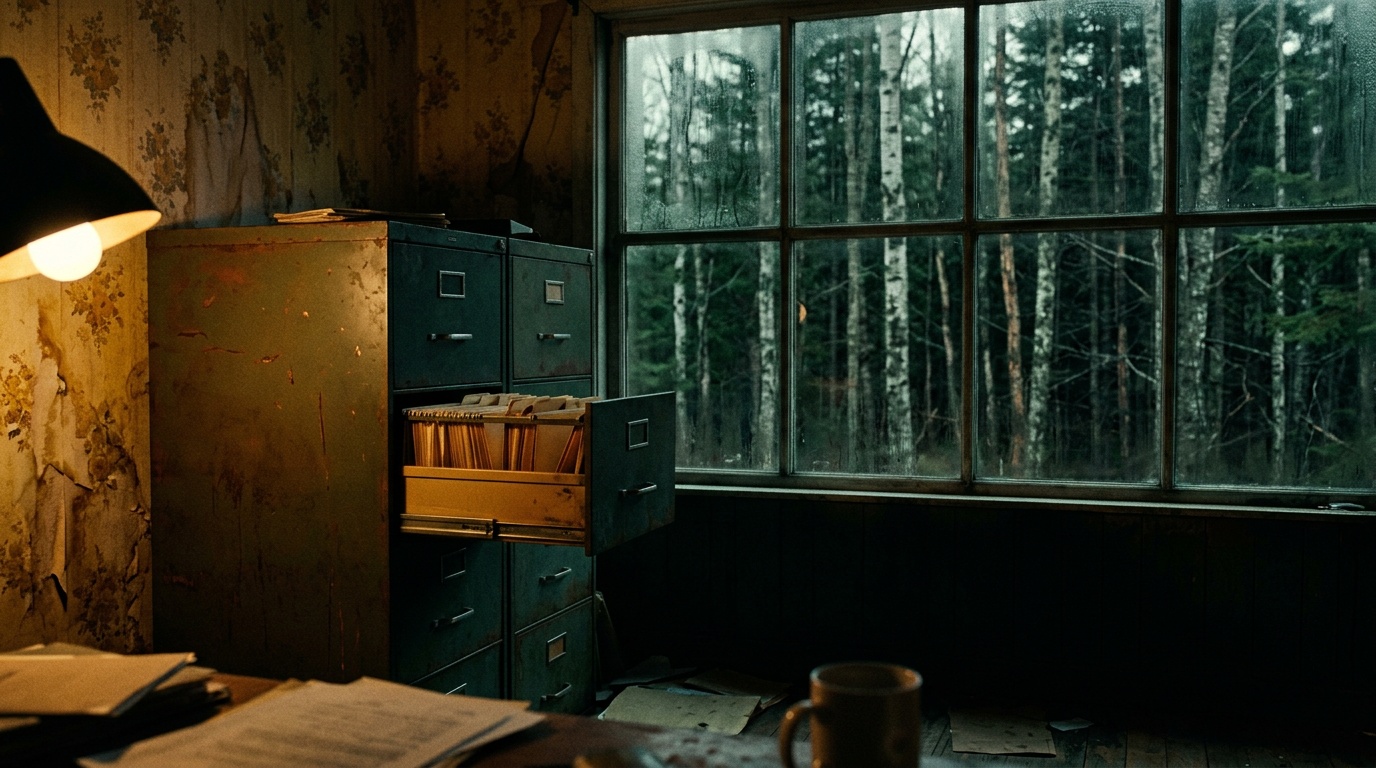
The Boy and Sophia Have Done This Before
THE ARGUMENT
Sophia and the Boy in White have contested control of the township across multiple prior cycles, both carry memory of those iterations, and Sophia has won each one until now. The Boy's 'this time' phrasing is not rhetorical emphasis but a structural admission of prior defeats. The bones are the single new variable he believes breaks her streak, which means every cycle without them ended in Sophia's favor.
How This Theory Works
Sophia and the Boy in White have run this contest before, and both of them remember it. The Boy's phrasing is the tell: he does not say she will lose, he says she will lose 'this time,' a construction that grammatically requires prior iterations. Sophia's reply, 'I guess we'll see,' carries no surprise, no denial, no confusion. Neither of them is having this conversation for the first time.
The bones are the pivot. The Boy names them directly as the reason this cycle ends differently for Sophia. That claim only carries weight if prior cycles lacked the same variable, which means Sophia won every previous round precisely because the bones were never secured. Jade and Tabitha's retrieval of the children's remains is not a plot development within a singular crisis. It is the first successful move in an otherwise stable losing sequence for the Boy in White, the one deviation across however many iterations have already run.
The creatures' demonstrated retention of personal memory across cycles points toward the same architecture. If the creatures can carry experiential knowledge of individual residents forward through resets that wipe those residents clean, then memory-across-cycles is an established structural feature of how this place works, not a special condition granted only to Sophia and the Boy. Their remembered contest is not a narrative anomaly. It is the same faculty operating at a higher level of the township's hierarchy.
The Boy in White's apparent aging compounds this. If prior cycles ended in resets that restored him, this cycle's failure to reset means he is accumulating time for the first time. His certainty that the bones change everything may be less about tactical advantage and more about urgency: a figure who has absorbed the loss of every prior round and simply waited for the next reset now faces a cycle that is running without an exit. Sophia's winning record was sustainable when the game restarted. It is a different kind of liability when the game does not.
Sophia's arrival at the Farway Tree with the talismans already gathered confirms she is executing a prepared strategy, not improvising. Someone who knows how cycles unfold does not arrive empty-handed. Her confidence is not irrational bravado. It is the calibrated assessment of someone with a winning record in this specific contest. The Boy in White's certainty that this time is different is a concession that all the previous times were hers, and a signal that he understands, perhaps better than she does, that the conditions sustaining her record no longer apply.
Is this theory convincing?
Key Evidence
Boy's 'This Time' Phrasing
The Boy in White tells Sophia 'you are going to lose this time,' a formulation that grammatically presupposes prior iterations in which she did not lose.
Sophia's Unsurprised Reply
Sophia responds only with 'I guess we'll see,' expressing no confusion or disbelief at the suggestion of prior rounds, treating the exchange as routine.
Boy References the Bones
The Boy in White notes that 'they have the bones' as the specific reason Sophia will lose, implying the bones are a new variable absent from previous cycles.
Sophia's Prepared Talisman Plan
Sophia arrives at the Farway Tree with the stolen talismans already gathered, suggesting she is executing a pre-planned counter-move rather than improvising, consistent with someone who knows how these cycles unfold.
Casual Tone of a Familiar Exchange
Multiple sources observe that the dialogue between Sophia and the Boy in White is strikingly relaxed, more like rivals acknowledging a rematch than enemies meeting for the first time.
This theory was evaluated using Theory Atlas editorial standards, including evidence review, narrative fit, and competing interpretation analysis. Learn how Theory Atlas evaluates theories →
Other Theories for S4E10
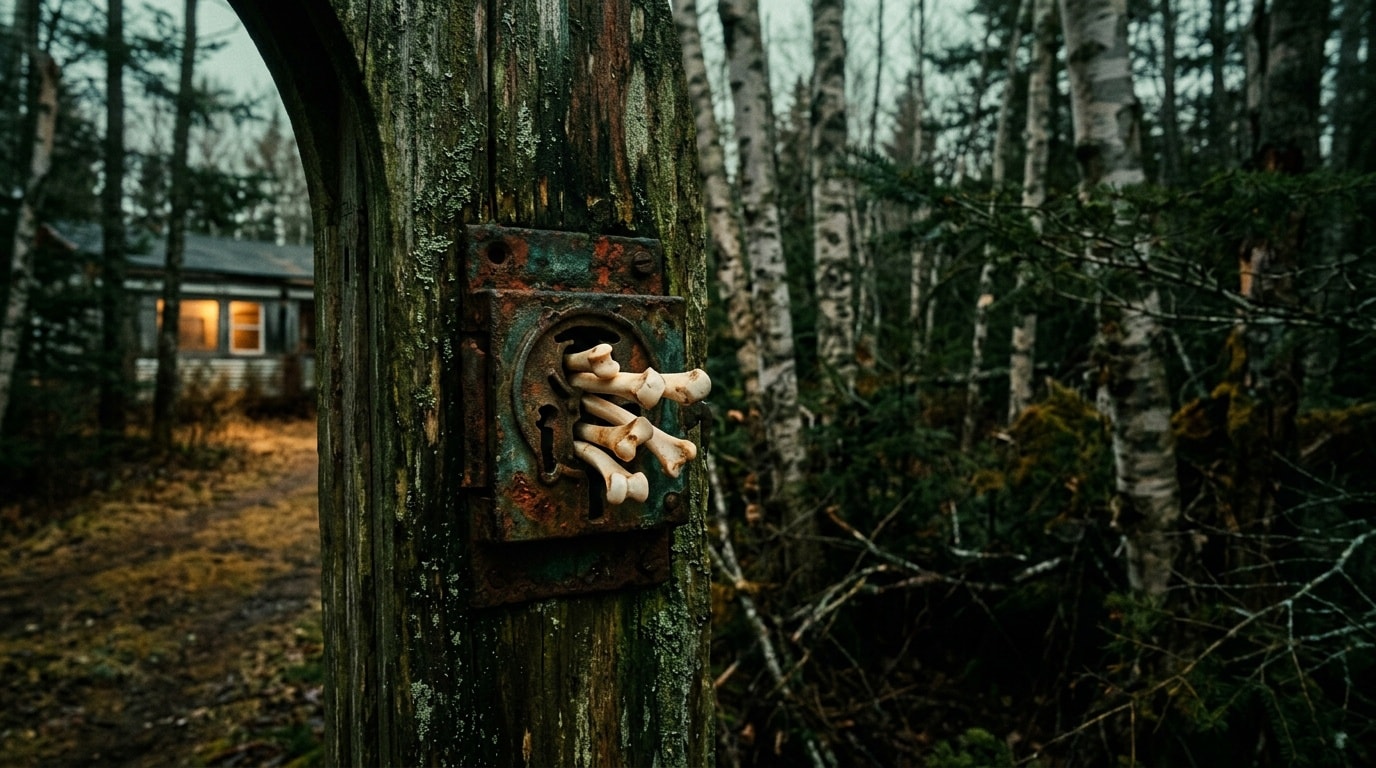
The Bones Are the Exit Price: Escape, Ritual, and Boyd's Convergence as One Mechanism
The Township has always required Jade and Tabitha to spend their daughter's remains as the cost of leaving, and using the children's bones to physically break open the barred archway is not a desecration of the ritual but its completion.

Sophia Harvested Elgin to See the End
Sophia is executing a two-phase endgame she has attempted and failed at least once before: stripping the town's passive talisman defenses to replicate the Clinic breach at scale, while using a hand-contact ritual to extract specific capacities from key individuals.

Sophia Engineered the Bond Smiley's 'Interesting' Ratified
Sophia used the herbal mixture, administered through Clara, to initiate Fatima's transformation long before Smiley reached the Clinic, writing her into his perception as something categorically distinct from prey.
Henry Armed Himself to Escape Reality by Force
Henry's vision has been directing him toward killing Victor as a deliberate mechanism of escape, not as an emotional breakdown.

The Bottle Tree Was the Keystone of a Single Integrated System, and Its Removal Was the Ignition
The Bottle Tree was not one layer among several independent protections but the load-bearing anchor of a unified defensive architecture in which daylight, talismans, and creature behavioral constraints were interlocking outputs of one system.

Smiley Spared Fatima Because She Is Mother
Fatima's unborn child has already been assigned a function within the town's supernatural system, and Smiley's visit to the clinic was not predatory but transactional, a formal acknowledgment of that claim.

The Town's Earthquakes Are Deliberate Interventions
Something is actively timing earthquakes to protect Jade and Tabitha specifically, targeting the creatures while leaving the humans unharmed, and has been doing so across multiple episodes.

The Man in Yellow Wears the Dead
The Man in Yellow selects its stolen identities based on knowledge of surviving grief, not random availability of the dead.