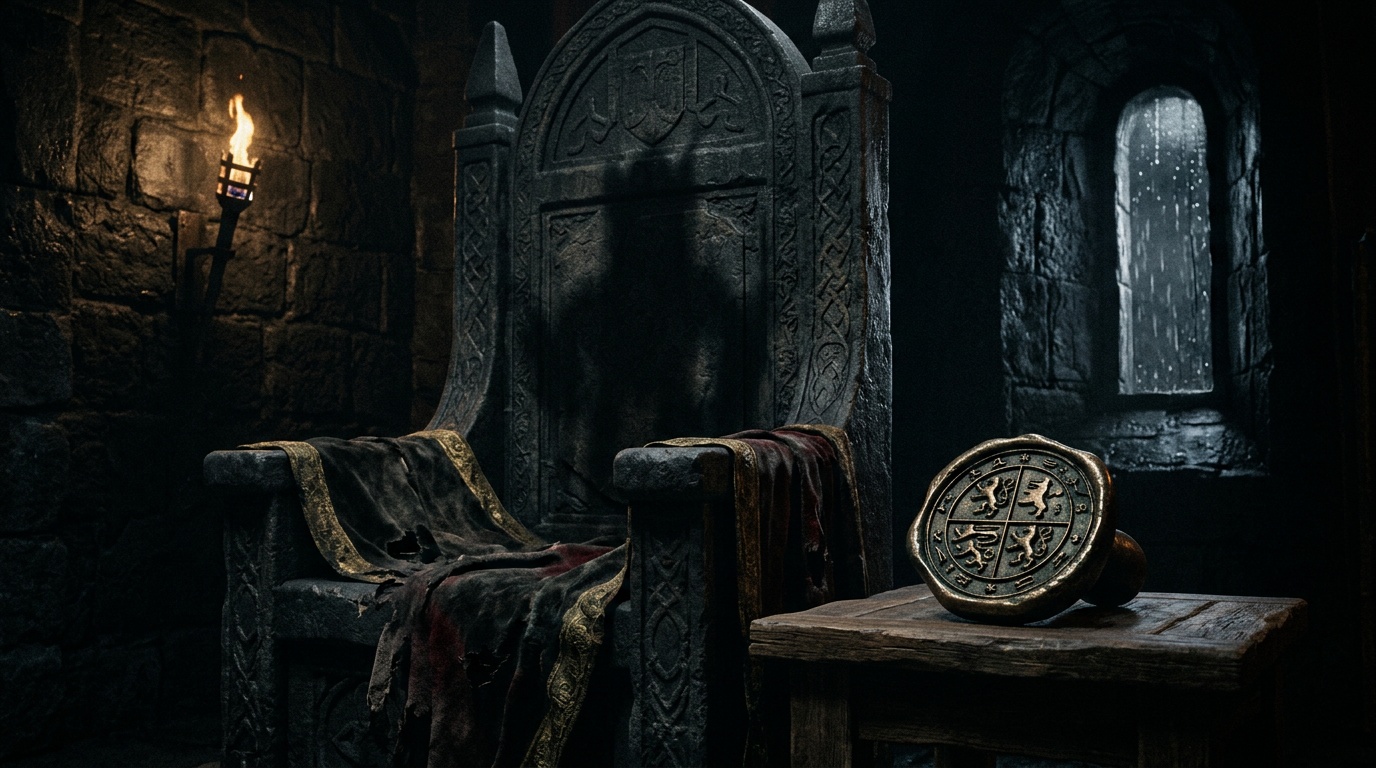
Vaemond's Driftmark Bid Serves Two Masters
THE ARGUMENT
Viserys's execution of Vaemond did not simply silence one man. It permanently attached the bastard accusation to a headless corpse, stripping the charge of the judicial standing that would have made it lethal. The Hightowers did not lose a fleet when Vaemond died. They lost the only proceeding that could have legally delegitimized Rhaenyra's sons.
How This Theory Works
The transaction is confirmed on screen. Vaemond pledges the Velaryon fleet to Otto and Alicent in exchange for their support, which transforms what might read as a principled bloodline argument into a purchase order. He is not raising a legal objection. He is buying a verdict. This matters because it establishes Vaemond not as a claimant who happens to be opportunistic, but as a mechanism the Hightowers require precisely because they cannot make the bastard accusation themselves. Doing so directly would expose them as partisans rather than arbiters. Vaemond provides the crowbar. He does not understand he will be left holding it.
The Hightowers had spent years manufacturing conditions in which Viserys would believe he was acting on his own judgment. The Driftmark hearing is that strategy at its most refined: Alicent's declaration that she and Otto hold sole authority over the verdict installs the Hightowers as arbiters rather than combatants. One ruling in that chamber could accomplish without a sword what years of maneuvering had not. Rhaenyra names the structural logic herself. If Lucerys's claim to Driftmark falls, Jace's precedent falls with it, and her own succession unravels from below.
What the Hightowers did not account for is that Vaemond was not the only man in the room capable of acting outside the proceeding's rules. Daemon does not wait for the hearing to run its course. He baits Vaemond into completing the bastard accusation aloud, in open court, and then kills him before any instrument of law can attach to the words. The sequence matters. Vaemond's insult is the trigger Daemon required. The execution is not a reaction. It is the destination.
Viserys cuts the proceeding off before it produces a verdict. That act does something more precise than silencing a challenger. It attaches the bastard charge permanently to a disgraced and headless man. There is no ruling, no legal instrument, nothing the Hightowers can point to as precedent. What existed as a weaponizable proceeding is now a martyrdom that serves no faction. The Velaryons return to Rhaenyra intact. The fleet pledge dies with the man who made it.
The sharpest implication the evidence supports is not that Viserys acted out of fatherly instinct, though the scene allows that reading. It is that his intervention, whether calculated or reflexive, produced the single outcome the Hightowers could not recover from. They needed a ruling. A ruling becomes precedent. A corpse becomes a cautionary tale about overreach. Daemon understood this. Vaemond never did. The difference between being a claimant and being a tool is that the tool has no say in when it gets dropped. His death did not cost Otto and Alicent a fleet. It cost them the only proof that was ever going to matter.
Is this theory convincing?
Key Evidence
Vaemond Names Lucerys a Bastard
Vaemond explicitly asserts in the Hall of Nine that Lucerys is a bastard son of Harwin Strong, not a true Velaryon, as the basis for his own claim to Driftmark.
Fleet Pledged for Favorable Ruling
Vaemond meets privately with Otto and Alicent and pledges the Velaryon fleet to support them in exchange for their acknowledgment of his claim to Driftmark, revealing the transactional nature of his challenge.
Luke's Visible Self-Consciousness at Court
Lucerys is visibly aware of courtiers staring at him in the Red Keep's yard, conscious that his resemblance to Harwin Strong rather than Laenor Velaryon undermines his claim to Driftmark.
Bloodline Purity as Stated Motive
Vaemond frames his claim in terms of preserving pure Valyrian bloodline control over Driftmark, invoking a principle beyond personal succession to give his challenge ideological weight.
Bastard Claim Threatens Rhaenyra's Succession
Rhaenyra explicitly states that if Lucerys's claim to Driftmark is overturned, Jace's claim and her own claim to the Iron Throne are jeopardized by the same logic of illegitimacy.
Alicent Positioned as Sole Arbiter
When Rhaenyra questions who will decide Lucerys's right to his inheritance, Alicent declares that authority belongs to her and her father as Hand of the King, confirming the Hightowers control the verdict.
This theory was evaluated using Theory Atlas editorial standards, including evidence review, narrative fit, and competing interpretation analysis. Learn how Theory Atlas evaluates theories →
Other Theories for S1E08

Alicent's Handmaid Reports to Mysaria
Talya is not simply a servant who sells information.
The War Rhaenyra's Question Started: How a Misdelivered Prophecy Ignited the Dance of Dragons
Viserys's dying words are not a final royal instruction to Alicent.

The Managed King: How Alicent's Suppression Architecture Made Viserys's Final Act Possible and Necessary
Alicent Hightower's regency rested not on improvisation but on an inherited suppression architecture operating across three interlocking registers: chemical management of Viserys's cognitive availability, institutional silencing of inconvenient witnesses, and symbolic replacement of royal authority throughout the Red Keep.
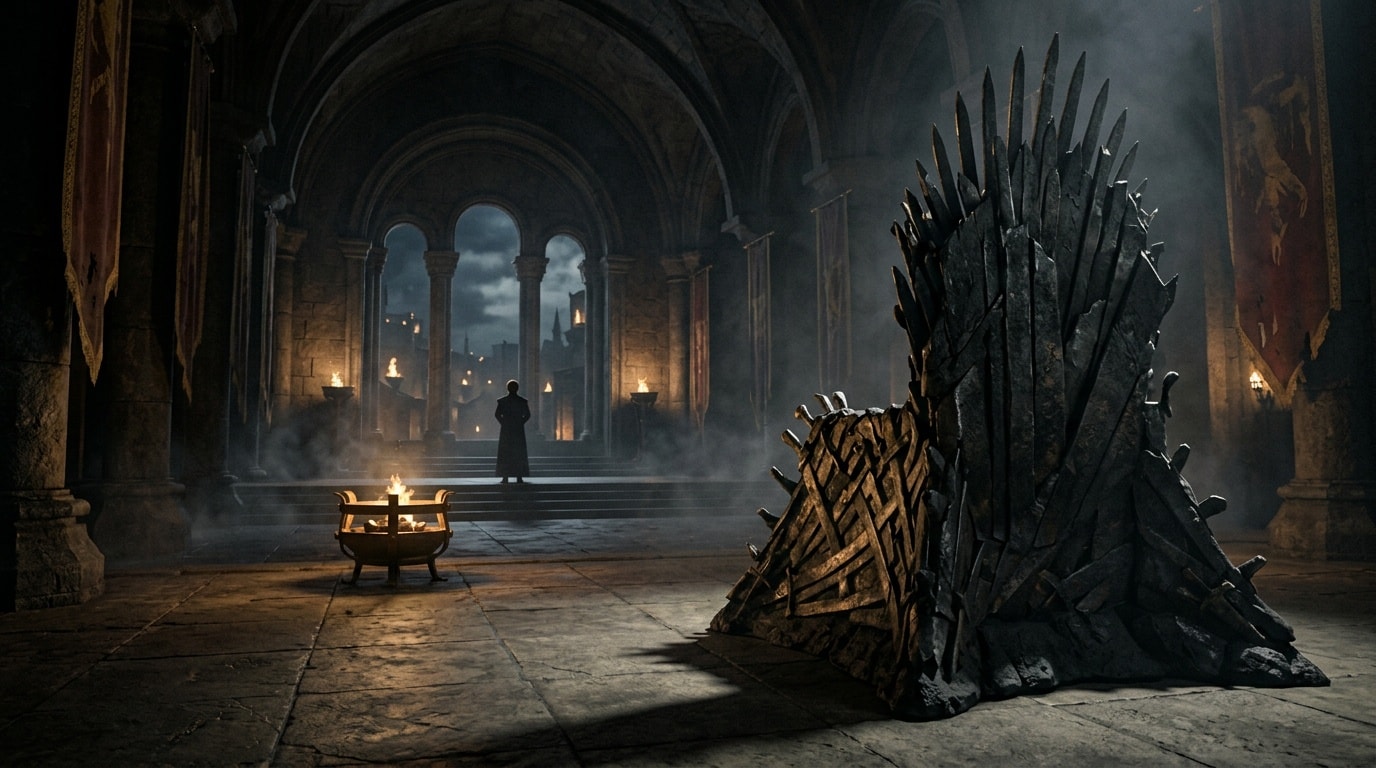
Daemon Baited Vaemond Into His Own Death
Daemon does not react to Vaemond's insult in the throne room.
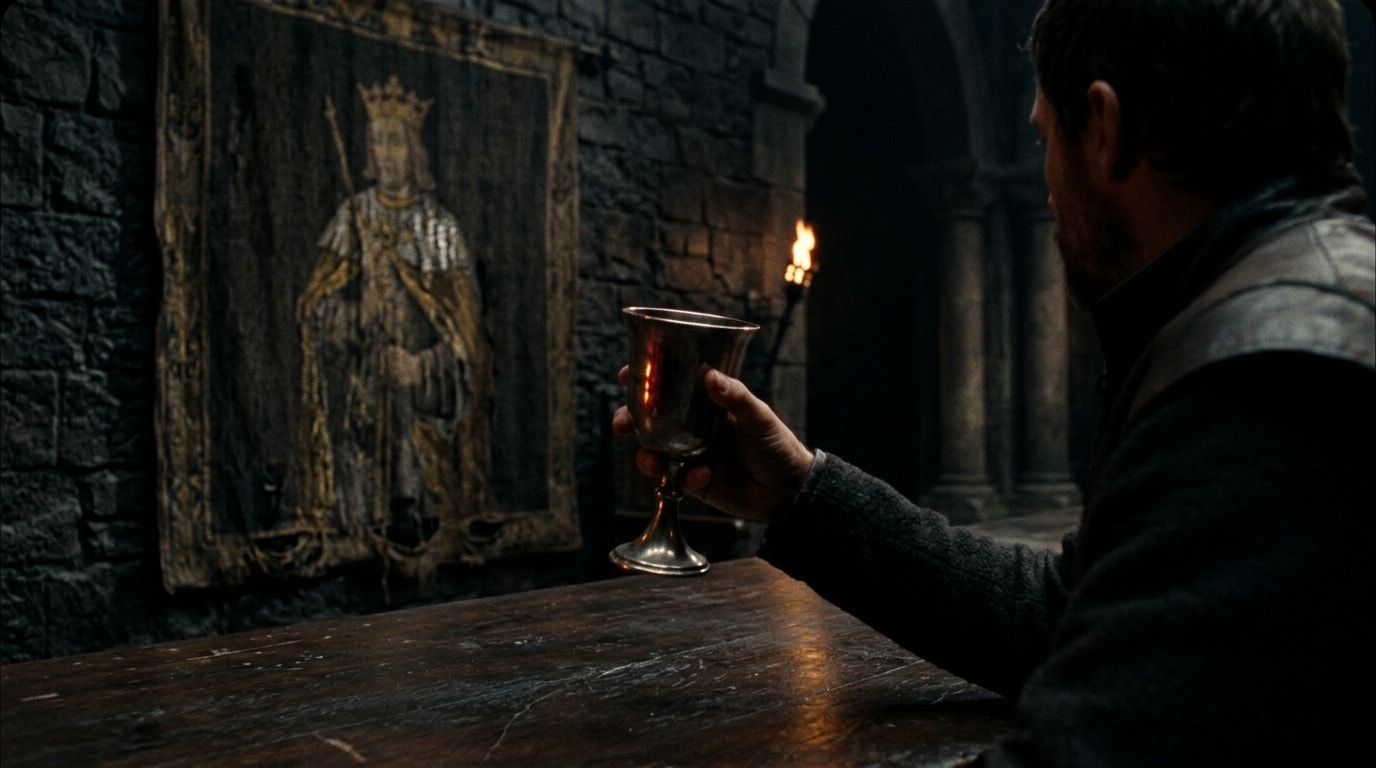
Aemond's Toast Is a Calculated Bastard Accusation
Aemond's repeated use of 'strong' in his toast is not praise but a deliberate public invocation of Ser Harwin Strong, branding Jace and Luke as bastards before the assembled court through language no one can formally challenge.
The Dinner Truce Will Not Survive Morning
The reconciliation between Rhaenyra and Alicent is genuine, but Otto Hightower sealed the Green position before either woman sat down to dinner.
Viserys Dies Reaching for Aemma
Viserys's final words are not addressed to anyone in the room but to Aemma, the wife he ordered killed and spent the rest of his life failing to grieve properly.
Rhaenyra's Sons as Dynastic Weapons: Symbol, Sentiment, and the Question of Who Pulled the Trigger
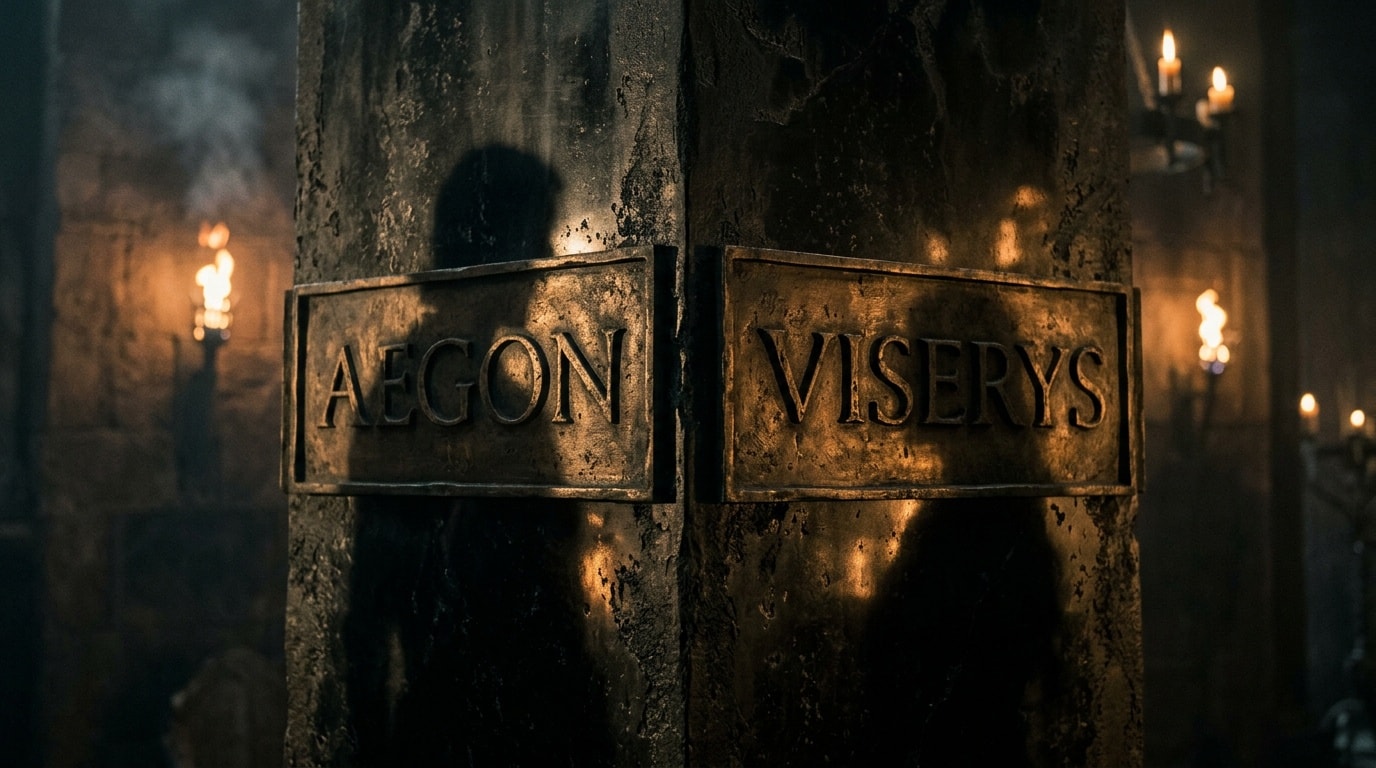
Rhaenyra's naming of her sons by Daemon as Aegon and Viserys is a calculated political act with two simultaneous targets: a deteriorating king whose emotional investment needed to be converted back into binding loyalty, and a Green faction whose claim to dynastic inevitability depended on exclusive ownership of both names.