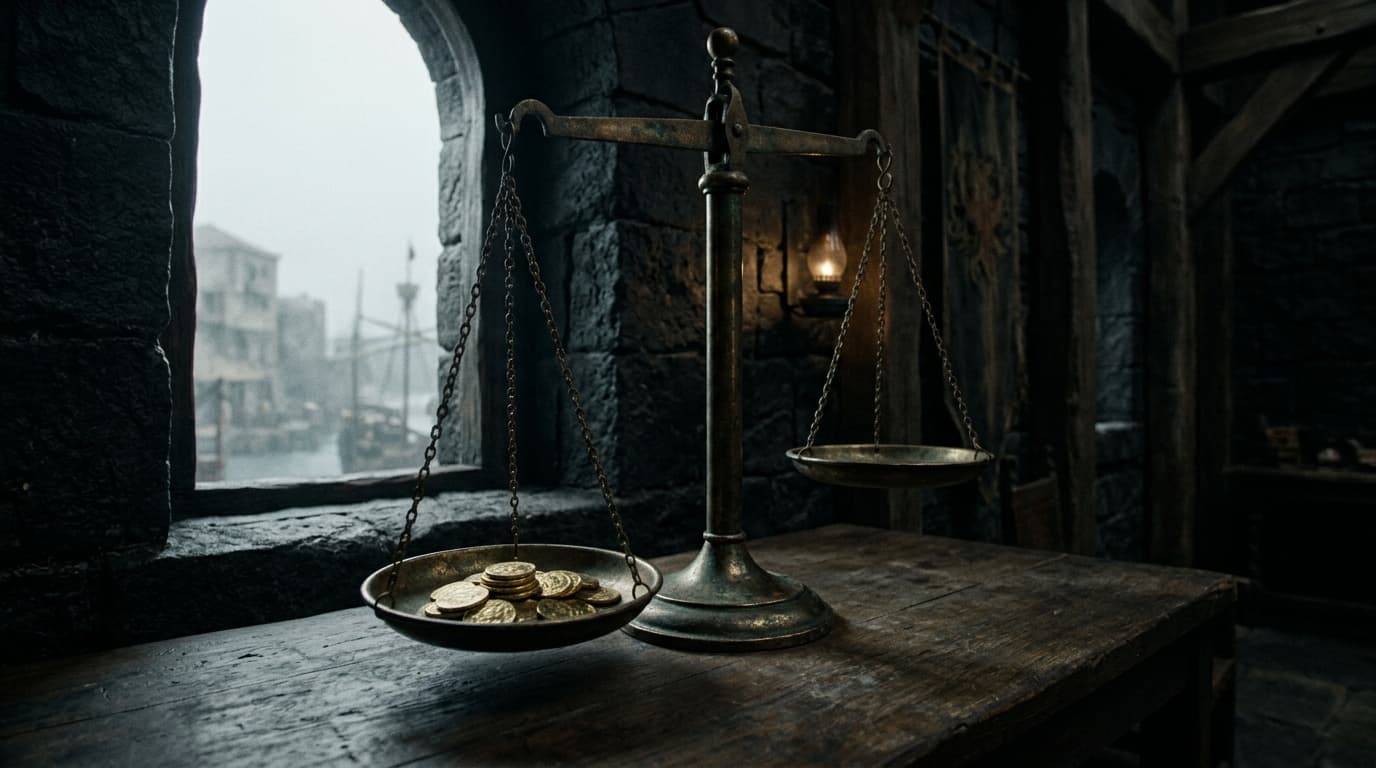
Larys Uses Aegon as His Escape Insurance
Plausibility Score
(?)Convinced
(?)#413
of 1000 theories
Theory Ranking
(?)READER VERDICT
Is this theory convincing?
Trend builds after 10 votes.
Be among the first to weigh in.
THEORY ASSESSMENT
The episode ground truth confirms every structural element of the theory: Larys moved the gold first, proposed the plan second, and the escape happened in the final montage precisely as Alicent's negotiated window was opening.
STORY CONTEXT
He killed his own family, speaks in riddles, and always seems three steps ahead, so what does Larys actually want? This thread hunts for his endgame, debating whether he's a chaos agent, a secret Targaryen loyalist, or playing a game only he understands.
WHY THIS MATTERS
Larys's escape reframes the entire season's portrait of survival strategy: the most dangerous player in the game is not the one commanding dragons but the one who secured the information monopoly, moved the money, and arranged the exit before anyone else knew the city was lost. It also transforms Alicent's sacrifice at Dragonstone into a tragedy -- her deal with Rhaenyra was already void before she made it.
Other Theories for S2E08
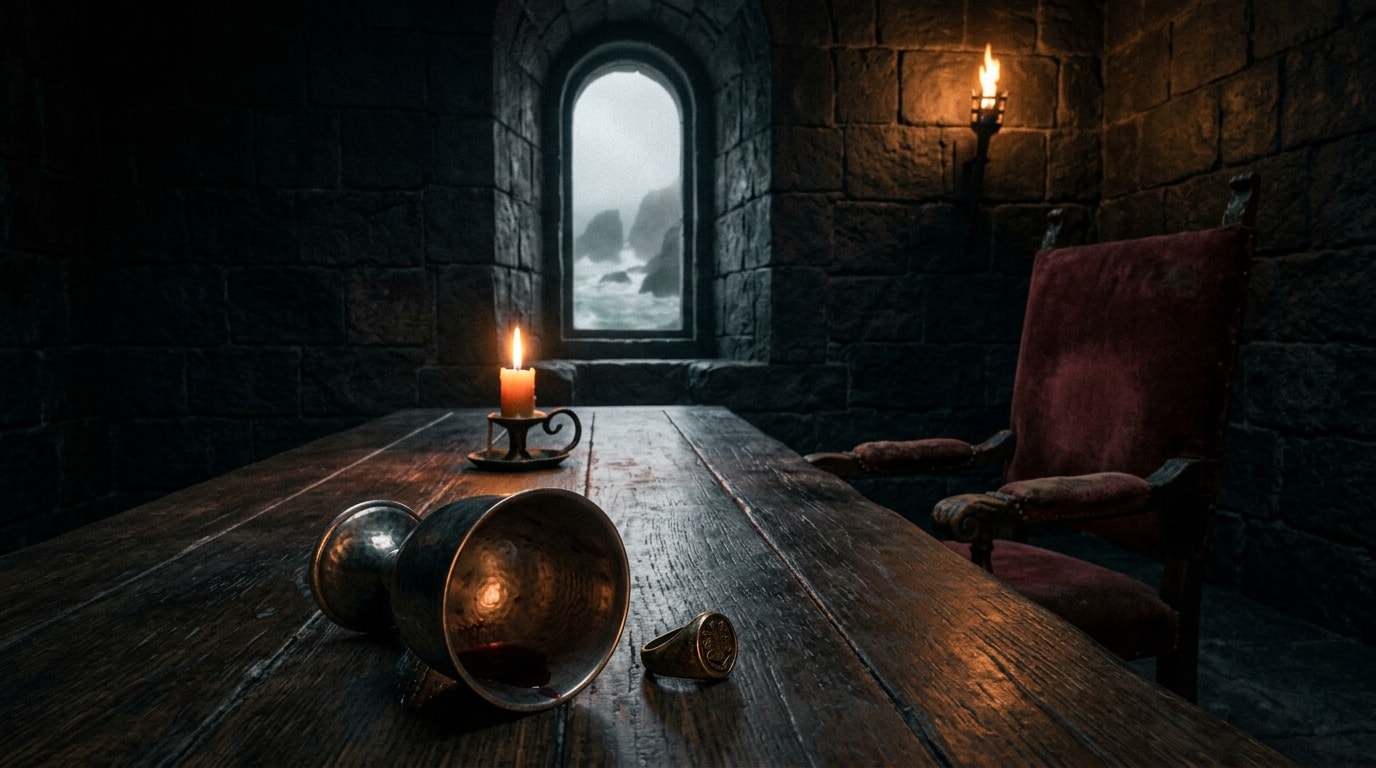
Alicent's Surrender Is a Confession: She Is Trading Aegon's Life to Protect the One Child She Never Fully Broke
Alicent's secret journey to Dragonstone is not a peace overture but a surrender negotiation in which she offers Rhaenyra a bloodless throne in exchange for her own survival, and accepts Aegon's death as the price without refusal.
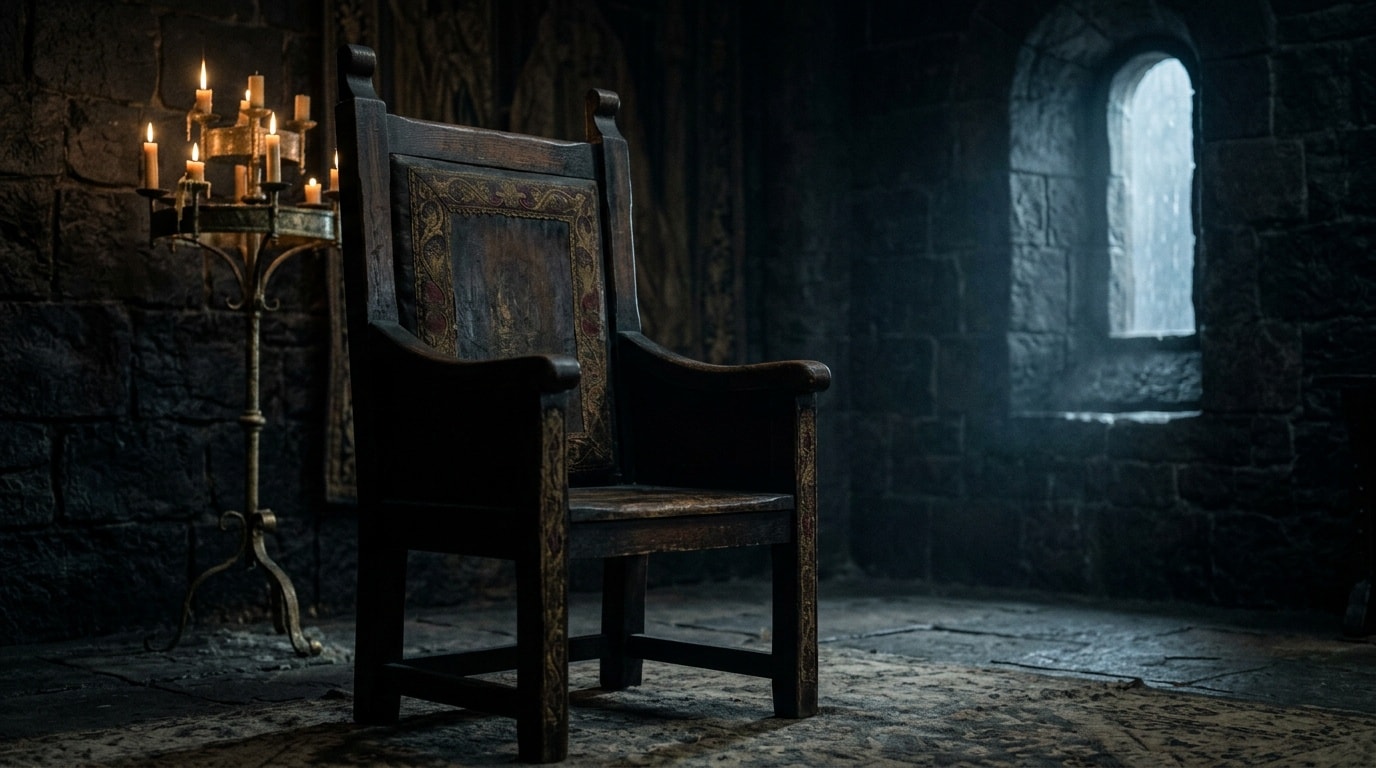
Helaena Is a Reliable Narrator, and That Is Why Both Clauses Must Be Believed
Helaena's accusation that Aemond burned Aegon at Rook's Rest is not grief or suspicion but a prophetic verdict, and the show has deliberately structured the scene to establish her accuracy before she names the God's Eye as the precise location of Aemond's death.
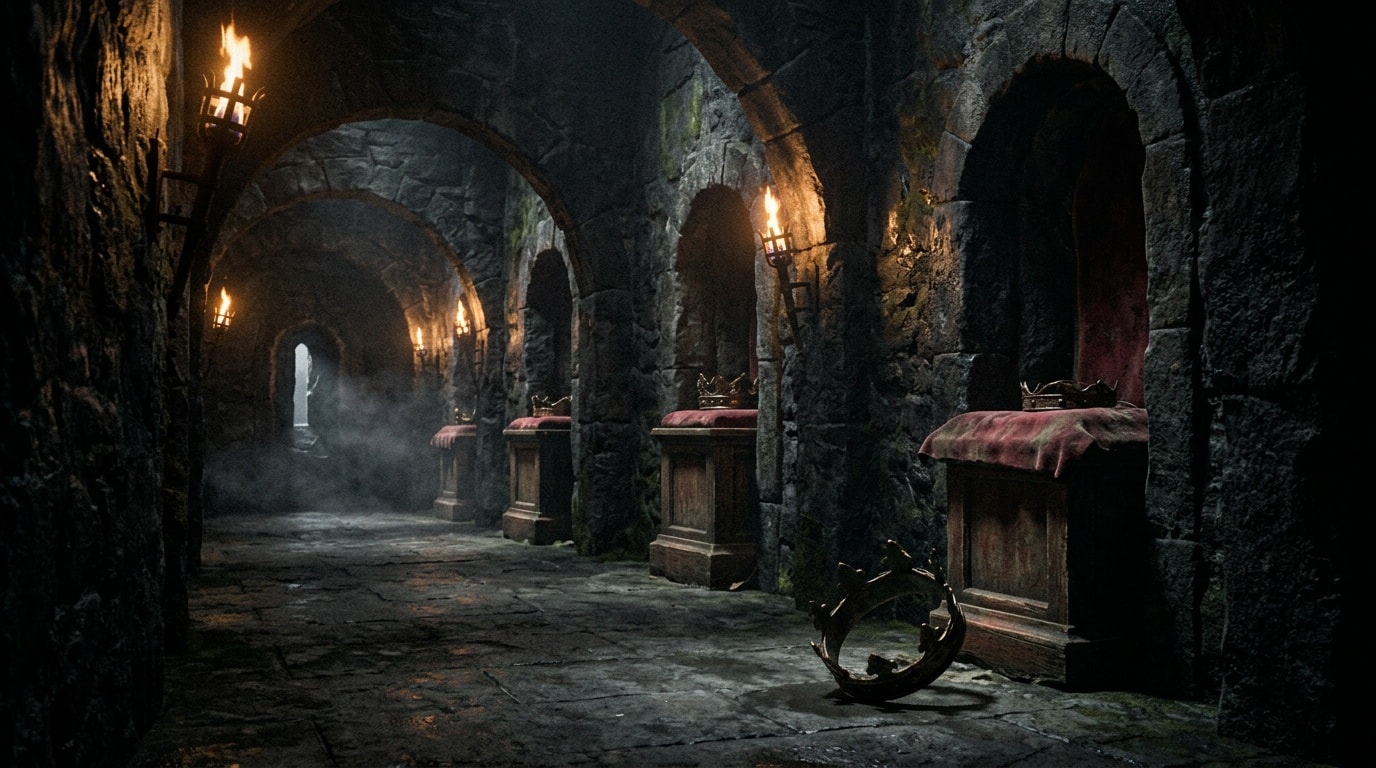
The Weirwood Shows Daemon His True Role
The weirwood vision does not persuade Daemon through loyalty or love but through erasure: it shows him a future in which he is structurally absent, and Helaena confirms that absence is his role.
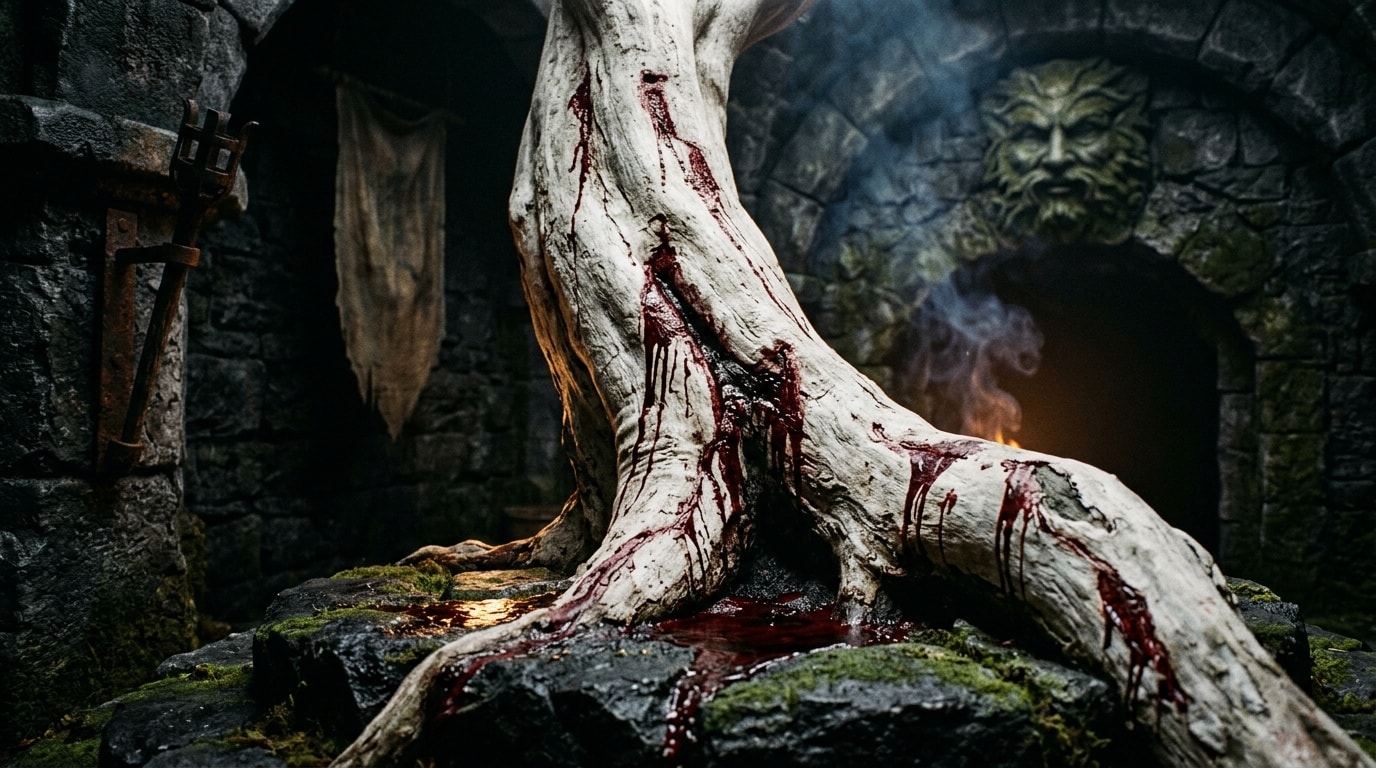
The Green Man Staged Daemon's Vision to Document the Three-Eyed Raven's Emergence
The horned figure that vanishes behind Harrenhal's heart tree immediately before Daemon's vision is a Green Man, an ancient guardian of the weirwood network, whose presence signals that the vision was a managed transmission rather than a passive haunting.
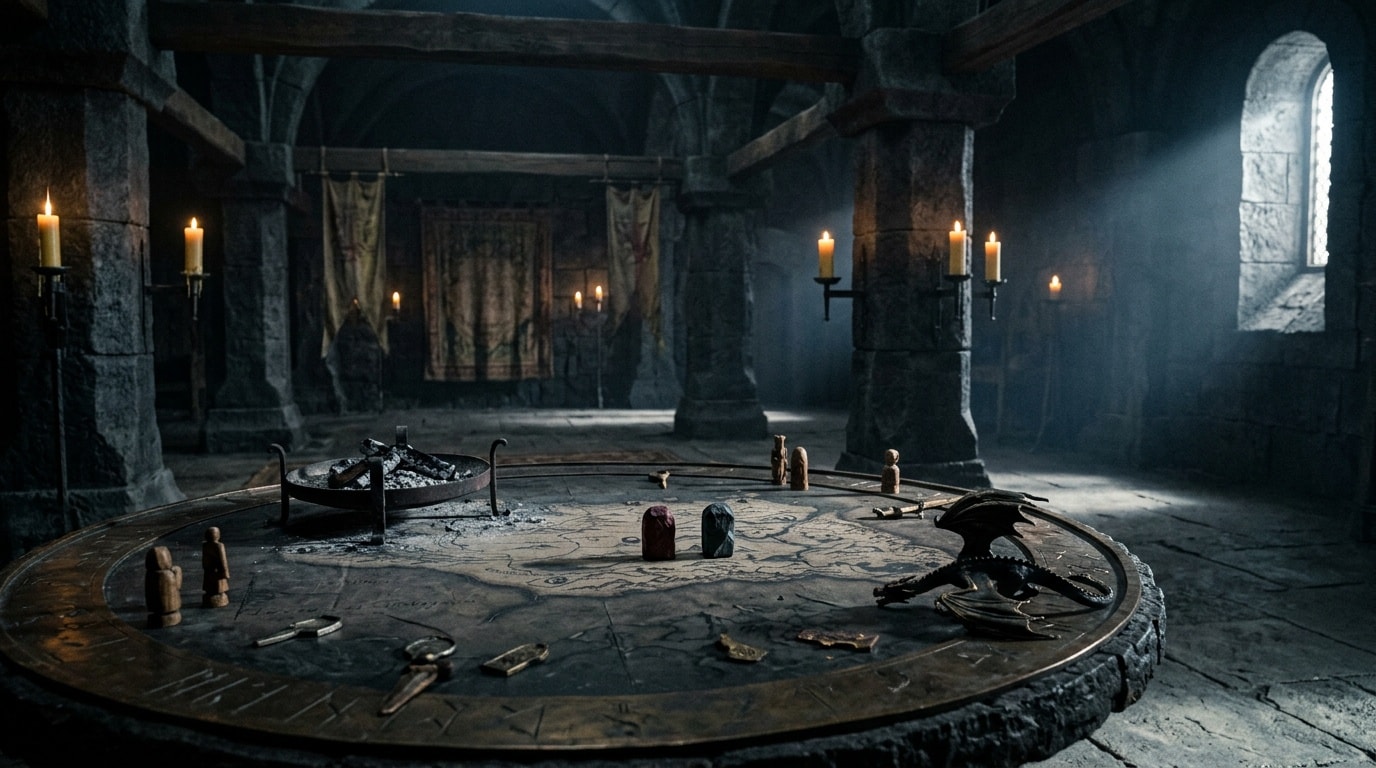
Rhaenyra's Strike Will Cost Her the Peace
Rhaenyra's strike on Lannisport and Oldtown will fracture her coalition before it can win the war, because the dissent already on record at her own war council signals that the civilian casualties her dragonriders inflict will delegitimize her claim faster than any military victory can secure it.
Broome Tried to Flip Daemon Against Rhaenyra
Ser Alfred Broome attempted to flip Daemon against Rhaenyra at Harrenhal, and Daemon's decision to reject him privately rather than deliver him to Rhaenyra's custody left the treason alive inside the Black host.
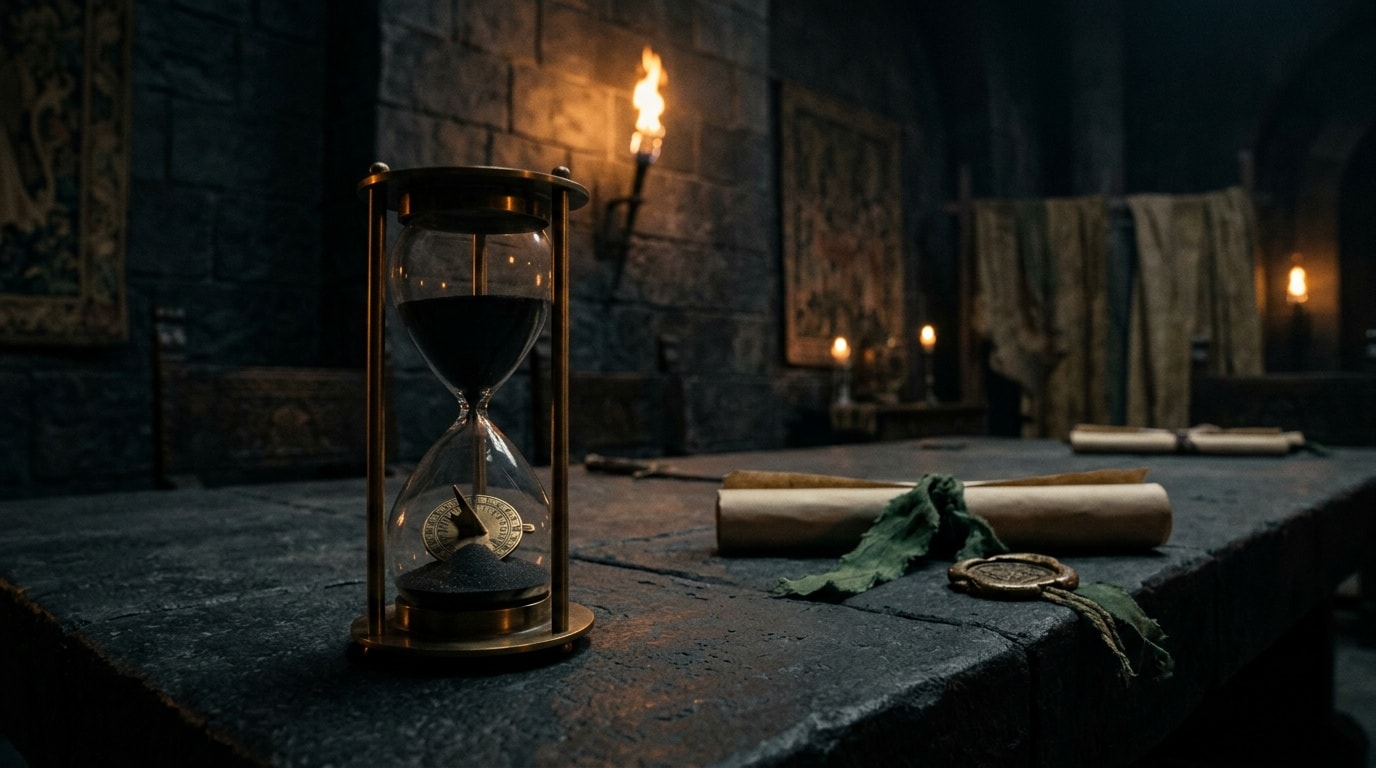
Alicent's Peace Offer Conceals a Trap
Alicent's peace offer is a coordinated delay designed to neutralize Rhaenyra's dragon advantage while the Triarchy fleet and Green armies reach their positions, with the three-day deadline functioning as a military clock rather than a surrender condition.

Aemond's Rage Is Impotence Disguised as Power
Aemond's destruction of Sharp Point is not a military calculation but a psychological confession: turned back at Dragonstone and unable to strike what actually threatens him, he incinerates a defenseless city to restore a self-image that the war has already begun to destroy.