Rhaena Caused Jaces Death at the Gullet
THE ARGUMENT
Rhaena rode Sheepstealer at the Battle of the Gullet, lost control, and her loss of control killed Jacaerys Velaryon. Daemon has known this since the battle and built the skull narrative around it to keep Rhaenyra from learning the truth. Every element of Rhaena's guilt-driven arc, including her language of debt and absolution and her compulsion to hunt Vhagar alone, points to someone carrying responsibility for the death of a queen's son.
How This Theory Works
Rhaena's guilt is specific enough to have a name, and the name is Jacaerys. The unconfirmed but structurally necessary claim here is that she rode Sheepstealer at the Gullet, lost control of the dragon in the middle of the battle, and that loss of control is what killed him. Daemon has known this from the beginning and built the concealment around it, including the skull he placed in Rhaenyra's hands as the face of her son's killer.
The mechanism of that concealment is what makes the theory hold together. Daemon presented Rhaenyra with a skull framed as evidence of who killed Jace. Mysaria reads the skull immediately as a constructed account, proof that Daemon will shape the story when it serves him. Rhaenyra admits she has examined that skull a hundred times, finding in it the villain she needed. Daemon's defense, that he was protecting Rhaena and harbored no scheme against the queen, explains the cover story's motive. It does nothing to explain why Rhaena believes she owes a blood debt. A girl who merely fled to the Vale with an unbroken dragon does not speak of dying absolved.
The sharpest pressure point in this reading is what Rhaena's language actually requires. She tells Daemon she cannot endure living cut off from everyone who loved her, and that killing Vhagar would let her pay what she owes, or die trying and at least die clean. That is not the vocabulary of disobedience or embarrassment. It is the vocabulary of someone who committed an irreversible harm against a person she loves and has been carrying that specific weight ever since. The guilt has a shape: it fits the death of the heir to the throne, the man her own sister loved and mourned. Her hunt for Vhagar is a penance structured to match the scale of what she believes she took.
Is this theory convincing?
Key Evidence
Rhaena Speaks of Debt and Absolution
Rhaena tells Daemon directly that killing Vhagar would let her pay her debt to Rhaenyra, and that if she dies in the attempt she will at least die absolved, language that implies a specific and grave harm done to the queen.
Daemon Concealed the Rider's Identity
Rhaenyra discovers in this episode that Daemon knew all along that Rhaena was Sheepstealer's rider and said nothing, confirming an active deception rather than a simple omission.
The Skull Rhaenyra Examined
Rhaenyra tells Mysaria she has looked at the skull Daemon brought her a hundred times, believing it to be the skull of Jace's killer, which the episode frames as a constructed fiction now thrown into doubt.
Mysaria's Reading of the Lie
Mysaria argues that Daemon's concealment of Sheepstealer's rider proves he is willing to deceive Rhaenyra when he judges it necessary, framing the skull as evidence of a constructed account.
Rhaena Cannot Control Sheepstealer
In the confrontation on the Blue Fork, Rhaena warns Daemon that Sheepstealer does not heed her, which is consistent with an imperfect and recently formed bond rather than a long-established one.
Rhaena Isolated and Guilt-Driven
Rhaena tells Daemon she cannot endure living cut off from all who loved her, describing her exile as a consequence she has been carrying rather than a choice, which points to a precipitating act she is ashamed of.
This theory was evaluated using Theory Atlas editorial standards, including evidence review, narrative fit, and competing interpretation analysis. Learn how Theory Atlas evaluates theories →
Other Theories for S3E07
Mysaria Seduces a Queen She Means to Rule
Mysaria's flattery, counsel, and physical intimacy with Rhaenyra constitute a sustained bid for shadow authority, using Rhaenyra's emotional need for validation as the lever and her growing political uncertainty as the fuel.
Daemon Mapped His Queen's Tolerance and Used It
Daemon concealed Rhaena's identity as Sheepstealer's rider because he had already calculated that framing his deception as paternal protection was the one condition under which Rhaenyra would absorb it without punishing him.
Aemond Means to Found a New Kingdom
Aemond has abandoned the Iron Throne as a goal and intends to establish Harrenhal as the seat of an entirely new dynasty, independent of both Rhaenyra and the Greens.
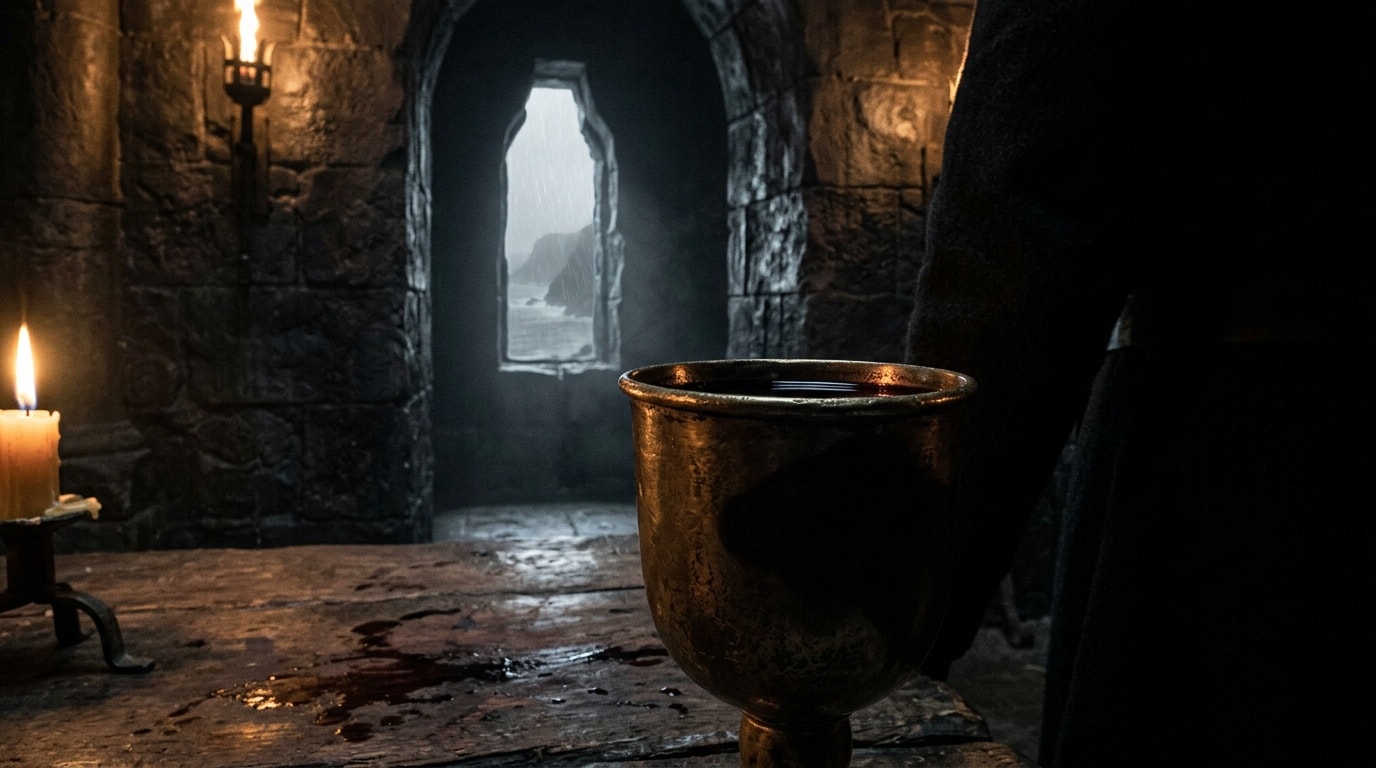
Alys Rivers Built Aemond's Collapse
Alys Rivers allowed Alicent's poison to reach Aemond because a warning proved correct in real time is worth more than an interception that goes unremembered.
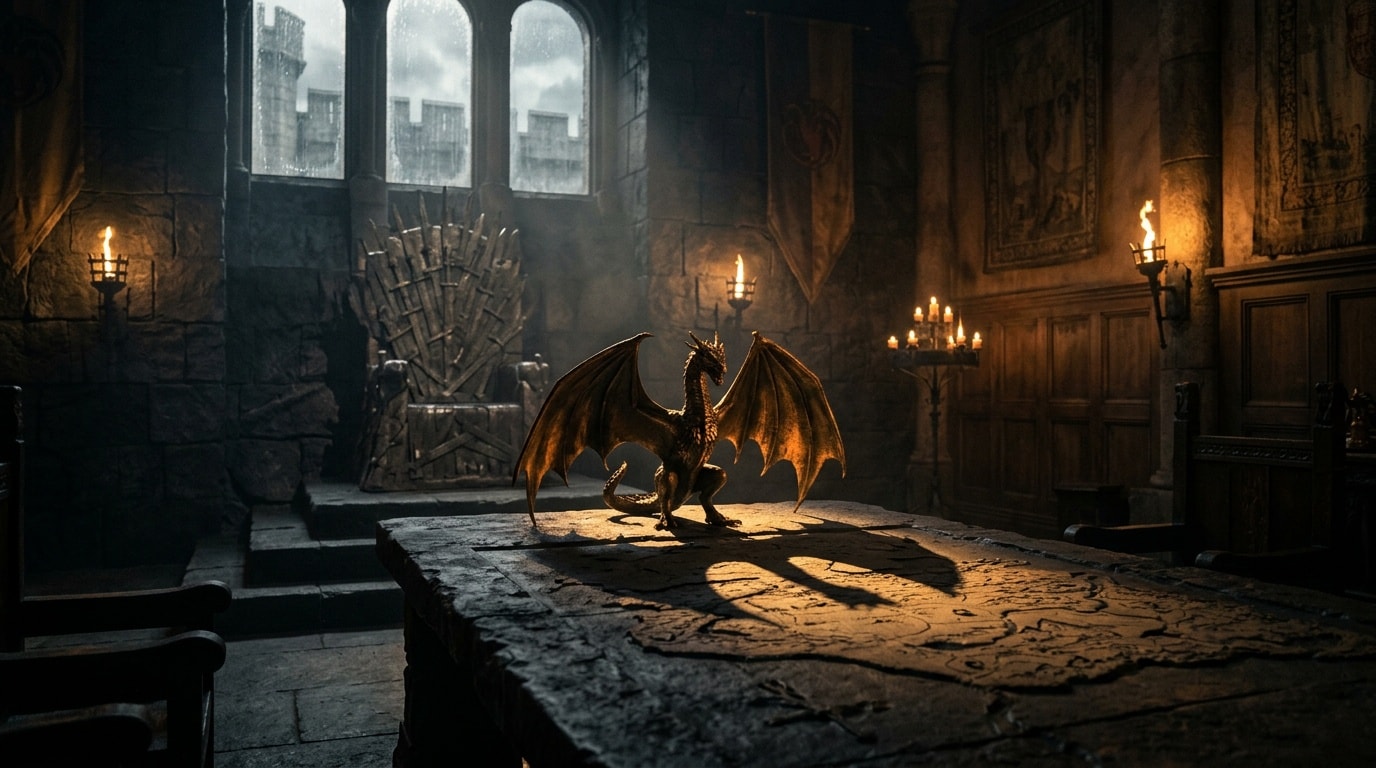
Sunfyre Restores Aegon as an Instrument of Ruin
Sunfyre's return has not made Aegon a more capable king; it has made him a more dangerous one, by converting his survival into theological certainty that forecloses the compromise governance requires.
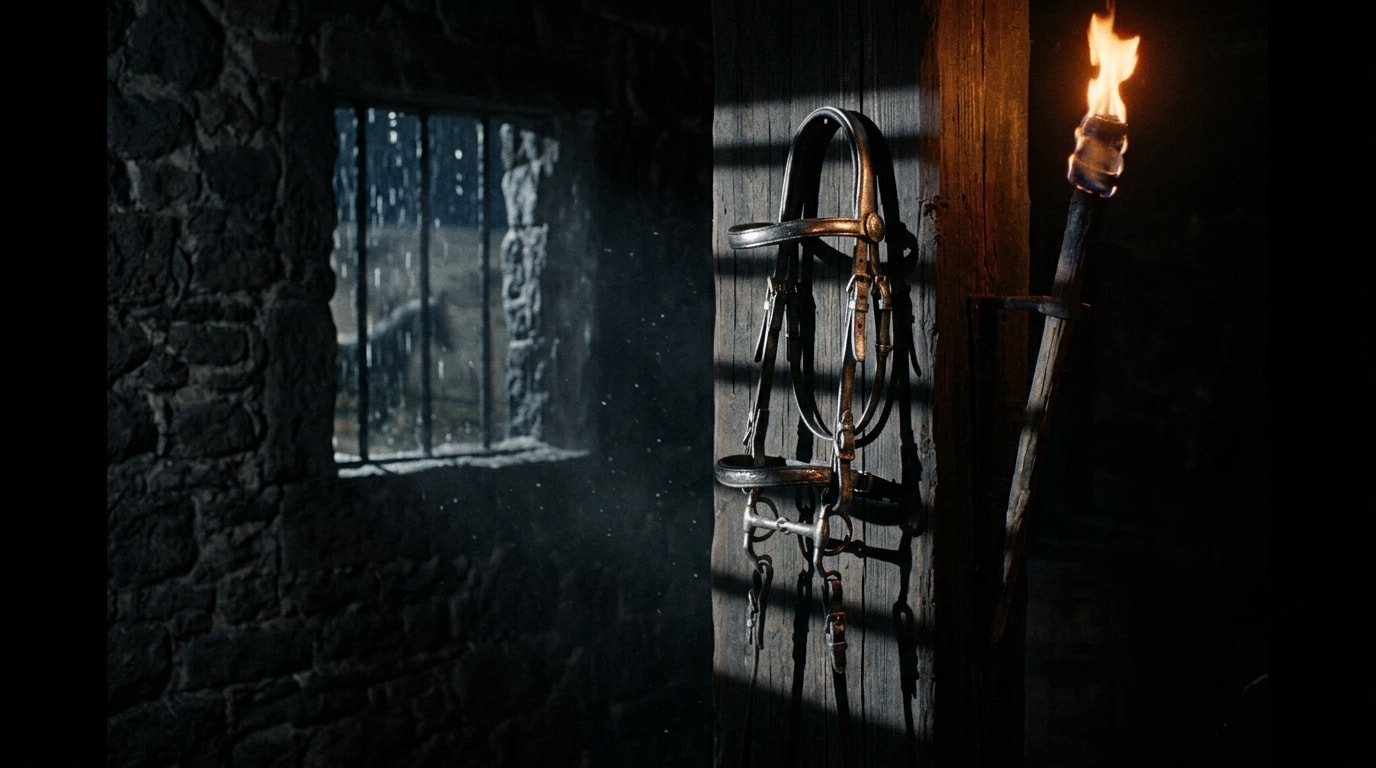
Helaena's Gray Mare Encodes a Coming Death
The gray mare Helaena names in response to Rhaenyra's interrogation is a death omen aimed at Rhaenyra herself, delivered in plain sight to the one person who cannot afford to read it clearly.