
Mal Is Cobb's Guilt Made Flesh
THE ARGUMENT
Cobb's projection of Mal is not a haunting from outside but a manifestation of his own unresolved guilt over her death. That guilt actively sabotages the Fischer heist, making Cobb's psychological wound the most dangerous element on the mission. The inception job is therefore as much about Cobb confronting himself as it is about planting an idea in Robert Fischer.
How This Theory Works
The episode establishes clearly that Mal's appearance in the dream levels is a projection generated by Cobb's own subconscious. She is not an external threat smuggled in from somewhere else. She is what Cobb's mind produces when guilt and grief go unresolved long enough to take shape. Every time she appears, she is doing exactly what guilt does: undermining the present by forcing a return to the past.
The source of that guilt is specific. Cobb did not harm Mal directly. He incepted her. While the two of them were stranded in Limbo, Mal refused to accept that reality was real, so Cobb planted the idea that her world was only a dream. When she woke up, the inception had gone too deep. She carried the belief into waking life and, convinced she was still dreaming, killed herself to escape. Cobb cannot undo that. He can only carry it. The projection he generates is the weight of that knowledge given a face and a voice.
What makes the theory dramatically coherent is that Cobb's guilt does not stay contained. It reaches into the mission and nearly destroys it. Mal's projection kills Robert Fischer before the inception can be completed, forcing Cobb and Ariadne into Limbo to retrieve him. The team's vulnerability traces back to one point of failure: Cobb's inability to keep his grief out of the architecture. His decision to accept the Fischer job is framed explicitly as a bid for redemption, a way to get home to his children and make peace with what he caused. The mission and the psychological reckoning are not parallel stories. They are the same story.
Is this theory convincing?
Key Evidence
Mal Kills Fischer Mid-Heist
Mal's projection appears during the third dream level and kills Robert Fischer before the inception can be performed, directly derailing the mission and forcing Cobb into Limbo.
Cobb Diagnoses His Own Projection
Cobb tells Ariadne that he cannot design the dream architecture himself because his subconscious would sabotage it, explicitly acknowledging that Mal is a product of his own mind.
Inception as Personal Redemption
Cobb accepts the Fischer job not simply for payment but because Saito's promise of cleared criminal charges is the only path back to his children, framing the heist as an act of self-redemption.
Mal Frames Cobb for Murder
After her suicide, Mal had deliberately arranged the scene to implicate Cobb, forcing him to flee the country and live in exile from his children.
The Accidental Inception Backstory
Cobb reveals to Ariadne that he incepted Mal in Limbo by planting the idea that her world was only a dream, and that this act is the origin of his guilt and her death.
Cobb Makes Peace With His Role
Near the film's end, Cobb confronts and accepts his responsibility for what happened to Mal, providing the emotional resolution that the mission has been building toward.
This theory was evaluated using Theory Atlas editorial standards, including evidence review, narrative fit, and competing interpretation analysis. Learn how Theory Atlas evaluates theories →
Other Theories

Cobb's Totem Was Never His: The Inherited Anchor and the Dream He Chose to Keep
Cobb's spinning top cannot function as a reality anchor because it was Mal's totem, calibrated to her subconscious rather than his — meaning the same guilty mind that projects Mal aggressively enough to murder Fischer is the only instrument available to confirm whether the top is spinning correctly.

Inception Succeeds Through Emotional Truth, Not Deception
The inception of Robert Fischer works not because the team outmaneuvered him intellectually, but because they crafted an idea rooted in his emotional relationship with his father.

The Ring Cobb Never Wears in Reality
Cobb's wedding ring, present in every dream and absent in every reality scene, functions as the film's actual totem, one that operates below his conscious control and therefore bypasses the failures that disqualify the spinning top.

Cobb Runs Toward Children, Away From Guilt
Cobb's pursuit of the inception job is not simply about reuniting with his children.

Piaf's Song Is Cobb's Wake-Up Call
The theory holds that 'Non, je ne regrette rien' operates on two levels simultaneously: as the literal timing mechanism for the synchronized kicks that wake the dreamers, and as a subliminal message aimed at Cobb himself to release his guilt over Mal.
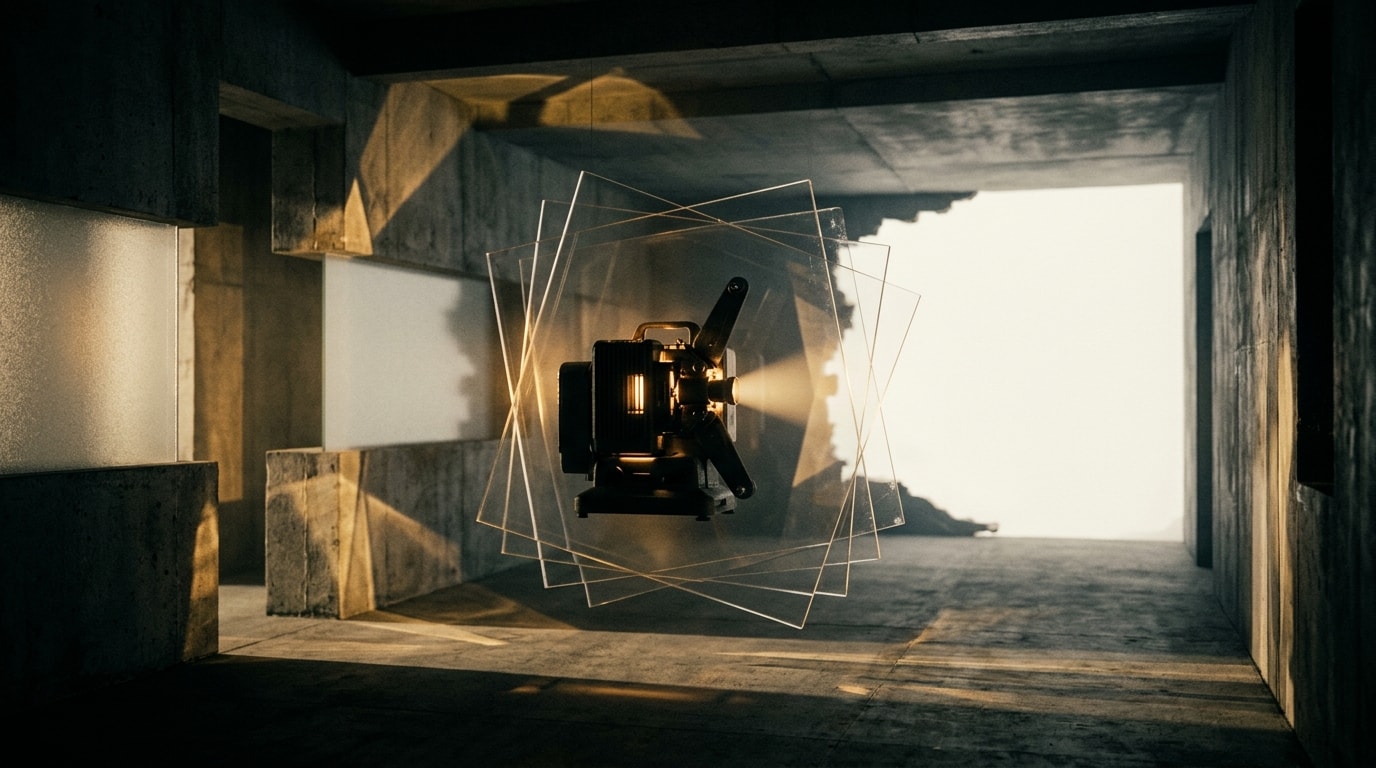
Cobb's Heist Crew as Filmmaking Allegory
This theory argues that the heist structure of Inception is a metaphor for the filmmaking process itself, with Cobb functioning as a director who assembles and coordinates a specialized creative crew to implant an experience in an audience's mind.