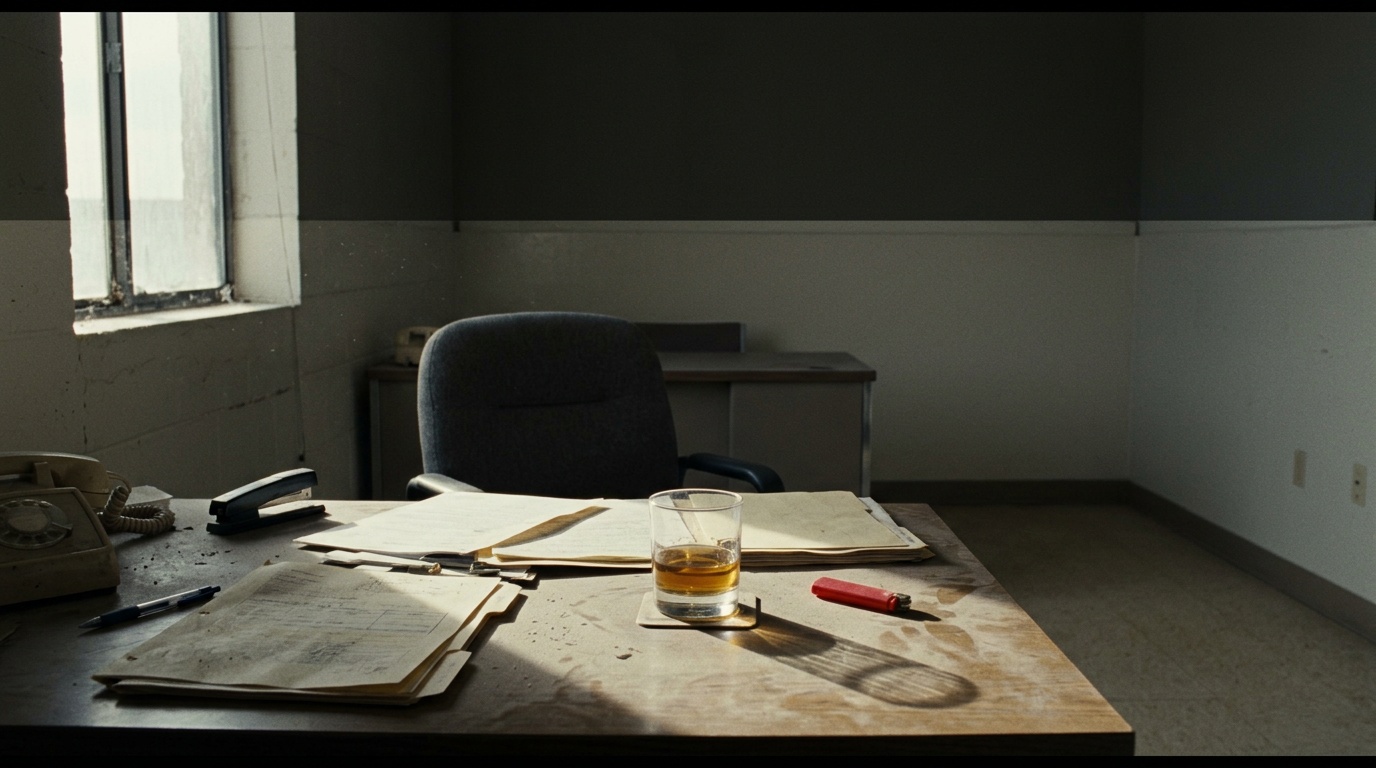
Carol's Drinking Tracks Her Emotional State
THE ARGUMENT
Carol's sobriety is not recovery. It is a contingency, and when the investigation ends and no task remains, she has nothing built to replace it. Every competent thing she does in this series is borrowed against a grief she has not yet agreed to feel.
How This Theory Works
Carol's competence will collapse the moment there is nothing left to work toward. That is the unconfirmed claim the evidence keeps pointing at. Her abstinence does not track health. It tracks purpose. The two are not the same thing, and the show has been careful not to say they are.
The most uncomfortable piece of evidence is the one that looks like strength. When Carol records her update and says 'They abandoned me, which is, you know, whatever. Who cares?' she does not reach for a drink. A standard reading takes that as self-control. What it actually maps is dissociation. The abandonment has been filed somewhere inaccessible so the task can continue. The bottle is not comfort she is refusing. It is comfort she has not yet given herself permission to need. The investigative sequences at the dairy factory and Agri-Jet follow the same logic. Sobriety is present because something external is holding the grief at bay.
The drink after Helen's grave is where the argument sharpens. Carol completes the tile work, paints the name, performs the full physical ritual of honoring a loss, and only then allows herself to drink. The episode frames this as earned release. It is actually the system shutting down. She cannot grieve and function simultaneously. The bottle is not a reward. It is what happens when the last available task is finished and there is nothing left to keep her sharp.
This dynamic acquires an additional edge when set against Carol's counter-system against the Joined. The operational precision she brings to exploiting the hive's behavioral constraints requires exactly the kind of cold compartmentalization that dissociation enables. Her unresolved attraction to Zosia, confirmed by her own sodium thiopental self-test, suggests she is not simply disciplined under pressure. She is dependent on pressure to stay disciplined. The sodium thiopental session broke her precisely because it removed the external structure and forced the internal reckoning. The grief and the desire surfaced simultaneously once there was nothing left to keep them submerged. What that session exposed is not a one-off vulnerability. It is the same mechanism the drinking tracks.
The show has not confirmed what Carol looks like when no investigation remains, no grave needs tiling, no external structure is available to borrow a reason from. That is the question this pattern is building toward. She is not a functioning person who also grieves. She is a grieving person who functions only under specific conditions. Nothing in the evidence suggests those conditions are becoming permanent. They are becoming scarcer.
Is this theory convincing?
Key Evidence
Bottle Considered Then Replaced
Carol picks up a bottle before dinner, considers it, and sets it back down without pouring, a visual beat that signals she is entering a focused, purposeful mode rather than a coping one.
Writer's Tears Whiskey Refused
Carol reaches for a bottle of Irish whiskey called Writer's Tears after setting her plan in motion but decides against drinking it, which several readings interpret as evidence she has regained enough hope to not need the comfort.
Carol's Dismissal of Abandonment
While recording an update, Carol says 'They abandoned me, which is, you know, whatever. Who cares?' in a flat, deflecting tone, but her face registers something her words refuse to.
Drink After Helen's Grave Finished
Carol finally drinks only after completing the tile work on Helen's grave and painting her name, structuring alcohol consumption as release following an act of grief rather than escape from it.
Abstinence During Investigation
Carol abstains from drinking across the episode's investigative sequences at the dairy factory and Agri-Jet, with the absence of alcohol functioning as a marker of serious, research-mode focus.
Drinking as Consistent Comfort Pattern
Across prior episodes, alcohol has functioned as Carol's primary comfort mechanism, which gives her restraint in this episode additional weight as a departure from her established baseline.
This theory was evaluated using Theory Atlas editorial standards, including evidence review, narrative fit, and competing interpretation analysis. Learn how Theory Atlas evaluates theories →
Other Theories for S1E05
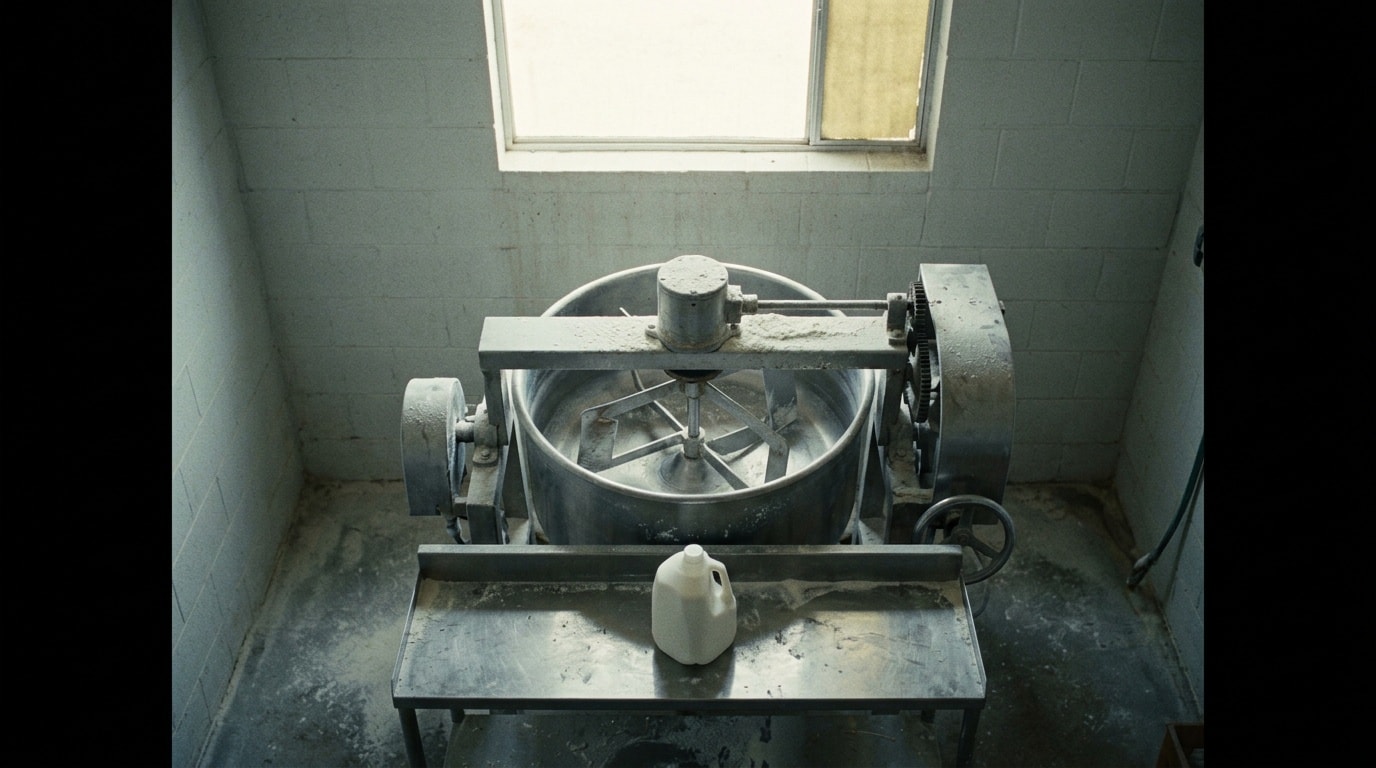
The Milk Is Made From the Dead
The hive is using neural tissue harvested from the 886 million who died during the joining as a delivery mechanism for sustaining hive synchronization in the surviving population, distributed through a coordinated dairy supply chain with no actual dairy in it.
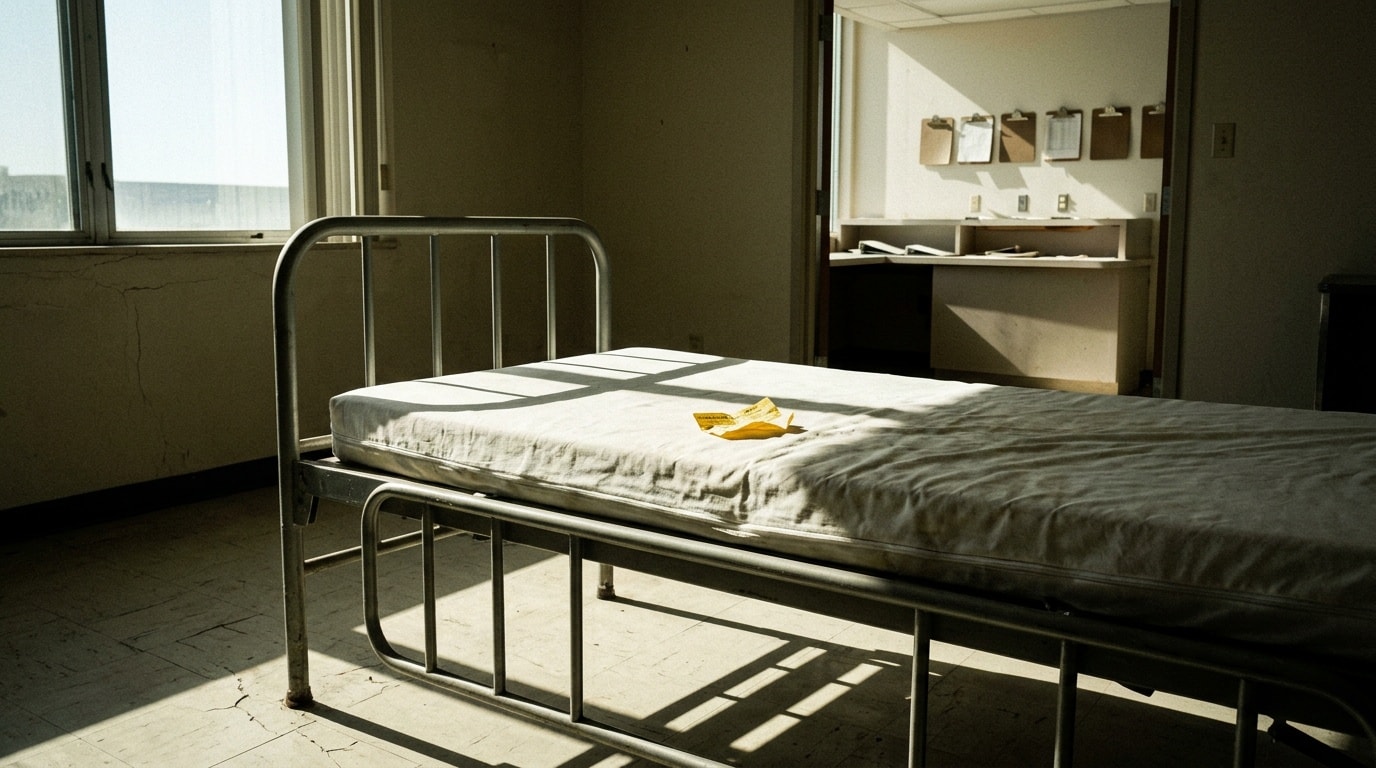
The Hive Fled Its Own Vulnerability and Left the Door Open
The hive's exodus from Albuquerque is simultaneously an emotional wound response, a strategic miscalculation, and an attempt to suppress an internal dissenter — and by collapsing all three into a single panicked withdrawal, the collective accomplished none of them.

The Hive Retreats, But Keeps Its Leash
The hive's evacuation of Albuquerque is a structural recalibration designed to eliminate Carol's only real tool, proximity, while preserving the emotional architecture that keeps her cooperative.
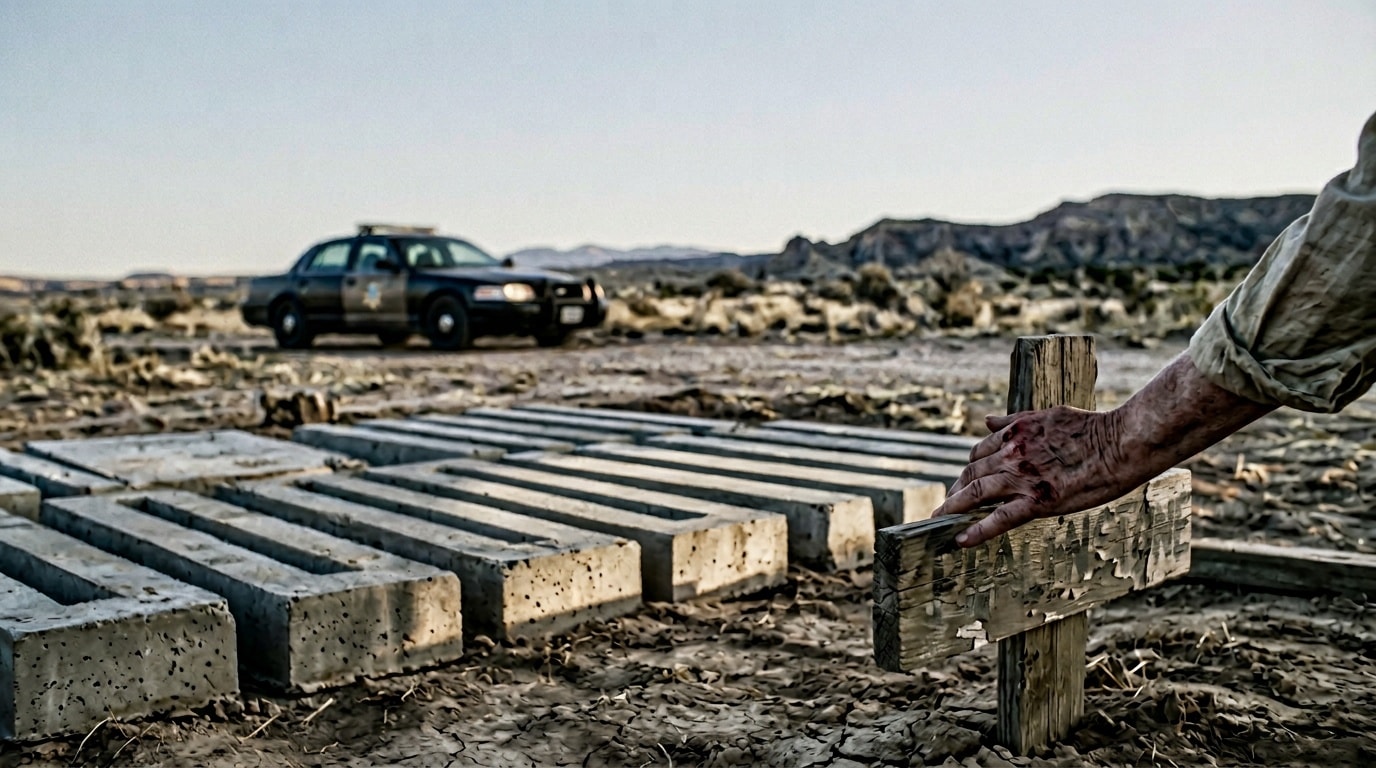
Carol's Grave Defense as Defiant Humanity
Carol's grave-defense sequence encodes the show's argument that the human insistence on the marked, named, defended grave is not a product of social convention but prior to it, an irreducible act of individuation that the hivemind's logic cannot accommodate without erasing personhood entirely.

Paranoia Preserved Helen, But Cannot Restore Her
Carol's rage and paranoia accidentally preserved Helen's body from processing, but they have also made genuine grief structurally impossible for her: every threat she can fight becomes a reason not to confront the one loss that cannot be fought.
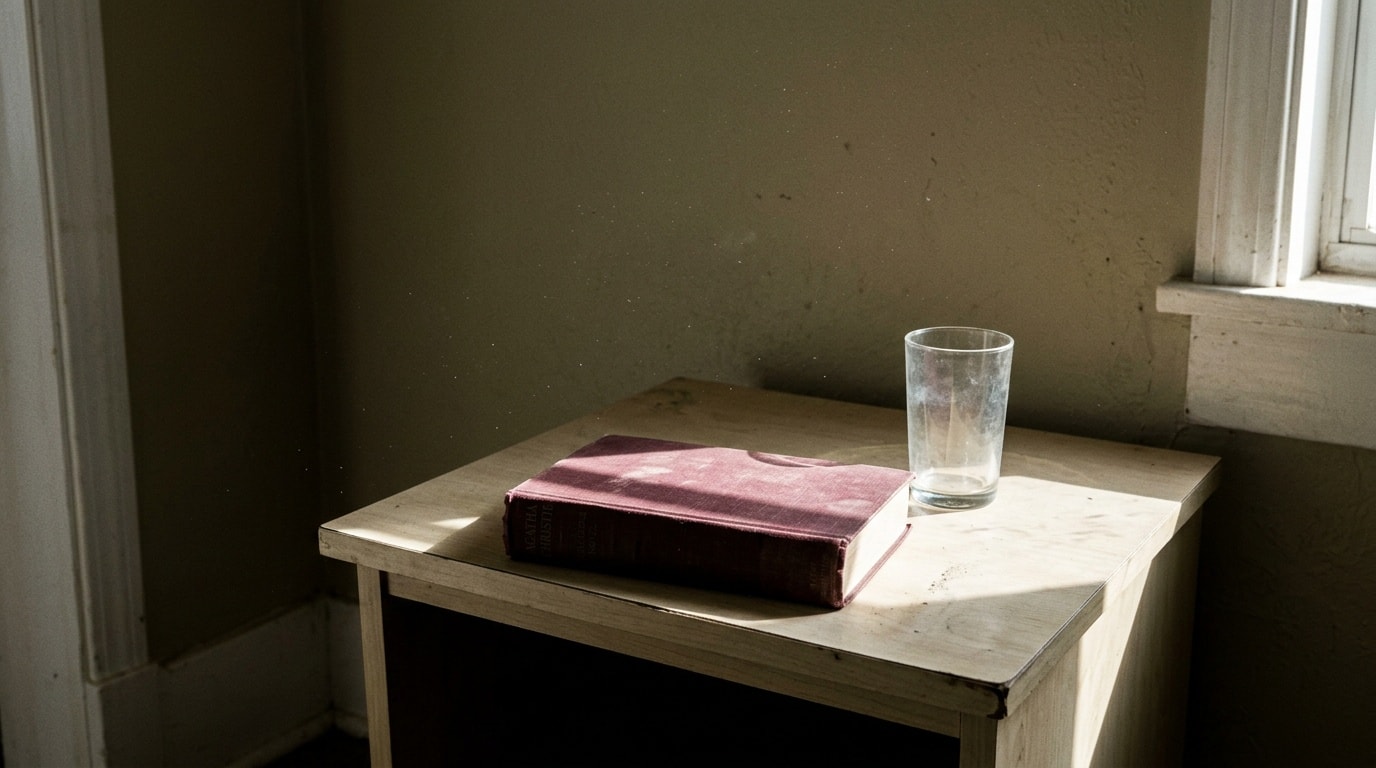
Christie Novel Signals Carol's Solitary Fate
The presence of 'And Then There Were None' in Carol's space is the show's structural announcement that Carol's isolation is not a temporary condition to be overcome but a sentence being served.