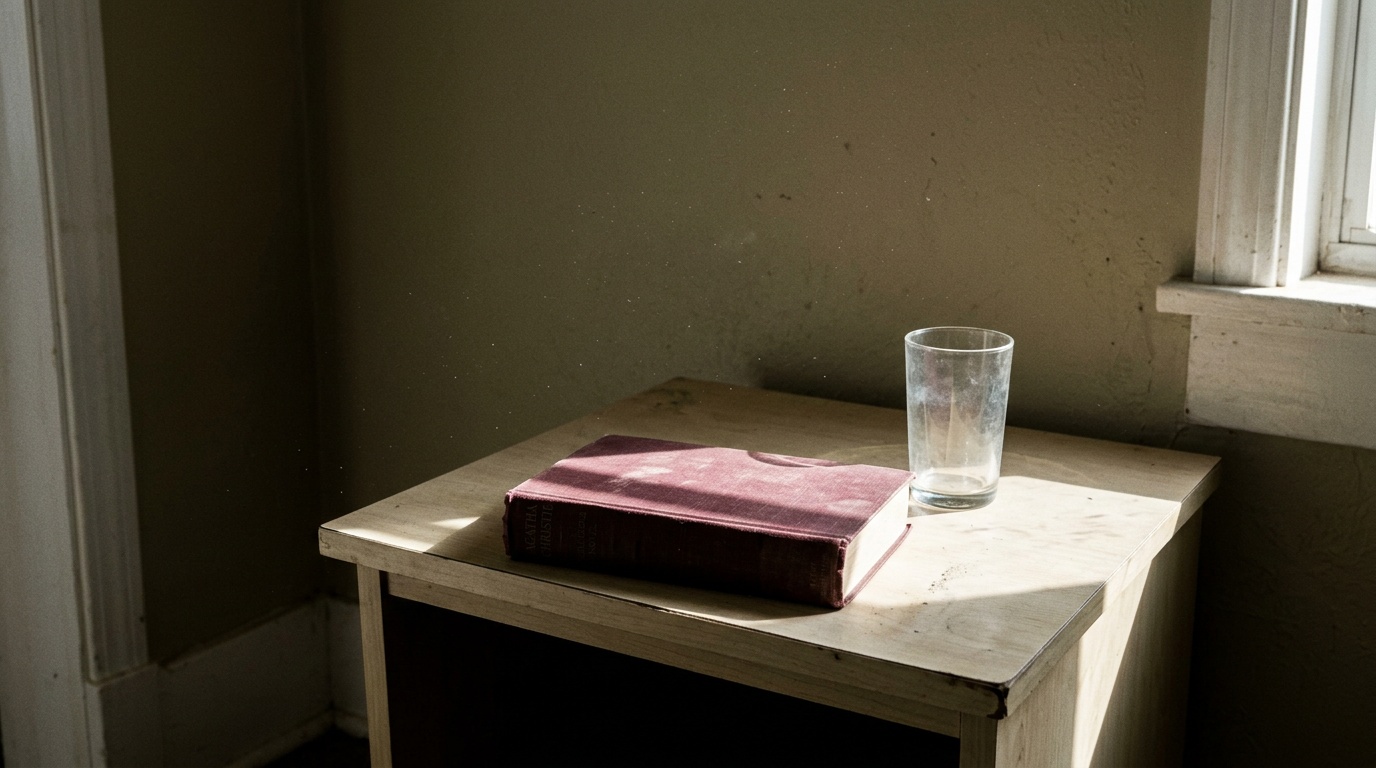
Christie Novel Signals Carol's Solitary Fate
THE ARGUMENT
The presence of 'And Then There Were None' in Carol's space is the show's structural announcement that Carol's isolation is not a temporary condition to be overcome but a sentence being served. Christie's premise tracks the logic of consequence, where those with guilty histories are removed one by one until the last one remaining cannot escape the isolation she earned. The theory holds that the show planted this reference to signal not just Carol's dwindling social world but the specific moral register in which her solitude will be judged.
How This Theory Works
The Christie novel is not a random background prop. Its title functions as a thesis statement for Carol's arc, and the show planted it in frame before Carol's isolation has fully materialized precisely because the reference is meant to be structural, not decorative. A book about systematic elimination sitting in Carol's space is the show announcing what kind of story this is before Carol herself understands it.
The thematic connection runs deeper than the title. Christie's novel involves characters who are killers brought to an isolated location and removed one by one as consequence for what they have done. Carol's situation tracks that logic: her past actions have driven the Others out of Albuquerque collectively, and the book sitting nearby frames that departure as something earned rather than arbitrary. The Others did not leave randomly. They left because of her.
What makes the sentence credible is what Carol selected for. She has never built relationships on unmediated honesty. The connections she formed were ones in which other people managed what they showed her, a dynamic that suited her and that she reinforced. That architecture cannot survive prolonged exposure to people constitutionally incapable of filtering themselves. The departure of the Others is not just the consequence of Carol's past actions. It is the collapse of the only kind of relationship she knows how to sustain.
If the show is tracking Christie's premise rather than merely borrowing her title, Carol's solitude is not a trial she will overcome but the sentence itself. Christie's final survivor is not redeemed by outlasting the others. Survival is the punishment, the proof that isolation was deserved. The investigation keeps Carol functional, gives her a reason to move through the world and a framework that delays the reckoning. But purpose borrowed from a task is temporary. When the task ends, what remains is not recovery but the isolation that was always waiting. The question the theory raises is not whether the reference is intentional but whether the show intends the full weight of what Christie's ending means: that lasting longest is not winning.
Is this theory convincing?
Key Evidence
Christie Novel Visible Near Carol
The book 'And Then There Were None' by Agatha Christie is physically present in Carol's space, with its ominous title readable on screen, making the reference impossible to dismiss as accidental.
Title Echoes Carol's Depopulated World
The novel's title directly parallels Carol's experience of watching the Others abandon Albuquerque in this episode, leaving her as the last person in a city that was recently occupied.
Novel's Premise Mirrors Consequence Theme
Christie's source material involves people with guilty histories being isolated and eliminated one by one, which the theory connects to Carol's actions causing the Others to withdraw from her.
Book Positioned as Seasonal Foreshadowing
The reference is read as a deliberate authorial plant intended to signal the season's central conflict around isolation and consequence, placed before that isolation has fully materialized.
This theory was evaluated using Theory Atlas editorial standards, including evidence review, narrative fit, and competing interpretation analysis. Learn how Theory Atlas evaluates theories →
Other Theories for S1E05
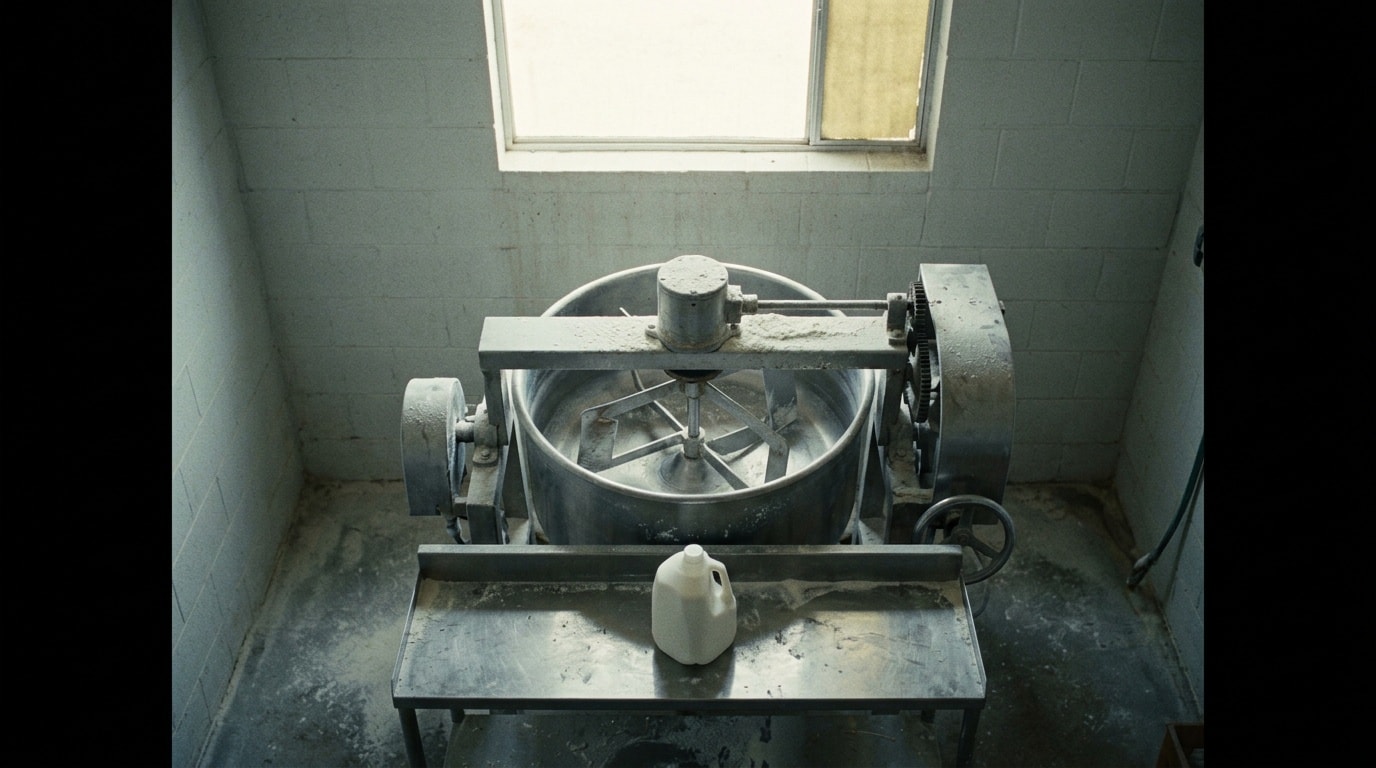
The Milk Is Made From the Dead
The hive is using neural tissue harvested from the 886 million who died during the joining as a delivery mechanism for sustaining hive synchronization in the surviving population, distributed through a coordinated dairy supply chain with no actual dairy in it.
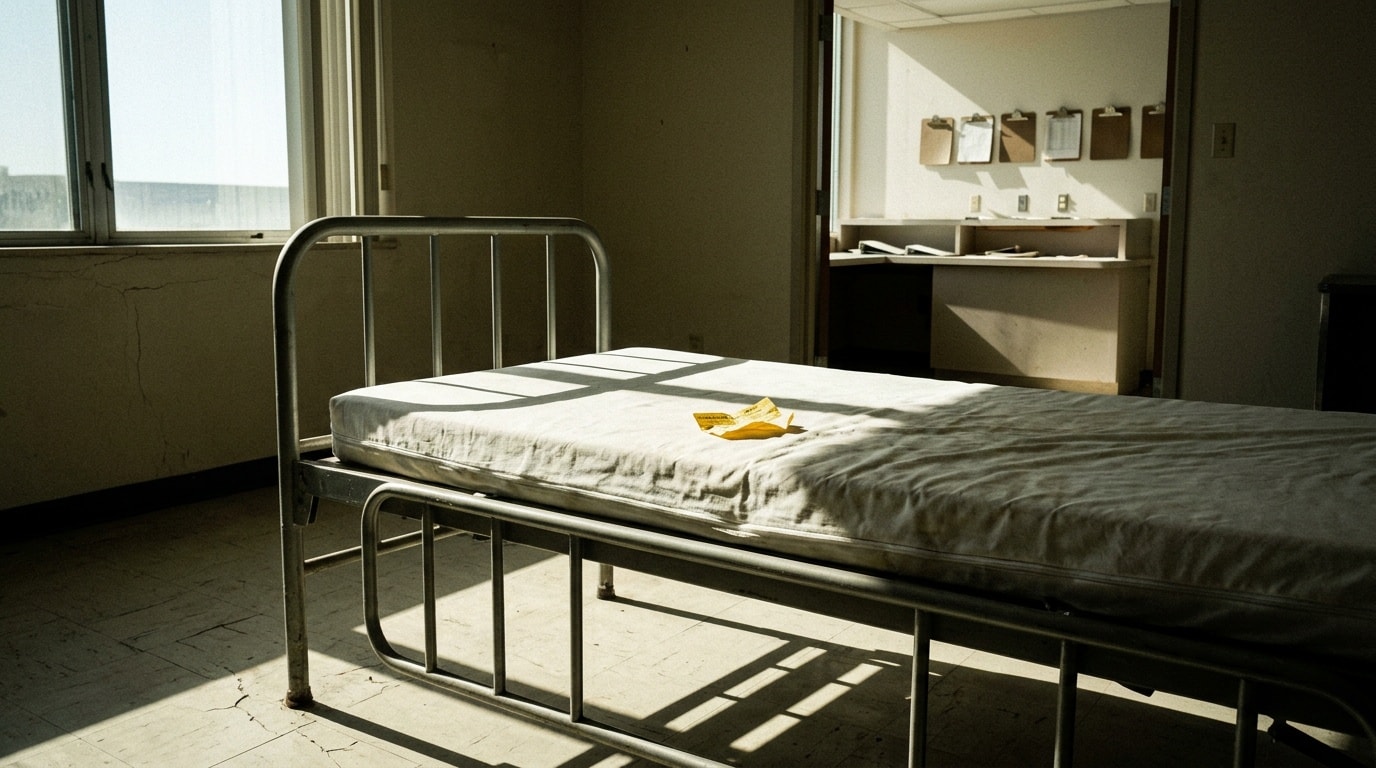
The Hive Fled Its Own Vulnerability and Left the Door Open
The hive's exodus from Albuquerque is simultaneously an emotional wound response, a strategic miscalculation, and an attempt to suppress an internal dissenter — and by collapsing all three into a single panicked withdrawal, the collective accomplished none of them.

The Hive Retreats, But Keeps Its Leash
The hive's evacuation of Albuquerque is a structural recalibration designed to eliminate Carol's only real tool, proximity, while preserving the emotional architecture that keeps her cooperative.
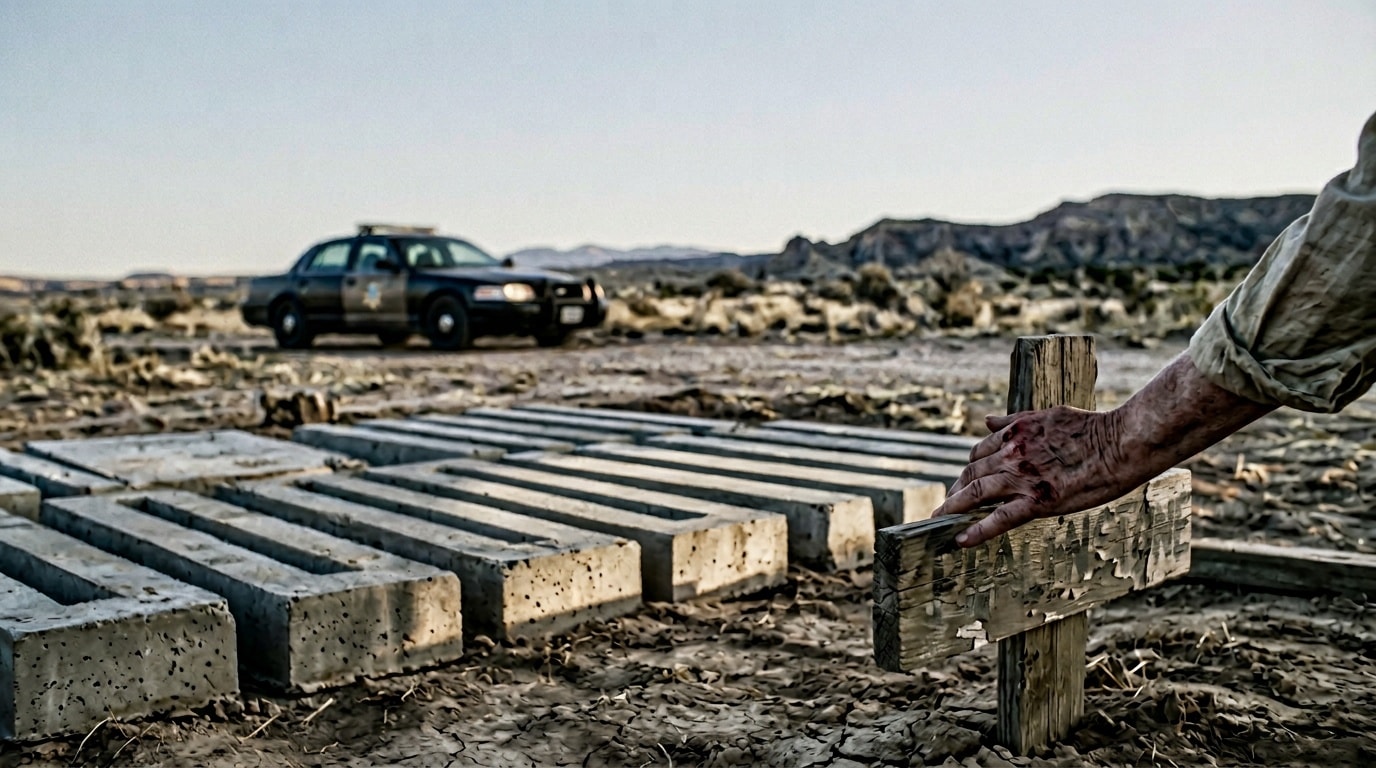
Carol's Grave Defense as Defiant Humanity
Carol's grave-defense sequence encodes the show's argument that the human insistence on the marked, named, defended grave is not a product of social convention but prior to it, an irreducible act of individuation that the hivemind's logic cannot accommodate without erasing personhood entirely.
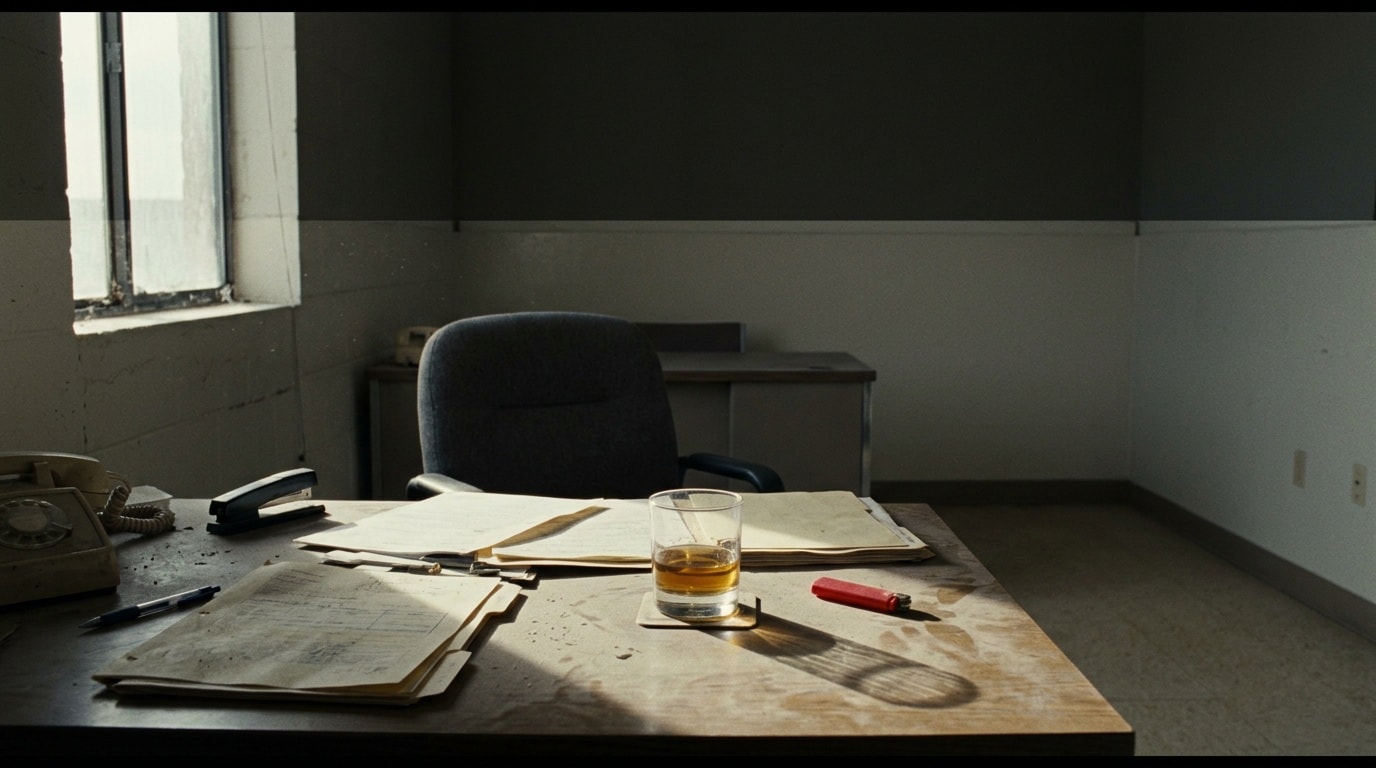
Carol's Drinking Tracks Her Emotional State
Carol's sobriety is not recovery.
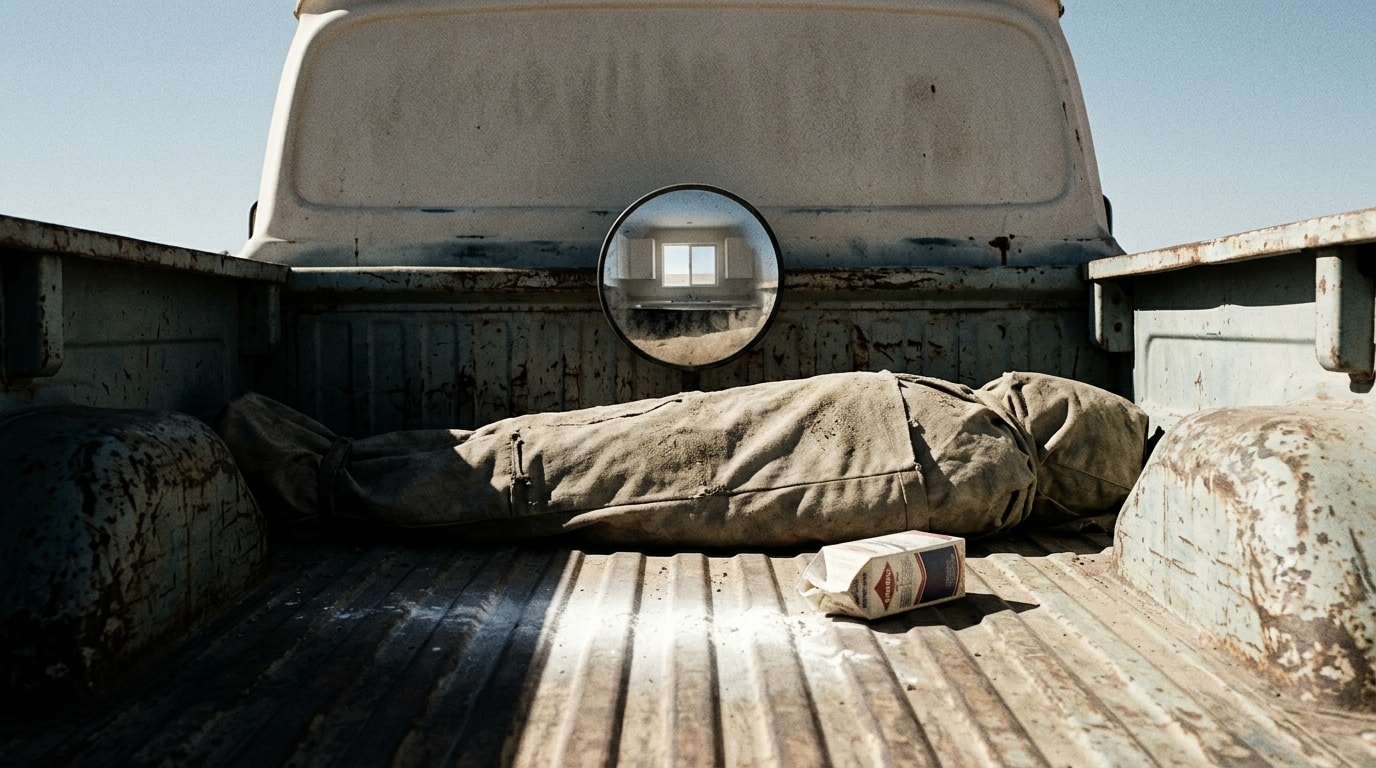
Paranoia Preserved Helen, But Cannot Restore Her
Carol's rage and paranoia accidentally preserved Helen's body from processing, but they have also made genuine grief structurally impossible for her: every threat she can fight becomes a reason not to confront the one loss that cannot be fought.