
Diabaté's Silence About Carol Is the System Protecting Itself
Plausibility Score
(?)Convinced
(?)#651
of 1000 theories
Theory Ranking
(?)READER VERDICT
Is this theory convincing?
Trend builds after 10 votes.
Be among the first to weigh in.
THEORY ASSESSMENT
The episode directly supplies the visual and structural evidence the theory depends on, but the hollowness remains an interpretive layer the narrative implies rather than states, and Diabaté himself shows no confirmed discomfort with his arrangement in this episode.
STORY CONTEXT
The Collective has gone to unusual lengths to bring Carol into the fold, and fans here debate whether she's a recruitment priority, a threat to neutralize, or something else entirely. Theories range from her unique neural resistance to a deeper connection the Collective hasn't revealed.
WHY THIS MATTERS
If Diabaté's concern for Carol is genuine, then the information asymmetry between them — his insider knowledge of her structural exclusion versus her unawareness of it — is the one real variable in a system otherwise designed to eliminate variables. What he does with that knowledge determines whether his refusal of conversion was ever a principled act or simply the most comfortable available position.
ALTERNATE INTERPRETATION
A competing reading present in the minority claims argues that Diabaté's refusal to consent is not really about valuing individuality or autonomy in any principled sense. On this view, he refuses conversion specifically because the Collective's programmed compliance is more useful to him unjoined. If he joins, he becomes part of a shared consciousness where his desires must coexist with others. Remaining separate, he retains a subject position the Others are biologically compelled to serve. The refusal is not a defense of selfhood but a preservation of dominance over a compliant system, which makes his situation less a hollow paradise and more a deliberate power arrangement he has no incentive to abandon.
Adjacent Reading — Not a Competing Theory
Other Theories for S1E06
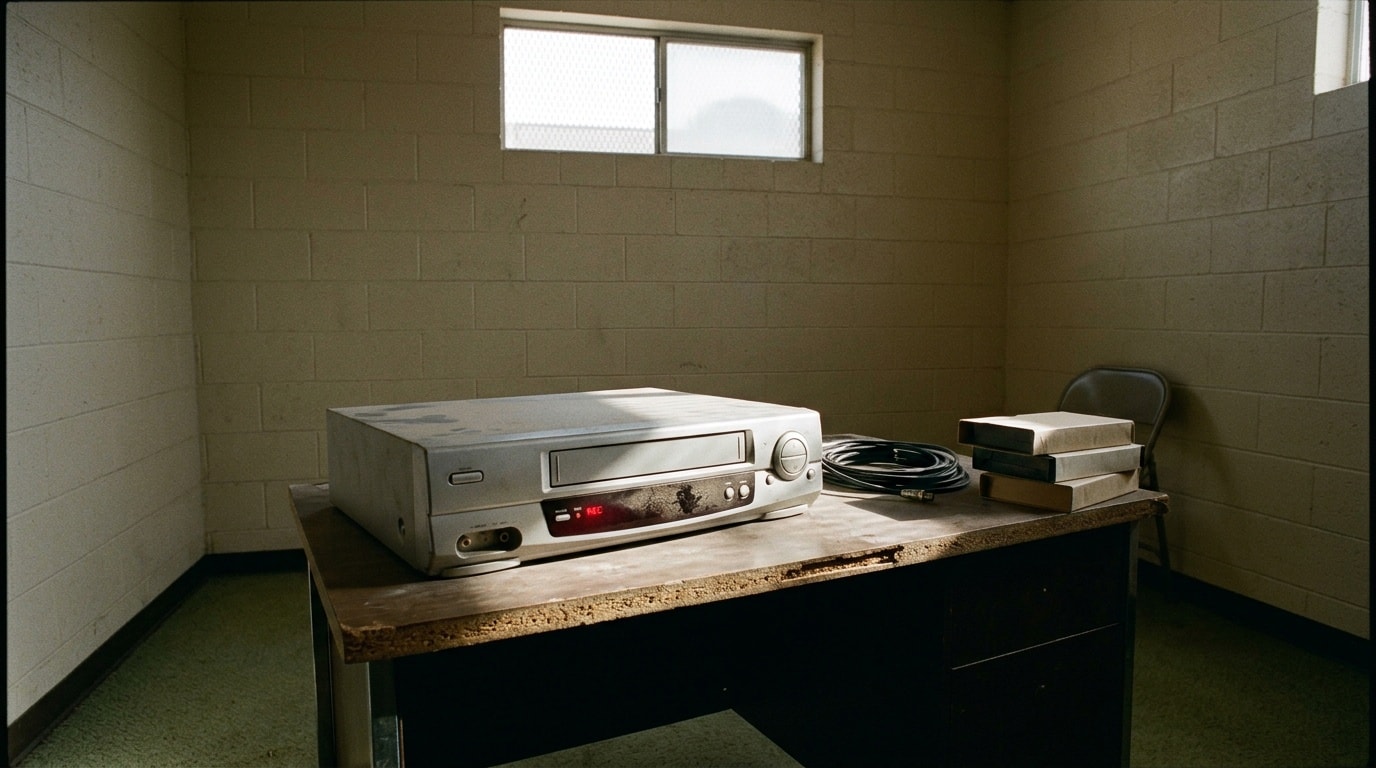
The Only One Who Listened
The Collective permitted Carol's videotape to reach Manousos because his refusal to accommodate was more valuable in motion than in isolation.

His Mother's Voice, His Greatest Resistance
The Others miscalculated when they sent Manousos' biological mother to intercept him during his escape.

Survivor Leverage Is Real but Already Being Measured for a Loophole
The Others' biological dependence on willing subjects for stem cell extraction gives immune survivors genuine structural leverage — the Collective cannot grow without consent it cannot compel.
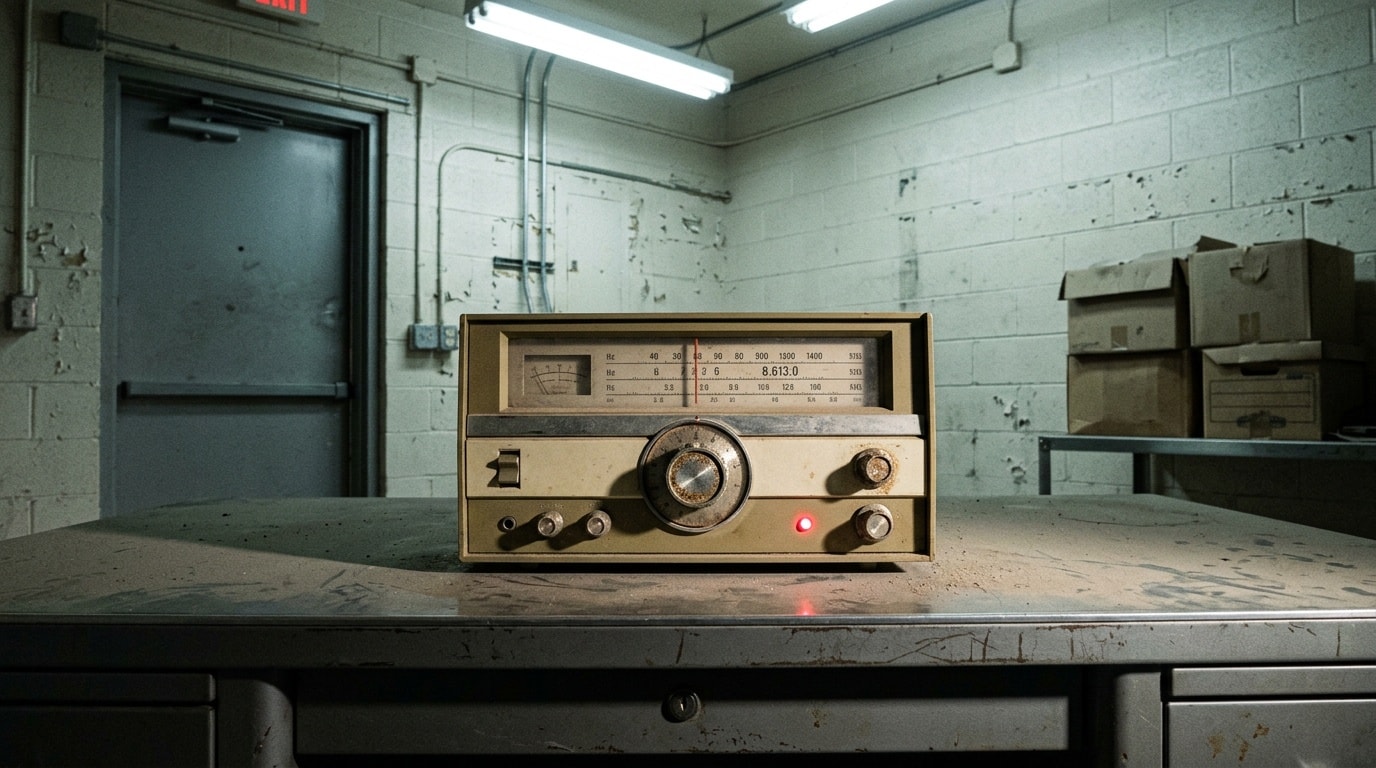
The Hive Speaks on 8.613.0
The Others' apparent telepathy is electromagnetic coordination broadcast on a specific radio frequency, 8.
Carol the Unknowing Antagonist
Carol's exclusion from the survivor group is not a circumstance but a verdict: the group collectively determined she is incapable of reaching the conclusion they reached, and they were right.