Break Room Voices Are Psychologically Personalized Torture
THE ARGUMENT
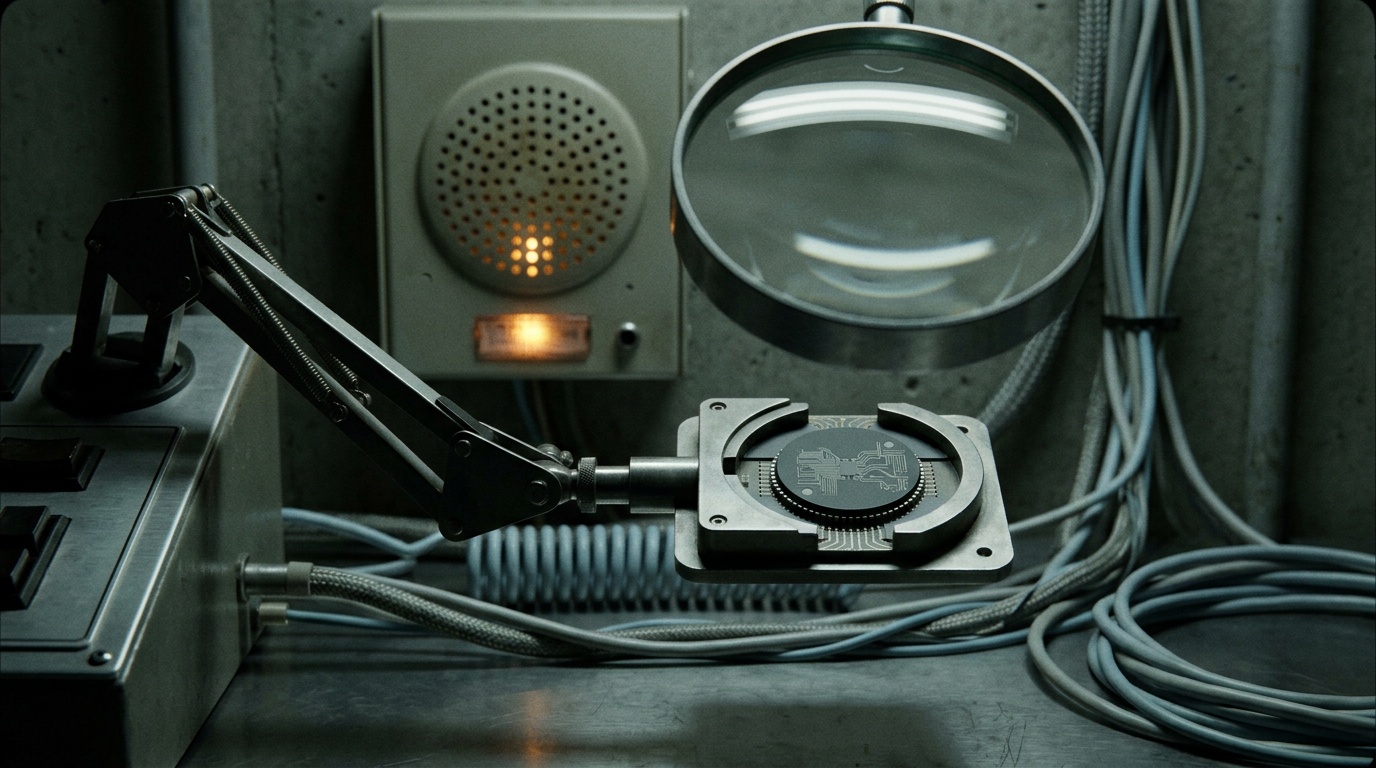
The Break Room generates personalized auditory stimuli calibrated to each innie's specific psychological vulnerabilities, not a shared ambient sound. Helly and Dylan report entirely different experiences, and Lumon staff refuse to explain the divergence, which implies the chip either pre-loads a target stimulus during the severance procedure or reads emotional state in real time to adjust output. Either possibility means the severance chip is a surveillance instrument, and Lumon has mapped each innie's inner architecture precisely enough to weaponize it on demand.
How This Theory Works
The Break Room delivers different sounds to different people, and Lumon will not say why. Helly hears an angry, mumbly man. Dylan heard a crying baby. Milchick's refusal to answer when Helly asks what the voice is confirms the sound is not incidental noise anyone could identify from outside. Something is being deliberately produced, and it is not the same thing for everyone.
The personalization hypothesis is the most structurally damning reading of this detail. A crying baby is a sound associated with helplessness, dependence, and unmet need. An angry, mumbly man suggests confrontation, something that cannot be reasoned with. If those selections are intentional, Lumon is not just making the room unpleasant. It is reaching into each innie's psychological profile and isolating the specific stimulus most likely to destabilize them. Dylan's advice about tricking the machine by thinking about something you actually feel sorry for implies the Break Room is monitoring genuine emotional response, not counting rote repetitions. The unanswered question this raises is precise: what is the actual mechanism by which the chip delivers a personalized stimulus? Either the chip is reading active emotional state in real time and adjusting the output, or Lumon pre-selected a target sound during the severance procedure itself based on psychological profiling done before or during surgery. Those are different levels of violation, and the show has not said which one is operating.
If the chip contains enough information about each person's inner architecture to generate personalized auditory distress, then Lumon's knowledge of their innies extends well beyond what appears on a compliance report. The Break Room does not treat each person as an anonymous production unit. It treats them as a specific psychological target. That precision means severance is not just a wall between inner and outer selves. It is a one-way mirror, and the procedure that installed it may have been designed from the start to make surveillance possible, with punishment as the application.
Is this theory convincing?
Key Evidence
Helly Hears Angry Mumbly Man
Helly asks Milchick directly what the voice is behind the door in the Break Room, describing it as an angry, mumbly guy, and Milchick does not answer.
Dylan Heard Crying Baby
When Helly mentions the voice, Dylan asks if she means the crying baby, confirming that what he heard during his own compunction sessions was entirely different from what Helly heard.
Milchick Refuses to Identify Sound
Milchick does not explain or acknowledge the voice when Helly asks, treating the source of the sound as information the employees are not permitted to have.
Dylan's Trick the Machine Remark
Dylan advises Helly to trick the Break Room by thinking about something she is genuinely sorry about, implying the system is monitoring authentic emotional states rather than surface compliance.
Sounds Match Psychological Profiles
A crying baby aligns with themes of helplessness and dependence while an angry, mumbly man suggests unresolvable confrontation, and these align with the distinct temperaments Helly and Dylan display in the office.
No Shared Auditory Experience Confirmed
Neither employee reports hearing the other's sound, and no character offers any explanation for why the experiences differ, leaving the divergence unresolved and unacknowledged by Lumon staff.
This theory was evaluated using Theory Atlas editorial standards, including evidence review, narrative fit, and competing interpretation analysis. Learn how Theory Atlas evaluates theories →
Other Theories for S1E04
Mark Shredded Evidence Against His Outie
Mark's destruction of Petey's map was not rule-following but a deliberate act of self-erasure against an object that threatened to surface what his outie already knows.
Irving's Retreat Signals Mutual Romantic Feeling
Irving has already developed feelings for Burt strong enough to require escape, and his identity as Lumon's most compliant innie is not incidental but the mechanism of his suppression.
Outie Helly Believes Her Innie Is Not Real
Outie-Helly did not arrive at her denial of her innie's personhood through reluctance or internal conflict.

Irving's Kier Worship Makes Him a Target
Irving's attachment to Kier's mythology is not conditioned loyalty but a structurally manufactured identity -- the only interior life available to a severed employee who has filled the void completely.
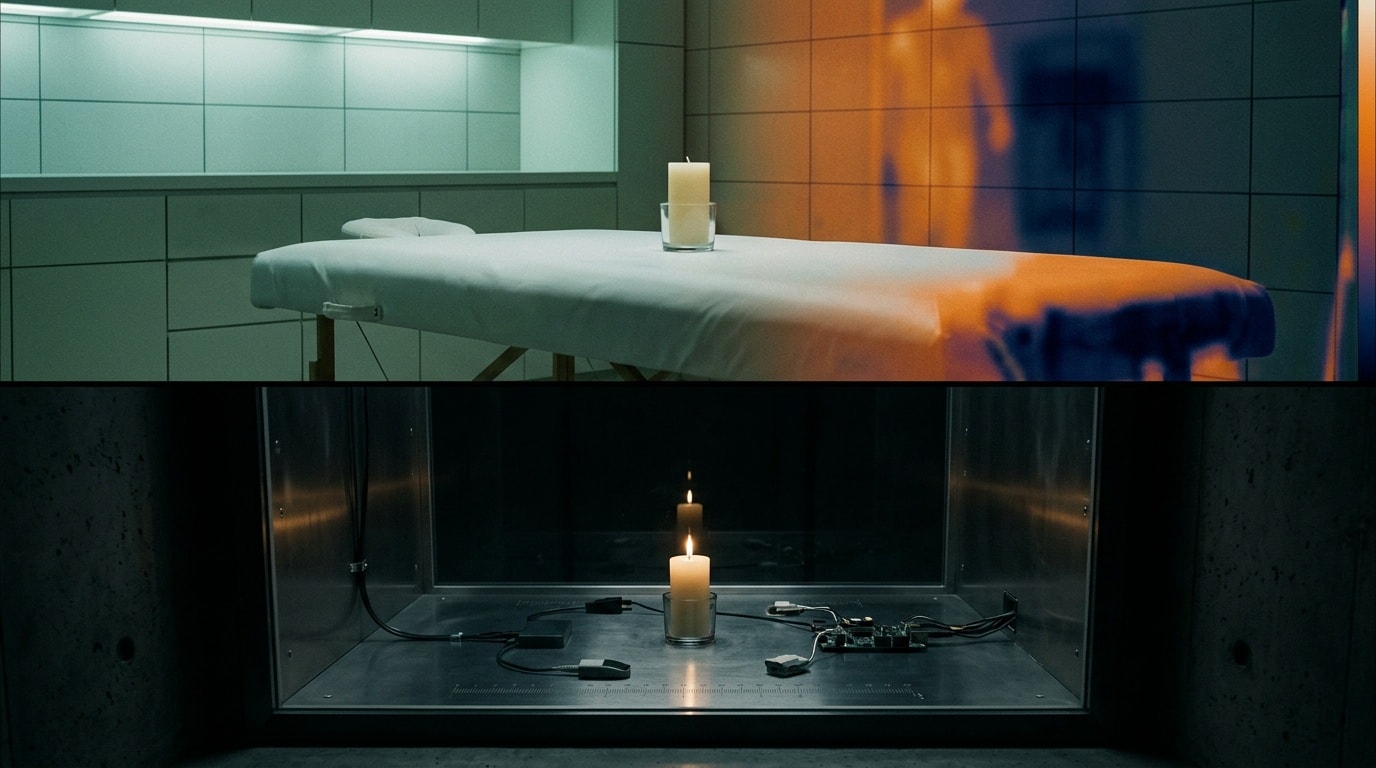
Mark's Hands Remember What His Mind Cannot
Mark's innie is not simply ignorant of Gemma's death.
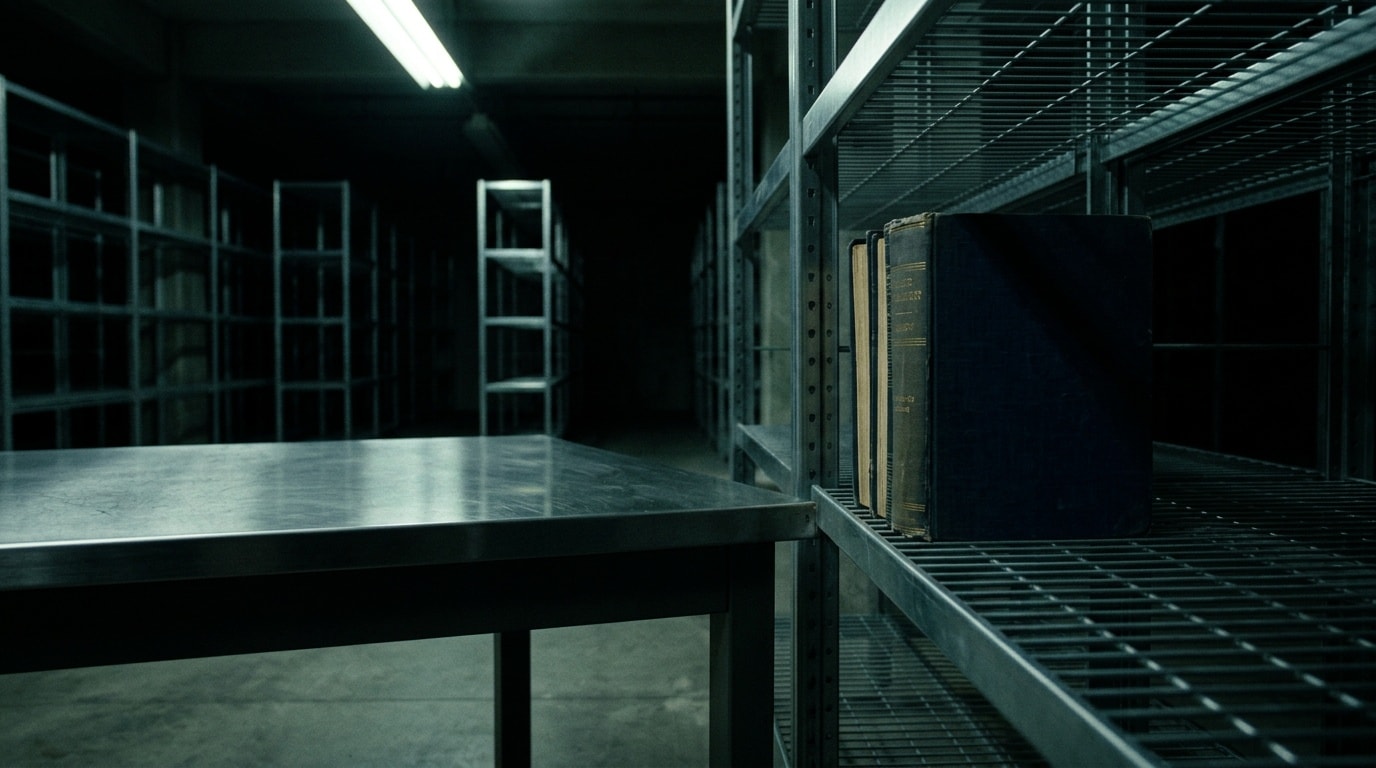
The Signed Book Is Petey's Final Message
Petey placed 'The You You Are' inside Lumon before his reintegration as a deliberate second stage of the communication sequence he opened with the map, using the severed floor's unmonitored lateral spaces as a dead-drop.
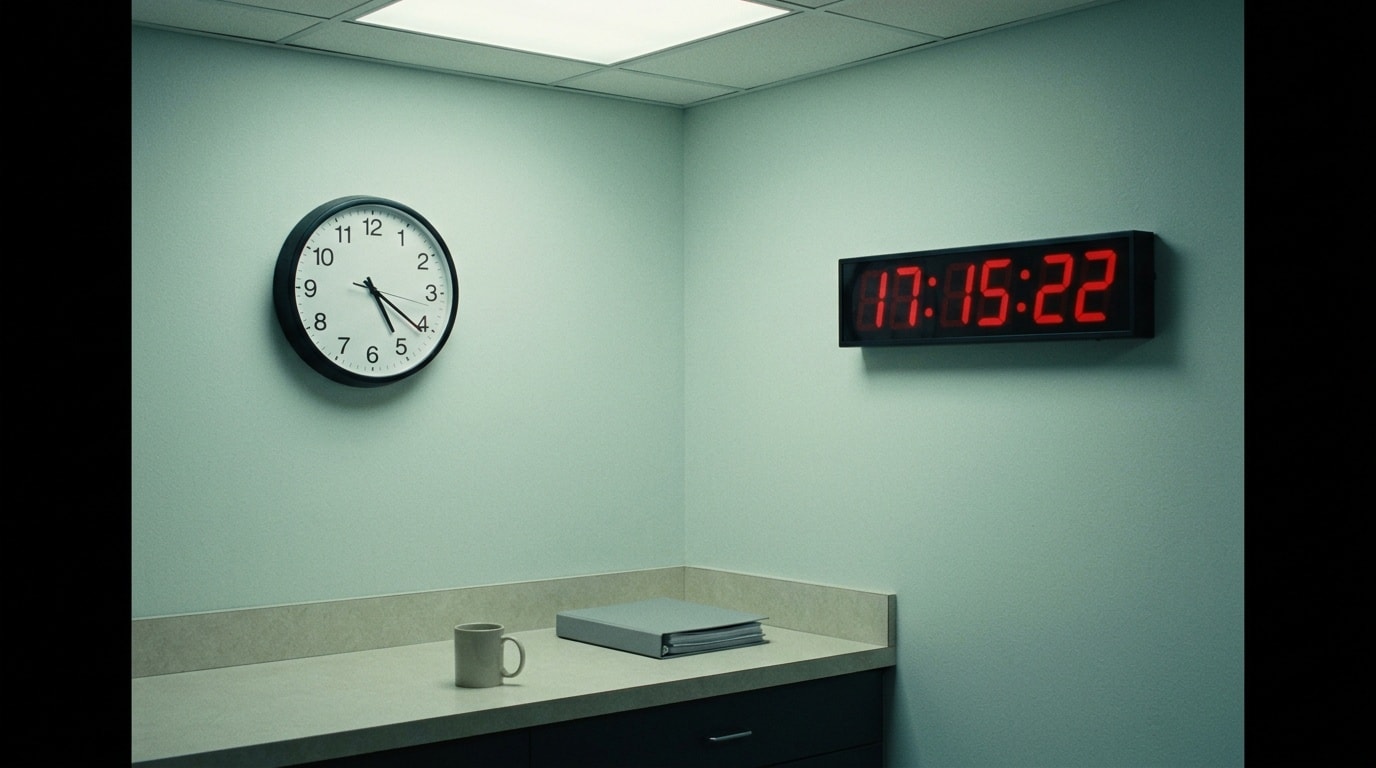
The Break Room Runs on Impossible Time
The Break Room operates on a duration that the episode's own clock timestamps cannot accommodate, meaning either Lumon controls time within that room independently of the observable floor chronology, or the show is deliberately concealing how long Helly was actually kept there.
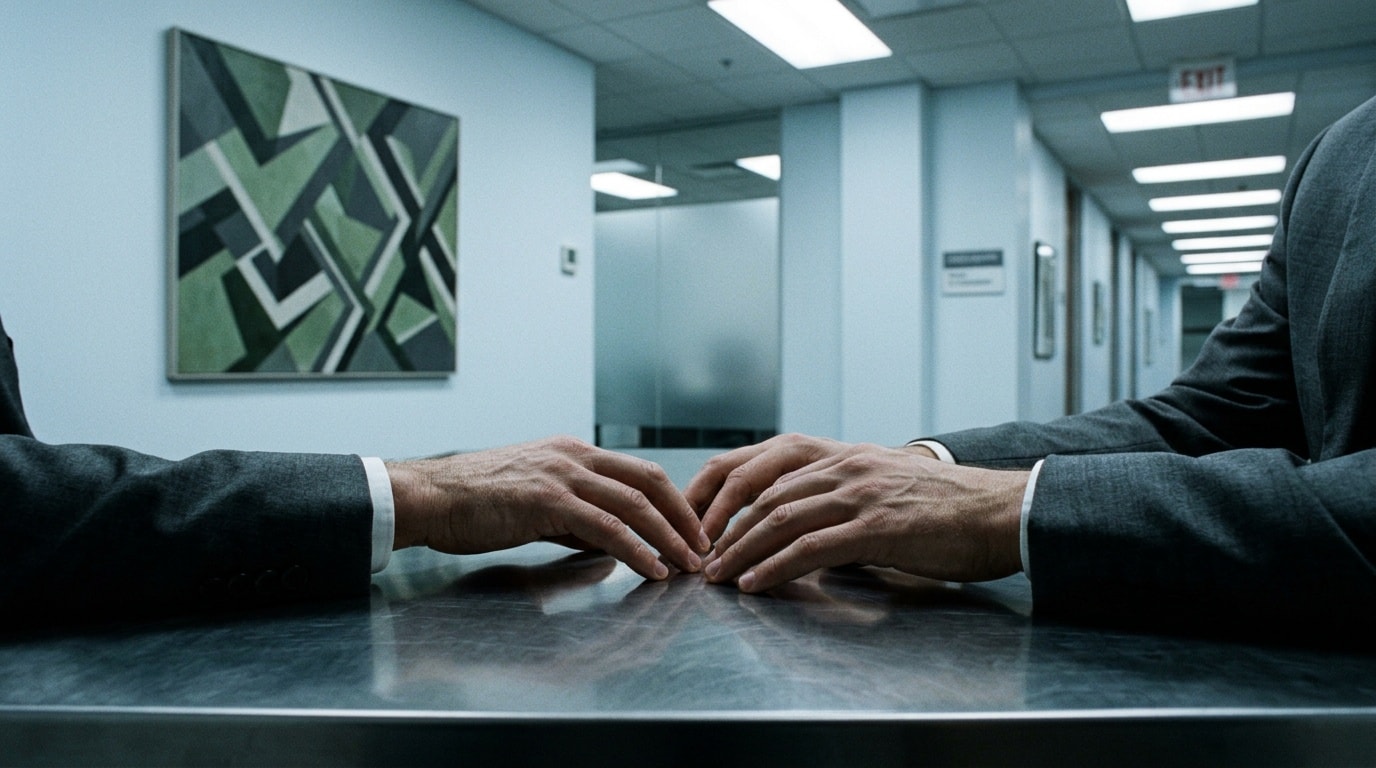
Irving and Burt Knew Each Other Before Severance
Irving and Burt's outies likely shared a romantic relationship that both severed themselves to escape, and what reads as a charged first meeting inside Lumon may be the reassertion of an unresolved bond neither man can now identify.