
Irving's Kier Worship Makes Him a Target
THE ARGUMENT
Irving's attachment to Kier's mythology is not conditioned loyalty but a structurally manufactured identity -- the only interior life available to a severed employee who has filled the void completely. Because Kier's image occupies the space where a self would otherwise be, Irving cannot defect, cannot be suspicious, and cannot prioritize a human relationship over an institutional one. That makes him not merely Lumon's most loyal employee but its most available instrument.
How This Theory Works
Irving's ideological devotion to Kier is not a product of successful conditioning -- it is a replacement for a self. The more precise claim is this: Irving does not worship Kier because Lumon trained him to. Irving worships Kier because, at the innie level, Kier's mythology is the only interior life he has. Severed employees have no memory, no history, no relationships that predate the floor. Irving has filled that void with Lumon's cosmology, and he has done so completely enough that the filling no longer feels like filling. It feels like identity.
This is what makes Irving more than manipulable -- it makes him structurally undefendable against institutional pressure. He does not need the Break Room because coercion requires a self to break. Irving has already organized his entire interior world around the thing Lumon wants him to serve. His first instinct after finding the mysterious book is to report it up the chain. His reason for visiting O&D is framed as an expression of Kier's original vision, not personal curiosity. These are not the responses of an employee who obeys to avoid punishment. They are the responses of someone who has no competing loyalty to betray.
Burt's gesture during the painting scene is where this dynamic becomes structurally visible. When Burt moves his hand over Irving's, Irving flinches and leaves. That departure is not discomfort with physical contact. It is the moment a genuine human attachment arrives and finds no available space. Irving's devotion to Kier's image is not merely emotional -- it is load-bearing. It occupies the architecture that would otherwise hold a relationship. When Burt's hand lands, something has to give, and what gives is Irving. Lumon has not manufactured loyalty in Irving. It has manufactured a person whose only available intimacy is directed at an institution, which means the institution can withdraw or redirect that intimacy at will. Irving does not know he has been built this way. That ignorance is the exploit.
Is this theory convincing?
Key Evidence
Irving Cried at Kier Painting
Irving tells Burt he cried when 'The Youthful Convalescence of Kier' was displayed, describing it as a great month and expressing that he never thought he'd see it.
Kier's Vision Justifies O&D Visit
Irving frames his decision to visit Optics and Design not as personal curiosity but as an expression of Kier's original vision that all departments work together.
Irving Recoils at Burt's Touch
When Burt moves his hand to cover Irving's during the painting moment, Irving quickly excuses himself and leaves, suggesting the human connection disrupts his ideologically organized interior world.
Devotion Precedes Self-Interest
Irving's first instinct after finding the mysterious book is to report it up the chain of command, consistent with an employee whose loyalty to institutional structure overrides personal curiosity.
Kier Worship as Emotional Substitute
Irving's attachment to Kier's imagery functions as a personal emotional investment rather than professional respect, suggesting Lumon's conditioning has shaped his inner life, not just his behavior.
This theory was evaluated using Theory Atlas editorial standards, including evidence review, narrative fit, and competing interpretation analysis. Learn how Theory Atlas evaluates theories →
Other Theories for S1E04
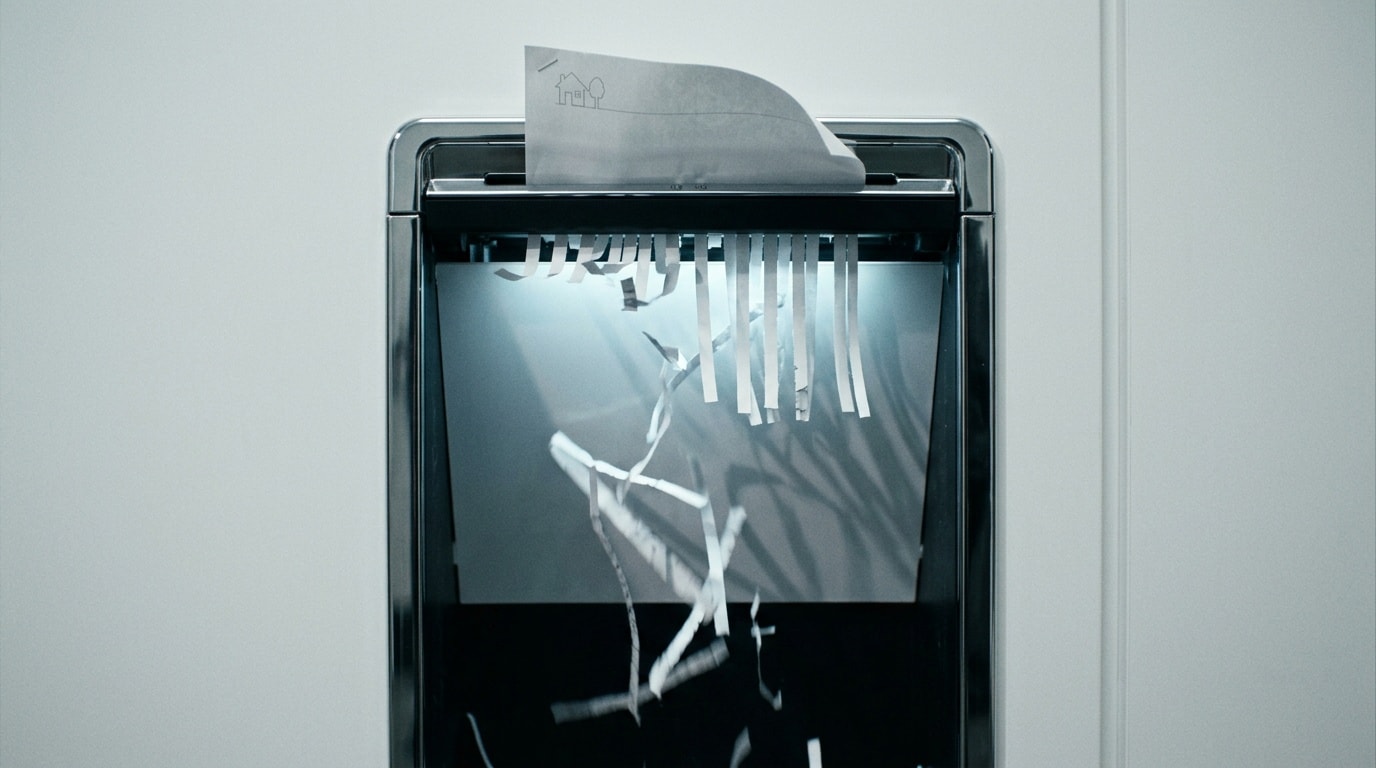
Mark Shredded Evidence Against His Outie
Mark's destruction of Petey's map was not rule-following but a deliberate act of self-erasure against an object that threatened to surface what his outie already knows.
Irving's Retreat Signals Mutual Romantic Feeling
Irving has already developed feelings for Burt strong enough to require escape, and his identity as Lumon's most compliant innie is not incidental but the mechanism of his suppression.
Outie Helly Believes Her Innie Is Not Real
Outie-Helly did not arrive at her denial of her innie's personhood through reluctance or internal conflict.
Mark's Hands Remember What His Mind Cannot
Mark's innie is not simply ignorant of Gemma's death.
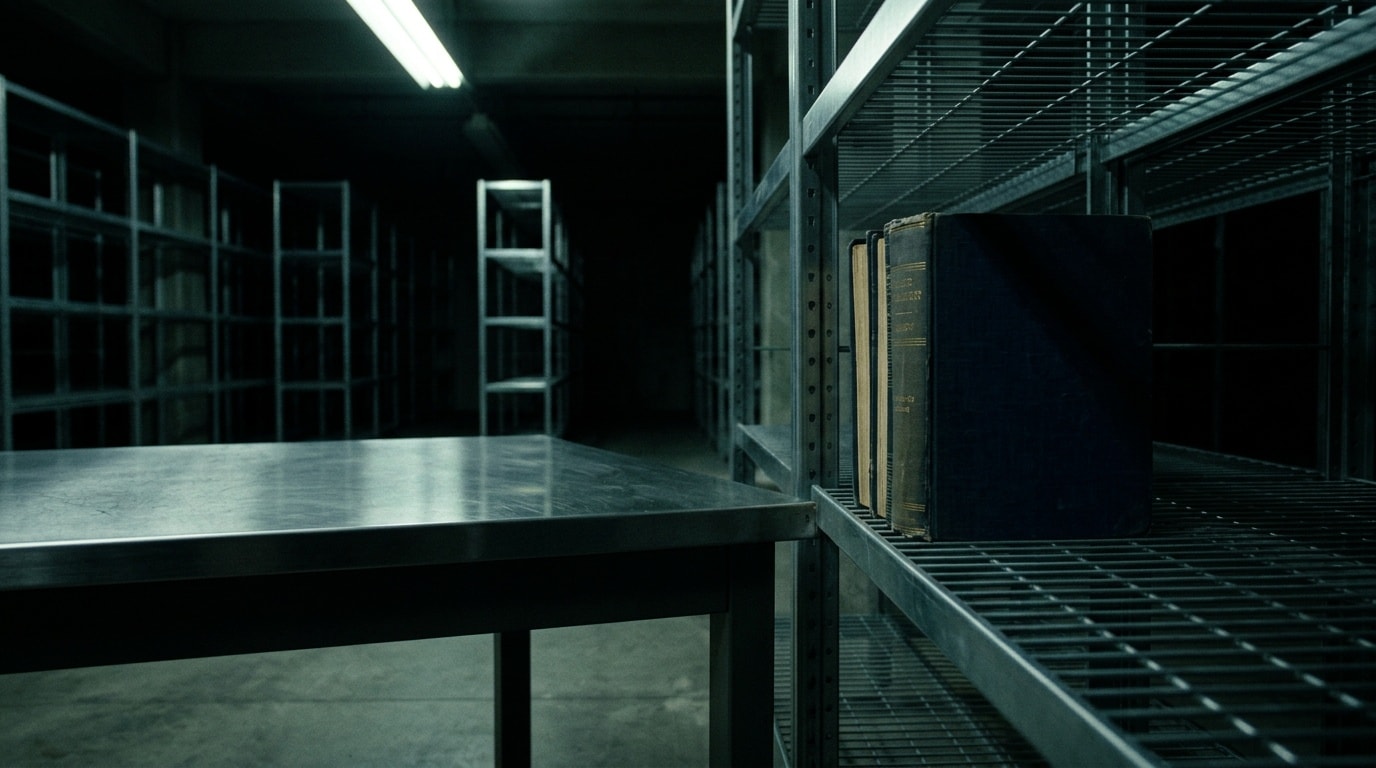
The Signed Book Is Petey's Final Message
Petey placed 'The You You Are' inside Lumon before his reintegration as a deliberate second stage of the communication sequence he opened with the map, using the severed floor's unmonitored lateral spaces as a dead-drop.
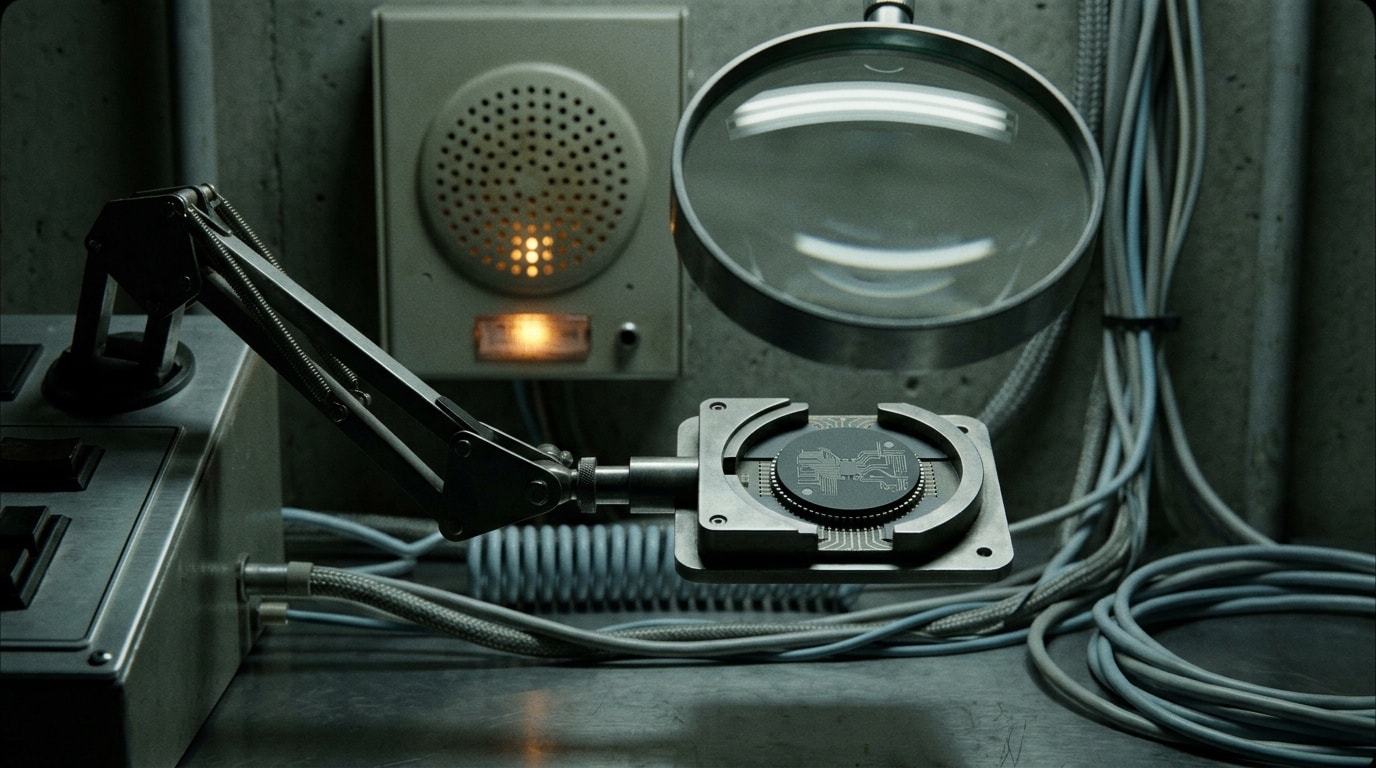
Break Room Voices Are Psychologically Personalized Torture
The Break Room generates personalized auditory stimuli calibrated to each innie's specific psychological vulnerabilities, not a shared ambient sound.
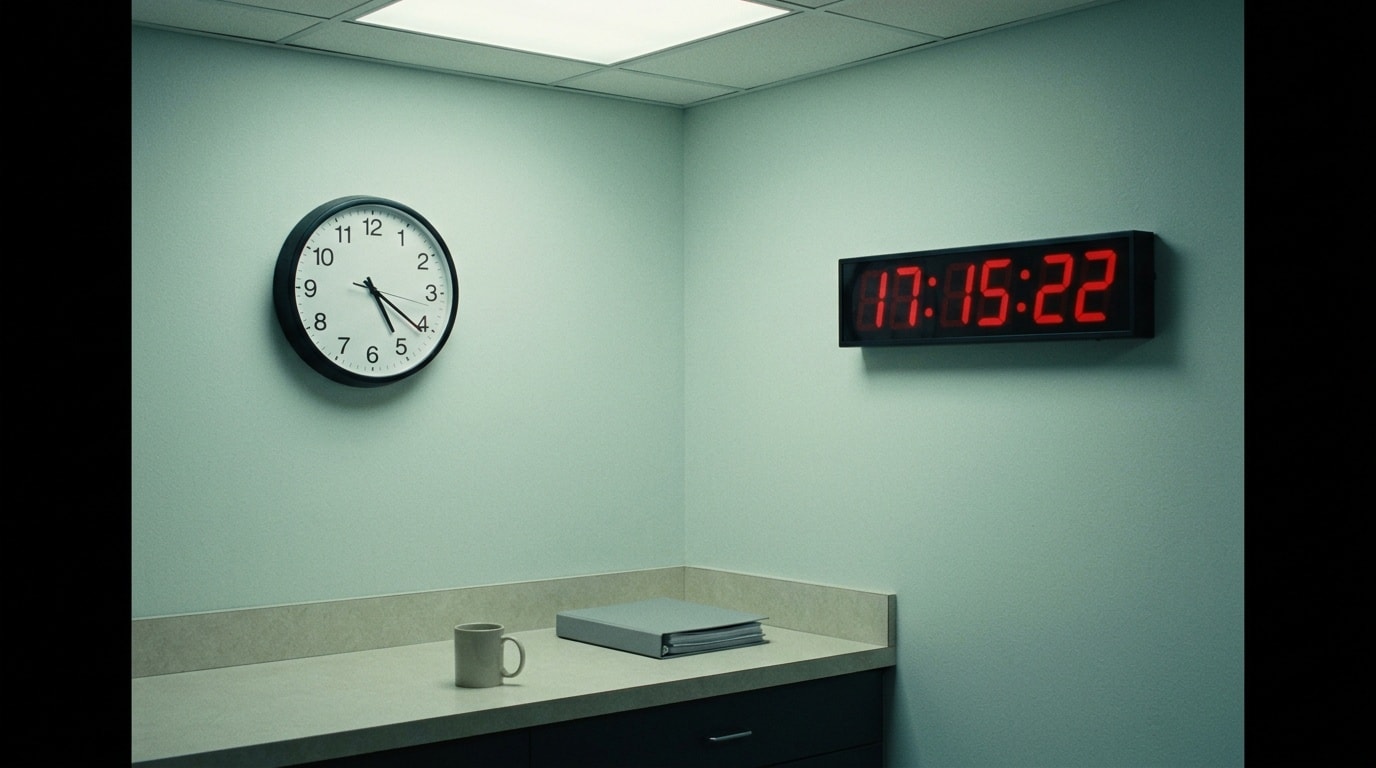
The Break Room Runs on Impossible Time
The Break Room operates on a duration that the episode's own clock timestamps cannot accommodate, meaning either Lumon controls time within that room independently of the observable floor chronology, or the show is deliberately concealing how long Helly was actually kept there.
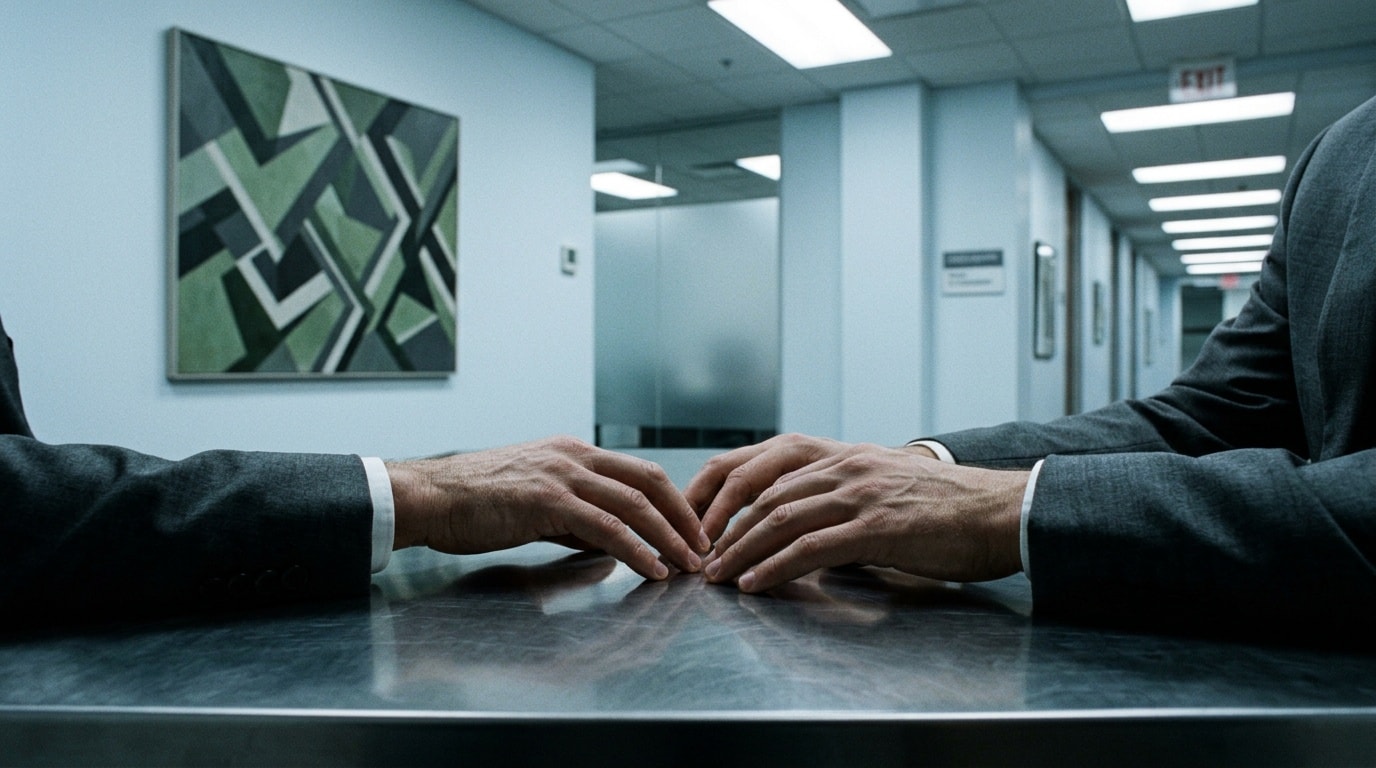
Irving and Burt Knew Each Other Before Severance
Irving and Burt's outies likely shared a romantic relationship that both severed themselves to escape, and what reads as a charged first meeting inside Lumon may be the reassertion of an unresolved bond neither man can now identify.