Dylan Is Commandeering Lumon's Control Architecture From Inside the Fracture It Created
THE ARGUMENT
Dylan's mutual blackmail standoff with Milchick is not a personal grievance but a precisely calibrated institutional exploit: Milchick's unauthorized OTC deployment created a chain-of-command corruption that cannot be formally addressed without exposing itself, and Dylan is now using that fracture to position himself as the instrument through which Lumon's own control mechanism can be seized. The unconfirmed claim is that Dylan's volunteer status as OTC subject, combined with leverage that formal discipline cannot safely touch, places him in a position the institution has no sanctioned procedure to counter.
How This Theory Works
The tell is not the perk offer. It is the framing around it. When Milchick compensates Dylan after the OTC incident, he describes it as a gesture for a rough quarter — the specific register of someone settling a matter privately, outside sanctioned channels. If the Overtime Contingency had been properly authorized, there would be no aftermath to manage alone, no pressure applied toward silence, and no reason for Milchick's composure to fracture the moment Cobel's name enters the room. That shutdown is not a manager losing his footing in a difficult conversation. It is the reaction of someone caught. Cobel, as far as the visible evidence establishes, is operating as though her floor runs on sanctioned procedure. The protocol's secrecy is architecturally built into the protocol itself: Milchick cannot report the OTC's use upward without immediately surfacing the question of whether he had authority to use it. The system that contains severed employees also contains the evidence of his deviation, and he has no clean move.
Dylan attacked Milchick in anger and landed on something he did not fully understand he was landing on — but the attack itself was not impulsive. The episode is precise about the sequence: Dylan stays at his desk working through the Music Dance Experience while the rest of MDR participates, then executes a targeted physical confrontation, biting hard enough to break skin. That is not an outburst. That is restraint followed by controlled escalation, the behavioral signature of someone stress-testing a hypothesis about institutional limits rather than venting frustration. Milchick's inability to formally retaliate confirmed what Dylan suspected. The more Milchick manages Dylan through informal negotiation — withholding the son's name as a soft coercive tool, offering perks framed as personal gestures — the more precisely he confirms that formal discipline is unavailable to him. Dylan is not simply protected by leverage. He is conducting experiments in real time to determine exactly how much weight that leverage can bear.
What makes Dylan's position uniquely operational rather than merely adversarial is that his argument for commandeering the OTC is not theoretical. Every other innie reasoning about escape is working from inference and secondhand knowledge. Dylan is working from embodied experience. He has been outside. He knows what the activation feels like from inside his own nervous system. When he tells his teammates that nothing prevents them from seizing the mechanism Lumon used on him, he is not proposing a hypothesis — he is describing a door he has personally walked through. His offer to undergo the process again as the team's proof of concept is the clearest evidence that he understands the nature of the asset he holds: not just information about the OTC, but firsthand phenomenological knowledge of it, combined with a grievance personal enough — his son — to survive any informal management Milchick can deploy.
The sharpest structural implication is about institutional design rather than individual cunning. Dylan did not find a flaw in Lumon's system by attacking it from outside. The system built the flaw and placed it in his hands. The OTC was designed to produce a compliant innie who would perform off-site labor without understanding the full terms of his exposure. What it produced instead was the one innie inside Lumon with direct experiential knowledge of outside activation, a personal grievance calibrated precisely to the thing Milchick cannot formally address, and a demonstrated immunity to the institution's visible enforcement arm. Lumon needed Dylan passive. The mechanism it selected to ensure his passivity is now the mechanism he is preparing to turn back against it — and the institution never built a recovery procedure for that scenario, because the chain of command was supposed to prevent it from arising. Milchick's unilateral action broke that chain, and Dylan is the fracture.
Is this theory convincing?
Key Evidence
Milchick's Silence on Cobel Authorization
When explaining the Overtime Contingency to Dylan, Milchick makes no reference to Cobel approving the procedure, and his entire handling of the aftermath is conducted without her visible involvement.
Milchick Pressures Dylan to Stay Quiet
Milchick explicitly tells Dylan not to tell his colleagues about the Overtime Contingency, signaling that the procedure's disclosure would create problems for him.
Perk Offer as Damage Control
Milchick offers Dylan special perks after the OTC incident, framing it as compensation for a rough quarter rather than acknowledging any institutional obligation, suggesting he is managing the situation on his own authority.
Dylan's Threat to Report to Cobel
During his attack on Milchick, Dylan threatens to report everything to Harmony Cobel, and Milchick's reaction suggests this threat carries real weight rather than being an empty escalation.
Milchick's Visible Shutdown Under Threat
When Dylan invokes Cobel's name as a threat, Milchick shuts down in a way that reads as genuine vulnerability rather than managerial composure, consistent with someone who has something to hide from his superior.
This theory was evaluated using Theory Atlas editorial standards, including evidence review, narrative fit, and competing interpretation analysis. Learn how Theory Atlas evaluates theories →
Other Theories for S1E07

Reghabi Ran This Operation From Inside Lumon
Reghabi's killing of Graner was a planned operational step, not a reactive one, and the keycard she immediately stripped from his body was the mission objective all along.
Dylan's Son Converts Him Into Lumon's Enemy
Dylan's discovery of his son has relocated his primary loyalty away from Lumon in a way the institution's reward and compliance systems cannot reverse, because those systems assume no attachment strong enough to override them exists.
Petey's Death Was Preventable, Not Inevitable
Reintegration is survivable under proper post-operative care, which means Lumon's implied death sentence around the procedure is manufactured rather than medical.
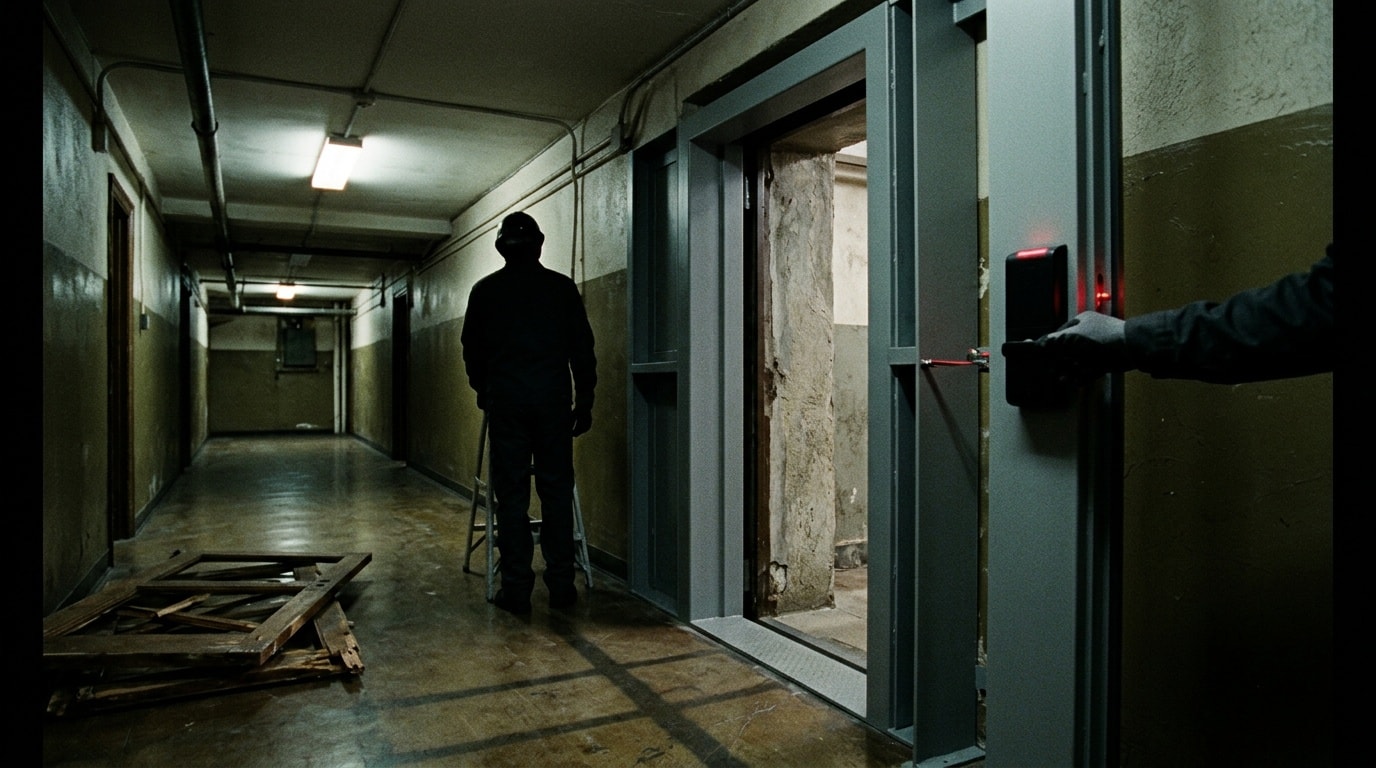
New MDR Doors Are a Physical Containment System
Lumon's installation of new MDR doors following the O&D breach reveals that the severance system was always built to require physical containment of innies, not merely psychological control, and that the original architecture assumed compliance would make enforcement unnecessary.
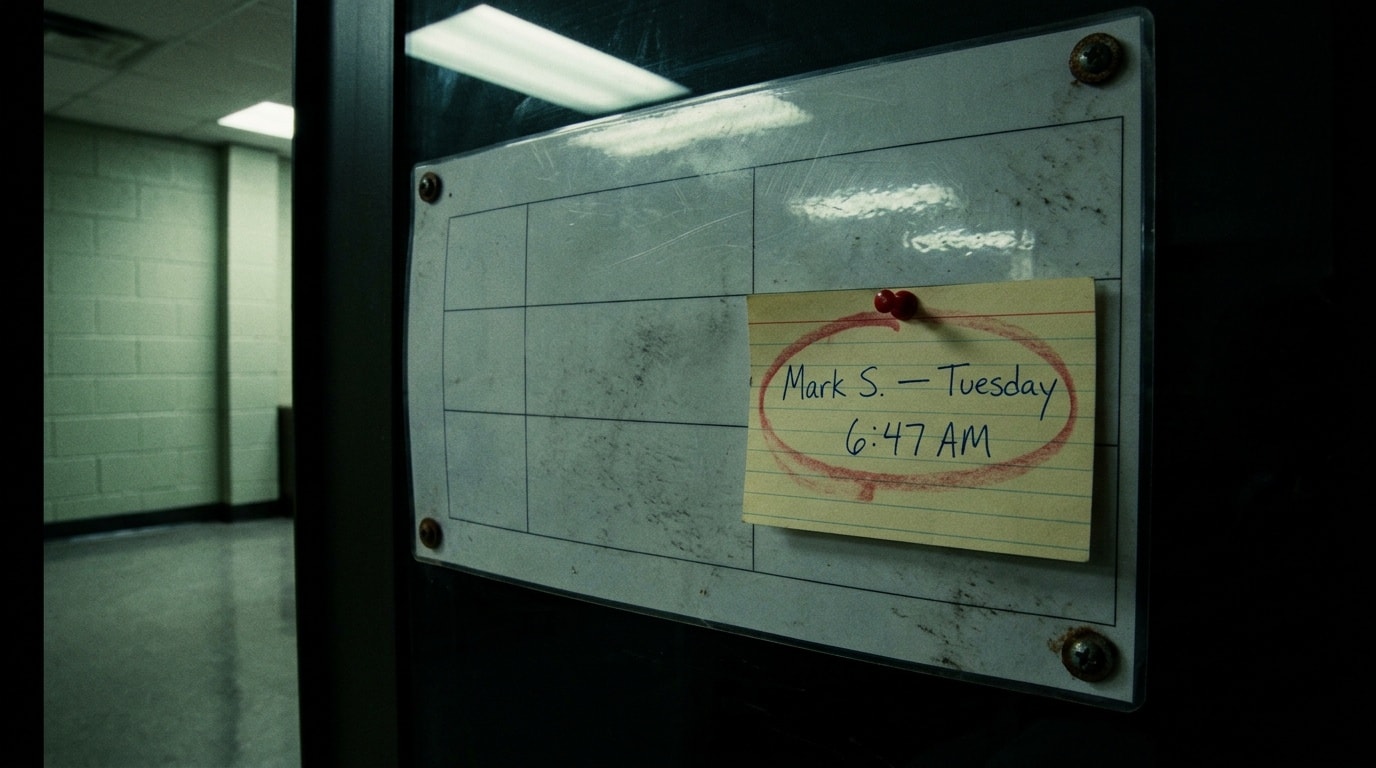
Cobel Knows Mark's Trash Schedule by Design
Cobel's knowledge of Mark's trash schedule reflects a behavioral baseline built through sustained, granular surveillance that exceeds any plausible institutional mandate, suggesting her investment in Mark is personal rather than merely operational.
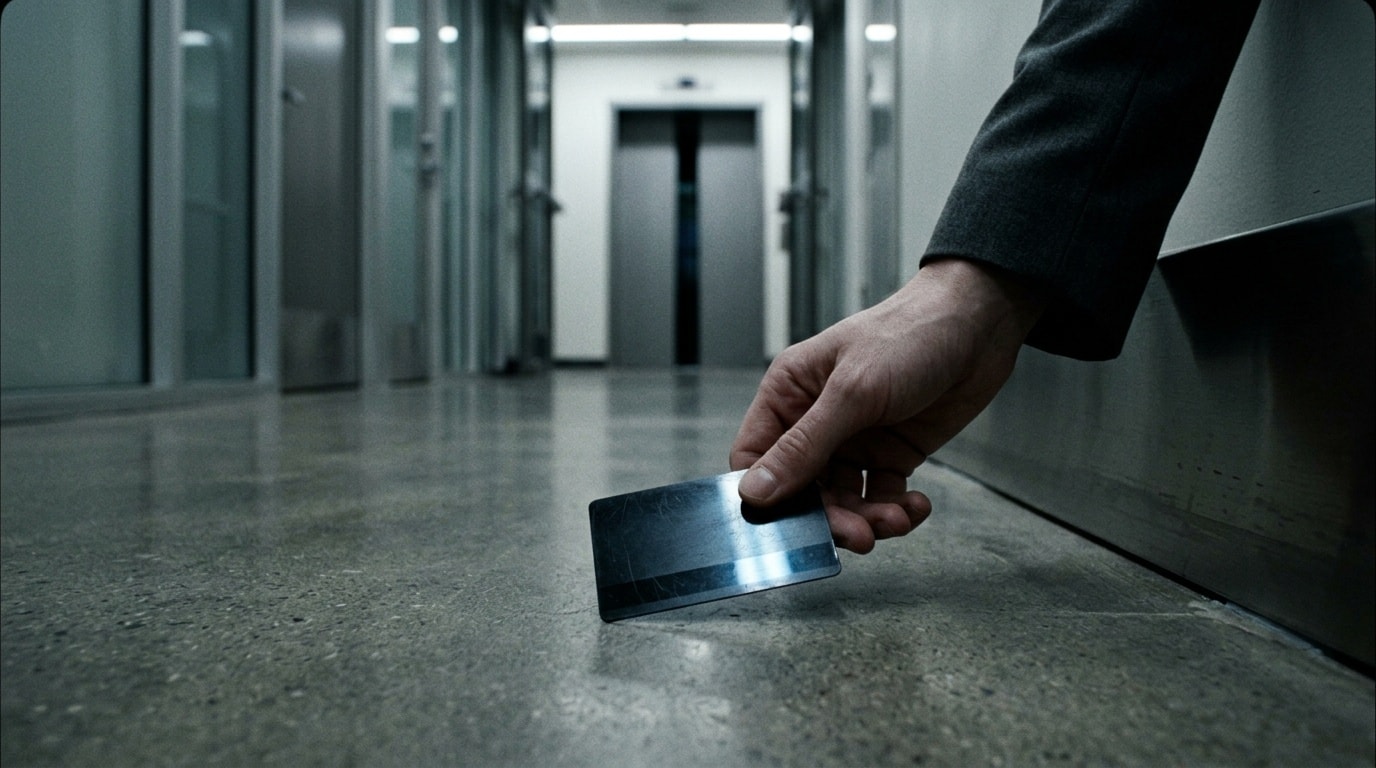
Graner's Death Forces Cobel to the Board
Cobel will walk into her board meeting at the Egan family gallery believing she controls the narrative around Graner's death, but Graner's security keycard is already in Mark's hands without her knowledge, meaning she will present the board with a complete account of an incomplete situation.