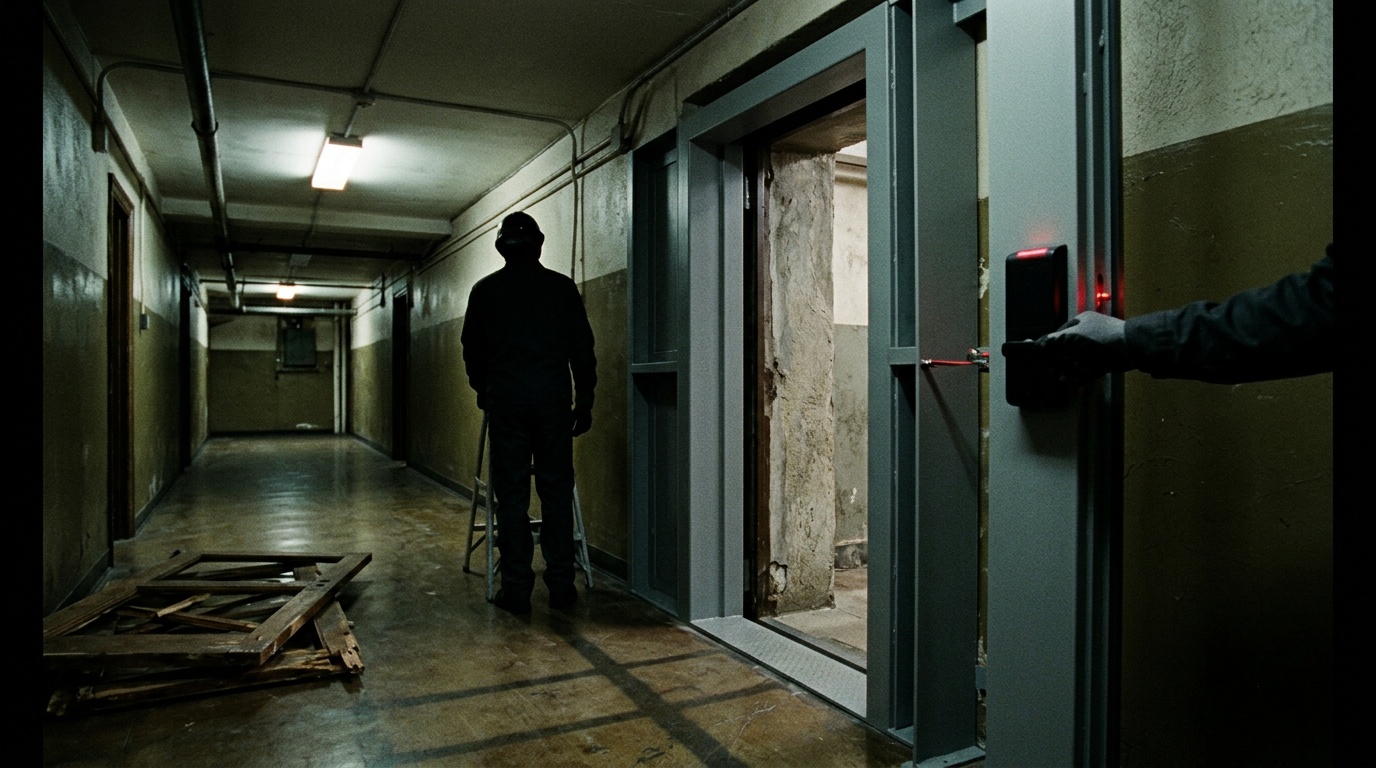
New MDR Doors Are a Physical Containment System
THE ARGUMENT
Lumon's installation of new MDR doors following the O&D breach reveals that the severance system was always built to require physical containment of innies, not merely psychological control, and that the original architecture assumed compliance would make enforcement unnecessary. The retrofit exposes the system's dependence on innies who do not resist rather than a system capable of containing innies who do. The simultaneous introduction of Graner's keycard positions the innie version of Mark as the first direct test of whether that containment can hold.
How This Theory Works
The MDR door installation is not a security upgrade. It is evidence that Lumon's architecture of control has always required physical containment of severed employees, and that this containment was only made visible once the innies demonstrated they could move without authorization.
Milchick tests the door from the outside and then from the inside. A door designed to keep unauthorized people out does not need to be verified from within. Testing the interior mechanism confirms the door's capacity to trap someone inside, and the sequence of that test is a procedural tell. Mark's immediate question upon seeing the door reads less like paranoia and more like a correct inference the show allows him to voice before Milchick deflects it with euphemistic language. 'Tucked nicely into the work spaces' is not corporate warmth. It is the institutional vocabulary of a system that requires its language to obscure what its architecture admits.
The timing of the installation is the structural argument. The doors appear immediately after the MDR team's unauthorized visit to O&D. That sequence does not suggest precaution. It suggests punishment, and more than punishment, it suggests that Lumon's control model was always premised on the assumption that innies would not attempt unauthorized movement. The O&D breach exposed a gap that should not have existed if containment were truly structural from the start. The new doors are not an upgrade. They are a retrofit, which means the original design assumed compliance rather than enforcing it.
The episode places Graner's keycard in Mark's innie's hands on the same day the new doors appear. Reghabi tells Mark his innie will know what to do with the card. The narrative is constructing a lock and a key in the same episode. If the doors are a containment system, a card granting full untraceable access to the severed floor is the precise tool needed to defeat them. Someone outside Lumon has already arranged for the innie version of Mark to attempt exactly what the new doors were installed to prevent.
Is this theory convincing?
Key Evidence
Milchick Tests Door From Inside
Milchick tests the new MDR door from the outside and then deliberately steps inside to test it from within, confirming the door's capacity to secure someone inside the space.
Mark Asks If They Are Locked In
Upon seeing the new door, Mark immediately asks Milchick 'are we locked in now?', voicing the containment interpretation before Milchick deflects with euphemistic language.
Milchick's 'Tucked Nicely' Framing
Milchick describes the new doors as ensuring workers are 'tucked nicely into the work spaces,' a euphemistic phrase that reframes physical confinement as pastoral care.
Installation Follows O&D Breach
The new doors are installed immediately after the MDR team's unauthorized visit to O&D, suggesting the containment system is a direct response to demonstrated mobility by severed employees.
Graner's Keycard as Counter-Measure
Reghabi gives Mark Graner's security keycard on the same day the new doors appear, telling him his innie will know what to do with it, linking the card directly to bypassing whatever access restriction the doors impose.
This theory was evaluated using Theory Atlas editorial standards, including evidence review, narrative fit, and competing interpretation analysis. Learn how Theory Atlas evaluates theories →
Other Theories for S1E07

Reghabi Ran This Operation From Inside Lumon
Reghabi's killing of Graner was a planned operational step, not a reactive one, and the keycard she immediately stripped from his body was the mission objective all along.
Dylan's Son Converts Him Into Lumon's Enemy
Dylan's discovery of his son has relocated his primary loyalty away from Lumon in a way the institution's reward and compliance systems cannot reverse, because those systems assume no attachment strong enough to override them exists.
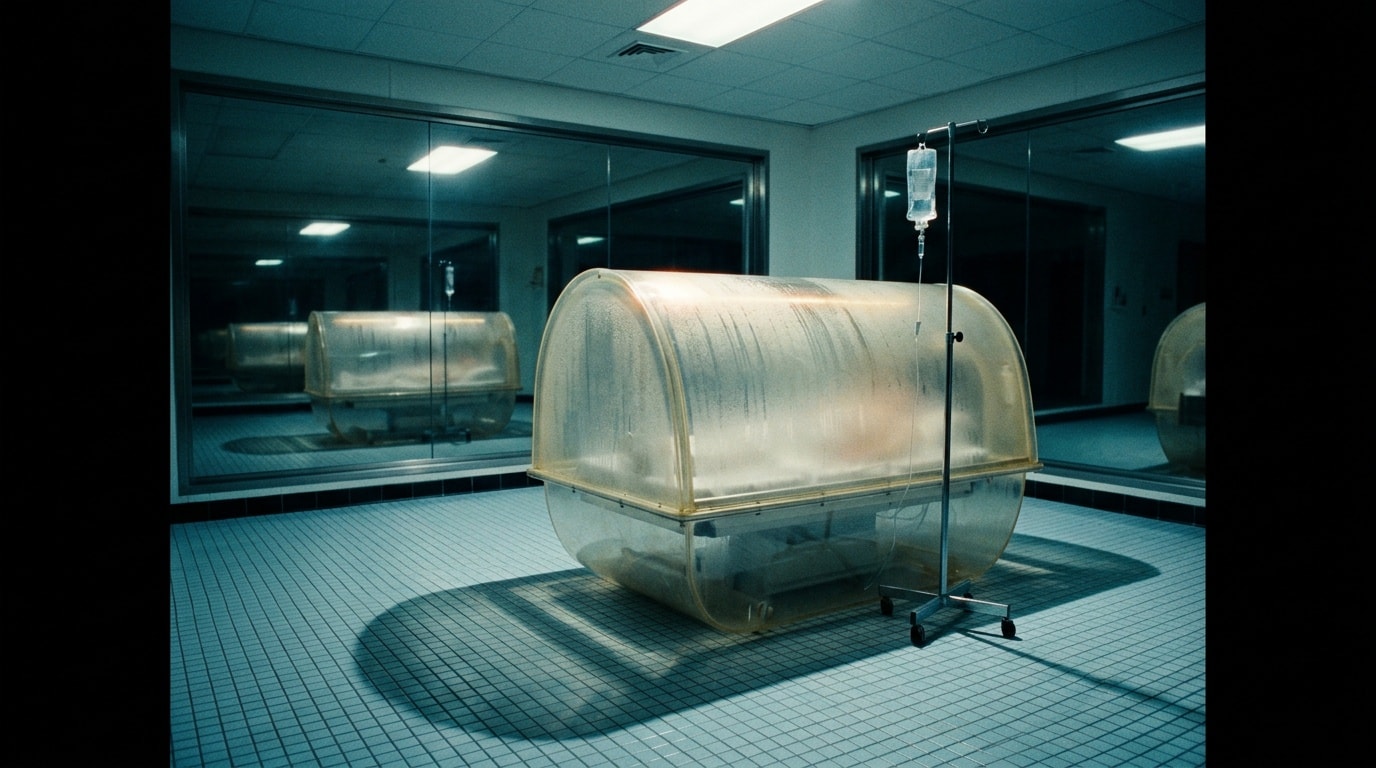
Petey's Death Was Preventable, Not Inevitable
Reintegration is survivable under proper post-operative care, which means Lumon's implied death sentence around the procedure is manufactured rather than medical.
Dylan Is Commandeering Lumon's Control Architecture From Inside the Fracture It Created
Dylan's mutual blackmail standoff with Milchick is not a personal grievance but a precisely calibrated institutional exploit: Milchick's unauthorized OTC deployment created a chain-of-command corruption that cannot be formally addressed without exposing itself, and Dylan is now using that fracture to position himself as the instrument through which Lumon's own control mechanism can be seized.
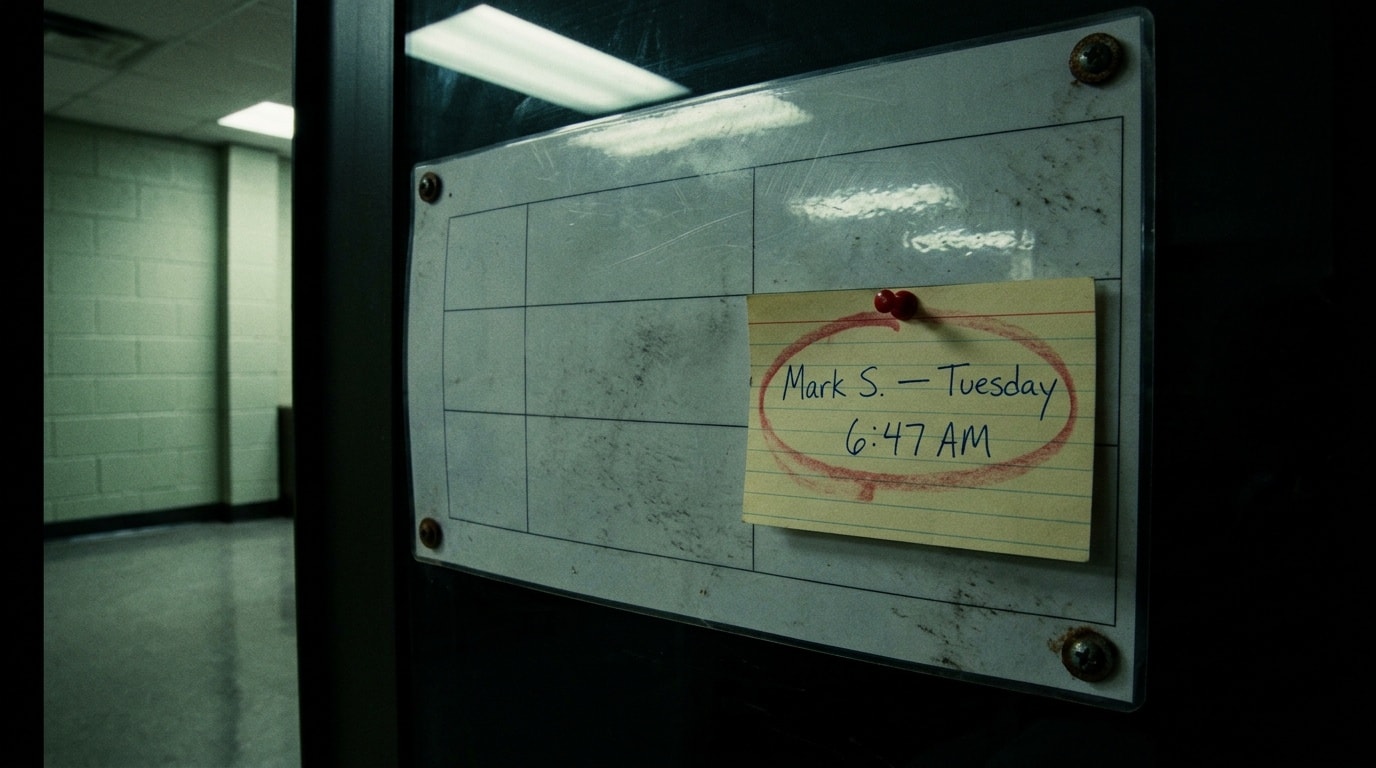
Cobel Knows Mark's Trash Schedule by Design
Cobel's knowledge of Mark's trash schedule reflects a behavioral baseline built through sustained, granular surveillance that exceeds any plausible institutional mandate, suggesting her investment in Mark is personal rather than merely operational.
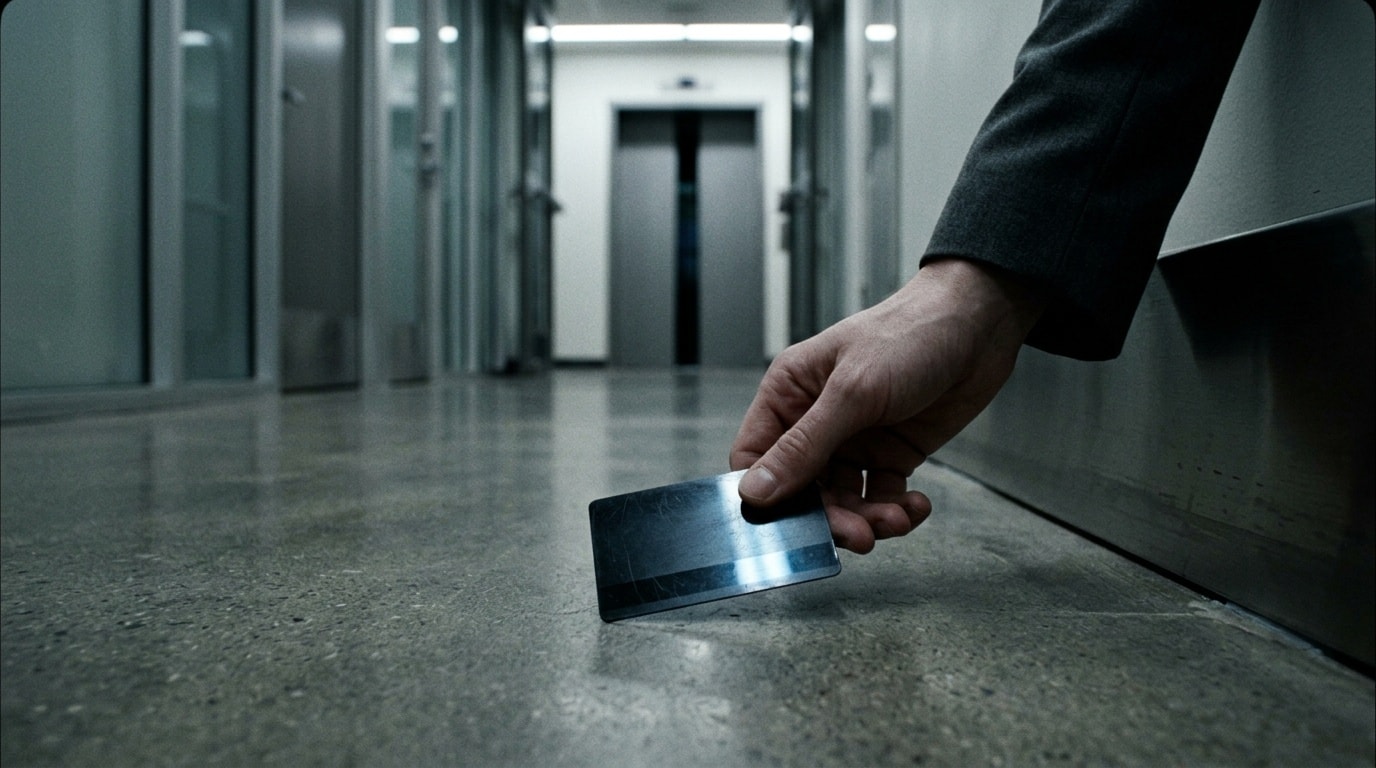
Graner's Death Forces Cobel to the Board
Cobel will walk into her board meeting at the Egan family gallery believing she controls the narrative around Graner's death, but Graner's security keycard is already in Mark's hands without her knowledge, meaning she will present the board with a complete account of an incomplete situation.