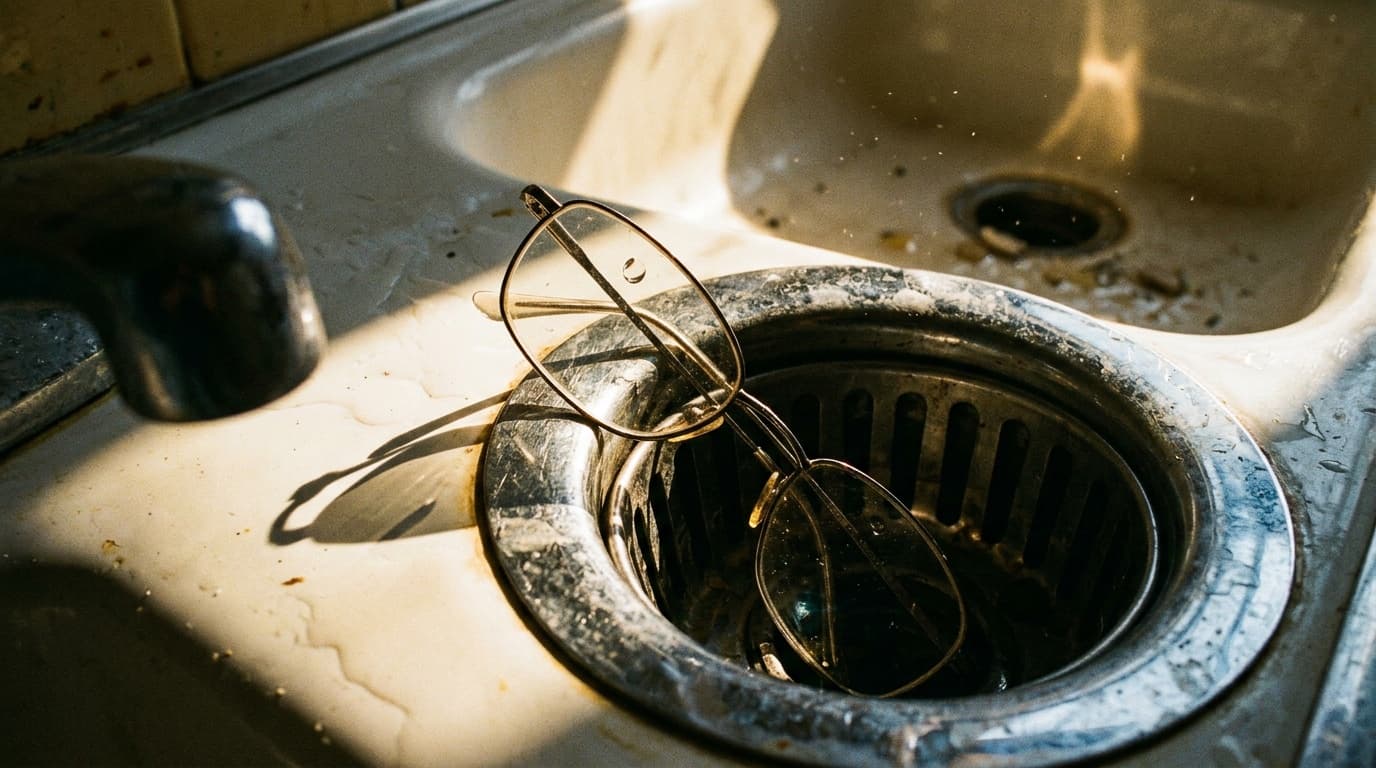
Woody's Glasses Prove Steph Killed Him
Plausibility Score
(?)Convinced
(?)#217
of 1000 theories
Theory Ranking
(?)READER VERDICT
Is this theory convincing?
Trend builds after 10 votes.
Be among the first to weigh in.
THEORY ASSESSMENT
The episode ground truth confirms the glasses discovery, Steph's evasive Vault 31 claim, and the wedding confrontation, meaning the theory's core claim maps directly onto confirmed episode events with only the question of Steph's precise role in Woody's death remaining unresolved.
STORY CONTEXT
A character who feels like she matters more than her screen time suggests. Theories here range from deep cover operative to connections with known Fallout factions or families.
WHY THIS MATTERS
If Steph killed Woody to protect her position, it reframes her entire arc as vault overseer from administrator to active predator, and turns the vault's institutional trust into a weapon she has been wielding from inside. The show's larger argument about who gets to decide which lives matter finds its sharpest vault-level expression in her story.
ALTERNATE INTERPRETATION
Several of the medium-confidence claims stop short of naming Steph as the killer directly, framing the glasses as evidence that something may have happened to Woody rather than proof of murder. Under that softer reading, the glasses represent foul play Steph was aware of or facilitated through others rather than carried out herself, leaving open the possibility that Vault 31's management directed Woody's removal and Steph is a knowing participant rather than the principal actor.
Adjacent Reading — Not a Competing Theory
Other Theories for S2E07

Steph Harper: Canadian Refugee Who Killed to Survive
Steph Harper's authority over Vault 32 may be inseparable from a moral framework her mother installed at gunpoint: dehumanize Americans to survive, and accept God's pre-issued forgiveness for the harm that requires.

Steph Harper's Canadian ID Is the Proof Her Vault Authority Was Never Legitimate
Steph Harper holds administrative authority over Vaults 32 and 33 as the two-century payoff of a survival strategy her dying mother dictated to her at a Canadian internment camp — a strategy already operational before she crossed the border.

Lucy's Pragmatism May Doom Her to Hank's Path
Lucy's decision to leave the mainframe intact, made with full knowledge that the chips cause irreversible memory loss, reveals that she has not rejected her father's utilitarian logic but suspended it, and suspension with the infrastructure still running is the first structural step toward becoming him.

Joan's Last Words Made Steph a Weapon
Joan Harper's dying instruction to Steph was a deliberate moral reprogramming that replaced Catholic conscience with a framework in which Americans are not fully human and therefore cannot be wronged, and every ruthless choice Steph has made since crossing the border runs on that installed architecture.

Cooper Howard Is House's Two-Century Contingency Plan
Robert House did not simply build a casino that could be reactivated by the right power source — he built a delivery system with a human component, and Cooper Howard is that component.
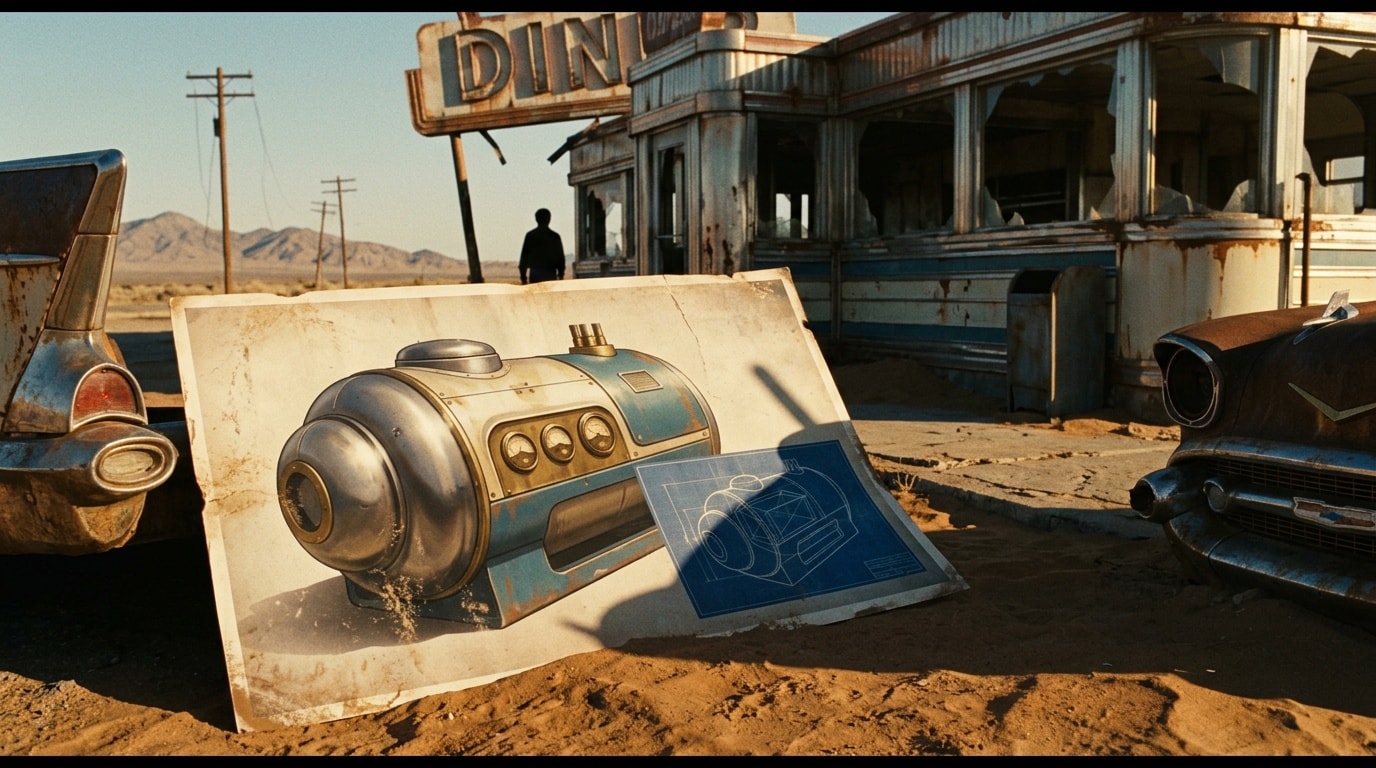
The Ghoul Already Knew Who Had the Diode
The Ghoul identified Maximus as carrying the cold fusion diode before the scene gave him any access to that information, implying his pre-war memories as Cooper Howard gave him both knowledge of the device and a reason to track its reappearance.

Hank Turned Lucy's Mercy Against Her
Hank deliberately staged the conditions under which Lucy would encounter the brainwashed legionary, then deployed a pre-prepared Legion argument at the moment of maximum emotional impact, exploiting her genuine moral concern to make mind-control feel like protection.

The Ghoul Recognizes His Own Lost Idealism
When Maximus invokes Lucy's goodness as the reason to trust the diode handoff, the Ghoul does something he never does: he accepts a moral argument instead of a tactical one, smiles without speaking, and walks away from an object he has personal investment in.