Fatima's Secret Task Has Already Begun
THE ARGUMENT
Fatima is not concealing a project from Ellis so much as she is actively managing his access to information about it, keeping him close enough to remain unaware. Her recruitment of Elgin in the late-night kitchen scene, paired immediately with absolution for an unspecified wrong, converts his guilt into obligation rather than asking for a favor. The nod she exchanges with him while Ellis stands oblivious signals that what she started has already moved past planning.
How This Theory Works
Fatima is not simply keeping a secret from Ellis. She is managing him. The late-night kitchen scene is the structural tell: she withholds the content of her request from Ellis and from the audience simultaneously, which means her concealment is not situational but architectural. She is controlling what people know and when they know it, and Ellis is not a partner in that project.
By the time she spots Elgin carrying a large carton near the car graveyard, the task is already in execution. The nod she exchanges with him across the distance, while Ellis stands beside her focused on her emotional state, is not a casual acknowledgment. It is a status check between two people operating on a shared timeline. Fatima does not explain the exchange to Ellis. That silence, offered to someone who has just extended himself for her wellbeing, is not an oversight. It is a choice.
The sharpest implication runs through the specific pairing of absolution and recruitment. Fatima tells Elgin she does not blame him for something unspecified, and in that same encounter she asks for his help. She is not being kind before asking a favor. She is converting guilt into obligation. This means she knows what Elgin carries, and she knows how to use it. She selected him not despite whatever unresolved weight he carries in relation to the Township but because of it. Whatever she is building, her choice of collaborator was made on information the show has not yet disclosed to anyone else.
Is this theory convincing?
Key Evidence
Late-Night Kitchen Recruitment Scene
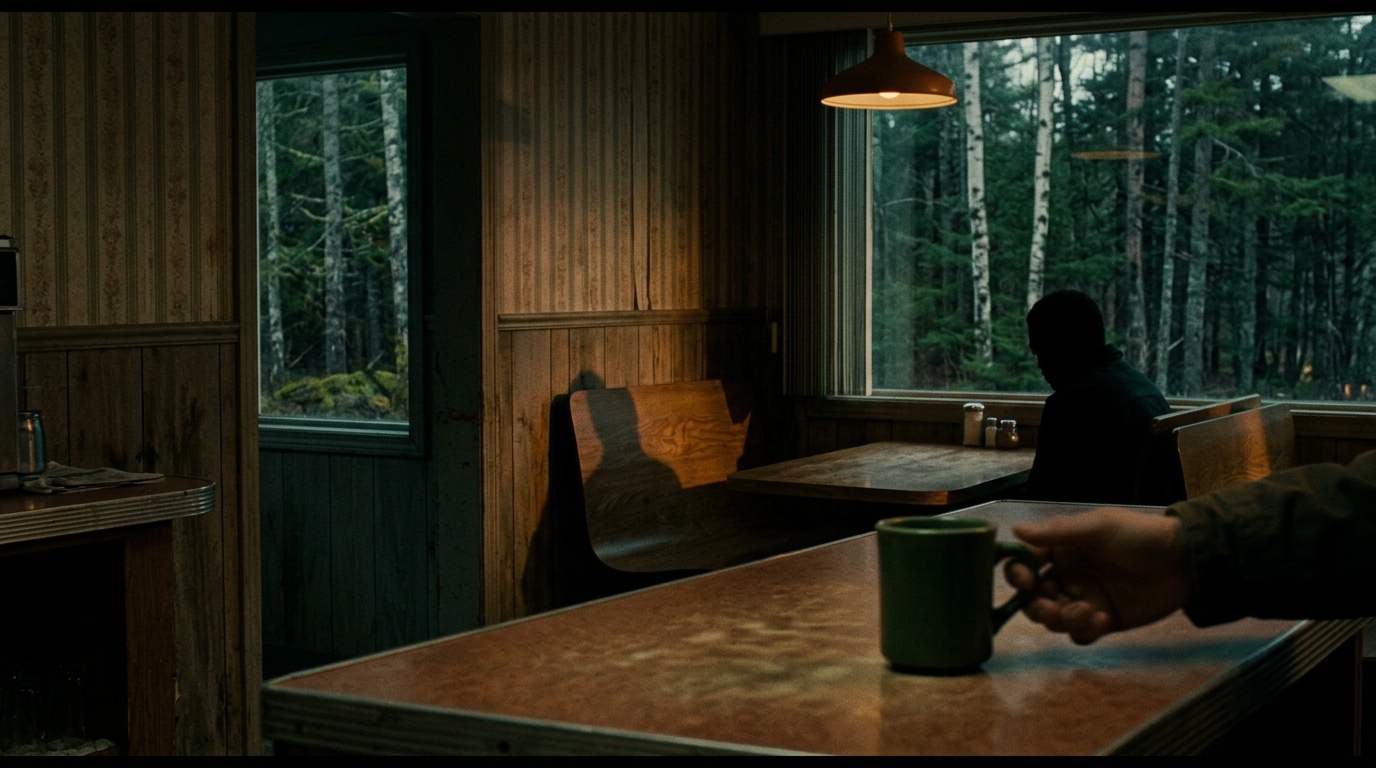
Fatima finds Elgin alone in the kitchen late at night, tells him she does not blame him for something unspecified, and asks for his help with an unnamed task, with the content of the request deliberately withheld from the audience.
Elgin Carrying Large Carton
While returning to Colony House with Ellis, Fatima spots Elgin at a distance carrying a large carton, suggesting he is already executing whatever task she assigned him.
Fatima's Nod to Elgin
Fatima exchanges a silent nod with Elgin from a distance while Ellis stands beside her, unaware, indicating a covert acknowledgment between two people operating on a shared plan.
Deliberate Concealment from Ellis
Fatima does not explain her exchange with Elgin to Ellis despite his being present and directly focused on her emotional wellbeing, making the omission an act of active concealment rather than oversight.
Absolution Paired with Recruitment
Fatima's decision to tell Elgin she does not blame him immediately before asking for his help suggests she is leveraging his guilt or gratitude as the basis for his participation in her project.
This theory was evaluated using Theory Atlas editorial standards, including evidence review, narrative fit, and competing interpretation analysis. Learn how Theory Atlas evaluates theories →
Other Theories for S4E03

Victor Has Met the Man in Yellow Before
Victor has a prior suppressed encounter with the Man in Yellow that he buried so thoroughly he convinced himself it never happened.

The Lake of Tears Is Already Real
The Lake of Tears is a real location inside the Township that Victor knows and refuses to approach, and Jade has already been placed in contact with it before being recruited to find it.

Jade's Suppressed Knowledge Needs a Key
Jade already holds the critical knowledge about the township and requires a psychedelic mechanism to retrieve it, and the show is positioning the township itself as the force making that mechanism available.

Ethan's Storybooks Are a Township Field Manual
Ethan's storybooks contain actionable rules about the Township specific enough to instruct someone in controlling story-walking, which is why Julie treats their retrieval as worth serious physical danger.

Two Cars, One Breaking Point
The dual-car arrival of the Matthews family and Jade did not merely coincide with the Township's escalating danger but likely caused it by violating a configuration-sensitive intake logic the Township enforces.

Tabitha's Drawing Encodes Pre-Arrival Knowledge
Tabitha's childhood lighthouse drawing encodes accurate pre-arrival knowledge of a real Township location, meaning the Township was operating on her consciousness long before she arrived.
Acosta's Crime Scene Eye Unlocks Colony House Secrets
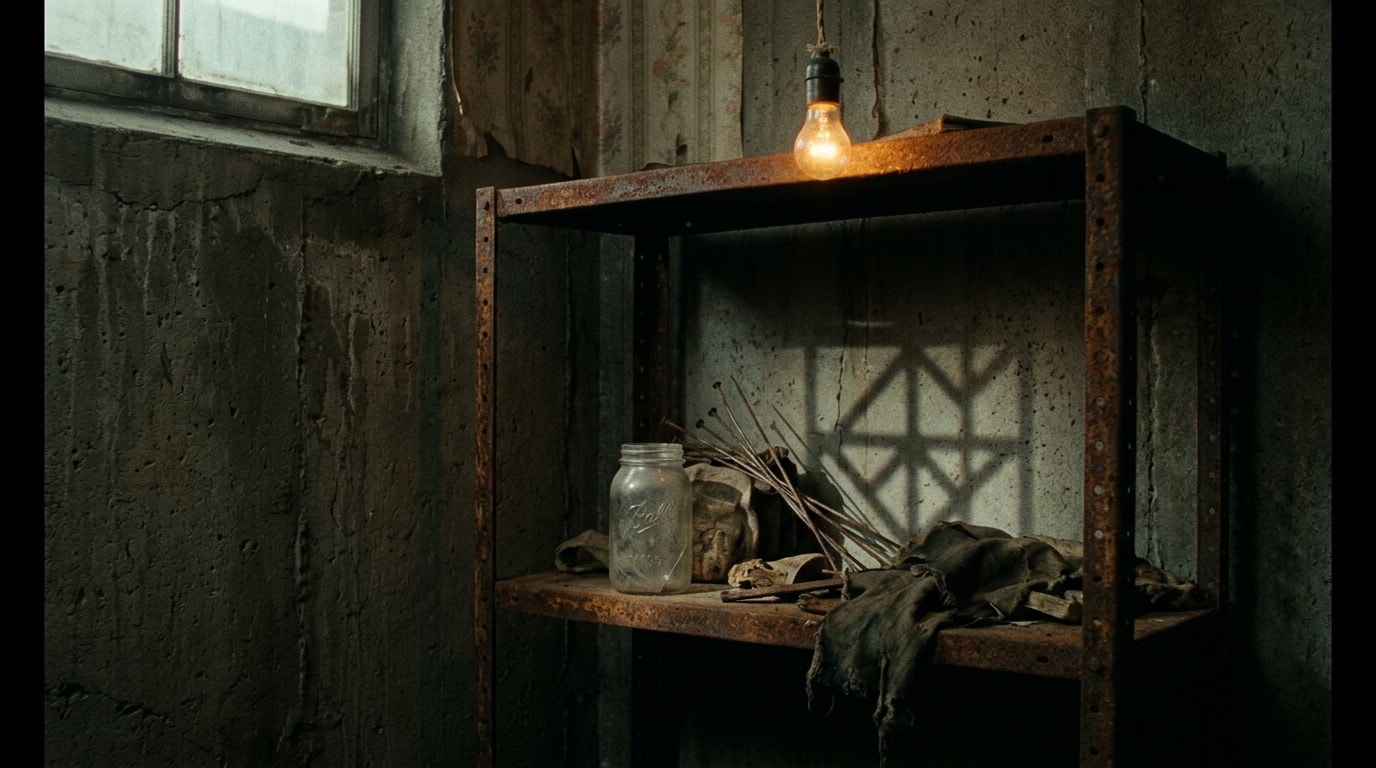
The Colony House basement contains overlooked cross-arrival evidence that only a trained investigator would recognize, because the survivors have been filtering objects through their own assumptions about utility for years.

Sophia's Bible Lesson Targets Tabitha
Sophia uses the Achan parable to convert the township's ambient suspicion about the Matthews into a structured theological accusation, giving the community a moral framework to hold Tabitha responsible for their collective suffering.