
The Boy in White Is Running Out of Time
Plausibility Score
(?)Convinced
(?)#184
of 1000 theories
Theory Ranking
(?)READER VERDICT
Is this theory convincing?
Trend builds after 10 votes.
Be among the first to weigh in.
THEORY ASSESSMENT
The episode confirms environmental stasis is broken via Kenny's dialogue and the crow behavior, which supports the broader disruption argument, but the Boy in White does not appear in this episode's ground truth, limiting how directly the aging claim maps to S4E3 specifically.
STORY CONTEXT
He appears to children, offers cryptic guidance, and seems to oppose the creatures, but can he be trusted? Theories here debate whether he's a savior, another trap, or something else entirely.
WHY THIS MATTERS
If the Boy in White is a living index of cyclical time, his aging reframes the entire current season as a race against a deadline that is physically embodied on screen. It also raises the possibility that the force running the township has lost control of its own mechanisms, which would change what survival in the town actually means.
Other Theories for S4E03

Victor Has Met the Man in Yellow Before
Victor has a prior suppressed encounter with the Man in Yellow that he buried so thoroughly he convinced himself it never happened.

The Lake of Tears Is Already Real
The Lake of Tears is a real location inside the Township that Victor knows and refuses to approach, and Jade has already been placed in contact with it before being recruited to find it.

Jade's Suppressed Knowledge Needs a Key
Jade already holds the critical knowledge about the township and requires a psychedelic mechanism to retrieve it, and the show is positioning the township itself as the force making that mechanism available.

Ethan's Storybooks Are a Township Field Manual
Ethan's storybooks contain actionable rules about the Township specific enough to instruct someone in controlling story-walking, which is why Julie treats their retrieval as worth serious physical danger.
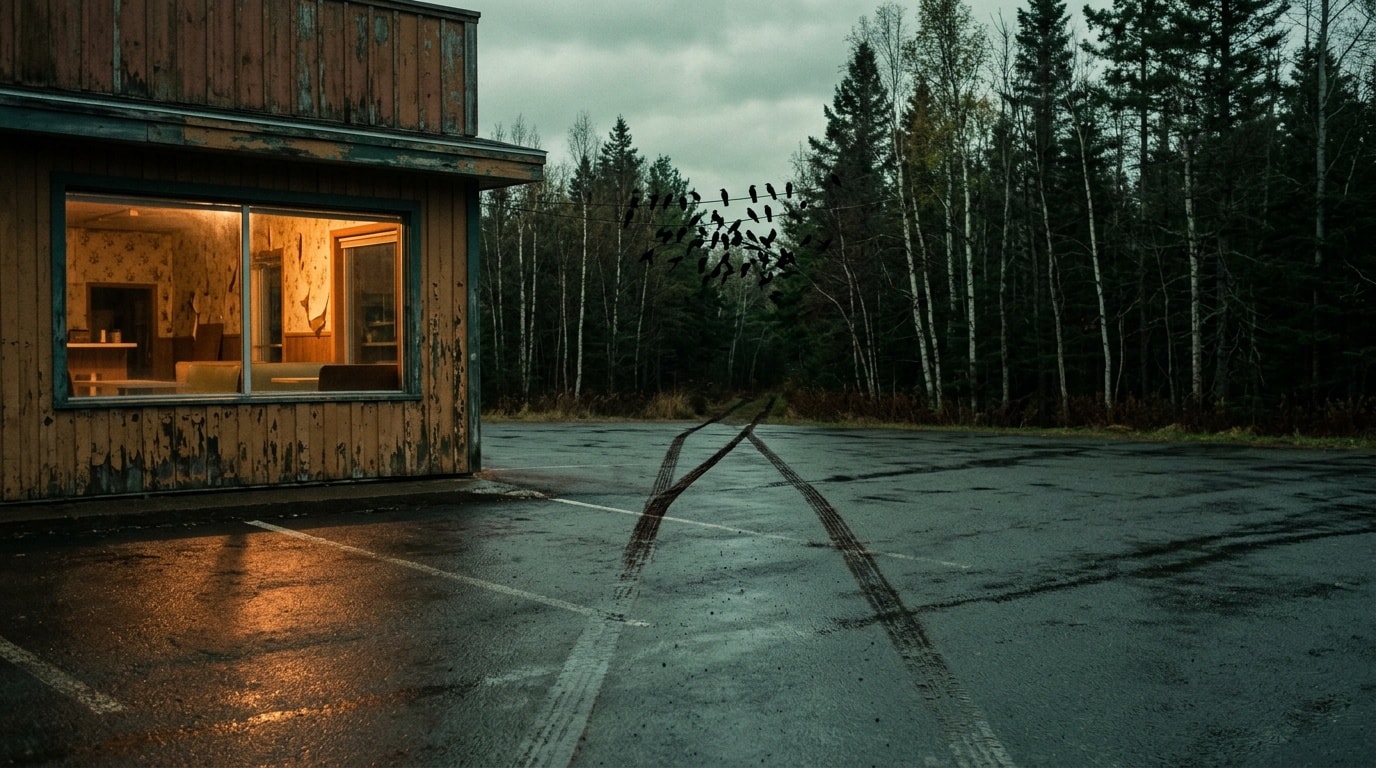
Two Cars, One Breaking Point
The dual-car arrival of the Matthews family and Jade did not merely coincide with the Township's escalating danger but likely caused it by violating a configuration-sensitive intake logic the Township enforces.
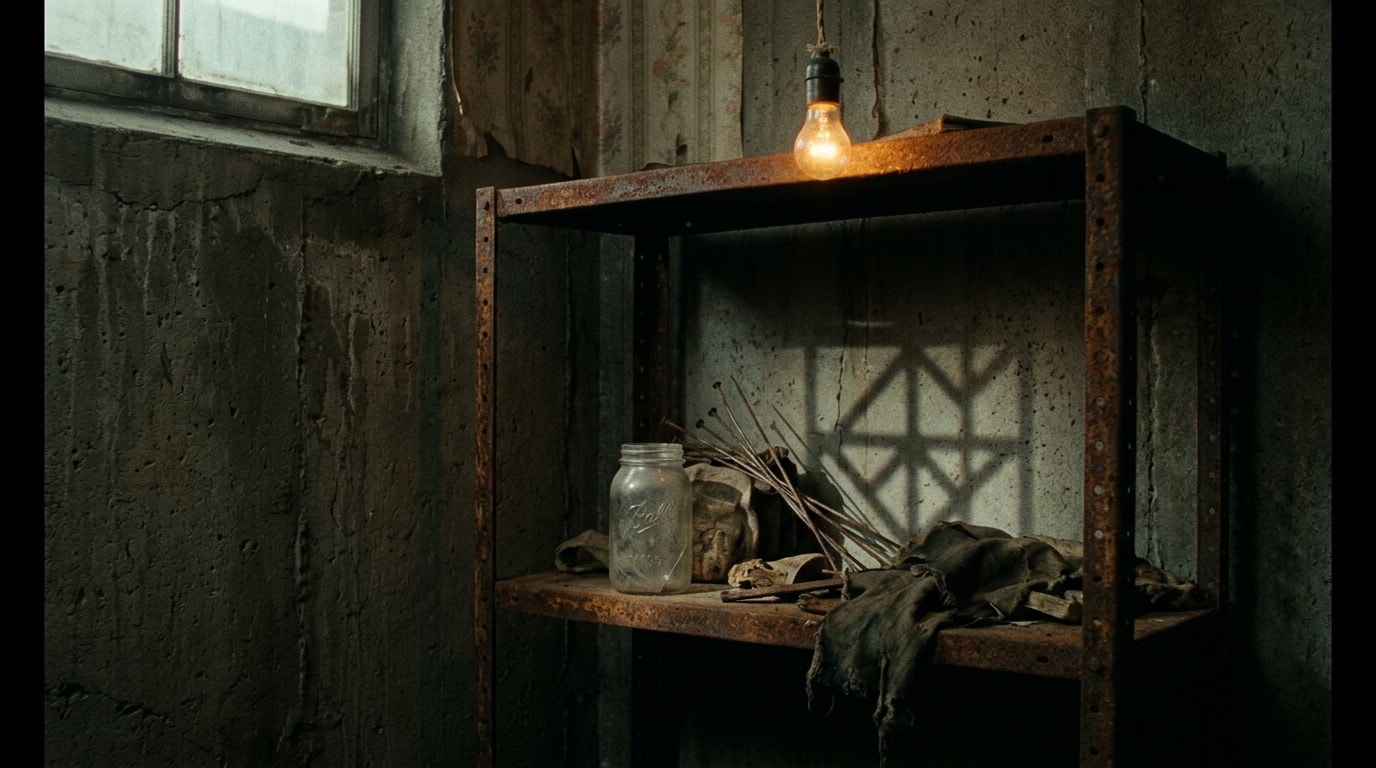
Acosta's Crime Scene Eye Unlocks Colony House Secrets
The Colony House basement contains overlooked cross-arrival evidence that only a trained investigator would recognize, because the survivors have been filtering objects through their own assumptions about utility for years.

Tabitha's Drawing Encodes Pre-Arrival Knowledge
Tabitha's childhood lighthouse drawing encodes accurate pre-arrival knowledge of a real Township location, meaning the Township was operating on her consciousness long before she arrived.

Sophia's Bible Lesson Targets Tabitha
Sophia uses the Achan parable to convert the township's ambient suspicion about the Matthews into a structured theological accusation, giving the community a moral framework to hold Tabitha responsible for their collective suffering.