Gwayne Hightower Is Written as Gay
THE ARGUMENT
Gwayne Hightower is written as gay through a pattern of veiled remarks and conspicuous biographical details that reframe his estrangement from Otto as something more personal than political disagreement. Otto's silence toward his eldest son, read against his reputation for exhausting political correspondence, suggests not ignorance but deliberate avoidance of a fact his dynastic architecture had no room for. Ormund's knowing jab confirms the silence was shared knowledge, not a private grief.
How This Theory Works
Otto Hightower's studied silence toward his eldest son is the sharpest evidence of what the show is encoding: Otto knew, and the knowledge was intolerable to him precisely because it was the one problem his correspondence could not solve. Ormund's remark to Gwayne about finding solace with brothers in arms is constructed as a barb, and barbs require shared knowledge between the speaker and the target. Ormund's delivery implies he is not uncovering a secret but exploiting a vulnerability both men already understand. The line does not read as camaraderie. It reads as a reminder of leverage.
The biographical framing supports the same reading. Gwayne is unmarried in his thirties, conspicuous in a setting where noble sons are wed for dynastic purposes as a matter of course. Against that backdrop, Otto's silence takes on a specific weight. Otto managed alliances, marriages, and political correspondence with exhausting precision across the realm. He maintained a studied silence toward his own eldest son. That silence reads as deliberate distancing, the kind a man like Otto might sustain toward a son whose life offered nothing to the dynastic architecture he was assembling.
The show's decision to encode this into Gwayne rather than leave him as the undifferentiated military figure he is in Fire and Blood gives the Hightower family portrait a structural tension it would otherwise lack. Otto built his entire legacy on placement: Alicent into the king's bed, Aegon onto the throne, every piece arranged for maximum dynastic yield. Gwayne is the variable his political genius cannot leverage. The silence between them stops being a footnote and becomes the clearest illustration of Otto's actual limits: he could scheme his way into the Small Council and out of it twice, but he could not write a letter to his own heir. The question the show is quietly pressing is whether Otto's silence was ignorance, avoidance, or something colder: a man who understood the situation perfectly and chose erasure over acknowledgment because acknowledgment would have cost him the self-image his entire career required.
Is this theory convincing?
Key Evidence
Ormund's 'brothers in arms' remark
Ormund tells Gwayne he hopes he found solace with some of his brothers in arms on the road, a line viewers read as a pointed, knowing jab at Gwayne's sexuality rather than simple camaraderie.
Gwayne unmarried in his thirties
Gwayne is shown to be unmarried well into his thirties, a biographical detail conspicuous in the show's feudal context where noble sons are typically wed for dynastic purposes.
Otto's silence toward Gwayne
Otto, depicted as a meticulous political operator who managed correspondence across the realm, apparently never wrote to Gwayne while he was in Oldtown, suggesting a deliberate estrangement consistent with Otto knowing something he preferred to ignore.
Deviation from source material
This portrayal of Gwayne as gay is a change from the Fire and Blood source material, signaling that the show is making a deliberate creative choice to encode this aspect of his character into the text.
This theory was evaluated using Theory Atlas editorial standards, including evidence review, narrative fit, and competing interpretation analysis. Learn how Theory Atlas evaluates theories →
Other Theories for S3E06
Rhaenyra Sends Alicent to Kill Her Son
Rhaenyra has dispatched Alicent to Harrenhal with an unspoken mandate to reach Aemond through the one vector no soldier can replicate: a mother's access.
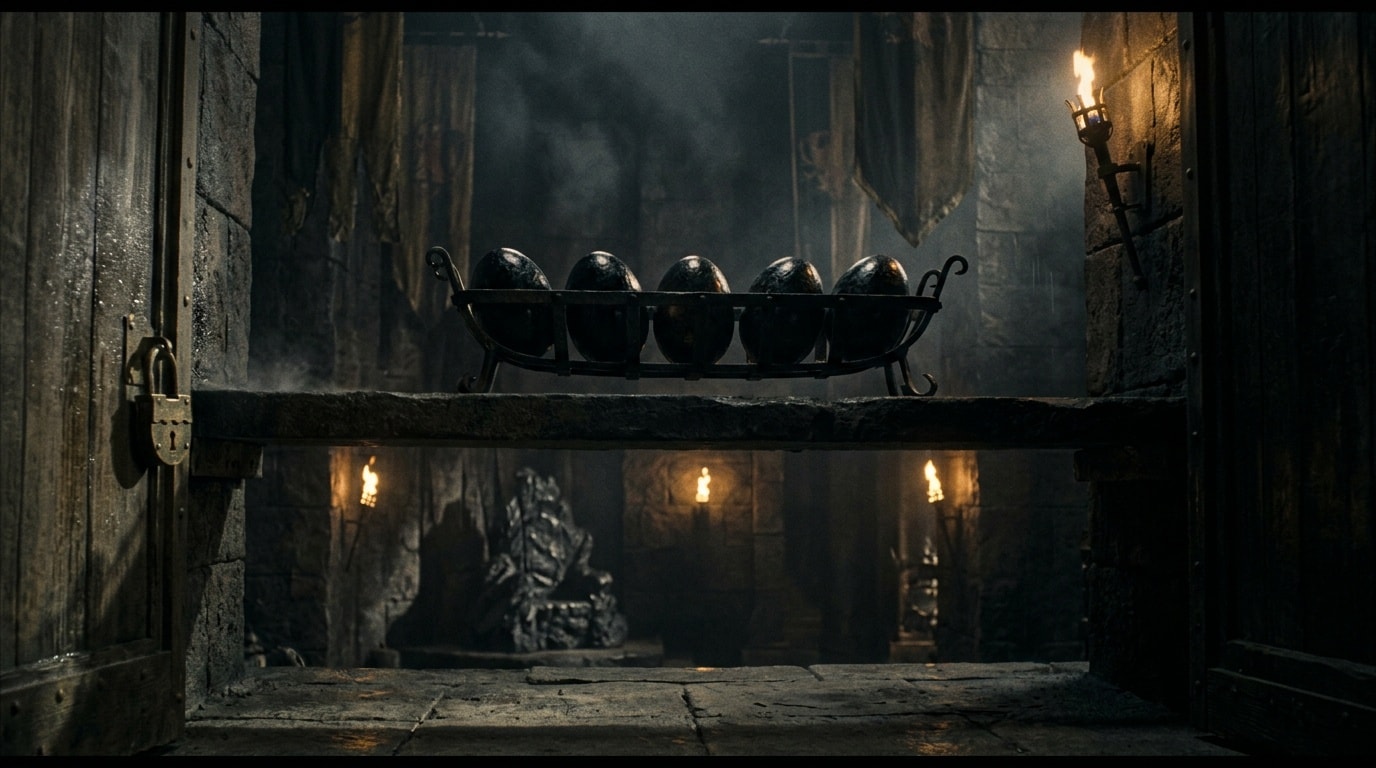
Alys Rivers Is Building a Rival Dynasty
Alys Rivers has been engineering a specific kind of captivity for Aemond at Harrenhal: one built from his own need to be chosen rather than tolerated, with five dragon eggs as the physical proof that she alone prepared a future for him.
Ormund Took Corlys Alive on Purpose
Ormund Hightower engineered the ambush on Corlys Velaryon to take him alive as a political asset, and the show's visual grammar is built entirely around a capture.
Gwayne's Eye Opens Daeron's
Daeron's trust in Ormund is functionally broken: the assassination scene gave him visible, undeniable proof that the man whose judgment he has been forced to treat as law can be fooled where others cannot.
The Assassin's Warning Points Inward
The 'kicked dog' message taken from the Tumbleton assassin is addressed to Rhaenyra about her own conduct, and she is already enacting it.
Mysaria Runs a Systematic Opacity Campaign
Mysaria is running a deliberate strategy of unauditability against Rhaenyra: withholding the escape attempt, eliminating the only witness to her handling of it, and denying foreknowledge of Helaena's pregnancy afterward.
Daemon Is Losing Faith in Rhaenyra
The distinction that determines what kind of break is coming is this: Daemon's faith is faltering in his own indispensability to Rhaenyra, a separate wound from any doubt in her cause.
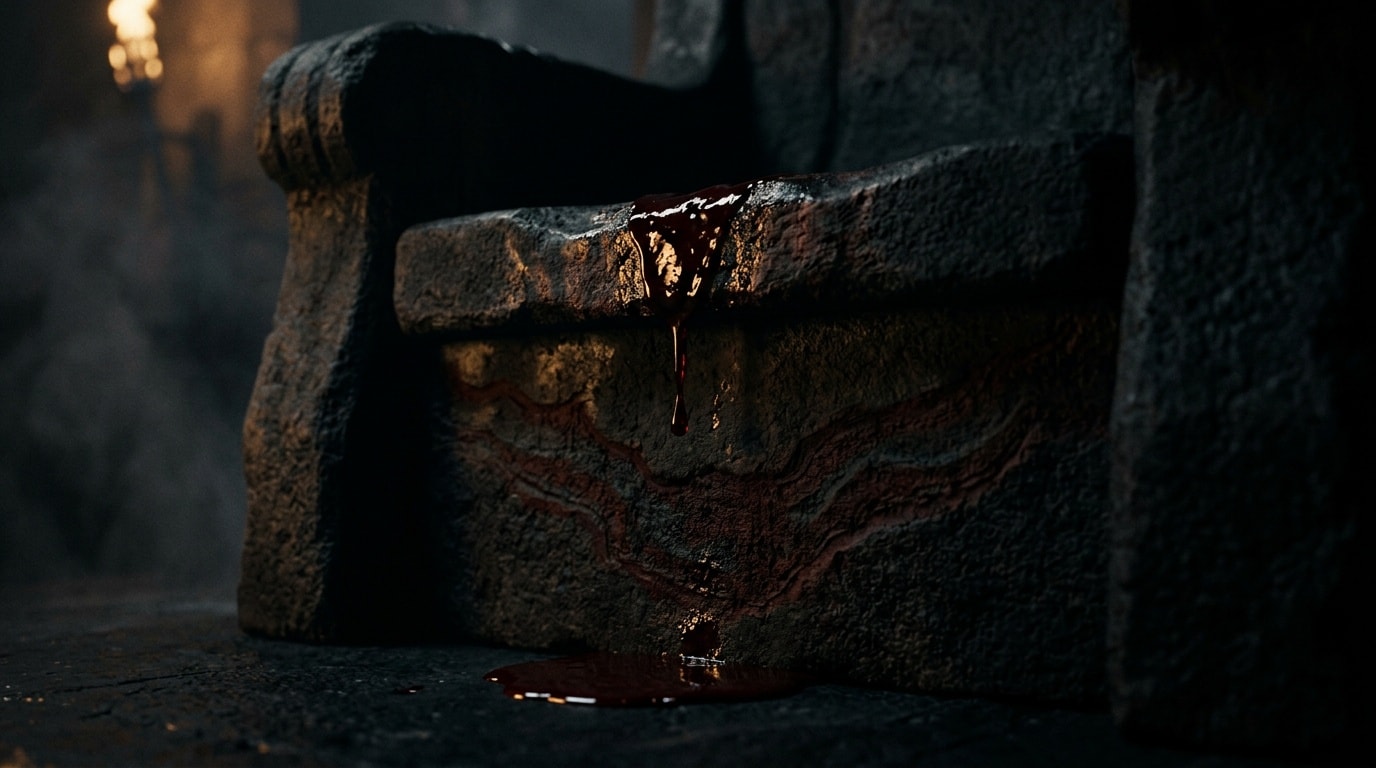
The Throne Has Already Condemned Her
House of the Dragon is staging Rhaenyra's throne-cuts to produce the exact visual record that Fire and Blood will later call prophecy, with the audience watching the legend being manufactured in real time.