Gold Cloaks Turn Graffiti Into Grievance
THE ARGUMENT
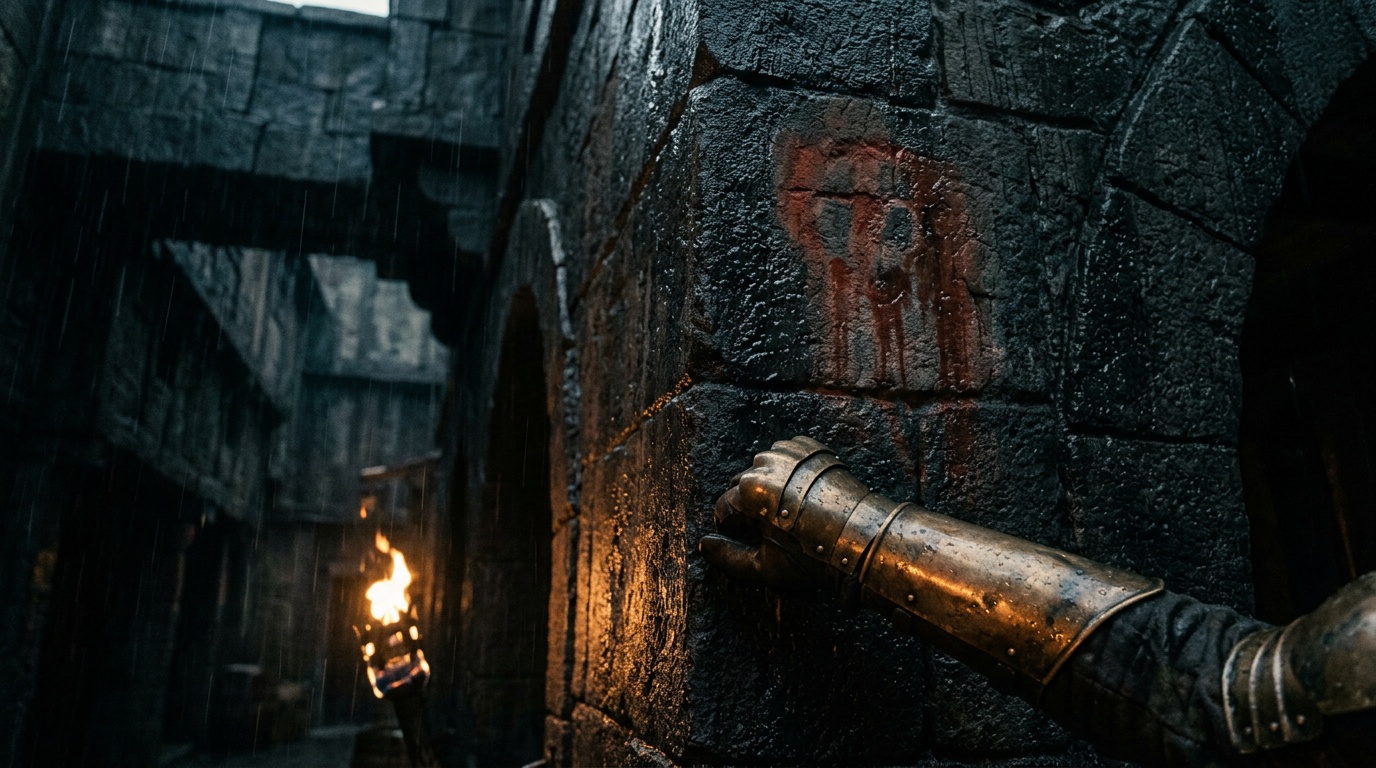
Rhaenyra's enforcement order against the 'Queen of Bastards' graffiti is doing more political damage than the slur ever could, because a coercive institution given open-ended discretion will always expand into the full space of that discretion. The Gold Cloak sweep converts recipients of crown charity into witnesses to crown brutality, supplying the smallfolk with visible proof of exactly what the graffiti charged. The apparatus built to protect her authority is the one destroying it.
How This Theory Works
The political catastrophe the show is staging is structural. When Rhaenyra issues an open-ended command to a coercive force with no stated limits on conduct or scope, the force does what coercive forces do: it fills every gap its commander left open. The Gold Cloaks go house to house, pull residents into the street, and inflict collective punishment on a neighborhood that may have had nothing to do with the graffiti. No individual order commanded exactly that. Nothing prohibited it, which, inside an institution oriented toward coercion, produces the same outcome as a direct command.
The timing of Ulf's disclosure sharpens the trap. He reports the graffiti to Rhaenyra immediately after she has restricted his movements and confined him to the Red Keep, positioning his disclosure as a provocation timed to exploit her emotional state. Whether he anticipates the crackdown or simply benefits from it, the sequence is identical: a loaded problem dropped into her hands, an emotionally reactive order with no floor on force and no ceiling on scope, and an institution that executes the full logical conclusion of both.
The food distribution had built a thin cushion of popular legitimacy. The sweep burns through it. Every person watching a neighbor hauled into the street becomes a potential convert to the cause the graffiti was advertising. The crackdown does not suppress the slur. It substantiates it. The 'Queen of Bastards' charge required proof, and the enforcement order supplied it in public, at scale, in every alley the Gold Cloaks entered.
The sharpest implication is that Rhaenyra's authority is now generating its own opposition through its own machinery. She holds the symbolic levers of power but cannot wield them without triggering institutional overreach that recruits new enemies. The Greens do not need to make the case against her. Her own Gold Cloaks are making it, street by street, and the smallfolk who received her bread are the ones watching.
Is this theory convincing?
Key Evidence
Ulf Delivers Graffiti News Strategically
Ulf reports the 'Queen of Bastards' graffiti to Rhaenyra immediately after she has restricted his movements and confined him to the Red Keep, suggesting his disclosure functions as a provocation timed to exploit her emotional state.
Open-Ended Enforcement Order Issued
Rhaenyra instructs the Gold Cloaks to remove seditious markings and find those responsible but sets no limits on their conduct, leaving enforcement entirely to their discretion.
Gold Cloaks Drag Residents From Homes
In response to the graffiti order, the Gold Cloaks go house to house, pulling people into the street and using violent enforcement against residents who may have had no involvement in the graffiti.
Food Distribution Goodwill Squandered
Rhaenyra's earlier food handout to the smallfolk had built a reservoir of popular goodwill that the Gold Cloak crackdown directly undermines, converting recipients of crown charity into witnesses to crown brutality.
Slur Becomes Self-Fulfilling Accusation
By responding to 'Queen of Bastards' graffiti with indiscriminate street violence, Rhaenyra's enforcement actions substantiate the charge the graffiti was making, giving the smallfolk visible evidence to support the slur's premise.
Crackdown Exceeds Original Scope
The Gold Cloaks' response goes well beyond removing paint from walls, escalating into a neighborhood sweep that terrifies residents and inflicts collective punishment on the broader population.
This theory was evaluated using Theory Atlas editorial standards, including evidence review, narrative fit, and competing interpretation analysis. Learn how Theory Atlas evaluates theories →
Other Theories for S3E04
Ormund Plans a Hightower Dynasty Through Daeron
Ormund Hightower has spent twenty years engineering a Targaryen-blooded king whose conscience he already occupies, ensuring that real power flows to Oldtown regardless of who sits the Iron Throne.
Larys Is Engineering a Messianic Return
Larys Strong is holding Aegon in reserve until the story being built around his absence becomes irresistible.
Ormund's Dragon Hunger Betrays His Creed
Ormund Hightower's condemnation of dragons and Targaryen blood is a tool of psychological domination over Daeron, and the evidence suggests Ormund knows it.
Ormund Built a Trap From Rhaenyra's Legitimacy
Ormund Hightower selected Tumbleton as a reputational trap, embedding his army among civilians in a town that previously swore allegiance to Rhaenyra, precisely because it converts her greatest strength into a paralysis.
Caraxes Hunts Dragon Bonds Autonomously
Caraxes possesses an independent perceptive faculty for locating active dragon bonds and acts on it without Daemon's knowledge or consent.
Rhaenyra's Tavern Ban Will Cost Her Vermithor
Rhaenyra's tavern ban has completed the psychological conditions for Ulf the White's defection: she stripped him of the one context that gave his service meaning, granted none of his petitions, and then dispatched him over the enemy camp armed with full operational knowledge of her surveillance plan.
Helaena Concealed Her Pregnancy Deliberately
Helaena's concealment of her pregnancy, hidden even from Alicent, is a deliberate act of political and personal survival: the child carries a Green claim Rhaenyra cannot tolerate, and the timeline of the pregnancy makes Aegon's paternity genuinely uncertain.
Corlys Has Already Left Rhaenyra
Corlys Velaryon's unauthorized departure from court is the outward sign of an allegiance he has already ended in private, using a military campaign as a dignified cover for a withdrawal he decided on once Rhaenyra refused to legitimize his bastard sons while legitimizing her own.