
Helaena Concealed Her Pregnancy Deliberately
THE ARGUMENT
Helaena's concealment of her pregnancy, hidden even from Alicent, is a deliberate act of political and personal survival: the child carries a Green claim Rhaenyra cannot tolerate, and the timeline of the pregnancy makes Aegon's paternity genuinely uncertain. The sharpest implication is that Helaena is protecting a secret about the child's father, and Rhaenyra discovering the pregnancy before that secret is resolved will force a crisis no existing peace can survive.
How This Theory Works
Helaena actively hid her pregnancy from her own mother, and the show does not tell us why. The moment Alicent discovers it is quiet and alarmed, carrying a weight of suppressed dread that suggests the concealment mattered beyond mere privacy. The theory holds that Helaena understood exactly what a new pregnancy meant in a court where Rhaenyra now sits the throne, and chose silence as protection.
The political logic is direct. A living child with Targaryen blood and a claim through Aegon II is exactly the kind of complication Rhaenyra cannot ignore. Rhaenyra, once informed, could plausibly move to exile the child, separate it from Alicent, or use its existence as leverage. Helaena's concealment preempts that calculation by keeping the threat off the board for as long as possible. Alicent's visible alarm upon discovery suggests she immediately grasps the same danger, responding with the look of someone calculating consequences.
The episode adds a further wrinkle that the show has not addressed: Aegon was catastrophically burned before this pregnancy could plausibly have begun in the ordinary course of a marriage, and he is now in hiding far from King's Landing. The question of the child's paternity is raised by no character on screen, but the timeline the episode implies makes it a live inferential problem. If the child's father is the wrong man, Helaena's concealment takes on an entirely different dimension, protecting her from a charge that would end any claim the child could make and expose her to something far worse than exile. The show has planted this question without answering it, and the gap is where the theory's sharpest pressure lives. Helaena was hiding the pregnancy from Alicent because Alicent is precisely the person who would need to know the truth about paternity, and that truth may be what Helaena has most carefully protected.
Is this theory convincing?
Key Evidence
Helaena Covering Herself from Alicent
In the episode, Helaena backs away as Alicent tries to help her dress, shielding her body, prompting Alicent's alarmed recognition that her daughter has been concealing a pregnancy.
Alicent's Alarmed Reaction
Alicent's response upon discovering the pregnancy is one of concern and dismay rather than joy, signaling she immediately understands the political danger the pregnancy creates under Rhaenyra's rule.
Concealment Hidden Even from Mother
Multiple accounts of the scene confirm Helaena hid the pregnancy from everyone, including Alicent, which implies deliberate strategic intent beyond ordinary reluctance to discuss her condition.
New Heir Complicates Succession
A child of Helaena and Aegon II would carry a Green claim to the Iron Throne, giving Rhaenyra cause to move against it once she learns of the pregnancy, which is precisely the threat Helaena's silence forestalls.
Aegon's Absence Raises Paternity Question
Because Aegon was severely burned and is now in hiding far from King's Landing, the timeline of the pregnancy raises an unresolved question about paternity that the show has planted without answering.
Rhaenyra's Potential Response to Discovery
If Rhaenyra learns of the pregnancy, she could demand the child be taken from Helaena, sent into exile, or used as political leverage, which gives both Helaena and Alicent strong incentive to maintain the secret as long as possible.
Fragile Rhaenyra-Alicent Bond at Risk
The episode has shown Rhaenyra and Alicent in an uneasy coexistence; a new Green heir, once revealed, could collapse that arrangement entirely and return Alicent to open opposition.
This theory was evaluated using Theory Atlas editorial standards, including evidence review, narrative fit, and competing interpretation analysis. Learn how Theory Atlas evaluates theories →
Other Theories for S3E04

Ormund Plans a Hightower Dynasty Through Daeron
Ormund Hightower has spent twenty years engineering a Targaryen-blooded king whose conscience he already occupies, ensuring that real power flows to Oldtown regardless of who sits the Iron Throne.
Larys Is Engineering a Messianic Return
Larys Strong is holding Aegon in reserve until the story being built around his absence becomes irresistible.
Ormund's Dragon Hunger Betrays His Creed
Ormund Hightower's condemnation of dragons and Targaryen blood is a tool of psychological domination over Daeron, and the evidence suggests Ormund knows it.
Ormund Built a Trap From Rhaenyra's Legitimacy
Ormund Hightower selected Tumbleton as a reputational trap, embedding his army among civilians in a town that previously swore allegiance to Rhaenyra, precisely because it converts her greatest strength into a paralysis.
Caraxes Hunts Dragon Bonds Autonomously
Caraxes possesses an independent perceptive faculty for locating active dragon bonds and acts on it without Daemon's knowledge or consent.
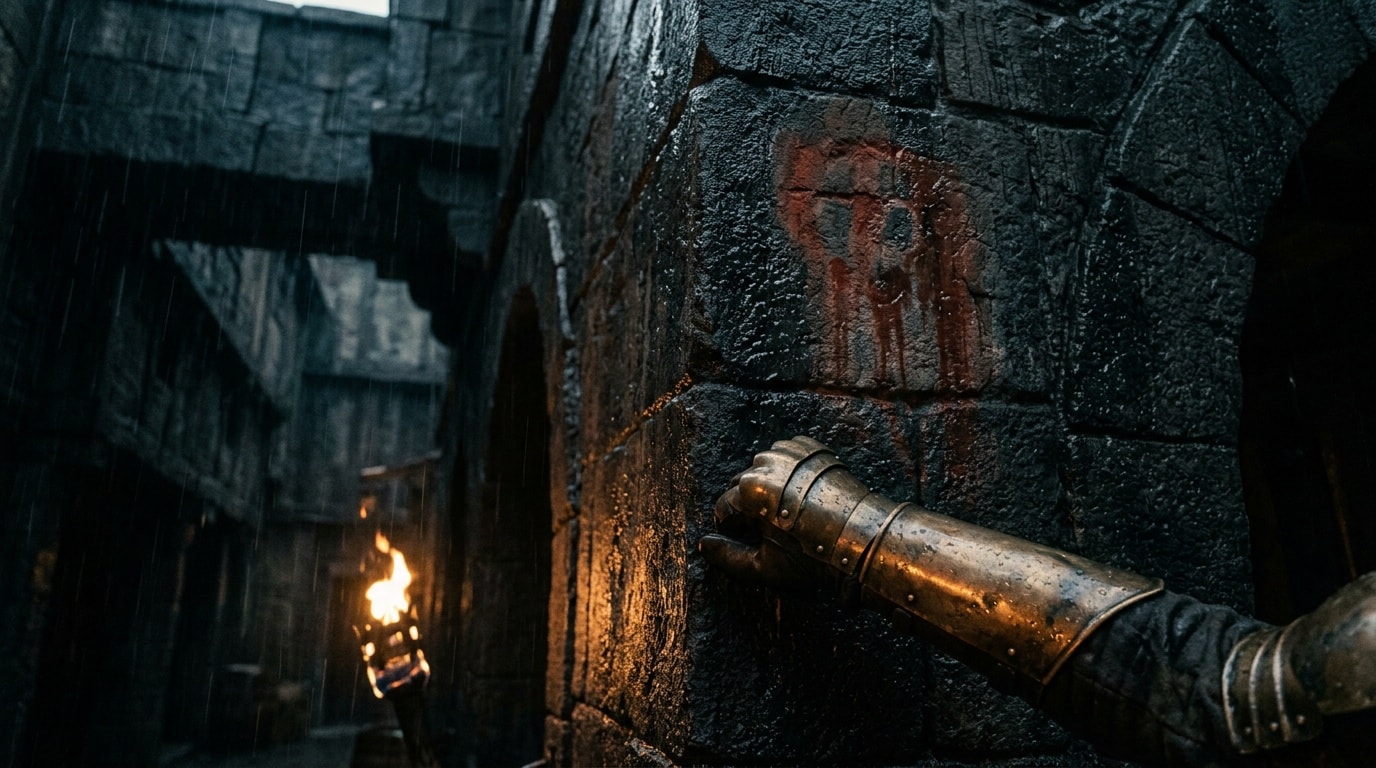
Gold Cloaks Turn Graffiti Into Grievance
Rhaenyra's enforcement order against the 'Queen of Bastards' graffiti is doing more political damage than the slur ever could, because a coercive institution given open-ended discretion will always expand into the full space of that discretion.
Rhaenyra's Tavern Ban Will Cost Her Vermithor
Rhaenyra's tavern ban has completed the psychological conditions for Ulf the White's defection: she stripped him of the one context that gave his service meaning, granted none of his petitions, and then dispatched him over the enemy camp armed with full operational knowledge of her surveillance plan.
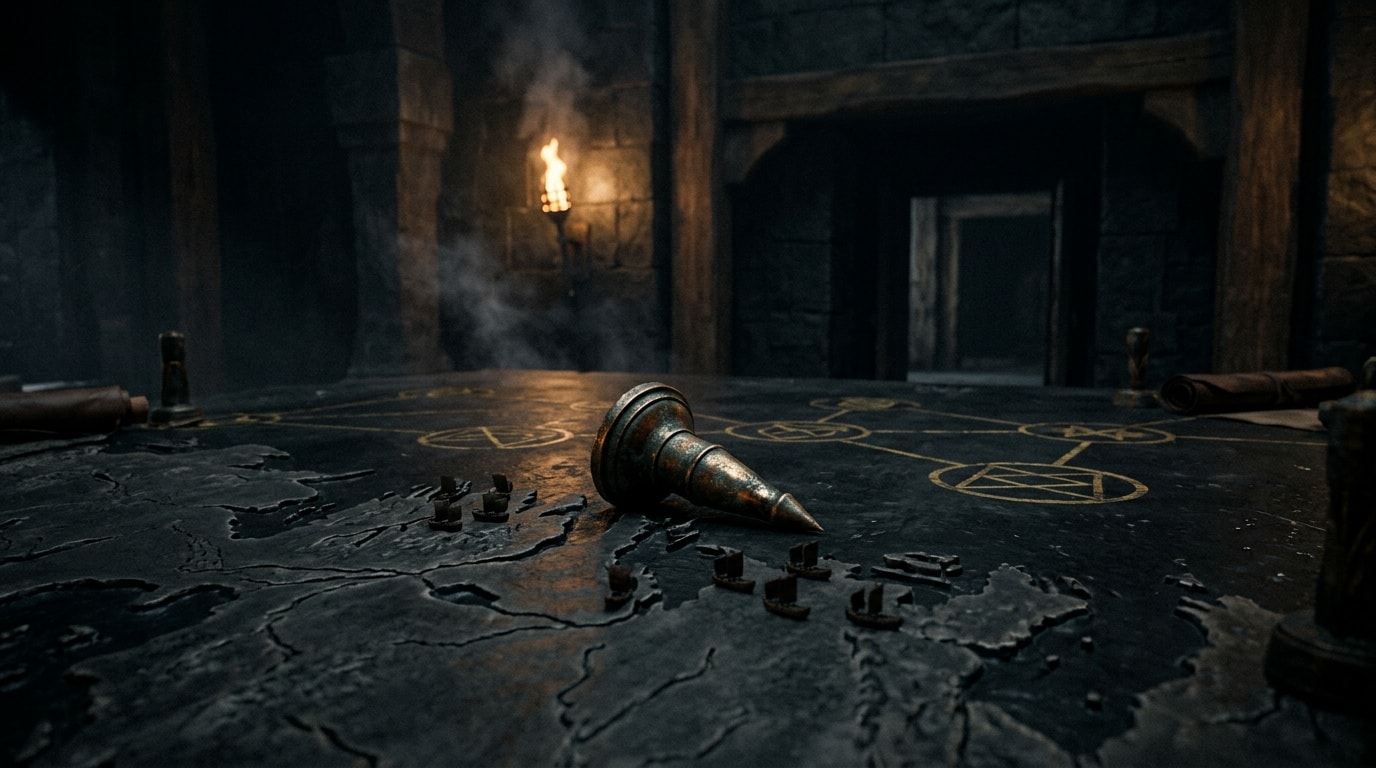
Corlys Has Already Left Rhaenyra
Corlys Velaryon's unauthorized departure from court is the outward sign of an allegiance he has already ended in private, using a military campaign as a dignified cover for a withdrawal he decided on once Rhaenyra refused to legitimize his bastard sons while legitimizing her own.