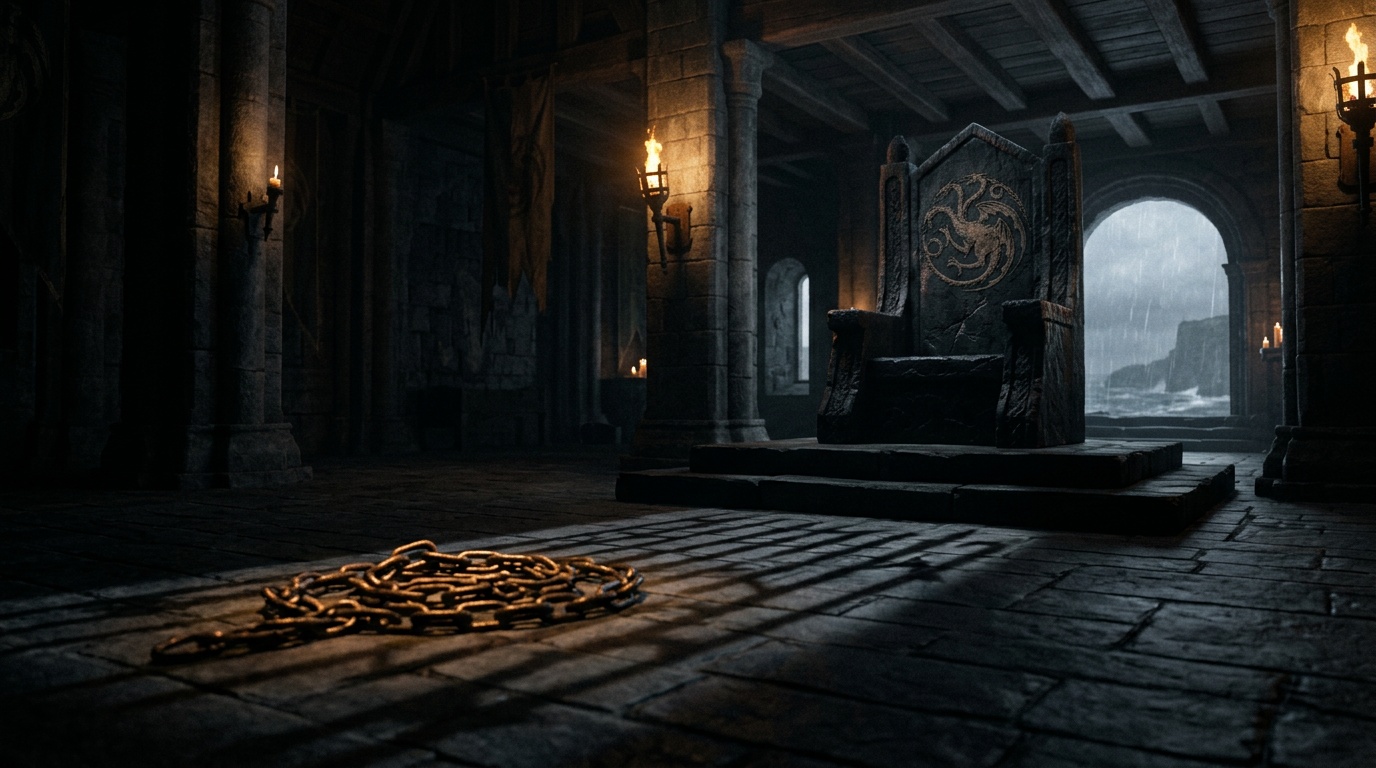
Larys Is Engineering a Messianic Return
THE ARGUMENT
Larys Strong is holding Aegon in reserve until the story being built around his absence becomes irresistible. The fiction of Aegon's death was set in motion before Aegon knew it existed, and the degradation Aegon endures in hiding is a condition the scheme requires: a king who has suffered becomes a king a legend can attach to. Larys is the author of a narrative whose protagonist has no script approval.
How This Theory Works
When Larys tells Aegon that the realm believes him slain by Aemond and that his return will become 'the stuff of song and legend,' he is delivering a production note to a man who does not yet know he has been cast. The sequence is what matters. Larys reveals the death story as already in circulation, already useful, already shaping the war's politics. Aegon did not agree to this. The scheme predates his awareness and runs entirely on Larys's timeline, which points toward something much colder than loyal service.
Every action Larys takes in hiding confirms he is curating an interval, actively controlling its length and shape. He manages their cover at the refugee camp, quietly secures passage on a Braavosi cog from Duskendale, and physically restrains Aegon when he threatens to reveal himself during a food dispute. These are a choreographer's choices, controlling the gap between the world's belief in Aegon's death and the moment Larys selects to correct it. The Duskendale route is a scheduled next step, and each act of concealment enforcement is an investment in the story's eventual payoff.
The scheme has a prerequisite Larys has never named aloud: Aegon must become someone a legend can plausibly inhabit. At the refugee camp, Aegon kneels before a camp bully and kisses the man's feet to avoid being gutted. Larys watches and does not intervene early. The man who cannot hold his temper when denied food, who must be physically silenced to preserve his own anonymity, cannot carry a messianic return. The humiliation is the curriculum. Larys is using degradation as a forge, and he alone decides when the metal is ready.
This is where the framing Larys uses becomes most telling. He describes Aegon's eventual reappearance in explicitly messianic terms, a figure who died and came back, whose suffering in obscurity now authenticates the return. A king who simply fled and waited offers a thin story. A king who crawled through a refugee camp, kissed boots, survived erasure, and whom the realm watched die, that king, reappearing at a chosen moment, becomes something armies and dragons cannot manufacture on their own. Larys is holding the most politically explosive moment the war has left to offer, and the evidence consistently suggests he intends to spend it when the story he has written is ready, on terms no one else will have negotiated.
The sharpest implication is that Larys's loyalty belongs to the leverage a transformed Aegon provides. A suffering king is a more valuable asset than a comfortable one, and the hiding period, with its managed routes, its enforced silences, its witnessed humiliations, looks less like protection and more like preparation.
Is this theory convincing?
Key Evidence
Larys Names the Legend Strategy
Larys tells Aegon that the realm believes him slain by Aemond, and that when Aegon eventually resurfaces, his reappearance will become 'the stuff of song and legend,' framing the concealment as deliberate narrative construction.
Aegon's Humiliation at Camp
Aegon is forced to kneel and kiss a camp bully's feet in front of witnesses, an act of degradation Larys observes without immediate intervention, suggesting the hiding period functions as a crucible Aegon must survive before any return is viable.
Duskendale Escape Route Secured
Larys quietly investigates passage on a Braavosi cog sailing from Duskendale, demonstrating active, forward-planned control over Aegon's movements rather than improvised flight.
Death Declared Before Aegon Knew
Aegon learns from Larys that the realm already believes him dead, a fact Larys delivers as strategically useful rather than alarming, implying Larys has been managing the story before Aegon was aware it existed.
Cover Identity Maintained Under Pressure
When Aegon threatens to reveal himself during the food dispute, Larys physically intervenes and restrains him, enforcing the anonymity that the entire scheme depends upon.
Messianic Framing of Return
Larys explicitly describes the eventual return in terms of messianic storytelling, indicating a calculated plan to present Aegon as a figure who died and came back rather than simply as a fugitive reclaiming his throne.
This theory was evaluated using Theory Atlas editorial standards, including evidence review, narrative fit, and competing interpretation analysis. Learn how Theory Atlas evaluates theories →
Other Theories for S3E04

Ormund Plans a Hightower Dynasty Through Daeron
Ormund Hightower has spent twenty years engineering a Targaryen-blooded king whose conscience he already occupies, ensuring that real power flows to Oldtown regardless of who sits the Iron Throne.
Ormund's Dragon Hunger Betrays His Creed
Ormund Hightower's condemnation of dragons and Targaryen blood is a tool of psychological domination over Daeron, and the evidence suggests Ormund knows it.
Ormund Built a Trap From Rhaenyra's Legitimacy
Ormund Hightower selected Tumbleton as a reputational trap, embedding his army among civilians in a town that previously swore allegiance to Rhaenyra, precisely because it converts her greatest strength into a paralysis.
Caraxes Hunts Dragon Bonds Autonomously
Caraxes possesses an independent perceptive faculty for locating active dragon bonds and acts on it without Daemon's knowledge or consent.
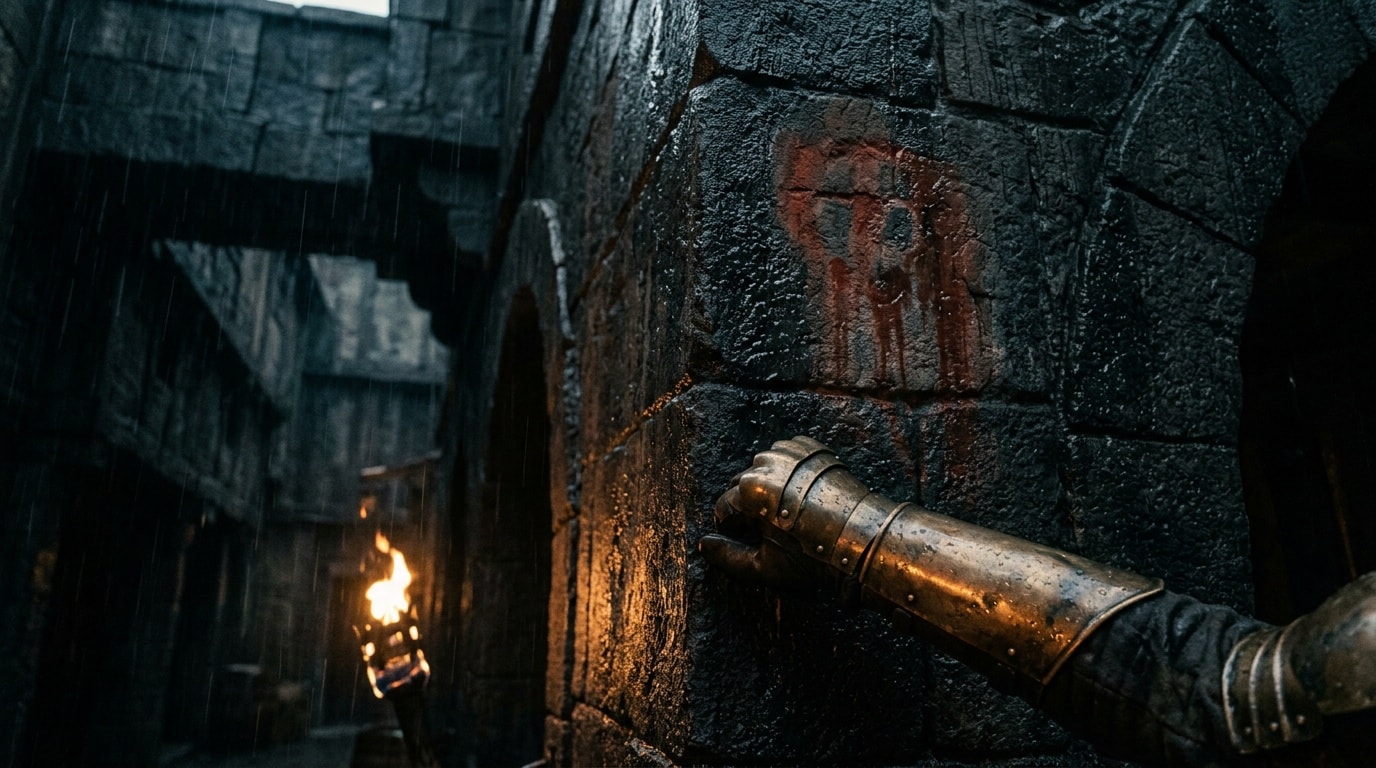
Gold Cloaks Turn Graffiti Into Grievance
Rhaenyra's enforcement order against the 'Queen of Bastards' graffiti is doing more political damage than the slur ever could, because a coercive institution given open-ended discretion will always expand into the full space of that discretion.
Rhaenyra's Tavern Ban Will Cost Her Vermithor
Rhaenyra's tavern ban has completed the psychological conditions for Ulf the White's defection: she stripped him of the one context that gave his service meaning, granted none of his petitions, and then dispatched him over the enemy camp armed with full operational knowledge of her surveillance plan.

Helaena Concealed Her Pregnancy Deliberately
Helaena's concealment of her pregnancy, hidden even from Alicent, is a deliberate act of political and personal survival: the child carries a Green claim Rhaenyra cannot tolerate, and the timeline of the pregnancy makes Aegon's paternity genuinely uncertain.
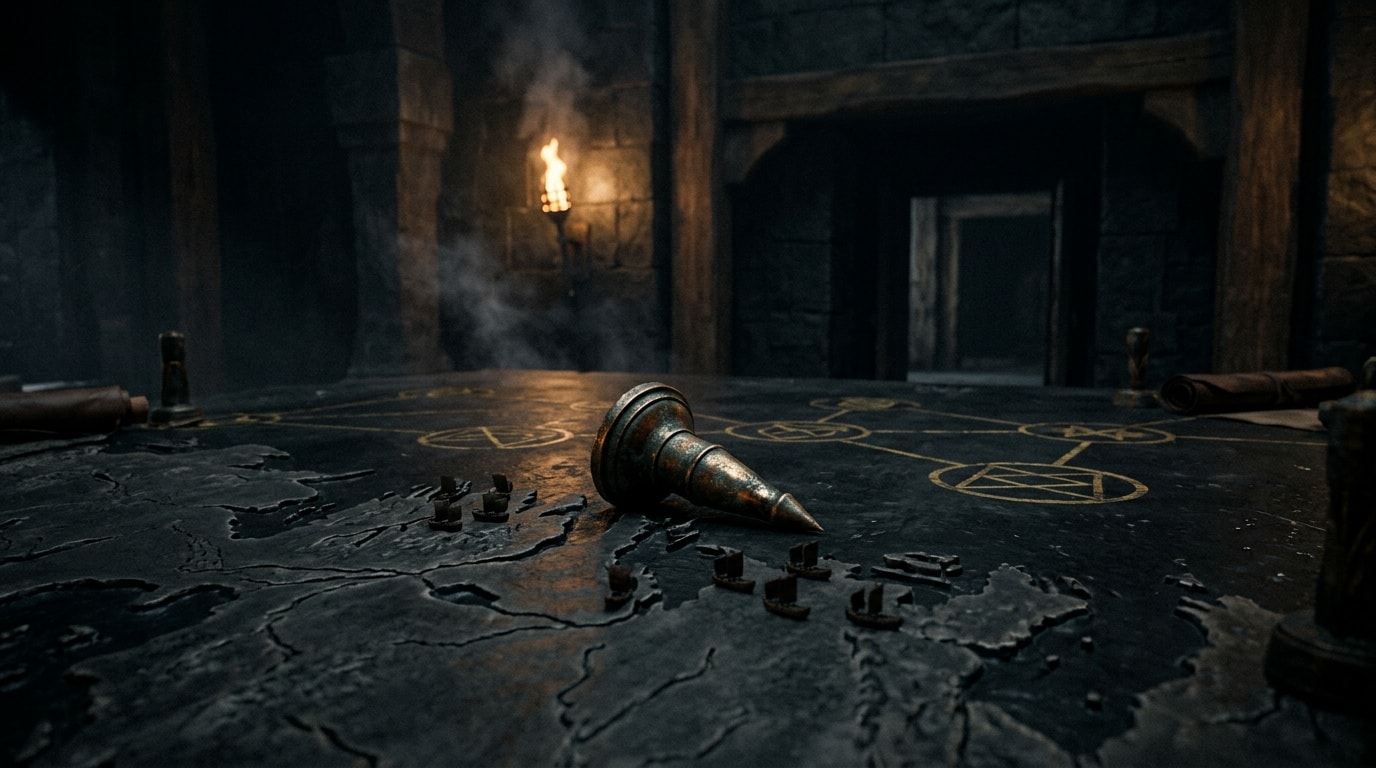
Corlys Has Already Left Rhaenyra
Corlys Velaryon's unauthorized departure from court is the outward sign of an allegiance he has already ended in private, using a military campaign as a dignified cover for a withdrawal he decided on once Rhaenyra refused to legitimize his bastard sons while legitimizing her own.