
Carol Alone: Why Her Immunity Differs
THE ARGUMENT
Carol's immunity is not separable from her grief because they share the same structural origin: the Collective eliminated the only person through whom it could have reached her, leaving itself with no emotional leverage and no manufactured substitute capable of replacing what it destroyed. Where every other immune individual retains an absorbed loved one as an inadvertent bridge to the new world, Carol has none, and the hive's use of a figure from her own fictional imagination is its admission that it has run out of real material. Her resistance is not incidentally linked to her isolation; her isolation is the resistance.
How This Theory Works
Carol's immunity and her total aloneness are the same condition. The Collective's choice to approach her through Zosia, a figure drawn from Carol's own imaginative interior rather than from any living person it has absorbed, is the hive effectively diagnosing her: the obstacle is not a biological anomaly but the total absence of anyone whose love can be redirected toward the Collective. Every other immune individual at Bilbao can be pressured through affection that already exists and has already been colonized. Carol cannot be pressured that way because the Collective killed the only person who could have served that function.
The question of what produces immunity is left deliberately open, and Carol's case is consistent with every proposed explanation: biological anomaly, psychological resistance, or an incapacity to receive the kind of happiness the Collective offers. What the show resolves, without stating it, is that Carol's unusualness has a structural cause that the other immune individuals do not share. Each of them has an emotional bridge to the new world even if they have not crossed it. Carol has no such bridge. That difference in emotional situation, more than any purely biological factor, explains why she is the most destabilized and the most dangerous of the unjoined.
The Collective's use of Zosia makes this structural difference legible as a diagnosis rather than a tactic. The hive is not applying a general comfort protocol. It is acknowledging that Carol's isolation is the specific obstacle and that the only remaining door is one Carol built herself, inside a fiction, before any of this began. That acknowledgment carries an implication the show refuses to state directly: the Collective cannot manufacture what it destroyed. It took her past. Her immunity is the remainder, and the remainder is permanent precisely because the Collective is its own cause.
Is this theory convincing?
Key Evidence
Collective Studies Carol's Resistance Directly
The hive mind's deliberate effort to understand and potentially correct Carol's immunity, sending a figure modeled on her own fictional creation to reach her emotionally, shows the Collective treats her resistance as a specific puzzle requiring active intervention.
Other Immune Individuals Have Family Anchors
At the Bilbao airport, each of the five other English-speaking immune individuals arrives accompanied by family members who have already joined the Collective, giving them an emotional connection to the new world that Carol entirely lacks.
Carol Buries Helen Alone
Carol's grief over burying Helen with no support and no Collective-joined loved ones underscores that she has no emotional anchor to any part of the new world order, distinguishing her situation from every other immune person shown.
Open Question of Immunity's Cause
The episode raises but does not answer whether immunity stems from biology, psychological resistance, or an inability to experience the kind of happiness the Collective offers, keeping Carol's specific case genuinely ambiguous.
Zosia Modeled on Carol's Own Creation
The Collective uses Helen's absorbed memories to send someone who looks exactly like Carol's own conceptualized character Raban in female form, showing the hive is targeting Carol's emotional architecture specifically rather than applying a general approach.
This theory was evaluated using Theory Atlas editorial standards, including evidence review, narrative fit, and competing interpretation analysis. Learn how Theory Atlas evaluates theories →
Other Theories for S1E02
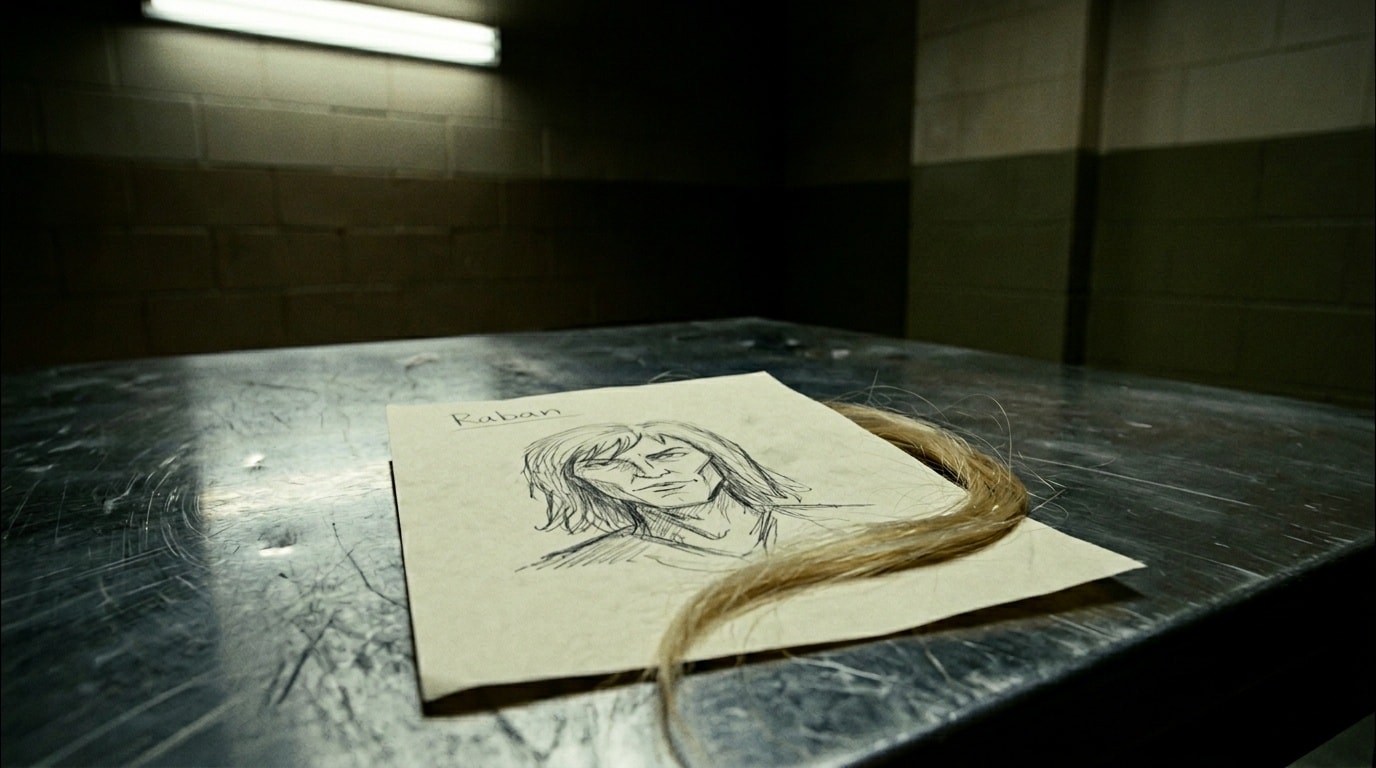
The Collective Weaponized Carol's Creative Imagination
The Collective engineered Zosia's appearance to mirror a character from Carol's private, unpublished creative work, using memories extracted from Helen after she joined, in order to collapse the psychological distance between recruitment and grief.

Koumba Treats the Collective as His Playground
Koumba Diabaté completed a private ethical reckoning before arriving at Bilbao and concluded that the Joined's incapacity for refusal is an acceptable operating condition rather than a problem requiring his response.
The Collective's Self-Erasure Loop: How Epistemic Blindness and Ideological Revision Lock Each Other In Place
The Collective sustains itself through two interlocking mechanisms that together form a closed system: joining destroys the cognitive and emotional architecture required to recognize what joining costs, while the institution's absolute pacifism undergoes continuous revision to retroactively exclude its own founding coercion from the definition of violence.
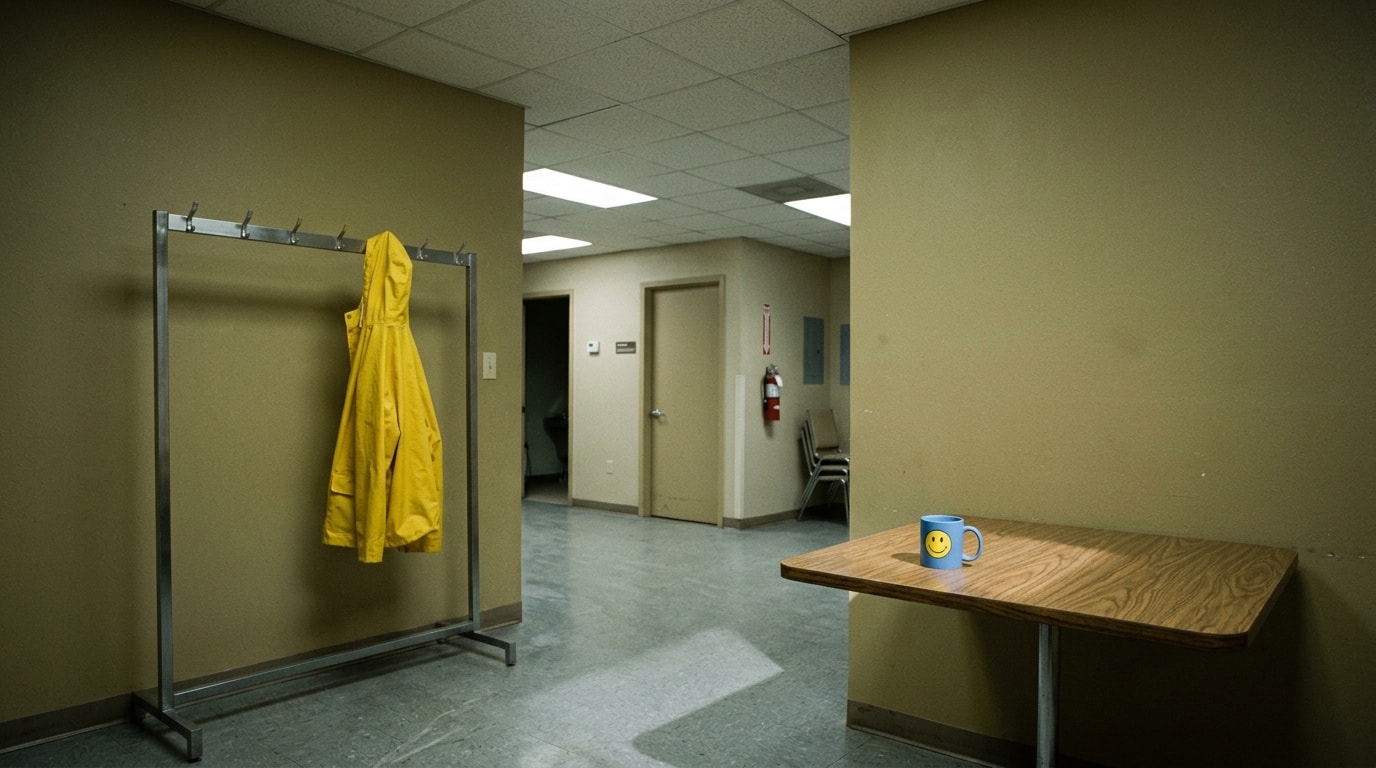
Carol Wears the Collective's Color: Yellow as Ironic Captivity
Carol's yellow jacket shares its precise color with the Happy Face logo the Collective uses to brand mass dissolution as happiness, positioning her not as the opposite of the hive mind's symbol but as its ironic mirror.

Carol the Reluctant Judas of the Joined
Carol occupies the Judas position among the 13 worldwide resisters not because she betrays a person but because her conscience may constitute a betrayal of a functional utopia, a world without violence or suffering that the Collective has actually delivered.

Zosia's Glance Betrays Hidden Individual Will
The Collective's decision to select Zosia for her resemblance to Raban preserved or reactivated the exact interior life that Carol's appeal then reached, making the mission's instrument into its own liability.