Carol Wears the Collective's Color: Yellow as Ironic Captivity
THE ARGUMENT
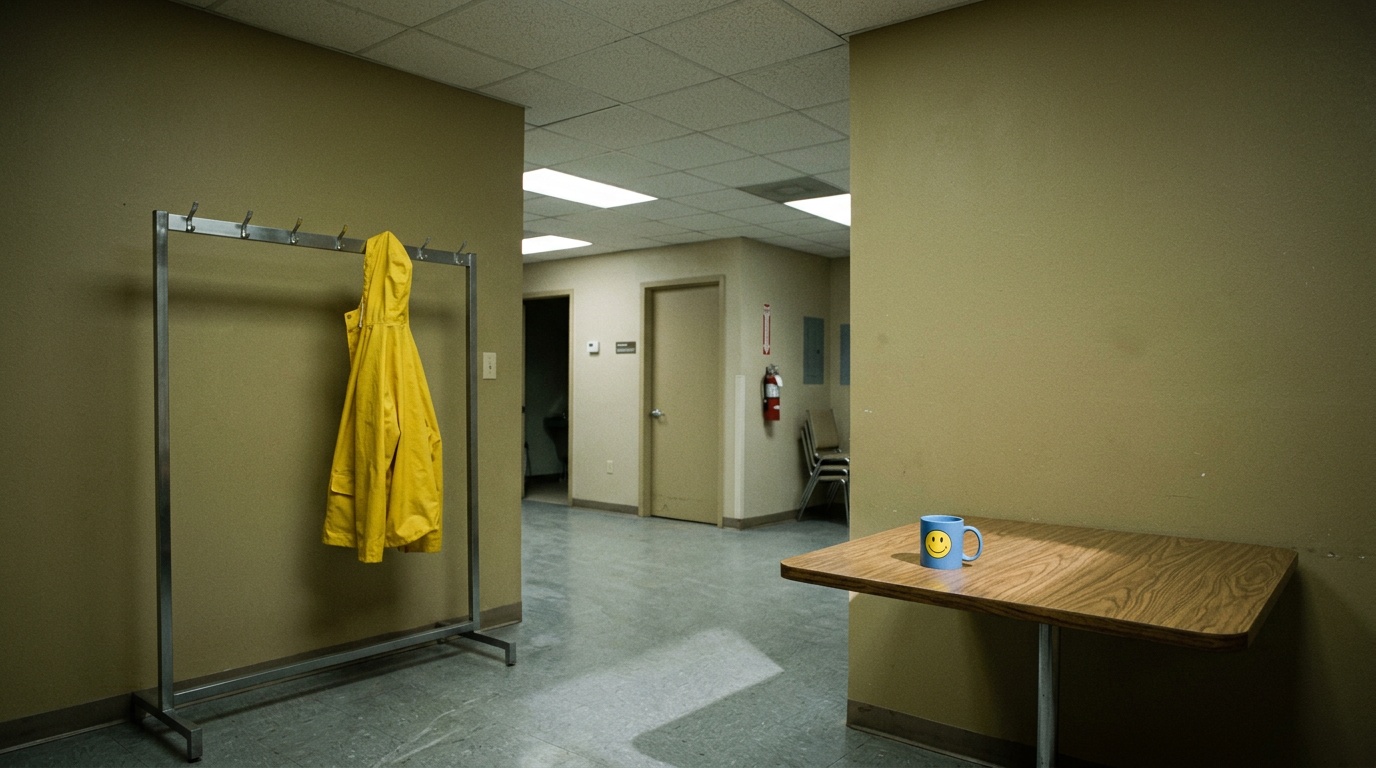
Carol's yellow jacket shares its precise color with the Happy Face logo the Collective uses to brand mass dissolution as happiness, positioning her not as the opposite of the hive mind's symbol but as its ironic mirror. She is doubly captured: outwardly marked by the Collective's own chromatic vocabulary of advertised joy, and inwardly structured by the relentless boundaries she must draw against it. Her resistance and her suffering are not separate conditions — they are the same condition, expressed simultaneously in color and conduct.
How This Theory Works
The sharpest version of this theory begins with a single visual fact: Carol is wearing her yellow jacket at the exact moment the Joining occurs, and that yellow is the Collective's color. Not adjacent to it, not reminiscent of it — the same hue the Happy Face logo uses to sell the project of mass selfhood-dissolution to a species that needed convincing. The show does not bury this overlap. It anchors Carol to it from the inciting event forward, which means every subsequent appearance of that jacket carries the irony at full force: the person most crushed by collective happiness is walking around inside the color the Collective chose to advertise it.
Episode 2 sharpens this irony rather than softening it. The chromatic environment constructed around Carol — purple decor, purple Sharpies, green lighting — is calibrated to make her yellow register as contamination rather than defiance. Zosia, the Collective's liaison, moves through this palette in consistent dark costuming that signals frictionless ease, the visual grammar of someone permanently relieved of the burden of selfhood. Koumba's loud, patterned jackets mark a different flavor of individualism, performative and chosen. Carol's yellow is neither of these things. It is plain, unselected, residual — what remains when everything else has been absorbed. Yellow is the color of happiness. Carol, placed at the center of yellow flowers while burying the person she loves under volcanic rock, is by Episode 2 the most grief-stricken figure the show has produced. Zosia, coded in a color culture associates with melancholy, moves through the world in something that functions, in every visible way, like peace. The inversion is not accidental. It is the argument.
The theory's second movement runs inward, from color to conduct. Carol pours Zosia's offered water directly onto the grass, and the protective reading is available: a system capable of reconstructing Helen's face to disarm her is capable of vector transmission through any provision, and refusal costs nothing. But if the theory stops at risk calculation it misses the emotional architecture underneath. Carol does not want to be calmed. She wants to hurt. Zosia's water is an act of care, but care is also management — drink this, feel better, return to legibility. To accept it would be to allow the Collective to adjudicate her grief, to let the system that absorbed Helen decide when Carol has suffered enough to be soothed. Pouring it onto the grass is not caution. It is a refusal to let her pain become a problem the Collective gets to solve.
The solo burial operates on identical logic. Carol chips at volcanic rock alone in punishing heat not because Collective assistance would be mechanically suspicious but because permitting any assistance would mean ceding the act of mourning itself to the thing that made mourning necessary. And her studied incuriosity about what joining feels like from the inside — the refusal to ask, to understand, to imagine — is not a gap in her knowledge. It is a structural requirement. She has concluded that the self she is protecting cannot survive contact with the Collective's version of comfort, that once the Collective begins to provide for her, the distinction between refusing and joining begins to collapse. The water, the burial, the ignorance: they are the same act, performed in the same direction. She is not keeping the Collective out. She is keeping herself in.
This is where the two movements of the theory converge into a single, uncomfortable claim. The yellow jacket marks Carol as the ironic bearer of the Collective's own symbol of happiness. The behavioral refusals reveal that her interiority has been entirely reorganized around the thing she refuses. She did not choose yellow; she was left in it. She did not choose these boundaries; she was forced to build them or dissolve. The Collective has not merely threatened Carol from the outside. It has already colonized the architecture of her inner life, such that every act of resistance is also an act of maintenance, ceaselessly performed, and every boundary she holds is a boundary the Collective made necessary. Her defiance is real. So is her captivity. The show's visual and behavioral grammars are both insisting that these are not two different things.
Is this theory convincing?
Key Evidence
Yellow Jacket at Moment of Joining
Carol is visibly wearing her yellow jacket at the exact moment the hivemind takeover occurs, anchoring the garment to her identity as an unjoined individual from the series' inciting event.
Yellow Shared With Happy Face Logo
Carol's yellow jacket shares its color with the Happy Face logo associated with the hive mind's goals, creating a visual irony in which the symbol of collective happiness marks the show's primary resistor.
Episode 2 Purple and Green Palette
Episode 2 uses a consistent scheme of purple and green in its decor, Sharpies, and lighting, constructing a chromatic environment that positions Carol's yellow as visually oppositional to the hive mind's aesthetic.
Zosia's Consistent Dark Costuming
Zosia, the Collective's liaison to Carol, consistently wears solid dark colors while Carol wears yellow, placing the two characters at opposite ends of the show's color spectrum and reinforcing their ideological opposition.
Carol Centered Among Yellow Flowers
Carol is visually placed at the center of yellow flowers in early episodes, extending the yellow motif beyond her jacket and suggesting intentional production design choices around her character.
Ironic Inversion of Color Meanings
Yellow, the color of happiness, belongs to Carol, who is by Episode 2 the most grief-stricken person alive; blue, coded as sadness, belongs to Zosia, who is frictionlessly content within the Collective, suggesting deliberate thematic inversion.
Koumba's Flashy Patterned Jackets
Koumba arrives at the Bilbao meeting in bright patterned jackets, distinguishing his brand of individualism from Carol's plain yellow and visually coding each unjoined person's relationship to selfhood differently.
This theory was evaluated using Theory Atlas editorial standards, including evidence review, narrative fit, and competing interpretation analysis. Learn how Theory Atlas evaluates theories →
Other Theories for S1E02
The Collective Weaponized Carol's Creative Imagination
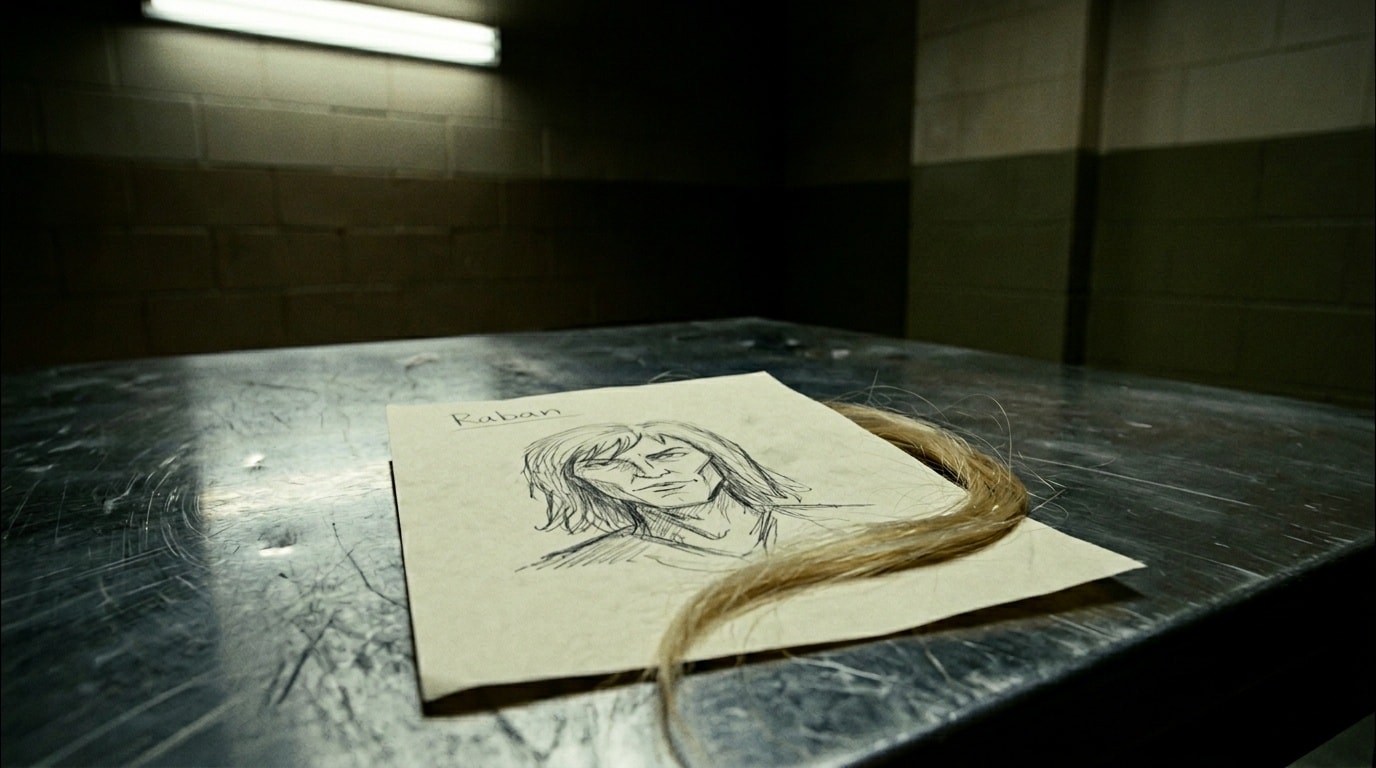
The Collective engineered Zosia's appearance to mirror a character from Carol's private, unpublished creative work, using memories extracted from Helen after she joined, in order to collapse the psychological distance between recruitment and grief.

Koumba Treats the Collective as His Playground
Koumba Diabaté completed a private ethical reckoning before arriving at Bilbao and concluded that the Joined's incapacity for refusal is an acceptable operating condition rather than a problem requiring his response.
The Collective's Self-Erasure Loop: How Epistemic Blindness and Ideological Revision Lock Each Other In Place
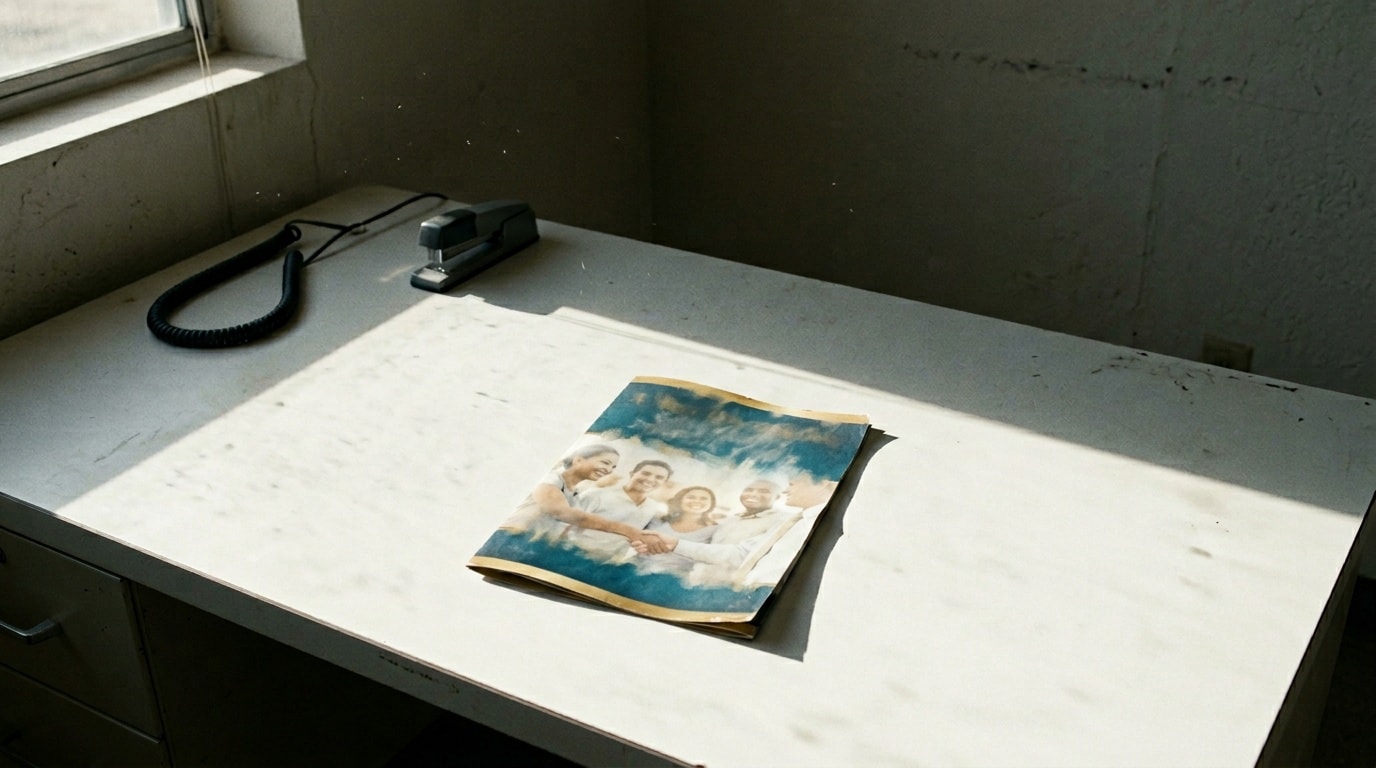
The Collective sustains itself through two interlocking mechanisms that together form a closed system: joining destroys the cognitive and emotional architecture required to recognize what joining costs, while the institution's absolute pacifism undergoes continuous revision to retroactively exclude its own founding coercion from the definition of violence.
Carol the Reluctant Judas of the Joined
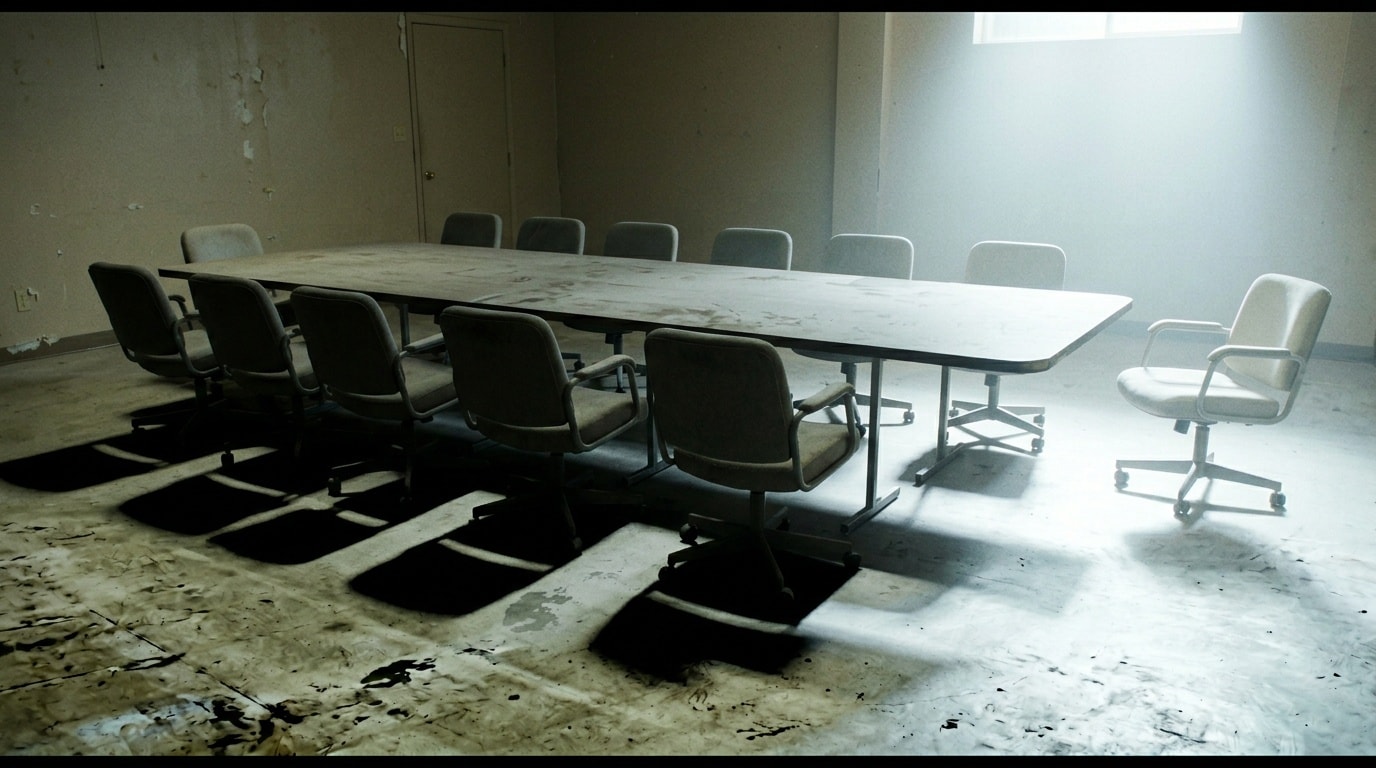
Carol occupies the Judas position among the 13 worldwide resisters not because she betrays a person but because her conscience may constitute a betrayal of a functional utopia, a world without violence or suffering that the Collective has actually delivered.

Zosia's Glance Betrays Hidden Individual Will
The Collective's decision to select Zosia for her resemblance to Raban preserved or reactivated the exact interior life that Carol's appeal then reached, making the mission's instrument into its own liability.
Carol Alone: Why Her Immunity Differs
Carol's immunity is not separable from her grief because they share the same structural origin: the Collective eliminated the only person through whom it could have reached her, leaving itself with no emotional leverage and no manufactured substitute capable of replacing what it destroyed.