
Koumba Treats the Collective as His Playground
THE ARGUMENT
Koumba Diabaté completed a private ethical reckoning before arriving at Bilbao and concluded that the Joined's incapacity for refusal is an acceptable operating condition rather than a problem requiring his response. He does not represent a failure of moral imagination among the immune survivors but something more troubling: a deliberate, reasoned orientation toward exploitation, arrived at early and defended openly. This makes him not an ally to Carol's resistance and not a neutral party but the clearest demonstration of what immunity becomes when the threshold for ethical concern is set by the person who benefits from keeping it low.
How This Theory Works
Koumba has already decided the Joined are not moral patients. That is the interior position the show approaches and the theory has not fully named. His request to Carol is not a social courtesy and not a lapse in ethical reasoning. It is the behavior of someone who completed a private reckoning before Bilbao and arrived at a settled conclusion: the Joined's incapacity for refusal is a feature of the world he intends to inhabit, not a problem requiring his attention. The Las Vegas plan is not impulsive. It is premeditated comfort with a system whose operating condition he has understood and accepted.
The structural mechanism confirms this. Koumba does not ask Zosia because he knows asking her is meaningless. Zosia has told Carol outright that she cannot choose, that her only purpose is to make the unjoined happy. Koumba has absorbed this fact and built his itinerary around it. He has not stumbled into exploitation. He has identified a system where consent is not a variable and stepped into it deliberately. The supermodels aboard Air Force One were not assembled after careful thought about the new world's ethics. They were assembled before anyone had agreed on what that world meant, which is itself the argument: Koumba imported his old hierarchies into the new order at the first available opportunity because he never intended to examine them.
The Peace on Earth argument does the most damage. Koumba does not use the Collective's elimination of violence as a reason to scrutinize his own behavior. He uses it as a ceiling. Because gross suffering has ended, personal exploitation no longer registers as harm. This is the logic of someone who has located the minimum threshold for ethical concern and decided to park just above it. Crime is gone. Racism is over. Therefore Zosia. The argument converts a horror into a license, and Koumba offers it not as rationalization after the fact but as a position he is willing to defend in conversation with Carol, which means he has rehearsed it.
What the theory has approached but declined to state directly is this: Koumba is not a man enjoying freedoms the new world accidentally created. He is a man who recognized, faster than anyone else among the immune, that the Joined's condition made a certain kind of life permanently available, and he oriented himself toward that life before the ethical conversation had even started. Carol's refusal to send Zosia to Las Vegas is not just protective instinct. It is the only move in their exchange that treats the question of the Joined's status as unresolved. Koumba has already resolved it, privately and in his own favor, and the remainder of his behavior is simply living inside that resolution.
Is this theory convincing?
Key Evidence
Air Force One Arrival With Supermodels
Koumba arrives at the Bilbao meeting aboard Air Force One and has surrounded himself with a harem of supermodels, contrasting sharply with every other immune survivor who arrived with family.
Las Vegas Trip With Zosia
Koumba plans to fly to Las Vegas with Zosia explicitly as his sexual companion, treating a Joined individual as a personal pleasure resource.
Asking Carol's Permission, Not Zosia's
Koumba asks Carol for permission to take Zosia rather than asking Zosia herself, revealing he understands the Joined cannot meaningfully consent and has accepted this as the operating condition of his arrangement.
Zosia Confirms She Cannot Choose
Zosia tells Carol she cannot choose for herself because her sole purpose is to make the unjoined happy, which confirms the exploitative dynamic Koumba is knowingly benefiting from.
Peace on Earth Argument
Koumba argues that crime, racism, and violence have vanished under the Collective, using this as justification for his own indulgence rather than as grounds for concern about human autonomy.
Contrast With Carol's Economy Seat
Carol chose to sit in the back of an empty economy cabin on her flight, while Koumba commandeered Air Force One; the juxtaposition frames their opposing relationships to unearned privilege in the new world.
This theory was evaluated using Theory Atlas editorial standards, including evidence review, narrative fit, and competing interpretation analysis. Learn how Theory Atlas evaluates theories →
Other Theories for S1E02
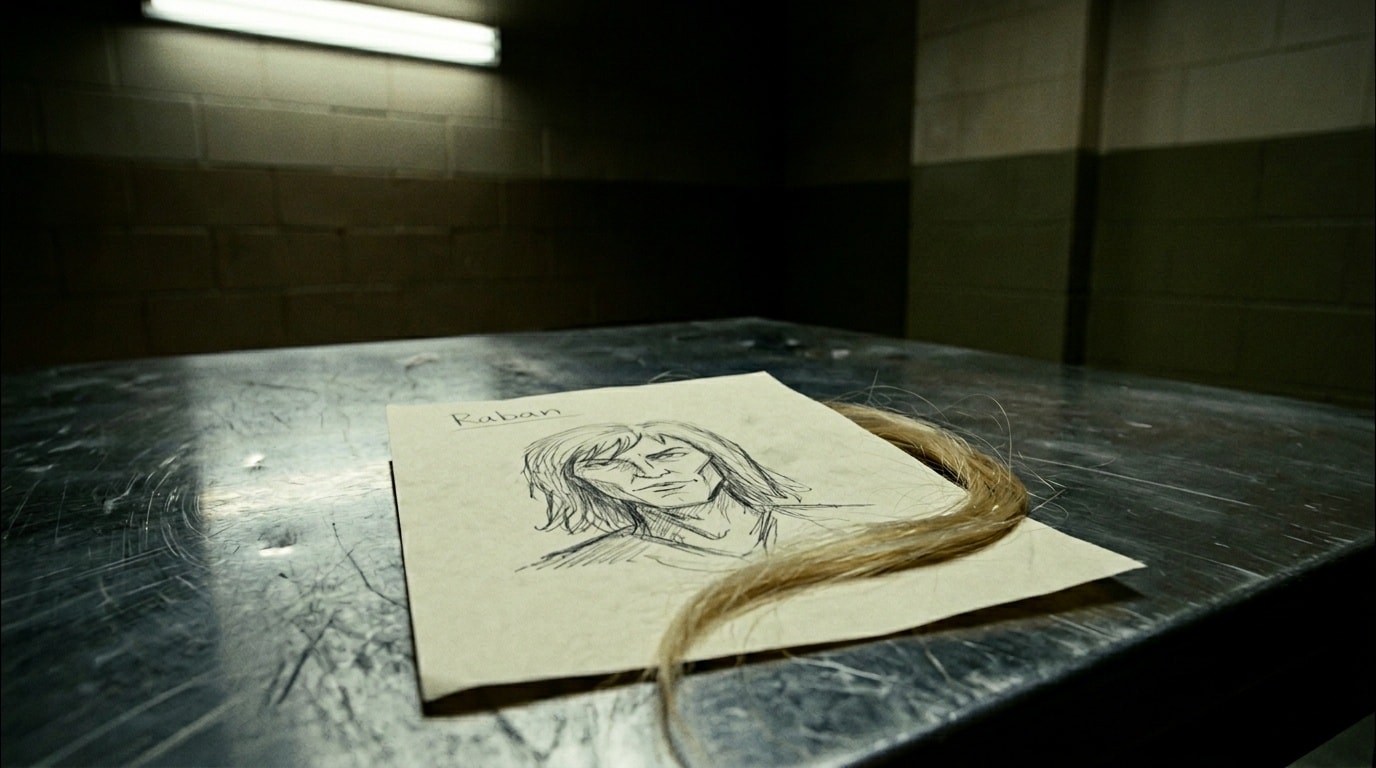
The Collective Weaponized Carol's Creative Imagination
The Collective engineered Zosia's appearance to mirror a character from Carol's private, unpublished creative work, using memories extracted from Helen after she joined, in order to collapse the psychological distance between recruitment and grief.

The Collective's Self-Erasure Loop: How Epistemic Blindness and Ideological Revision Lock Each Other In Place
The Collective sustains itself through two interlocking mechanisms that together form a closed system: joining destroys the cognitive and emotional architecture required to recognize what joining costs, while the institution's absolute pacifism undergoes continuous revision to retroactively exclude its own founding coercion from the definition of violence.
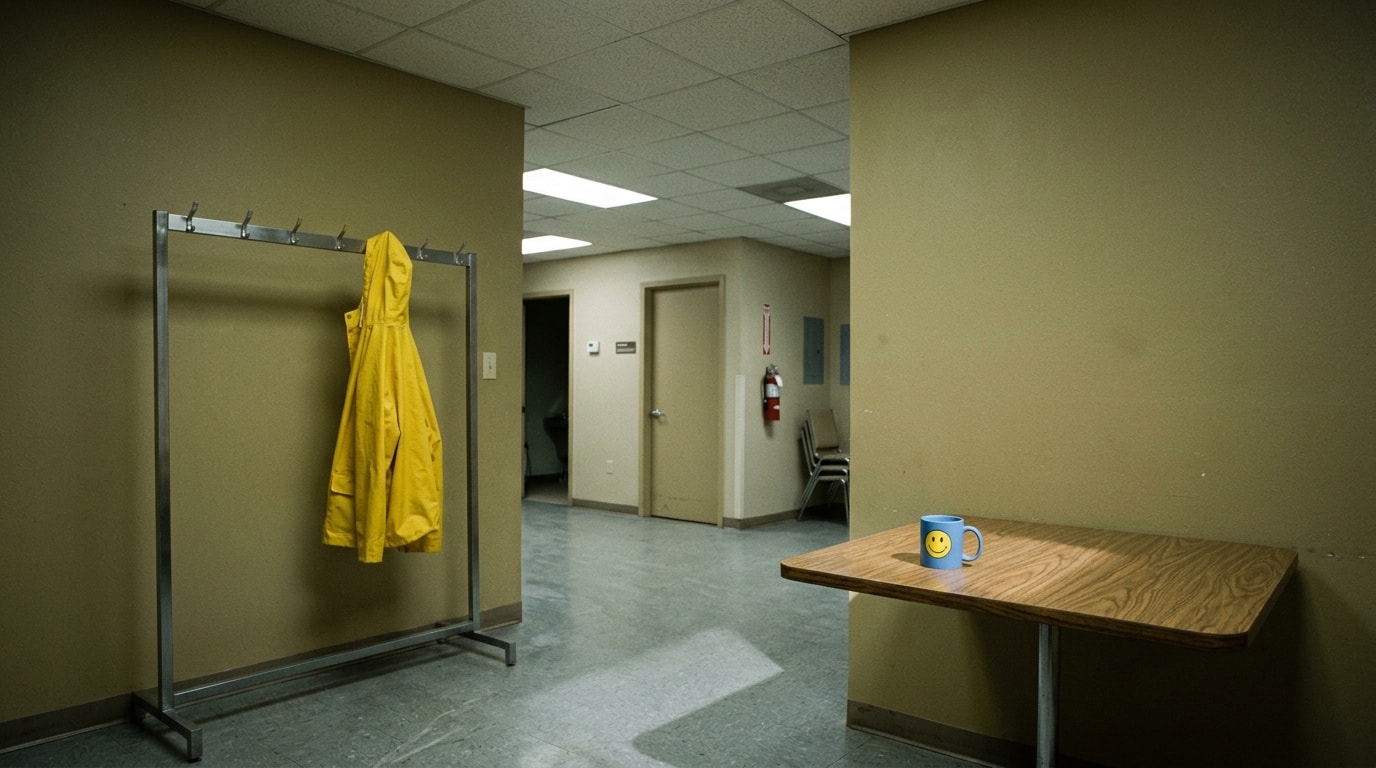
Carol Wears the Collective's Color: Yellow as Ironic Captivity
Carol's yellow jacket shares its precise color with the Happy Face logo the Collective uses to brand mass dissolution as happiness, positioning her not as the opposite of the hive mind's symbol but as its ironic mirror.

Carol the Reluctant Judas of the Joined
Carol occupies the Judas position among the 13 worldwide resisters not because she betrays a person but because her conscience may constitute a betrayal of a functional utopia, a world without violence or suffering that the Collective has actually delivered.

Zosia's Glance Betrays Hidden Individual Will
The Collective's decision to select Zosia for her resemblance to Raban preserved or reactivated the exact interior life that Carol's appeal then reached, making the mission's instrument into its own liability.

Carol Alone: Why Her Immunity Differs
Carol's immunity is not separable from her grief because they share the same structural origin: the Collective eliminated the only person through whom it could have reached her, leaving itself with no emotional leverage and no manufactured substitute capable of replacing what it destroyed.