
Shared Grief Quietly Binds Two Enemy Queens
THE ARGUMENT
Rhaenyra has shifted from treating Alicent as a prisoner to be managed toward treating her as the only person alive who understands what losing children costs. That shift is genuine, unconfirmed as a turning point, and already more dangerous to Rhaenyra than any battlefield reversal, because the people who want her to lose can see it too.
How This Theory Works
Consider what Alicent actually does when Rhaenyra presents the bleached-haired imposter. She could have stayed silent. The deception served Green interests, and silence cost her nothing. She exposed it anyway, voluntarily, with nothing offered in exchange. Someone calculating survival as a prisoner does not make that choice. A mother whose only concern in that moment is finding her actual son does. What Alicent's behavior reveals about Rhaenyra is equally important: she must have created the conditions under which that honesty felt possible. The show is asking us to notice what kind of relationship produces that behavior, and to ask ourselves how it got there.
The episode places this scene directly alongside Rhaenyra's grief over Jacaerys. She is suffering sleeplessness and visions of her dead son in the same stretch of time that she extends Alicent the kind of unguarded access Alicent then uses honestly, and against the Greens' own interests. That framing carries a clear argument. Both women are trying to hold institutional power while their interior lives collapse under the weight of dead and endangered children. Their conversations carry a mutual tragic understanding that the show treats as categorically different from political negotiation, and that distinction is doing real work here. A bond operating on that register is not governed by strategic logic, which means strategic logic cannot contain it.
Division persists alongside the connection. Alicent will not give up Aegon's location. Larys Strong's movements remain outside Rhaenyra's control. The bond has not yet overridden anything that matters operationally, but it has altered the terms of Rhaenyra's custody arrangement in ways she may not have fully priced in.
The person most exposed is Rhaenyra. Alicent's grief is already known, her capture public, her losses already accounted for in every calculation anyone is making about her. Rhaenyra's grief is private, and she has allowed it to become the foundation of a relationship she cannot control. She trusts Alicent because Alicent is the only witness to whom honesty feels survivable, and that is the precise vulnerability that ends wars badly for whoever feels it first. Larys Strong does not need to understand the grief to exploit it. He only needs to understand that Rhaenyra has stopped treating Alicent as an asset to be managed. By that measure, he may already have everything he needs.
Is this theory convincing?
Key Evidence
Alicent Exposes the Imposter Immediately
When Rhaenyra brings the bleached-haired boy before Alicent, Alicent does not recognize him, and her uncoerced disclosure reveals the Green deception rather than allowing Rhaenyra to be manipulated by it.
Mutual Tragic Understanding Confirmed On Screen
The episode explicitly frames Rhaenyra and Alicent's conversations as revealing a mutual, tragic understanding shaped by shared trauma, which the show presents as distinct from their ongoing political division.
Alicent's Maternal Need Drives Her Disclosure
Alicent's motivation for cooperating in unmasking the imposter is framed as a desire to find her real son Daeron, suggesting her bond with Rhaenyra is conditioned not on politics but on the shared vulnerability of motherhood.
Rhaenyra Haunted by Dead Son Jacaerys
Rhaenyra suffers sleeplessness and visions of her slain son Jacaerys throughout the episode, placing her grief as a direct emotional parallel to Alicent's fear for the hidden Daeron.
Division Persists Despite Deeper Connection
Despite their mutual understanding, Rhaenyra and Alicent remain divided over Aegon's whereabouts and Larys Strong's movements, showing the bond is real but does not yet override strategic opposition.
This theory was evaluated using Theory Atlas editorial standards, including evidence review, narrative fit, and competing interpretation analysis. Learn how Theory Atlas evaluates theories →
Other Theories for S3E03
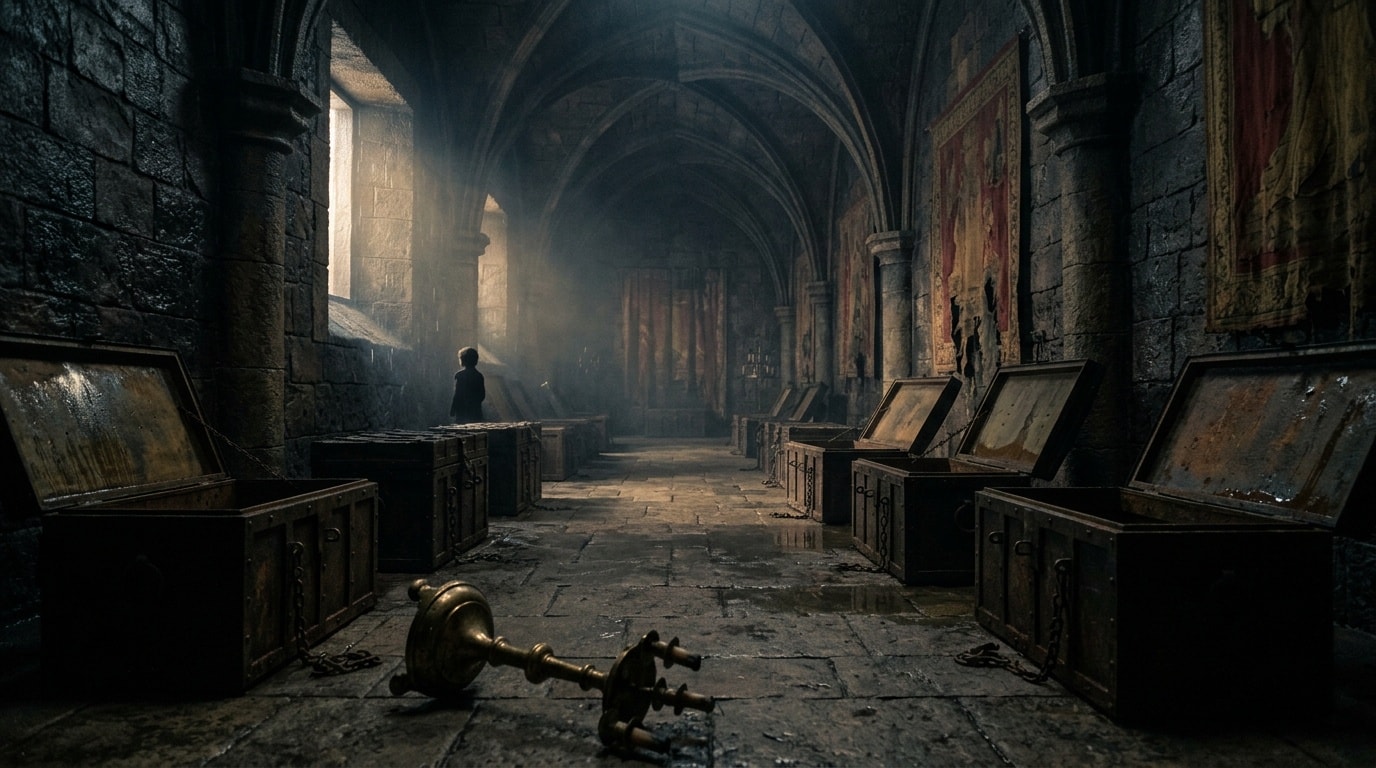
The Greens Built a Throne She Could Only Lose
The Greens evacuated King's Landing rather than surrendering it, stripping the treasury, blocking ecclesiastical coronation, and coordinating an ideological campaign against dragons before withdrawing, leaving Rhaenyra to occupy a throne hollowed of every resource that makes a throne governable.
Rhaenyra's Bastard Hypocrisy Will Cost Her Navy
Rhaenyra's refusal to grant Addam of Hull the Velaryon name has made Corlys's continued loyalty structurally untenable, and his departure would lift the naval blockade that underpins her hold on King's Landing.

Ormund Hightower Weaponizes Rhaenyra's Own Mercy
Ormund Hightower has identified Rhaenyra's dependence on civilian legitimacy and is engineering that dependence into a military constraint.
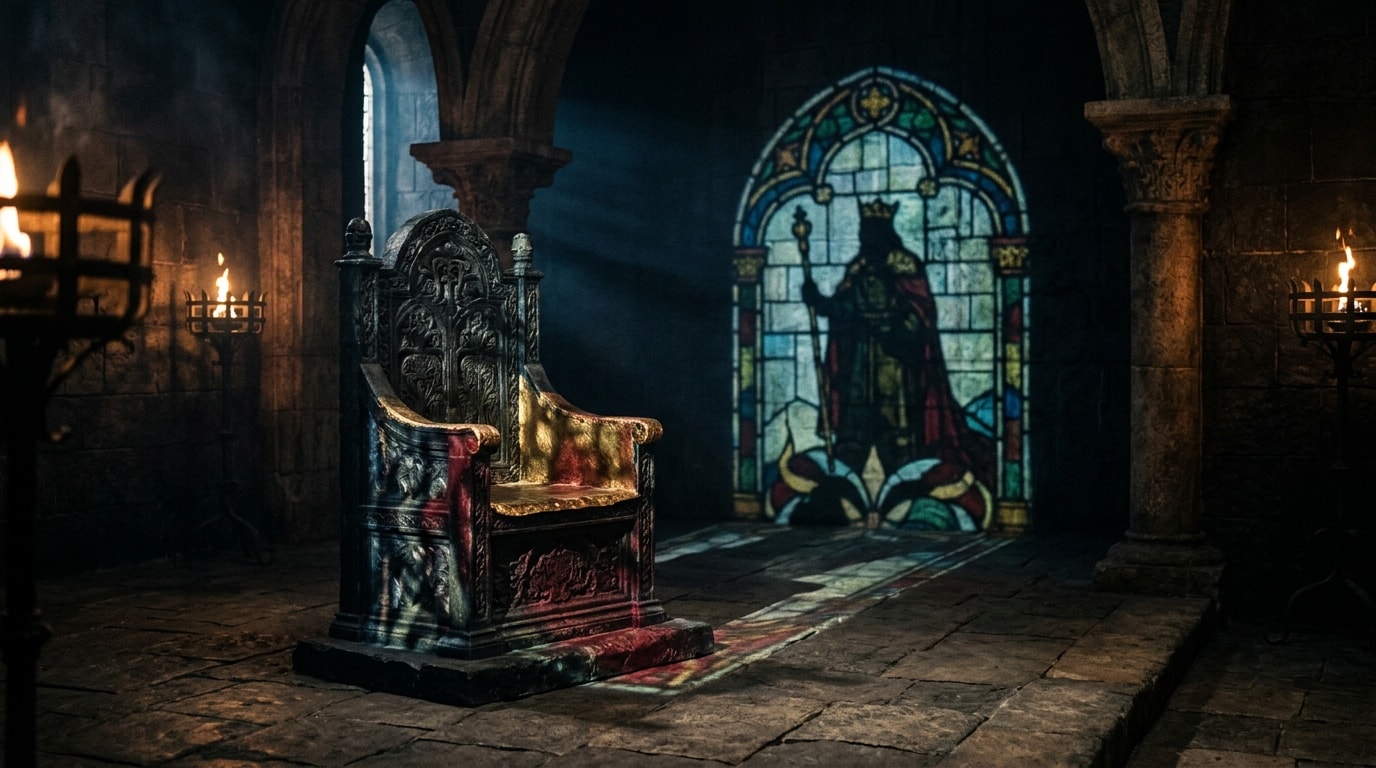
The Faith Has Already Chosen the Greens
The Faith of the Seven has taken sides in the Dance of the Dragons, and that side is Green.
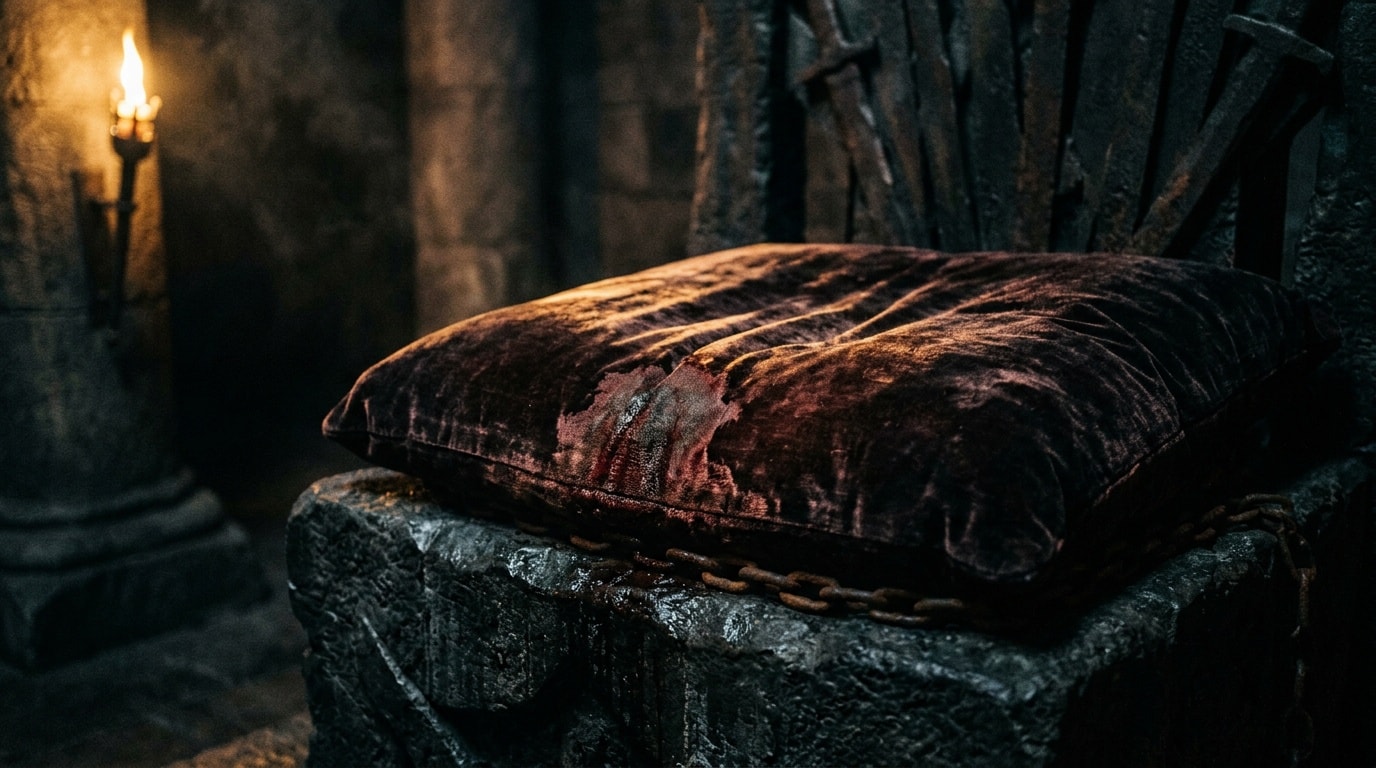
The Throne Already Judged Her Body
The show appears to be building toward a specific narrative payoff: the legend in Fire and Blood, in which the Iron Throne rejects Rhaenyra by causing her to bleed upon it, will ultimately be traceable to this moment of concealed menstruation.

Alicent's Dead Son Gambit Protects the Living One
Alicent's advice to declare Aegon II dead serves her sons, not Rhaenyra's reign: a formal death announcement removes the crown's incentive to keep searching for Aegon while shielding Daeron from scrutiny in the field.

Tessarion's Silence Exposed Daemon's Fatal Blind Spot
Daemon's lifelong intimacy with dragon-rider bonds should have made Tessarion's silence the first thing he questioned, and it was the one thing he never questioned at all.
Daemon's Report on Sunfyre Is a Lie
Daemon's declaration that Sunfyre is 'long dead and decaying' is a single-source assertion shaped to foreclose questions he could not safely answer, with no corroborating witness and a speaker who has a documented history of deciding what version of events Rhaenyra receives.